

The Tano River
  • Home
  • ๐ŸŒŠThe River
    • The Tano River
    • Cultural Significance
    • Spiritual and Historical Importance
    • Taakora โ€” The Deity of the Tano River
    • Comprehensive Analysis of the Tano River and Its Basin
  • ๐ŸŒฟEnvironment
    • Flora and Fauna
    • Environmental Challenges
    • Conservation Efforts
    • The Tano River Basin
    • The Galamsey Crisis
    • Animals of the Tano
    • Trees and Plants of the Tano
    • Parks and Forest
    • Lagoons
    • Tributaries of the Tano River
  • History
    • Stories and Oral Traditions
    • Historical Events
    • Ancient Trade and Conflicts
    • The Legend of Tano and Bia
    • Deities and Spirits
    • God Tano, Afua Krankra, and Asase Ya/Afua in Akan Mythology
  • ๐ŸŽ‰Culture
    • Ethnic Groups Along the Tano River
    • Fishing, Agriculture, and Rituals
    • Festivals and River Ceremonies
    • The Natural Border Between Ghana and Ivory Coast
  • ๐Ÿ›ถ Tourism
    • Natural Sites to Visit
    • Cultural Experiences
    • Local Guides & Eco-Tourism
    • Creating a Touristic Ecosystem
  • ๐ŸŒNews
  • Global Initiative
  • ๐ŸŒAbout
    • ๐Ÿ“–The Project / Get Involved
    • ๐Ÿงพ About me
    • โœ‰๏ธ Contact us
    • ๐Ÿค Partnerships / Collaborate
    • ๐Ÿ’› Donate
    • ๐ŸŒฟ A Tribute to My Father and Grandfather
    • ๐ŸงพAll Our articles
    • ๐ŸงพSearch Our Articles
    • ๐Ÿ“–Glossary of the Tano River Ecosystem
Donate
Font ResizerAa
The Tano RiverThe Tano River
Search

Popular Posts

The Rivers, Lakes & Lagoons Collective

The rivers in Ghana

About the River

๐Ÿชท Cultural Significance of the Tano River

About the River

โœจ Spiritual and Historical Importance of the Tano River

Welcome to Tanoriver.com

Join the Tano River Collective Project and be part of a growing movement dedicated to preserving the life, culture, and ecosystems of the Tano River. Together, we can make a lasting impact.
Join Us
Follow US
TanoRiver.com
The Tano River > All our Articles > Environment & Biodiversity > Species of the Tano River > Mammals > ๐Ÿฟ Xerus erythropus โ€“ African Striped Ground Squirrel
Mammals

๐Ÿฟ Xerus erythropus โ€“ African Striped Ground Squirrel

By
Alexandre Tano Kan Koffi
Last updated: December 6, 2025
4 Min Read
Share

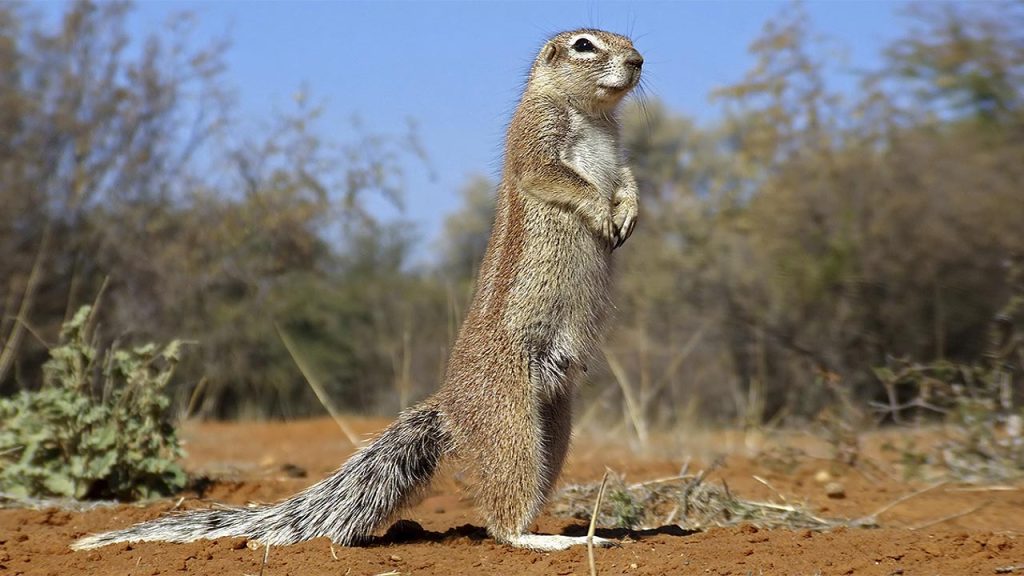
A lively forager of open woodlands and riverbanks, dashing between sun and shadow with signature stripes

Contents
๐Ÿ” Quick Facts๐ŸŒ Distribution and HabitatIn the Tano River Basin, it can be found:๐Ÿฟ Appearance๐ŸŒฟ Behavior and Diet๐Ÿฃ Reproduction๐Ÿงญ Ecological Importanceโš ๏ธ Conservation Concerns๐ŸŒŠ Why It Matters for the Tano River

๐Ÿ” Quick Facts

  • Common Name: African Striped Ground Squirrel
  • Scientific Name: Xerus erythropus
  • Family: Sciuridae (Squirrels)
  • IUCN Status: Least Concern
  • Body Length: ~17โ€“25 cm; tail adds another 15โ€“20 cm
  • Weight: ~300โ€“600 grams
  • Activity: Diurnal
  • Habitat: Savanna, woodland, dry forest edges, and agricultural fields

๐ŸŒ Distribution and Habitat

The African Striped Ground Squirrel is widely distributed across sub-Saharan Africa, including:

  • Cรดte dโ€™Ivoire, Ghana, Togo, Nigeria, and Senegal

In the Tano River Basin, it can be found:

  • Along sunlit forest edges, near open savanna patches
  • In riverine grasslands, farmland margins, and even near human settlements
  • Often seen basking or digging near the base of trees or in open fields

It prefers areas with some tree cover but plenty of open ground to forage.


๐Ÿฟ Appearance

  • Color: Grayish to light brown fur with a pale stripe running along each side from shoulder to hip
  • Tail: Bushy and often used like a sunshade when resting
  • Build: Sturdy with short limbs, adapted for digging and running
  • Face: Prominent dark eyes and small rounded ears

Its side stripes and ground-hugging behavior help distinguish it from tree squirrels.


๐ŸŒฟ Behavior and Diet

  • Diurnal, active mostly during cooler morning and late afternoon hours
  • Diet:
    • Seeds, nuts, fruit, roots, insects, and sometimes small vertebrates
  • Digs burrows with multiple entrances for shelter and storage
  • Frequently stands on hind legs to survey for predators

Their alert postures and sharp alarm calls help them avoid snakes, raptors, and carnivores.


๐Ÿฃ Reproduction

  • Breeding occurs throughout the year in warmer climates
  • Litter size: 2โ€“6 young
  • Nesting chambers are made in underground burrow systems
  • Juveniles emerge after 4โ€“6 weeks, initially staying close to the den

Family groups may share territories but are generally solitary or loosely social.


๐Ÿงญ Ecological Importance

The African Striped Ground Squirrel plays important roles by:

  • Dispersing seeds through caching and movement
  • Turning and aerating soil while digging burrows
  • Providing prey for hawks, eagles, snakes, and small carnivores

Their presence enhances the biodiversity of grassland and forest edge zones.


โš ๏ธ Conservation Concerns

Although considered Least Concern, local threats include:

  • ๐Ÿšœ Habitat loss from agricultural expansion and fire
  • ๐Ÿงฑ Conflict with farmers when they raid crops
  • ๐Ÿงช Pesticide use, reducing food sources and direct poisoning
  • ๐Ÿž Habitat fragmentation, reducing roaming areas

Conservation of mixed-use landscapes and open woodland buffers supports their populations.


๐ŸŒŠ Why It Matters for the Tano River

The African Striped Ground Squirrel is:

  • A familiar and adaptable species, bridging forest and savanna life
  • An emblem of resilience in disturbed and changing environments
  • A reminder that not all vital species live in the trees or water

By protecting the mosaic of habitats around the Tano, we ensure these squirrels keep scampering through the grasses for generations.


๐Ÿ”— Have you seen squirrels dashing across a path or standing tall in the field? Submit your sightings at [TanoRiver.com/submit]


Sign Up For Daily Newsletter

Be keep up! Get the latest breaking news delivered straight to your inbox.
By signing up, you agree to our Terms of Use and acknowledge the data practices in our Privacy Policy. You may unsubscribe at any time.
Share This Article
Facebook Email Copy Link Print
ByAlexandre Tano Kan Koffi
Follow:

โœ๏ธ About the Author

Alexandre Tano Kan Koffi is the founder of TanoRiver.com and a passionate advocate for Africaโ€™s environmental and cultural heritage. Named after the Tano River, he honors his legacy through storytelling and conservation.
๐Ÿ“ง Contact: alex [@] alexandrekoffi.com

Leave a Comment Leave a Comment

Leave a Reply Cancel reply

Your email address will not be published. Required fields are marked *

Receive latest news from all areas of Wildlife Animals

Our selection of the week's biggest research news and features sent directly to your inbox. Enter your email address, confirm you're happy to receive our emails.

HOT NEWS

The Rivers, Lakes & Lagoons Collective

The rivers in Ghana

April 10, 2026

๐Ÿชท Cultural Significance of the Tano River

May 5, 2026

โœจ Spiritual and Historical Importance of the Tano River

February 13, 2026

๐Ÿ“– Indigenous Stories and Oral Traditions of the Tano River

May 9, 2026

Follow US:ย 

About us

  • ๐ŸŒ The Project / Get Involved
  • โœ‰๏ธ Contact us
  • ๐Ÿ’› Donate
  • ๐Ÿค Partnerships / Collaborate

TanoRiver.com

  • Terms and Conditions
  • Privacy Policy
  • Cookie Policy

Cookies Notice

We use our own and third-party cookies to improve our services, personalise your advertising and remember your preferences.
Welcome Back!

Sign in to your account

Username or Email Address
Password

Lost your password?
