



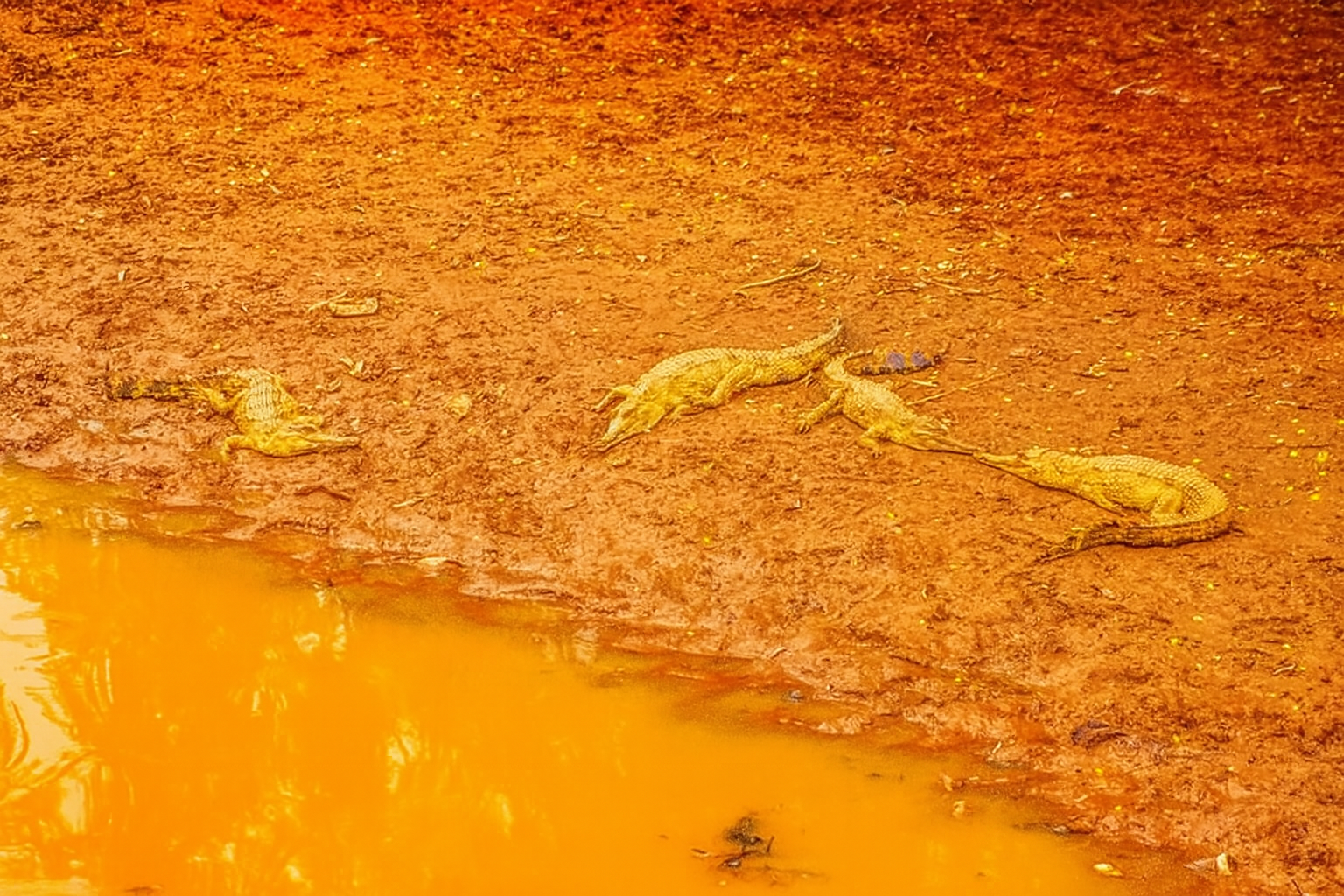
In the face of mounting threats—pollution, deforestation, illegal mining, and climate change—numerous individuals, communities, researchers, and environmental organizations have mobilized to protect the Tano River and its fragile ecosystem. From sacred forest preservation to youth-led clean-ups, these initiatives reflect a growing movement to restore and defend a river that sustains both life and heritage.
🛡️ 1. Sacred Forest and Cultural Protection Initiatives
Many conservation efforts are rooted in indigenous beliefs and taboos that treat parts of the river and forest as sacred.
- Tano Sacred Grove (near Techiman, Ghana) is protected by traditional priests and elders who enforce taboos against logging, farming, and bathing.
- In Côte d’Ivoire, elders of the Tanoé-Ehy Forest region have declared parts of the swamp forest spiritually protected, restricting access and hunting.
- Collaborations between traditional authorities and conservation NGOs have helped revive cultural practices as a strategy for ecosystem preservation.
These efforts show that spirituality and ecology can go hand-in-hand.
🌿 2. Tanoé-Ehy Community Conservation Project (Côte d’Ivoire)
One of the most successful conservation stories in West Africa is the Tanoé-Ehy Swamp Forest Project, led by:
- Professor Inza Koné and the Centre Suisse de Recherches Scientifiques (CSRS)
- Supported by international partners like Rainforest Trust, IUCN, and Whitley Fund for Nature
Achievements include:
- Protection of over 12,000 hectares of critical habitat
- Community patrols to monitor poaching and illegal logging
- Conservation of endangered primates, including the Roloway monkey and White-naped mangabey
- Creation of eco-awareness programs for schools and farmers
Local communities have been empowered to manage the land, not as park rangers, but as custodians of ancestral territory.
🧼 3. River Clean-up Campaigns and Youth Activism
In Ghana, youth-led groups and schools organize:
- Clean-up drives in towns like Tanoso, Elubo, and Dadieso
- Plastic recycling awareness campaigns
- Tree planting along degraded riverbanks
These movements are often supported by:
- Local assemblies
- Faith-based organizations
- Environmental clubs and student associations
Many of these young leaders consider themselves “guardians of the Tano.”
🧪 4. Scientific Monitoring and Environmental Impact Studies
- Researchers from Ghana Water Research Institute, University of Energy and Natural Resources, and CSRS conduct biodiversity surveys, water quality testing, and impact assessments.
- Their data supports advocacy for:
- Buffer zones around the river
- Regulation of mining waste
- Protection of aquatic species
This science-backed activism is key for influencing policy and donor support.
🧘🏾♂️ 5. Community Eco-Education and Storytelling
In both Ghana and Côte d’Ivoire:
- Elders use oral tradition and proverbs to teach children respect for the river
- Radio programs in local languages promote river conservation values
- Cultural festivals have included eco-themed rituals, reminding participants of their duty to protect nature as heritage
🌍 6. International Recognition and Transboundary Dialogues
- The Tanoé-Ehy Forest has been proposed for UNESCO biosphere reserve status
- Transboundary cooperation has begun between Ghana’s EPA and Côte d’Ivoire’s Ministry of Environment, though much remains to be done
- Organizations like WWF, IUCN, and Greenpeace Africa have included the Tano Basin in their regional reports
✅ What’s Still Needed
Despite progress, conservation of the Tano River faces challenges:
- Weak enforcement of environmental laws
- Corruption in mining regulation
- Lack of sustainable funding
- Limited access to international platforms for local voices
Support is urgently needed to scale up successes, especially by:
- Training local eco-guards
- Providing alternative livelihoods (e.g. eco-tourism, sustainable agriculture)
- Building bridges between traditional wisdom and scientific innovation


