



1. Executive Summary
This report provides a comprehensive guide for establishing a vibrant and sustainable touristic ecosystem around the Tano River, a vital transboundary resource shared by Ghana and Côte d’Ivoire. The Tano River Basin possesses immense, yet largely untapped, potential stemming from its rich natural biodiversity, profound cultural heritage, and strategic geographical position. However, realizing this potential necessitates addressing significant challenges, primarily severe water pollution from illegal mining and critical infrastructure gaps.
The strategic vision for this ecosystem is rooted in principles of sustainability, community empowerment, and robust cross-border collaboration. Proposed thematic packages, including high-value eco-adventure, immersive cultural journeys, authentic agro-tourism, and tranquil wellness retreats, are designed to attract diverse traveler segments. Key sites, from Ghana’s Tanoboase Sacred Grove to Côte d’Ivoire’s Tanoé-Ehy Swamp Forest and Aby Lagoon, offer unique experiences centered on conservation, indigenous traditions, and local livelihoods.
To unlock this potential, critical investment opportunities are identified across infrastructure development, sustainable accommodation, and community-based enterprises. The report emphasizes the necessity of public-private partnerships and a harmonized policy environment between the two nations. Successful implementation hinges on prioritizing environmental remediation, particularly the eradication of illegal mining, as a foundational step. By strategically investing in these areas, the Tano River Basin can transform into a leading transboundary tourism destination, fostering economic growth, preserving natural and cultural assets, and enhancing regional integration. This strategic approach is crucial for high-level stakeholders, providing a clear roadmap to grasp the project’s value proposition and strategic direction, thereby facilitating initial buy-in and resource allocation.
2. Introduction: The Tano River Basin as a Transboundary Tourism Frontier
The Tano River, also known as Tanoé, is a significant waterway in West Africa, flowing for approximately 400 kilometers (250 miles) from its source near Techiman in Ghana to the Aby Lagoon complex in Côte d’Ivoire, ultimately discharging into the Atlantic Ocean. This river holds a unique geographical position, forming the international land boundary between Ghana and Côte d’Ivoire for its final few kilometers before entering Ivorian territory. The Tano River System’s total catchment area spans about 15,000 square kilometers, with the vast majority, approximately 93%, located within Ghana, and the remaining 7% in Côte d’Ivoire. The basin’s topography varies from sea level to 700 meters above mean sea level, characterized by wet semi-equatorial and south-western equatorial climatic zones that experience double rainfall maxima.
The transboundary nature of the Tano River is more than a mere geographical fact; it represents a fundamental characteristic that profoundly shapes any tourism development strategy for the region. This shared resource presents a compelling opportunity for the creation of unique, expansive cross-border tourism experiences that would be impossible to achieve within a single national framework. Imagine multi-country itineraries that seamlessly guide travelers from the river’s sacred source in Ghana to its lagoon mouth in Côte d’Ivoire, offering a diverse array of natural and cultural encounters along the way. However, this shared ownership also inherently demands integrated planning and bi-national cooperation. Challenges such as the pervasive pollution originating in Ghana but impacting Côte d’Ivoire underscore the critical need for joint policy development, coordinated infrastructure investment, and harmonized conservation efforts. Without a unified approach, the full potential of this shared natural asset cannot be realized, and its long-term sustainability remains at risk.
3. Current State of the Tano River Ecosystem: Resources, Culture, and Challenges
This section provides a detailed assessment of the Tano River basin’s existing natural, cultural, and socio-economic landscape, highlighting its inherent tourism assets and the significant obstacles that must be overcome for sustainable development.
3.1. Geographical and Environmental Overview
The Tano River, recognized as the fifth longest river in Ghana, originates within the forest in Pooyem, approximately 4 kilometers from Techiman, and flows generally north-south, eventually entering the sea in Côte d’Ivoire via the Aby Lagoon complex. Its extensive network of tributaries, including Abu, Amama, Bo, Disue, Soro, Atronie, Sabom, Gaw, Kwasa, Sumre, and Totua, contribute to its significant water volume. The Tano basin in Ghana spans three administrative regions—Brong Ahafo, Ashanti, and Western Regions—encompassing 21 administrative districts.
The land use patterns within the Tano basin are predominantly agricultural, with arable lands occupying the highest percentage of the total landmass. Commercial farming of cocoa, plantain, and other food crops is widespread. Following closely, forest cover represents the second largest land use, occupying about 50% of the basin’s total landmass, with approximately 40% of this forest being designated as protected areas. The basin’s climate is characterized by wet semi-equatorial and south-western equatorial zones, featuring distinct double rainfall maxima. This dual land-use pattern, with significant forest cover existing alongside extensive agricultural activity, presents both opportunities and challenges for tourism development. On one hand, it creates a natural foundation for integrating agro-tourism experiences with ecotourism, offering visitors a holistic view of the region’s natural and productive landscapes. However, the documented encroachment of agriculture, particularly cocoa farming, into protected forest areas , represents a direct conflict with conservation objectives. This situation necessitates careful and strategic planning to balance the economic imperatives of agriculture with the critical need for environmental preservation. Sustainable farming practices, the promotion of alternative livelihoods, and robust enforcement of conservation policies are essential to mitigate this conflict and ensure the long-term viability of both agricultural productivity and a flourishing tourism sector.
3.2. Rich Biodiversity and Conservation Imperatives
The Tano River basin is a critical biodiversity hotspot, providing a haven for a diverse array of flora and fauna, which positions it as a prime location for ecotourism. Simultaneously, this rich biodiversity underscores urgent conservation needs.
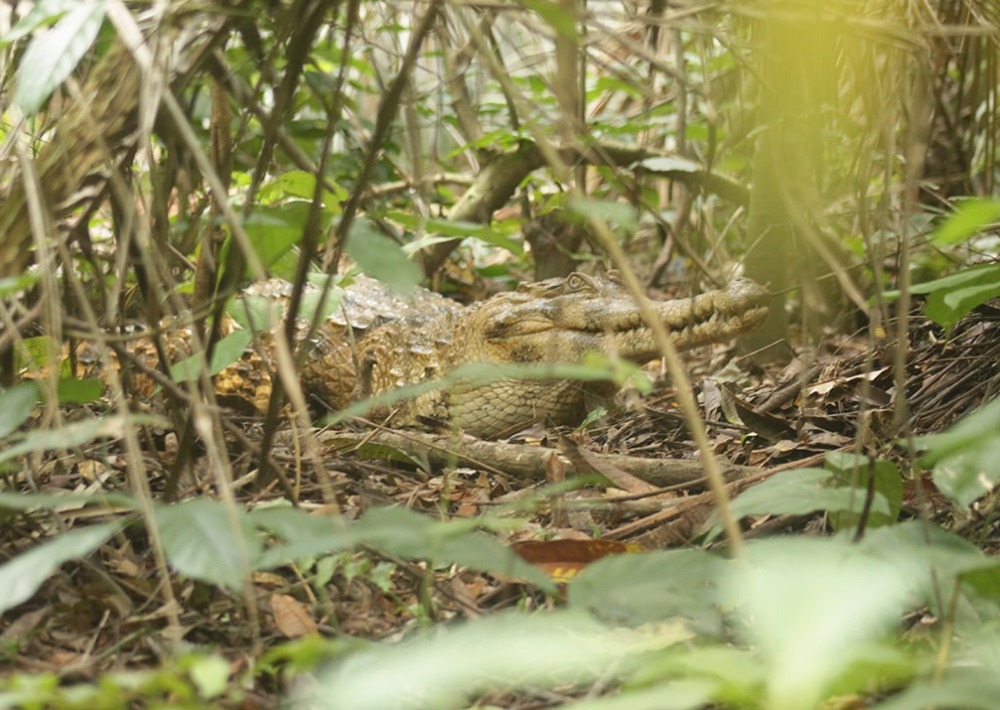
Among the most significant species is the critically endangered Miss Waldron’s Red Colobus, a primate believed to have a relict population surviving in the Ehy Forest (also known as Tanoé Forest) near the mouth of the Tano River into Ehy Lagoon, precisely at the border between Côte d’Ivoire and Ghana. This area is globally recognized as a top priority site for conservation in West Africa. In the Ghanaian section of the basin, other species of international conservation concern include the Critically Endangered West African slender-snouted crocodile, the Critically Endangered hinge-backed tortoise, the Endangered White-bellied pangolin, and the Vulnerable West African dwarf crocodile. The region also supports a vibrant avian population, with 162 bird species identified. Similarly, the Tanoé-Ehy Swamp Forest in Côte d’Ivoire hosts other endangered primates such as the Roloway monkey and White-thighed colobus, the Vulnerable Olive colobus, and at least 33 endemic and/or threatened plant species, alongside two endemic fish species.
Significant conservation efforts are already underway. The Tanoé-Ehy Swamp Forest in southeastern Côte d’Ivoire achieved a landmark designation in December 2021 as the country’s first voluntary nature reserve, a pioneering community-led conservation initiative supported by the Regional Council and international partnerships. In Ghana, organizations like the Threatened Species Conservation Alliance (THRESCOAL) are actively engaged in restoring degraded riparian ecosystems along the Tano River, having successfully replanted over 30 hectares with a goal of restoring over 350 hectares. There are also ongoing initiatives to establish a community hippopotamus sanctuary on the Tano River, aimed at biodiversity conservation and eco-tourism promotion, with platforms already erected on the river and trails constructed to facilitate observation.
The presence of critically endangered species such as Miss Waldron’s Red Colobus and the slender-snouted crocodile elevates the Tano River basin beyond a general ecotourism destination; it is a high-priority conservation tourism site. This specific characteristic allows for the development of specialized, high-value ecotourism packages that can attract niche markets, including primatologists, dedicated birdwatchers, and conservationists, who are often willing to pay a premium for unique, impactful experiences. This approach can unlock significant funding from international conservation bodies and philanthropic organizations, directly channeling resources towards species recovery and habitat protection. The demonstrated success of community-led conservation initiatives in the region provides a viable model for integrating local livelihoods with environmental protection, thereby addressing the common challenge of balancing economic development with conservation goals. This integration fosters a powerful economic incentive for conservation, ensuring that local communities become active stewards of their natural heritage.
Table 1: Key Natural Attractions and Their Potential (Ghana & Côte d’Ivoire)
| Attraction Name | Location (Country/Region) | Key Features | Tourism Potential | Conservation Status/Needs | Relevant Snippet IDs |
| Tano River (General) | Ghana & Côte d’Ivoire | Gentle currents, verdant forests, diverse flora/fauna, birdwatching | General Nature Tourism, Canoeing, Picnicking | Pollution from illegal mining, habitat degradation | |
| Ehy/Tanoé Forest | Côte d’Ivoire & Ghana | Critically Endangered Miss Waldron’s Red Colobus, Roloway monkey, White-thighed colobus, endemic plants | High-value Ecotourism, Conservation Tourism, Research | Critically Endangered, habitat loss (oil palm, logging) | |
| Tano River Riparian Ecosystem | Ghana | 162 bird species, Critically Endangered West African slender-snouted crocodile, hinge-backed tortoise, Endangered White-bellied pangolin, Vulnerable West African dwarf crocodile | High-value Ecotourism, Birdwatching, Wildlife Photography | Critically Endangered, over 80% riparian vegetation converted to farms | |
| Proposed Hippopotamus Sanctuary | Ghana (Tano River) | Resident hippo population adapted to high forest ecosystem, unique occurrence | Niche Ecotourism, Conservation Education | Protection of hippo population and habitat | |
| Îles Ehotilés National Park | Côte d’Ivoire (Aby Lagoon) | 128 bird species, mangroves, Ramsar site | Nature Tourism, Birdwatching, Lagoon Exploration | Protected area, part of Aby Lagoon complex | |
| Tanoboase Sacred Grove | Ghana (Techiman) | Sandstone rock formations, semi-deciduous forest, diverse plant/bird/butterfly species | Nature Tourism, Adventure Tourism (hiking, climbing) | Community-Based Ecotourism Project (CBEP) |
3.3. Profound Cultural and Historical Heritage
The Tano River is far more than a geographical feature; it is deeply interwoven with the cultural identity and historical narratives of the Akan people, particularly the Bono subgroup, offering profound opportunities for cultural tourism. In Akan mythology, the Tano River is revered as a sacred being, personified and worshipped, playing a central role in the Akan people’s understanding of nature and spirituality. It symbolizes the vital connection between humanity and the natural world, closely linked to agriculture, fertility, and the sustenance of life. Indigenous Bono beliefs hold that Taakora, the highest of the Bono gods on Earth, resides at the very source of the river. Oral traditions recount Bonoman as the first centralized Akan state, with its capital Bono Manso founded by a leader who emerged from a sacred cave near modern-day Techiman.
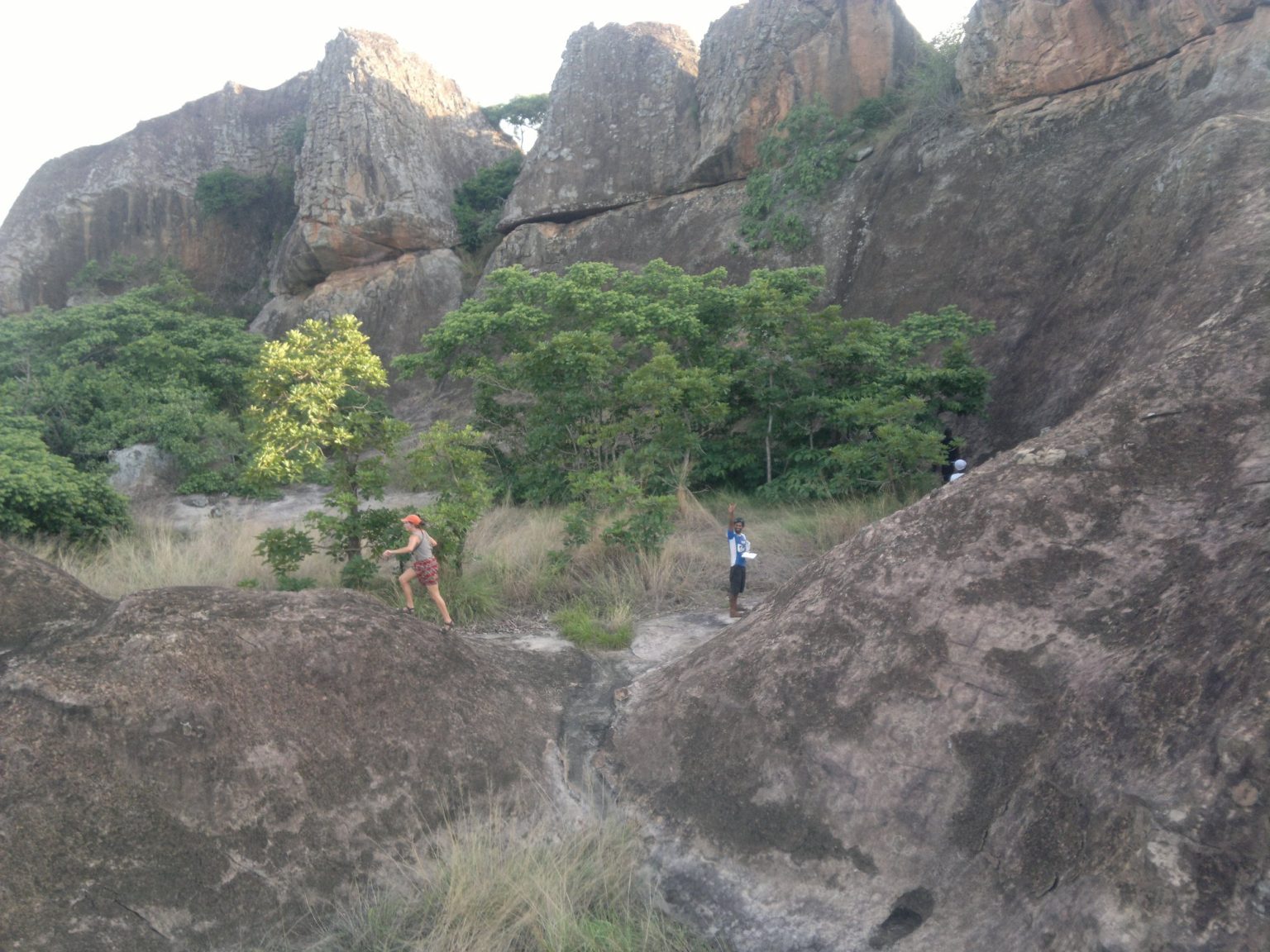
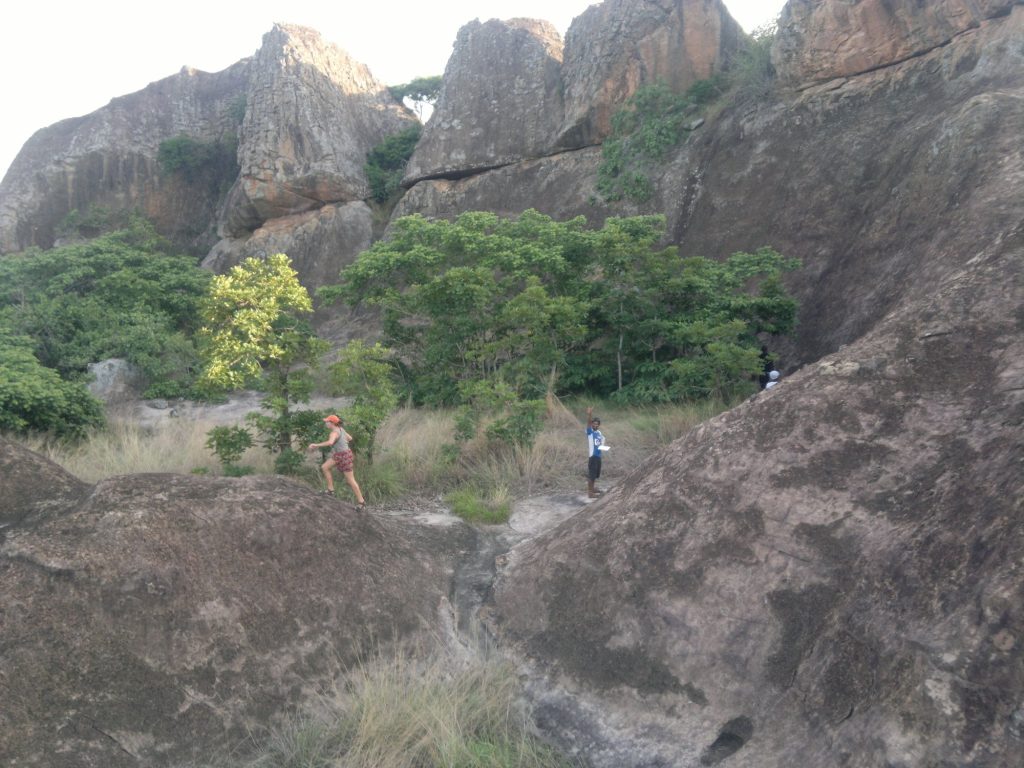
Among the most significant cultural sites is the Tanoboase Sacred Grove and Shrine, located near the village of Tanoboase in Ghana. This site is believed to be the cradle and traditional home of the Bono people and is considered an abode for local gods and ancestral spirits. Historically, the grove served as a critical hideout during the slave trade and inter-tribal wars, adding layers of historical depth to its spiritual significance. Recognizing its value, the grove was designated a Community-Based Ecotourism Project (CBEP) in 1996. It is also the venue for the annual Apoo festival, a significant event for spiritual cleansing held in April or May. Archaeological investigations at nearby sites like Asantemanso and Adansemanso further corroborate continuous forest settlement from at least the 9th century CE, providing tangible links to the region’s ancient past.
The deep spiritual and historical significance of the Tano River to the Akan and Bono people provides a unique and authentic cultural tourism offering that extends far beyond generic cultural displays. This profound connection fosters a natural inclination among local communities to protect and revere the river, creating a powerful alignment between cultural preservation and environmental conservation. When visitors engage with sites and traditions that are genuinely sacred and historically meaningful to the local populace, the experience becomes more immersive and respectful. This approach not only enriches the tourist’s understanding but also empowers local communities to share their heritage on their own terms, ensuring cultural integrity and direct economic benefits. This symbiotic relationship reinforces the long-term sustainability of the tourism product by embedding it within the very fabric of local identity and stewardship.
Table 2: Key Cultural & Historical Sites and Their Potential (Ghana & Côte d’Ivoire)
| Site Name | Location (Country/Region) | Cultural/Historical Significance | Potential Activities | Community Involvement | Relevant Snippet IDs |
| Tanoboase Sacred Grove and Shrine | Ghana (Techiman, Bono East Region) | Cradle of Bono people, abode of gods/spirits, hideout during wars, site of Apoo festival | Guided tours, cultural storytelling, festival participation, hiking, rock climbing | Community-Based Ecotourism Project (CBEP) since 1996 | |
| Tano River Source | Ghana (Pooyem, Techiman) | Believed abode of Taakora, highest Bono god | Spiritual journeys, cultural ceremonies (observational) | Deep reverence by locals | |
| Historic Town of Grand-Bassam | Côte d’Ivoire (Comoé District) | First French colonial capital, UNESCO World Heritage Site, N’zima fishing village | Architectural tours, historical walks, cultural workshops, local craft markets | Efforts to balance conservation with local livelihoods | |
| Akan Cultural Sites (General) | Ghana & Côte d’Ivoire | Rich regalia, traditional chieftaincy, festivals, handicrafts, matrilineal descent | Cultural immersion, festival observation, craft workshops, historical tours | Strong cultural identity, traditional practices |
3.4. Existing Tourism Landscape and Infrastructure
An assessment of the current tourism facilities, policies, and accessibility within the Tano River basin and its relevant surrounding regions reveals both foundational strengths and significant limitations.
Ghana: The Government of Ghana has demonstrated a clear commitment to tourism development through its 15-Year National Tourism Development Plan (2013-2027), which aims to position the sector as a consistent driver of economic growth, employment, revenue generation, and environmental conservation. The Ministry of Tourism, Arts & Culture (MoTAC) and the Ghana Tourism Authority (GTA) are actively promoting sustainable tourism practices, eco-tourism, and community-based initiatives as part of their strategic objectives. Notably, the Tano-Boase Grove and Heritage Site has received specific upgrades under the Tourism Product Development Programme, indicating targeted investment in the basin. In terms of infrastructure, Ghana’s transportation networks are primarily concentrated in the southern regions. Techiman, a town close to the Tano’s source, offers reasonably priced hotel and guesthouse accommodations, providing a base for exploring the upper reaches of the river. The Tano River itself is navigable for 168 kilometers by launches and lighters, suggesting existing capacity for riverine transport. However, persistent challenges include inadequate access to some tourism sites, limited private investment in high-value tourism products, and notable regional disparities in tourism development. Current activities along the Tano River in Ghana include easy-difficulty canoeing (2-4 hours), birdwatching, and riverside picnicking. The Tanoboase Sacred Grove offers guided hikes, opportunities for moderate rock climbing, and cultural immersion experiences, such as observing local food preparation and village industries.
Côte d’Ivoire: Côte d’Ivoire has an ambitious national tourism strategy, “Sublime Côte d’Ivoire” (2018-2025), which aims to establish tourism as the third pillar of its economy, targeting 5 million foreign tourists and creating 700,000 jobs by 2025. This strategy emphasizes strengthening the Tourism Code, upgrading transport and infrastructure, developing new attractions, and improving administrative procedures, with a focus on promoting ecotourism and agro-tourism. Abidjan, the economic capital, serves as a major hub with modern hotels and a well-developed system of taxis and river transport on the Ébrié Lagoon. The Comoé District, where the Tano River’s mouth is located, shares a border with Ghana, highlighting the geographical contiguity. Grand-Bassam, a UNESCO World Heritage Site, has seen efforts to balance conservation with local livelihoods and enhance its appeal as a tourist destination. Despite these efforts, significant challenges persist, including poor road networks, particularly to the interior, which limit access to areas with tourism potential (with 92.1% of the country’s total road network unpaved). Limited health infrastructure and ongoing security concerns, sometimes leading to “red or orange zone” classifications and continuous closure of land borders, further impede tourism development. While specific Tano River tourism offerings are less detailed in the available information, the Aby Lagoon complex, where the Tano discharges, includes the protected Îles Ehotilés National Park, known for its diverse birdlife and mangroves. Broader Ivorian tourism encompasses cultural tours, sporting trips, ecotourism (e.g., Taï National Park, Banco National Park), and beach tourism along its extensive coastline.
The ambitious national tourism development plans in both Ghana and Côte d’Ivoire, coupled with their shared focus on sustainable and eco-tourism, provide a strong governmental foundation for a transboundary Tano River project. This policy alignment suggests a receptive environment for joint initiatives and investment, indicating a high-level political will to develop the sector sustainably. However, a recurring challenge in both nations is the “inadequate access to some tourism sites” and “poor road networks”. This consistent theme points to infrastructure investment, particularly in road and river transport, as a critical prerequisite for unlocking the Tano River’s full tourism potential. Addressing these bottlenecks is not merely an operational improvement; it is a strategic imperative that directly impacts the scalability and accessibility of any proposed tourism ecosystem, making it a priority area for targeted investment.
3.5. Critical Challenges and Environmental Threats
Despite its inherent potential, the Tano River basin faces severe environmental and socio-economic challenges that significantly threaten its ecological integrity and, consequently, its viability as a premier tourism destination.
Water Pollution: The most critical and visible threat is pervasive water pollution, primarily stemming from illegal mining activities, locally known as “galamsey”. This illicit activity has dramatically altered the river’s natural state, changing its color to a milky brown liquid, rendering it unsuitable for drinking, washing, and severely jeopardizing aquatic life. A specific incident in January 2020, where a truck carrying sulfuric acid plunged into the river, further exacerbated contamination concerns. This pollution has cross-border implications, as the contaminated Tano River discharges into Côte d’Ivoire’s Aby Lagoon, impacting water supply for Ivorian communities.
Habitat Degradation: Extensive logging and timber harvesting within the forest belt have significantly degraded the natural ecosystem. The conversion of natural forests into oil palm plantations poses another substantial threat, particularly evident in the Ehy Lagoon area. Furthermore, over 80% of the riparian vegetation in the upstream sections of the Tano River in Ghana has been converted into farms, leaving the remaining forest patches under severe threat.
Invasive Species: The proliferation of invasive water weeds, including water hyacinth, Kariba weed, and water lettuce, in the Tano/Aby/Ehy lagoon complex and along a 25-kilometer stretch of the river, obstructs navigation, fishing, and agricultural activities, posing significant challenges to local livelihoods and ecosystem health.
Socio-Economic Factors: While agriculture, particularly cocoa, plantain, cassava, maize, and oil palm cultivation, is the primary source of employment in the basin, supporting approximately 70% of the labor force , unsustainable agricultural methods and the expansion of cropland contribute to increased CO2 emissions. Illegal poaching for bushmeat also continues to contribute to the decline of endangered species in the region. Local factors such as land tenure uncertainties, seasonal fluctuations in tourism demand, and limited capacity building further hinder sustainable tourism development.
Governance and Security: Weak governance, political instability, a lack of transparency, and persistent security challenges, including “red or orange zone” classifications and the continuous closure of land borders, significantly impact tourism and impede effective cross-border cooperation.
The pervasive issue of illegal mining (galamsey), which causes severe water pollution, represents a fundamental barrier to any river-based tourism development. This is not merely an environmental problem; it is an economic and reputational crisis that directly undermines the core premise of a “touristic ecosystem” centered around a healthy river. If the river itself is rendered unusable or unappealing due to contamination, all other tourism investments will be severely compromised. Addressing this requires a multi-faceted approach involving stringent law enforcement, the development of viable alternative livelihoods for those currently engaged in illegal mining, and robust community engagement to foster a sense of stewardship. The fact that Ivorian authorities have formally complained about the pollution and that joint Ghana-Côte d’Ivoire committees have been formed to address the issue indicates that this is a recognized, high-level problem demanding urgent, coordinated governmental action. Without significant and sustained progress in environmental remediation, particularly the cessation of illegal mining, other tourism investments will yield limited returns.
Table 3: Summary of Environmental Challenges and Proposed Mitigation Measures
| Challenge | Specific Impact on Tourism | Proposed Mitigation Measure | Relevant Snippet IDs |
| Water Pollution (Illegal Mining/Galamsey) | Renders river unusable for recreation/drinking, jeopardizes aquatic life, damages aesthetic appeal, impacts cross-border relations. | Strict enforcement & regulation, deployment of security personnel, alternative livelihoods for miners, community task forces, cross-border cooperation. | |
| Habitat Degradation (Logging, Plantations, Farming) | Loss of biodiversity, destruction of natural landscapes, reduced ecotourism appeal, impacts endangered species habitats. | Reforestation & riparian zone restoration, promotion of sustainable agriculture, community-led conservation (e.g., voluntary nature reserves), land-use planning. | |
| Invasive Water Weeds (Hyacinth, Kariba, Lettuce) | Obstructs river navigation, fishing, impacts water quality, reduces aesthetic appeal. | Integrated Water Resources Management Plan, mechanical removal, research into utility of weeds for livelihoods (e.g., artifacts, fertilizer). | |
| Unsustainable Socio-Economic Practices (Poaching, Farming) | Decline of endangered species, environmental degradation, conflict with conservation goals. | Community empowerment and training in alternative livelihoods (e.g., snail farming, beekeeping), environmental education, anti-poaching measures. | |
| Infrastructure Gaps & Accessibility | Limits access to tourism sites, hinders development of diverse offerings, increases travel time/cost. | Investment in road networks (paving, last-mile), development of reliable river transport, improved digital connectivity. | |
| Governance & Cross-Border Issues | Lack of coordinated management, political instability, border closures, visa complexities. | Joint boundary committees, harmonized tourism policies, streamlined visa processes, open land borders, enhanced security cooperation. |
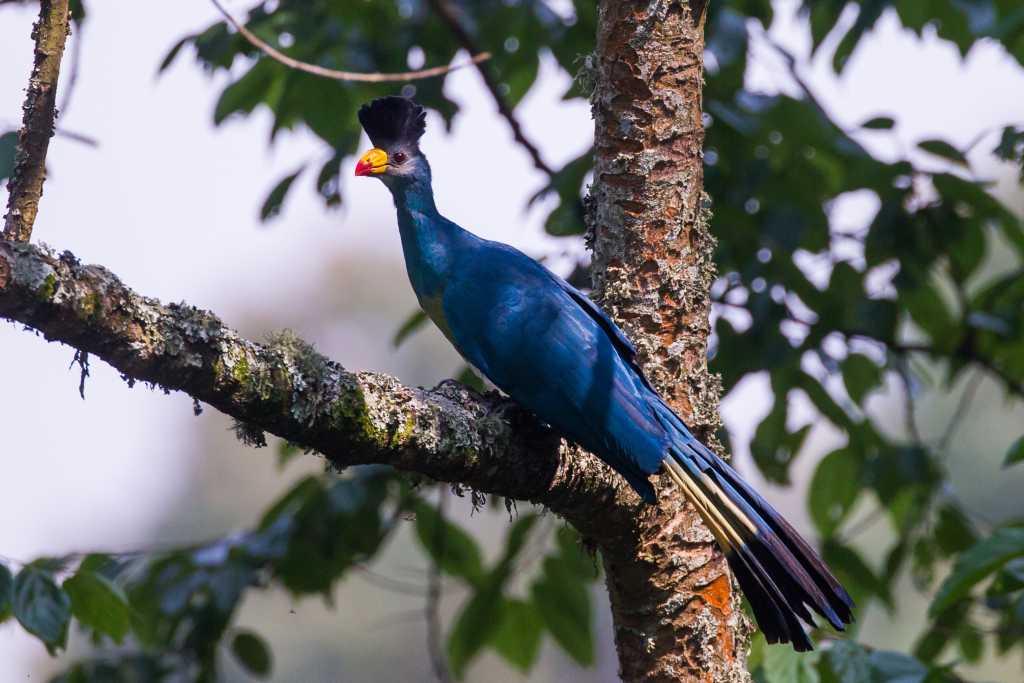
4. Strategic Vision for a Transboundary Touristic Ecosystem
The overarching vision for the Tano River touristic ecosystem is to establish it as a premier transboundary destination, grounded in principles that ensure its long-term viability, benefit local communities, and foster regional cooperation.
4.1. Core Principles
Sustainability & Environmental Stewardship: This ecosystem will prioritize responsible travel that actively conserves the natural environment, protects fragile ecosystems, and minimizes negative impacts from human activity. This commitment extends to promoting clean energy solutions, utilizing local and recyclable materials in construction, and implementing robust waste management practices. The aim is to ensure that all tourism-related exploitation occurs at an optimal level, allowing for the continuous preservation and regeneration of natural resources, thereby safeguarding them for future generations.
Community Empowerment & Local Livelihoods: A cornerstone of this vision is ensuring that tourism directly benefits the local communities residing within the Tano River basin. This involves creating sustainable job opportunities, providing comprehensive training in hospitality and tourism skills, and fostering alternative livelihoods such as bamboo craft making, snail farming, and beekeeping. Active participation of communities in tourism planning and management is crucial, as it fosters a deep sense of ownership and responsibility for environmental protection. When communities are direct beneficiaries and active participants, they become inherent stewards of their environment, reducing pressures from illegal activities like mining or poaching and fostering a sense of ownership over the tourism assets. This creates a more resilient and authentic tourism product. This approach also includes respecting and integrating local culture and traditions into the tourism experience.
Cross-Border Collaboration & Regional Integration: Given the Tano River’s transboundary nature, fostering strong cooperation between Ghana and Côte d’Ivoire is paramount. This collaboration will focus on joint management of shared resources, harmonized policies, and the creation of seamless travel experiences for visitors. Promoting interregional cooperation for economic and social development through biodiversity management is a key objective, recognizing that shared environmental and economic goals can strengthen regional ties.
Authenticity & Cultural Preservation: The ecosystem will highlight the profound and unique cultural heritage of the Akan and Bono people, showcasing their sacred sites, historical narratives, and vibrant traditional practices. The goal is to offer deep, respectful cultural immersion experiences, ensuring that these traditions are preserved and presented authentically. This approach aims to minimize any undesired interactions between tourists and local culture, fostering mutual respect and appreciation.
4.2. Key Pillars of Development
The strategic development of the Tano River touristic ecosystem will be built upon several interconnected pillars:
- Nature-Based Tourism: This pillar will leverage the basin’s rich biodiversity, verdant forests, and serene riverine landscapes. It will focus on ecotourism activities, including wildlife observation of rare and endangered species, and adventure activities such as hiking and canoeing.
- Cultural Heritage Tourism: This pillar will showcase the profound Akan and Bono traditions, sacred sites, historical narratives, and vibrant festivals, offering visitors deep cultural immersion experiences.
- Agro-Tourism & Rural Experiences: This pillar will integrate visits to commercial farms cultivating cocoa, plantain, and other crops, providing insights into local agricultural practices. It will also offer opportunities to learn about traditional food preparation, engage with village industries, and support alternative livelihoods initiatives.
- Wellness & Retreat Tourism: Capitalizing on the tranquil and unspoiled river environment, this pillar will focus on offering opportunities for relaxation, nature-based wellness, and peaceful escapes, potentially through the development of eco-lodges and dedicated retreat facilities.
- Adventure Tourism: This pillar will provide a range of active experiences, including canoeing on the river’s gentle currents, hiking along established nature trails, and optional moderate rock climbing in areas such as the Tanoboase Sacred Grove.
5. Proposed Touristic Packages, Sites, and Tours
This section outlines specific, actionable touristic packages and highlights key sites along the Tano River basin, designed to offer diverse experiences for various traveler segments.
5.1. Eco-Adventure Trails
- River Expeditions: Guided canoe trips will be offered along the Tano River, particularly focusing on less polluted upstream sections in Ghana, where the currents are gentle and the backdrop is verdant. These tours will emphasize scenic beauty, birdwatching opportunities, and provide insights into traditional Ghanaian riverine life, highlighting the deep reverence locals hold for the river. In Côte d’Ivoire, boat tours will explore the Aby Lagoon complex, including visits to the protected Îles Ehotilés National Park, renowned for its diverse birdlife (128 species) and extensive mangroves. Opportunities for motor boating and fishing activities can also be integrated.
- Wildlife Encounters & Birdwatching:
- Ehy/Tanoé Forest (Côte d’Ivoire/Ghana Border): Highly controlled, low-impact tours will be developed to observe the relict population of the critically endangered Miss Waldron’s Red Colobus and other endangered primates such as the Roloway monkey and White-thighed colobus. This area is recognized as a top priority site for conservation in West Africa , making these encounters particularly valuable for conservation-minded travelers.
- Tano River Riparian Ecosystem (Ghana): Dedicated birdwatching tours will be promoted, as the riverbanks serve as a haven for numerous rare and migratory birds, with 162 bird species identified in the broader ecosystem. Opportunities also exist for spotting the Critically Endangered West African slender-snouted crocodile, the Critically Endangered hinge-backed tortoise, the Endangered White-bellied pangolin, and the Vulnerable West African dwarf crocodile.
- Hippopotamus Sanctuary (Ghana): Tours will be developed to observe the resident hippopotamus population within the proposed community-managed sanctuary, highlighting their unique adaptation to the high forest ecosystem and their successful reproduction.
- Hiking & Nature Trails: The Tanoboase Sacred Grove in Ghana offers guided hikes through a semi-deciduous forest, allowing exploration of striking sandstone rock formations, ancient caves (historically used as hideouts during tribal wars and slave raids), and observation of a variety of plant, tree, bird, and butterfly species. Opportunities for optional moderate rock climbing to panoramic overlooks, historically used during the Ashanti-Bono wars, will also be available.
The specific identification of critically endangered species, such as Miss Waldron’s Red Colobus and various reptiles, elevates general “wildlife viewing” to a unique, high-value, and conservation-driven ecotourism product. This specialization attracts a niche market of travelers, including dedicated primatologists, researchers, and conservationists, who are often willing to pay a premium for such rare and impactful experiences. This direct economic contribution can then be channeled towards species recovery and habitat protection, creating a powerful economic incentive for conservation efforts. The global interest in “lost species” initiatives further amplifies the potential for attracting both tourists and funding to these critical areas.
5.2. Cultural Immersion Journeys
- Sacred Sites & Spiritual Journeys:
- Tanoboase Sacred Grove and Shrine (Ghana): Visitors can explore the believed cradle of the Bono people, a site considered home to powerful Ashanti gods and ancestral spirits. The experience will include learning about indigenous conservation practices and oral traditions that link the Bono people to the rock caves and the deity Taakora.
- Tano River Source (Ghana): A journey to the believed abode of Taakora, the highest Bono god, at the source of the Tano River, will offer a unique spiritual dimension to the tour.
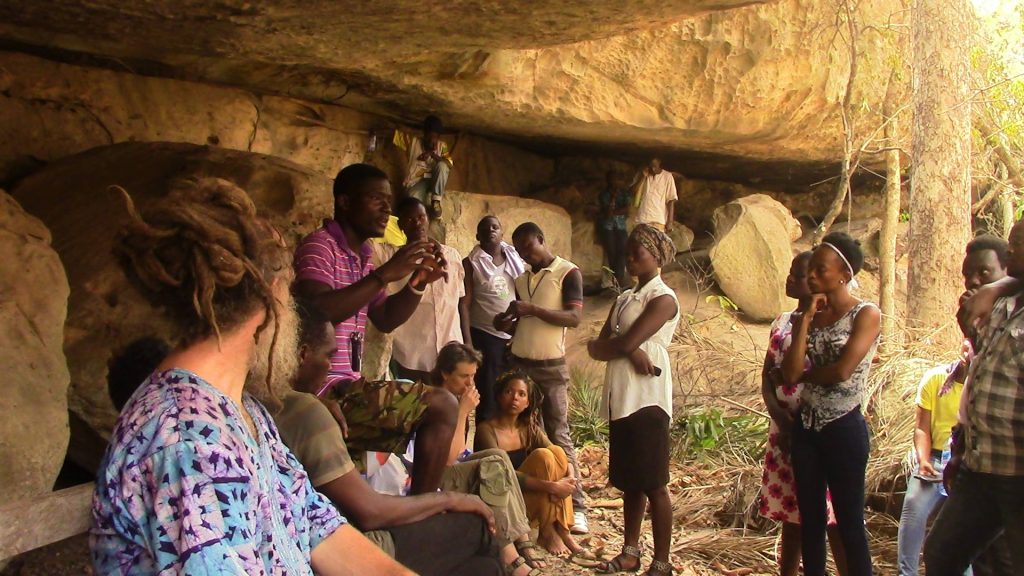
- Traditional Village Experiences: Opportunities will be provided to engage with the friendly people of Tanoboase village and other communities within the Tano basin. This will involve observing daily life, visiting local farms, homes, and schools, and witnessing traditional food preparation and village industries. Guests can also immerse themselves further by hearing traditional songs and stories, offering an authentic glimpse into local culture. The broader Akan culture, with its unique attributes such as royal matrilineal descent, rich regalia, colorful festivals, and diverse handicrafts, will be integrated into these experiences.
- Historical Exploration: Tours will delve into the historical significance of sites like Tanoboase Grove, which served as hideouts during tribal wars and slave raids, providing a poignant understanding of the region’s past. In Côte d’Ivoire, the Historic Town of Grand-Bassam, a UNESCO World Heritage Site and the first French colonial capital (established in the 1880s), offers a glimpse into late 18th and early 20th-century architecture and the indigenous N’zima African fishing village.
- Festivals: Promote participation in or observation of the annual Apoo festival, a significant event for spiritual cleansing held in April or May at the Tanoboase Sacred Grove. The colorful pageantry of Ghana’s many festivals will be highlighted as a rich and vibrant cultural experience.
The integration of sacred sites and traditional practices into cultural tours offers a deeper, more meaningful experience for visitors compared to generic cultural visits. This approach fosters genuine respect for local beliefs and can encourage local communities to actively participate in and benefit from tourism, rather than feeling exploited or commercialized. By focusing on the Tano River’s profound spiritual significance and the rich Akan/Bono cultural heritage, the experience becomes more authentic and transformative. This also empowers local communities to share their heritage on their own terms, ensuring cultural integrity and direct economic benefit, which is a core tenet of sustainable tourism.
5.3. Agro-Tourism & Local Livelihoods
- Farm Visits & Crop Experiences: Organize visits to commercial cocoa and plantain farms within the Tano basin , offering immersive insights into agricultural practices and the vital role these crops play in local livelihoods. Given Côte d’Ivoire’s status as a major producer of high-quality cocoa and coffee, there is significant potential for developing “cocoa-route excursions” that include on-site tastings and processing demonstrations. Opportunities for tourists to learn about and taste traditional Ghanaian meals and local delicacies, potentially through interactive cooking classes or shared meals with local families, will also be offered.
- Community Industries: Support and promote local artisans involved in traditional crafts, such as the bamboo craft making initiatives already underway for unemployed youth.
- Alternative Livelihoods: Showcase and support initiatives like snail farming, beekeeping, and grass cutter farming as viable alternative income sources for communities. This approach aims to reduce reliance on environmentally damaging practices, such as illegal mining, by demonstrating the economic value of integrated, responsible practices tied to tourism.
Integrating agro-tourism with the existing agricultural dominance of the Tano basin provides a direct economic benefit to local communities and diversifies the tourism offering. This approach can help mitigate the issue of agricultural encroachment into protected areas by illustrating that sustainable farming practices can be economically viable and directly linked to tourism revenue. By making agriculture part of the tourism experience, a positive feedback loop is created where local farmers become stakeholders in the tourism ecosystem, fostering a greater commitment to environmental stewardship.
5.4. Wellness & Retreats
- Riverside Picnicking & Relaxation: Designate and develop serene spots along the Tano River’s banks for tranquil picnics and relaxation, emphasizing the unspoiled environment and peaceful ambiance.
- Nature-Based Accommodation: Encourage the development of eco-lodges and sustainable retreats that seamlessly blend with the natural environment. These accommodations will offer a “disconnection from the fast pace of the everyday and a deeper connection with the environment”. Existing models, such as the Meet Me There Eco Lodge in Ghana, demonstrate successful examples of eco-friendly and community-supporting accommodation that can serve as blueprints.
The descriptions of the Tano River as a “serene escape” and a place for a “tranquil day out” naturally suggest a strong potential for developing wellness and retreat tourism. This segment typically attracts higher-spending tourists seeking unique, peaceful experiences that prioritize relaxation and connection with nature. By offering a different type of experience than active adventure or intense cultural immersion, wellness tourism can appeal to a broader demographic, providing a complementary and potentially higher per-visitor revenue stream through specialized accommodations and services.
5.5. Cross-Border Itineraries
To fully realize the vision of a transboundary touristic ecosystem, the development of seamless cross-border itineraries is essential.
- “Tano River Discovery Trail”: A multi-day itinerary could begin in Ghana (e.g., Techiman, Tanoboase) to explore the river’s source, sacred sites, and upstream communities. The journey would then transition to the border region (e.g., Elubo/Noé) and continue into Côte d’Ivoire to explore the Ehy/Aby Lagoon complex, Îles Ehotilés National Park, and potentially connect to the Historic Town of Grand-Bassam. This package would uniquely highlight the shared cultural and natural heritage of the Tano basin across national borders.
- “West African Biodiversity Corridor”: A specialized, high-value tour could focus specifically on conservation efforts and endangered species across the Tano River basin. This would involve immersive interactions with local researchers and conservationists from both countries, including visits to the Tanoé-Ehy Swamp Forest and the proposed hippo sanctuary. This package would appeal to a niche market of conservation-minded travelers.
- Logistics & Facilitation: The successful implementation of these cross-border itineraries relies heavily on streamlined visa processes. Ghana has already implemented visa liberalization policies, and Côte d’Ivoire is also working on similar initiatives. Furthermore, improved and open land border crossings are crucial for seamless movement. Coordinated transport services, including reliable river boats, enhanced road networks, and potentially domestic flights connecting key hubs, will be vital to facilitate efficient travel between the two countries.
The explicit transboundary nature of the Tano River mandates the creation of seamless cross-border itineraries. This approach offers a unique regional tourism product that significantly differentiates it from single-country offerings, appealing to travelers seeking diverse experiences and a deeper understanding of West Africa’s interconnected cultural and natural landscapes. However, the success of these ambitious regional products relies heavily on overcoming existing logistical and political barriers, such as complex visa procedures, intermittent border closures, and a lack of coordinated transport infrastructure. Addressing these challenges is not merely an operational detail but a strategic imperative for unlocking the full potential of a truly integrated transboundary tourism ecosystem.
Table 4: Proposed Touristic Packages and Target Segments
| Package Name | Theme | Key Sites/Activities | Target Tourist Segment | Estimated Duration | Cross-Border Elements | Unique Selling Points |
| Tano River Discovery Trail | Eco-Adventure & Cultural Immersion | Tano River source (Ghana), Tanoboase Sacred Grove (Ghana), Elubo/Noé border crossing, Aby Lagoon complex (Côte d’Ivoire), Îles Ehotilés National Park (Côte d’Ivoire), Grand-Bassam (Côte d’Ivoire). Canoeing, hiking, village visits, historical tours. | Cultural Enthusiasts, Adventure Seekers, Families, General Tourists | 5-7 Days | Seamless travel between Ghana and Côte d’Ivoire along the river and coast. | Comprehensive exploration of shared natural and cultural heritage across two nations. |
| West African Biodiversity Corridor | High-Value Ecotourism & Conservation | Ehy/Tanoé Forest (Ghana/Côte d’Ivoire), proposed Hippopotamus Sanctuary (Ghana), Tano River riparian zones. Wildlife tracking, birdwatching, interaction with conservationists/researchers, sustainable eco-lodges. | Conservationists, Researchers, Birdwatchers, High-End Ecotourists | 7-10 Days | Focus on transboundary endangered species and joint conservation efforts. | Direct contribution to critical conservation, rare wildlife viewing (Miss Waldron’s Red Colobus). |
| Akan Heritage & Livelihoods | Cultural Immersion & Agro-Tourism | Tanoboase Sacred Grove (Ghana), Techiman markets, local cocoa/plantain farms (Ghana), traditional villages, artisan workshops (Ghana/Côte d’Ivoire). Festival participation (Apoo), cooking classes, craft making, farm-to-table experiences. | Cultural Enthusiasts, Responsible Travelers, Foodies, Community-Focused Tourists | 3-5 Days | Shared Akan cultural roots, potential for cross-border artisan exchange. | Authentic engagement with indigenous communities, hands-on cultural and agricultural experiences. |
| Tano River Wellness Retreat | Wellness & Nature Escape | Secluded riverside locations along Tano River (Ghana/Côte d’Ivoire), eco-lodges, Aby Lagoon shores. Picnicking, gentle canoeing, birdwatching, nature walks, relaxation. | Wellness Seekers, Couples, Nature Lovers, Those seeking tranquility | 3-4 Days | Utilization of the tranquil transboundary river environment. | Peaceful immersion in unspoiled nature, focus on relaxation and reconnection. |
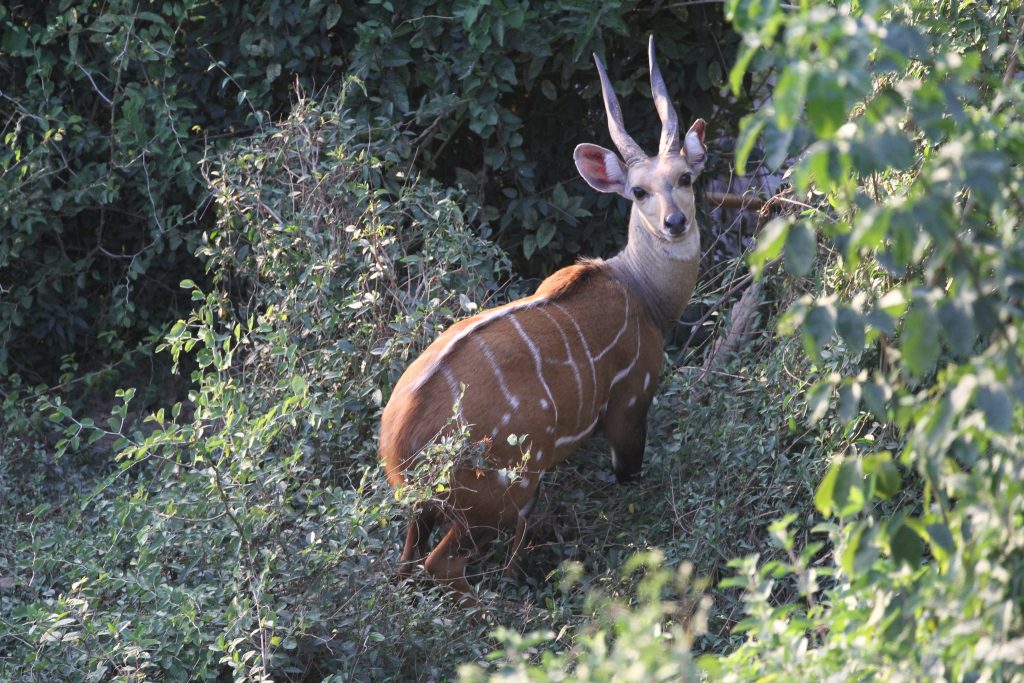
6. Investment Opportunities and Enabling Environment
Realizing the comprehensive vision for the Tano River touristic ecosystem requires substantial investment across various sectors, underpinned by strategic public-private partnerships and a supportive policy and infrastructure environment.
6.1. Public-Private Partnership Models
The development of the Tano River tourism ecosystem offers fertile ground for diverse public-private partnership (PPP) models. Joint ventures between local communities, domestic businesses, and international investors are highly encouraged for the development and management of tourism facilities and services. This approach aligns well with Ghana’s National Tourism Policy (2006), which explicitly promotes participation and inclusiveness in tourism development through private sector involvement.
Furthermore, supporting and scaling up existing community-based ecotourism projects (CBEPs), such as the successful Tanoboase Sacred Grove initiative , is paramount. This includes providing targeted training and seed funding for local entrepreneurs in areas like bamboo craft making, snail farming, and beekeeping, which represent viable alternative livelihoods. The demonstrated success of community-led conservation efforts in the Tanoé-Ehy Swamp Forest provides a proven model for public-private partnerships that effectively integrate local communities. This integration significantly reduces investment risk by ensuring strong local buy-in and fostering long-term sustainability, making projects inherently more attractive to impact investors and development funds. By building upon these established and successful community-based models, the project can demonstrate a lower risk profile and a higher likelihood of sustained success, as local communities are already engaged and possess a vested interest in the preservation of their natural and cultural assets.
Opportunities also exist for private sector investment in critical infrastructure through concessions or build-operate-transfer (BOT) models. This could include the development of eco-lodges, comprehensive transport networks, and advanced waste management facilities.
6.2. Infrastructure Development Needs
Addressing the persistent infrastructure gaps is not merely a matter of operational improvement but a critical prerequisite for unlocking the Tano River’s full tourism potential and ensuring the scalability of tourism initiatives.
- Road Networks: Urgent investment is required for improving and expanding road access to key tourism sites, particularly in the interior regions of both Ghana and Côte d’Ivoire. The current poor road networks, with 92.1% unpaved in Côte d’Ivoire, severely limit access and prevent the diversification of tourism offerings. This includes developing last-mile connectivity to remote natural and cultural sites like Tanoboase.
- River Transport: Development of reliable, safe, and eco-friendly river transport systems, including modern boat services, well-equipped jetties, and accessible terminals, is essential to facilitate seamless movement along the Tano River and its associated lagoons. This infrastructure will enhance the “river expedition” packages, catering to both tourist-specific services and improved local transport that visitors can utilize.
- Accommodation: Investment is needed across a range of accommodation options, from high-end eco-lodges that blend with the natural environment to community-run guesthouses, especially in areas currently lacking sufficient facilities. Côte d’Ivoire’s “Sublime Côte d’Ivoire” strategy already includes plans for new hotel establishments and holiday villages, indicating a supportive policy environment for such investments.
- Water and Sanitation Infrastructure: Critical investment in improving access to safe drinking water and sanitation services for communities along the Tano River basin is fundamental. This is not only a humanitarian imperative but also vital for ensuring tourist health and protecting the fragile riverine environment. Côte d’Ivoire, in particular, faces challenges in meeting Millennium Development Goals for sanitation, highlighting the urgency of this need.
- Waste Management: The development of robust waste management and recycling systems is crucial to mitigate pollution, especially in sensitive riverine and lagoon environments. Marine debris, for instance, has significant economic impacts on tourism-dependent communities, underscoring the necessity of effective waste management strategies.
- Digital Connectivity: Enhanced digital platforms and reliable internet access are necessary to support modern marketing efforts, streamline bookings, and ensure seamless tourist experiences. This aligns with Ghana’s ongoing digitalization of tourism services.
6.3. Policy and Regulatory Framework
A robust and harmonized policy and regulatory framework is essential to attract and protect investments in the transboundary Tano River tourism ecosystem.
- Harmonized Transboundary Policies: The establishment of joint management bodies and the harmonization of policies between Ghana and Côte d’Ivoire are crucial for effective border control, streamlined visa policies, and the overall facilitation of cross-border tourism. This includes ensuring open land borders to promote trade and tourism.
- Environmental Protection & Enforcement: Stronger enforcement mechanisms are needed to combat illegal mining and ensure sustainable land use practices across the basin. This includes the implementation of Integrated Water Resources Management Plans to address challenges like water weed proliferation.
- Investment Incentives: Governments should offer clear and attractive investment incentives, such as tax exemptions on imported equipment and materials for tourism facilities, to encourage private sector participation.
- Capacity Building & Human Resource Development: Continuous investment in training and skills development for tourism professionals and local communities is vital to ensure high-quality service delivery and empower local participation in the tourism value chain.
The policy alignment between Ghana’s National Tourism Development Plan and Côte d’Ivoire’s “Sublime Côte d’Ivoire” strategy creates a favorable investment climate, demonstrating governmental commitment to the sector. However, a significant gap often exists between policy formulation and practical implementation, particularly concerning environmental enforcement and infrastructure development. This highlights the critical need for robust regulatory frameworks, consistent action, and effective monitoring to attract and safeguard investments, ensuring that the ambitious policy goals translate into tangible, sustainable tourism development.
7. Conclusions and Recommendations
The Tano River Basin, spanning Ghana and Côte d’Ivoire, holds immense, yet largely unrealized, potential for a unique transboundary touristic ecosystem. Its rich tapestry of natural biodiversity, including critically endangered species, coupled with a profound cultural and historical heritage rooted in the Akan and Bono traditions, offers a compelling proposition for diverse tourism experiences. The existing national tourism policies in both countries demonstrate a strong governmental will to develop the sector sustainably, providing a foundational advantage.
However, the realization of this vision is contingent upon decisively addressing critical challenges. The pervasive water pollution from illegal mining activities represents the most immediate and significant threat, undermining the very essence of a river-centric tourism product. Furthermore, inadequate infrastructure, particularly in road and river transport, and limitations in water and sanitation services, currently impede accessibility and the quality of visitor experience.
Based on this comprehensive analysis, the following actionable recommendations are critical for developing a sustainable and economically viable touristic ecosystem around the Tano River:
- Prioritize Environmental Remediation and Protection:
- Intensify Anti-Illegal Mining Efforts: Implement and rigorously enforce bi-national strategies to eradicate illegal mining (galamsey) across the entire Tano River basin. This must involve coordinated law enforcement, robust monitoring, and severe penalties.
- River Restoration Programs: Launch and fund comprehensive river clean-up and restoration initiatives to improve water quality and restore aquatic ecosystems.
- Habitat Conservation: Strengthen the protection of remaining forest cover, particularly riparian zones and critical habitats like the Ehy/Tanoé Forest. Support and expand community-led conservation efforts, building on successful models.
- Invest in Critical Infrastructure Development:
- Enhance Accessibility: Prioritize investment in improving and paving road networks leading to key tourism sites, including last-mile connectivity to remote natural and cultural attractions.
- Develop River Transport Infrastructure: Establish safe, reliable, and eco-friendly river transport services, including modern boats, well-maintained jetties, and passenger terminals, to facilitate seamless movement along the Tano and its lagoons.
- Improve Basic Services: Invest in robust water supply, sanitation, and waste management systems in and around tourism-focused communities to ensure public health and environmental integrity.
- Foster Genuine Community-Led Tourism and Alternative Livelihoods:
- Empower Local Communities: Ensure direct economic benefits for local communities through job creation, training in tourism and hospitality skills, and the development of community-owned tourism enterprises.
- Promote Alternative Income Streams: Actively support and scale up initiatives for alternative livelihoods (e.g., bamboo crafts, snail farming, beekeeping) to reduce reliance on environmentally damaging activities like illegal mining and unsustainable agriculture.
- Integrate Cultural Authenticity: Develop cultural tourism packages that genuinely respect and integrate local traditions, sacred sites, and festivals, ensuring that communities are active participants and beneficiaries, not merely spectacles.
- Strengthen Transboundary Cooperation and Policy Harmonization:
- Establish Joint Management Authority: Create a formal, empowered bi-national Tano River Basin Tourism Authority to coordinate planning, development, marketing, and conservation efforts across Ghana and Côte d’Ivoire.
- Streamline Cross-Border Processes: Work towards harmonized visa policies, open land borders, and simplified customs procedures to facilitate seamless tourist movement between the two countries.
- Joint Marketing and Promotion: Develop a unified branding and marketing strategy for the “Tano River Transboundary Touristic Ecosystem” to attract international visitors, highlighting its unique regional offerings.
- Target Niche, High-Value Tourism Segments:
- Conservation Tourism: Develop specialized tours focused on critically endangered species (e.g., Miss Waldron’s Red Colobus, slender-snouted crocodile) and conservation efforts, appealing to high-value ecotourists and researchers willing to contribute to conservation.
- Cultural Immersion: Promote deep dives into Akan and Bono spiritual and historical sites, offering authentic interactions with local communities and participation in traditional festivals.
- Agro-Tourism and Wellness: Expand offerings in agro-tourism, showcasing sustainable farming practices and local cuisine, and develop tranquil eco-lodges and retreats for wellness-focused travelers.
By adopting these recommendations, the Tano River Basin can be transformed from a challenged but promising region into a leading example of sustainable, community-centric, and economically vibrant transboundary tourism in West Africa. This strategic investment will not only yield significant economic returns but also ensure the preservation of invaluable natural and cultural heritage for generations to come.Sources used in the report


