



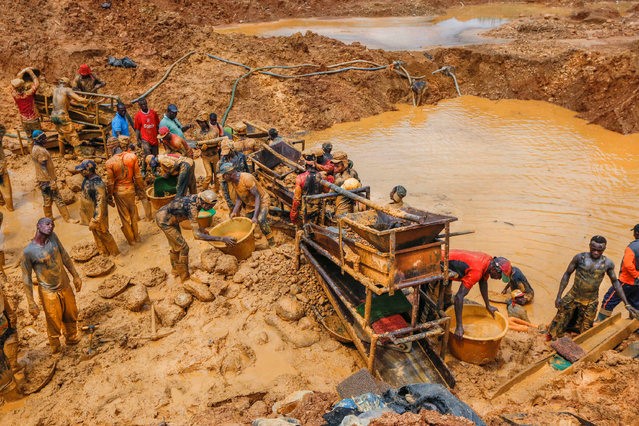
The Tano River, once a pristine lifeline for forests, wildlife, and human communities across Ghana and Côte d’Ivoire, is now under serious threat. Human activity, pollution, deforestation, mining, and climate change are rapidly degrading its ecosystem. These threats endanger not only biodiversity, but also local livelihoods, cultural heritage, and clean water access for thousands.
🛢️ 1. Water Pollution
One of the most pressing issues is the pollution of the river’s waters, particularly in Ghana’s Western and Ahafo regions.
Sources of Pollution:
- Mining runoff (including cyanide and mercury)
- Industrial waste and chemicals
- Agricultural pesticides and fertilizers
- Domestic sewage and plastic waste
Consequences:
- Mass fish deaths, especially in affected zones near Tanoso, Elubo, and downstream areas.
- Unsafe drinking water, causing waterborne diseases like cholera and dysentery.
- Loss of aquatic biodiversity and poisoning of key species.
Case Highlight:
In January 2020, a truck transporting mining chemicals reportedly overturned and spilled toxins into the Tano River near Tanoso, causing widespread panic, mass fish die-offs, and water contamination for thousands of residents. This incident sparked nationwide calls for stricter environmental regulation and monitoring.
⛏️ 2. Illegal Gold Mining (Galamsey)
In both Ghana and Côte d’Ivoire, illegal small-scale mining near the river has led to:
- Destruction of riverbanks and vegetation
- Increased sediment load and water turbidity
- Pollution from mercury and arsenic
- Violations of sacred zones and traditional taboos
Communities that once used the river for bathing, fishing, and drinking are now forced to find water from distant sources.
🌲 3. Deforestation and Habitat Loss
The forests flanking the Tano River, especially in the Tanoé-Ehy Swamp Forest, are being cleared at alarming rates due to:
- Logging (both legal and illegal)
- Agricultural expansion, especially for cocoa farming, oil palm, and rubber
- Charcoal production
Effects:
- Loss of habitat for endangered species like the Roloway monkey
- Reduced rainfall and microclimate regulation
- Disruption of sacred groves and traditional medicine sources
🐾 4. Poaching and Bushmeat Trade
The ecological degradation is compounded by:
- Hunting of rare primates and forest mammals
- Disruption of breeding zones
- Weak enforcement of wildlife protection laws
Species that were once protected by cultural taboos are now openly hunted due to poverty, hunger, and market demand.
🔥 5. Climate Change Impact
The Tano River ecosystem is also affected by climate instability:
- Unpredictable rainfall patterns, affecting crop cycles and river flow
- Dry-season intensification, leading to shrinking water levels
- Greater risk of forest fires in dry regions
These changes weaken the river’s ability to sustain local agriculture, fish populations, and forest regeneration.
🧱 6. Infrastructure Projects
In recent years, proposals for:
- Hydroelectric dams
- Bridges and roads through protected zones
- Urban expansion near wetland areas
…have raised alarm among conservationists and local leaders, who fear long-term ecological and spiritual consequences.
💬 Voices of Concern
Local chiefs, environmental NGOs, and activists have spoken out:
“The Tano River is not just water. It is our past, our spirit, and our future. When the river dies, so do we.”
— Village elder from Nouamou (Côte d’Ivoire)
✅ What’s Being Done
- Awareness campaigns and river clean-ups
- Protected area designations (e.g., Tanoé-Ehy wetland initiatives)
- Youth-led conservation efforts
- Calls for transboundary cooperation between Ghana and Côte d’Ivoire
However, many of these efforts lack funding and enforcement.


