



A critically endangered guardian of the Tano River’s sacred waters
🔎 Scientific Name: Mecistops cataphractus
Common names: West African slender-snouted crocodile, Crocodile à museau étroit (Fr.), “Nsuo Kokodua” (Akan)
Family: Crocodylidae
🌍 Distribution and Tano River Habitat
Native to West and Central Africa, this species is now highly fragmented and rare. It was once found across:
- Ghana, Côte d’Ivoire, Benin, Liberia, Nigeria, and Cameroon
🏞️ In the Tano River Basin:
- It survives in isolated wetland pockets, particularly:
- Near the Tanoé-Ehy Swamp Forest in southeastern Côte d’Ivoire
- Along quiet stretches of the lower Tano River and connected lagoons
- Prefers:
- Slow-moving freshwater, forest rivers, swamps, and backwaters
- Dense vegetation for nesting and ambush
Despite its elusive nature, local oral traditions still refer to it as a sacred water guardian in some communities.
🐊 Physical Characteristics
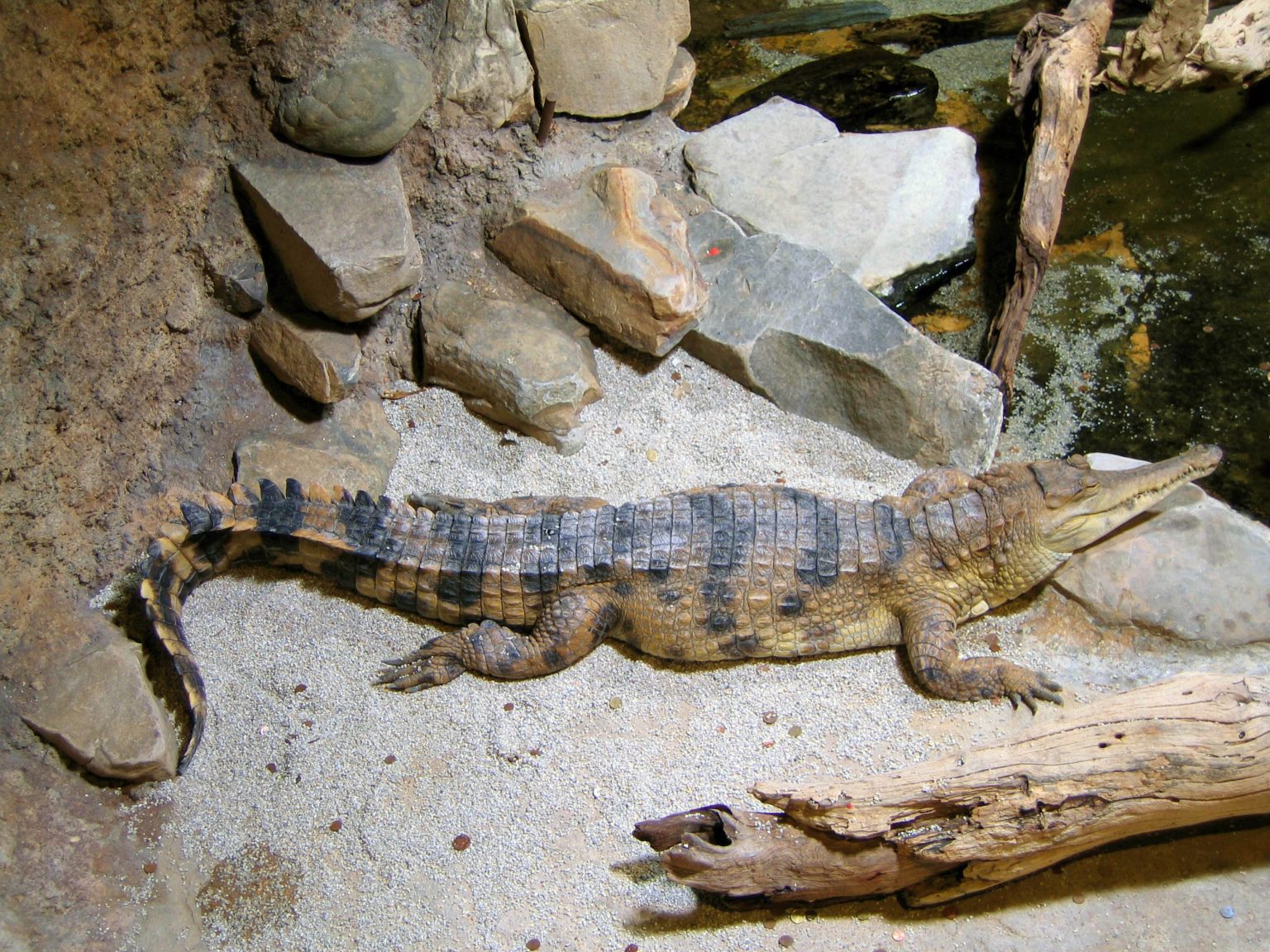
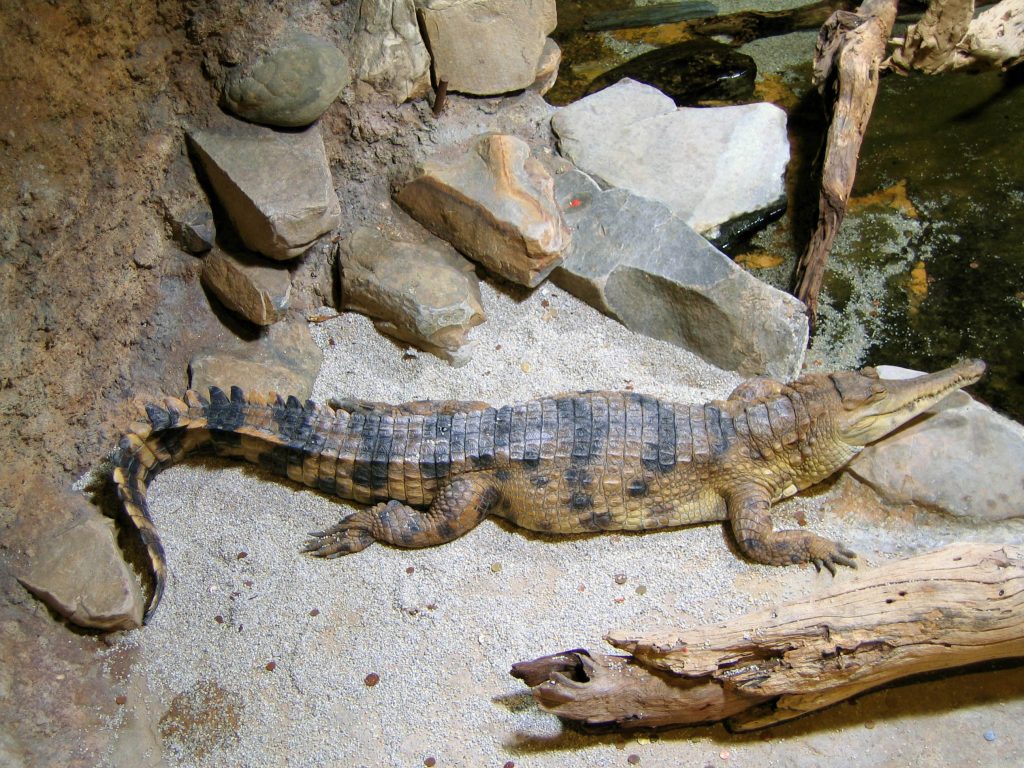
- Length: Typically 2.5–4 meters (8–13 feet)
- Snout: Exceptionally long and narrow, adapted for catching fish
- Color: Olive to dark brown with darker markings
- Armor: Heavily scaled back with pronounced bony plates (osteoderms)
- Eyes and nostrils: Positioned for stealthy breathing while submerged
Its appearance is often mistaken for the Nile crocodile, but its slender snout and secretive behavior set it apart.
🦴 Behavior and Ecology
- Diet: Primarily fish, crustaceans, frogs, and small mammals
- Activity: Mostly nocturnal and shy; prefers to hide from humans
- Reproduction:
- Builds mound nests from leaves and soil
- Females lay 15–30 eggs and guard them during incubation
Unlike more aggressive species, it avoids conflict and rarely threatens humans.
⚠️ Conservation Status
🔥 IUCN Red List: Critically Endangered
Major threats include:
- Habitat destruction from agriculture, mining, and deforestation
- Illegal gold mining (galamsey), especially in the Tano River system
- Hunting for bushmeat and traditional medicine
- Decline in fish stocks due to pollution and overfishing
- Conflict with humans where it is mistaken for dangerous species
It is one of the most endangered crocodilians in the world.
🛡️ Cultural and Spiritual Significance
In parts of the Akan and Nzema traditions, the slender-snouted crocodile is:
- Seen as a messenger or protector of the water deity Ta Kora
- Associated with balance, fear, and reverence for nature
- Feared yet respected in local folklore, where harming one may bring misfortune
Some villages protect them as sacred beings, especially where water taboos are observed.
🛠️ Conservation Efforts
- Captive breeding programs in Ghana and Côte d’Ivoire
- Community-based conservation near sacred forests and wetlands
- Advocacy by organizations like:
- West African Primate Conservation Action (WAPCA)
- IUCN Crocodile Specialist Group
Ecotourism and environmental education are being explored as sustainable protection models.
🌱 Why It Matters for the Tano River
The West African slender-snouted crocodile is:
- A flagship species for wetland conservation
- A symbol of the sacred, hidden life of African rivers
- A living reminder of the ecological richness and fragility of the Tano ecosystem
To lose it would mean not just losing a species — but a guardian of the river’s ancient soul.
🔗 Have you ever seen this rare crocodile or heard stories about it in your community? Share with us at [TanoRiver.com/submit]


