



Executive Summary
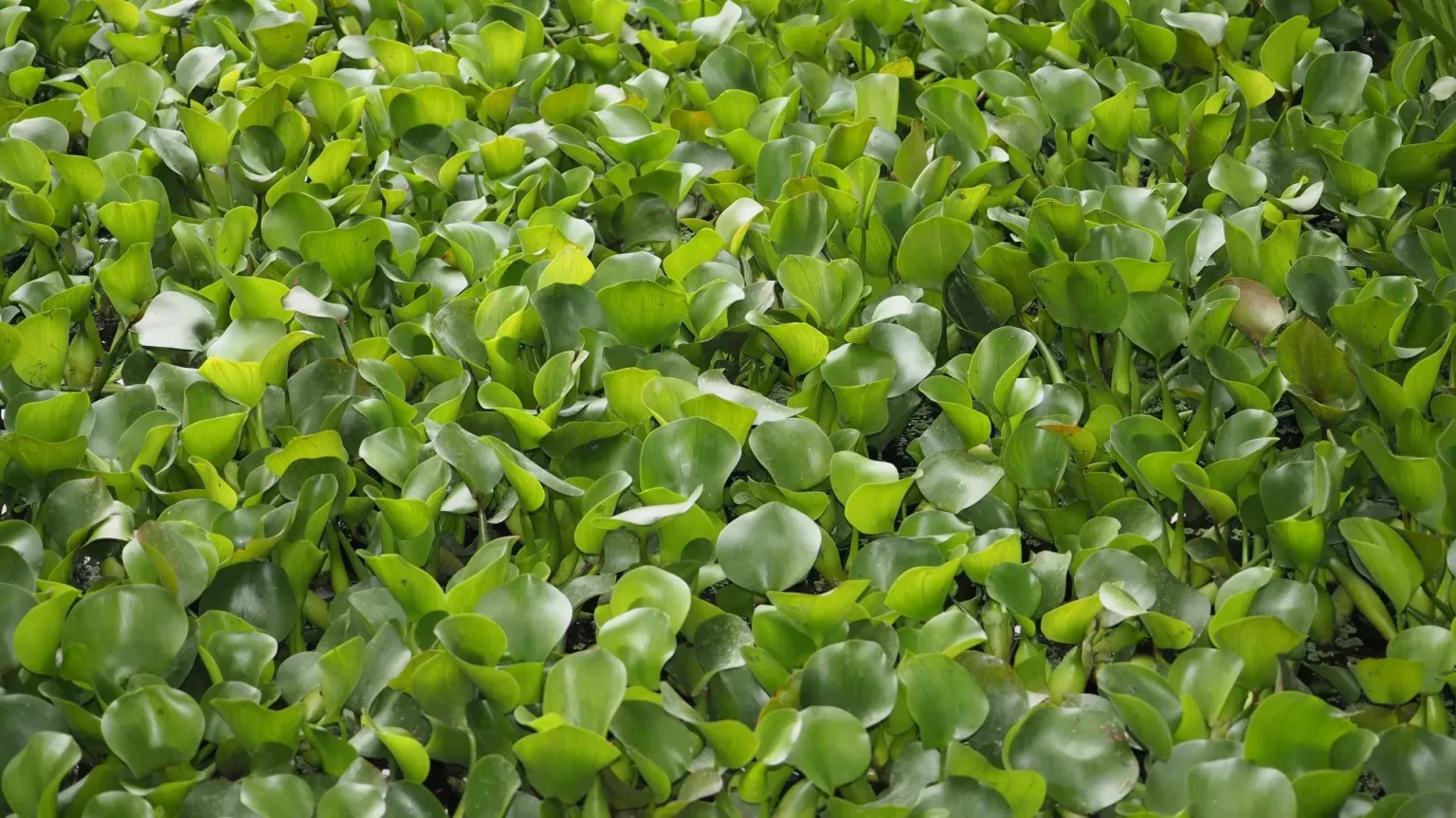
The Tano-Aby Lagoon system, a vital hydrological artery connecting Ghana and Ivory Coast, faces a severe environmental and socio-economic crisis driven by the proliferation of invasive aquatic species, primarily water hyacinth (Eichhornia crassipes). The Tano River serves as a critical transport vector, facilitating the spread of these non-native plants from upstream areas into the lagoon complex. This report details the devastating, multi-faceted impacts on fishing livelihoods, water transportation, and the delicate ecological balance of the region. Dense mats of invasive vegetation lead to profound ecological degradation, including severe oxygen depletion, significant biodiversity loss, and widespread habitat destruction. Concurrently, human populations dependent on the lagoon experience reduced incomes, disrupted access to essential services like education and healthcare, and increased public health risks, notably from mosquito-borne diseases. Despite historical control efforts, persistent challenges stemming from institutional weaknesses, lack of sustained prioritization, and the sheer scale of the problem underscore the urgent need for integrated, transboundary, and multi-stakeholder approaches to achieve sustainable management and mitigation.
1. Introduction: The Tano-Aby Lagoon System and the Invasive Species Challenge
1.1 Geographical Context and Hydrological Connection of Tano River and Aby Lagoon
The Tano River, originating in Ghana, traverses approximately 400 kilometers before its waters discharge into the Tendo Lagoon, an integral component of the larger Aby Lagoon complex situated in Ivory Coast. This extensive hydrological connection is a pivotal factor in the dynamics of the region’s aquatic ecosystems, as it provides a direct pathway for the transport of invasive species from upstream areas into the interconnected lagoon system.
The Aby Lagoon complex, recognized as the second largest lagoon in Ivory Coast, encompasses an area of 424 square kilometers, with an average depth of 3.5 meters and a total water volume of 1.57 cubic kilometers. This complex is composed of three primary sections: the Aby Lagoon proper, Tendo Lagoon, and Ehy Lagoon, all of which ultimately drain into the Atlantic Ocean. Specifically, the Tano River directly feeds into the Tendo Lagoon, making it a critical entry point for substances and organisms carried by the river. Furthermore, the Tano River delineates a portion of the international boundary between Ghana and Ivory Coast. This geographical reality means that the proliferation of these species within one nation’s borders inevitably impacts the other, making unilateral control efforts inherently limited. Consequently, effective management of the Tano-Aby system necessitates robust bilateral or multilateral cooperation and coordinated strategies between Ghana and Ivory Coast, as isolated actions are unlikely to yield sustainable long-term results.
1.2 Overview of Invasive Aquatic Species in West African Waters
Inland water bodies across West Africa, including the critical Tano-Aby system, have experienced significant ecological and socio-economic disruption due to the invasion of aquatic weeds since the early 1980s. While water hyacinth is the most prominent and impactful invader, the Tano River and Aby Lagoon are also afflicted by other problematic aquatic weeds. These include Kariba weed (
Salvinia molesta), water lettuce (Pistia stratiotes), and hippo grass, which encompasses species such as Echinochloa stagnina and Vossia cuspidata.
The co-occurrence of multiple invasive aquatic species within the Tano-Aby system indicates that the ecosystem possesses inherent vulnerabilities. These conditions, likely encompassing elevated nutrient loads , favorable climatic patterns, and a potential absence of natural biological controls, create an environment conducive to the establishment and widespread proliferation of non-native aquatic flora. These species collectively contribute to the degradation of the aquatic environment and pose substantial impediments to human activities. Therefore, management strategies should extend beyond targeting individual species, embracing a broader ecosystem-based approach that addresses the fundamental environmental factors contributing to this susceptibility, such as integrated water resource management and pollution abatement.
2. The Primary Invader: Water Hyacinth (Eichhornia crassipes)
2.1 Characteristics and Proliferation Mechanisms
Water hyacinth (Eichhornia crassipes) is globally recognized as one of the ten most detrimental weeds and is legally classified as a noxious weed in numerous African nations. Originating from the Amazon basin, its widespread distribution across tropical and subtropical regions is a testament to its highly invasive characteristics.
The plant’s invasive success is primarily attributed to its prolific reproduction rates, rapid growth, and remarkable ability to form dense, interconnected mats that blanket the water surface. Under optimal conditions, water hyacinth populations can double in as little as 12 days. Its fan-like, slightly cupped leaves are highly effective in catching wind, enabling the plants to “sail” and spread effortlessly across water bodies. Reproduction also occurs via seeds, which can remain dormant until favorable flooding conditions trigger germination, and through rhizomes, which facilitate the establishment of new plants. Critically, even small fragments broken off from a parent plant possess the capacity to form entirely new colonies, further accelerating its spread.
Water hyacinth exhibits a broad tolerance for environmental stressors and possesses an advanced capacity for nutrient acquisition, supported by extensive, dense root systems and a bulbous petiole that provides buoyancy and aids photosynthesis. While the plant can, in some limited contexts, offer certain environmental benefits, such as stabilizing pH levels and temperature, which may inhibit anoxia , these localized positive attributes are overwhelmingly overshadowed by its extensive and severe detrimental impacts on aquatic ecosystems.
The initial introduction of water hyacinth as an ornamental plant, valued for its pleasing appearance and sold in the water garden industry , exemplifies a common pathway for invasive species. This initial perceived aesthetic benefit effectively masked the plant’s inherent destructive potential, which rapidly manifested as a severe ecological and economic burden once established. This historical context underscores the critical importance of stringent regulations and comprehensive public awareness campaigns against the cultivation and trade of known invasive ornamental species, serving as a vital preventative measure.
2.2 History of Introduction and Spread in the Tano-Aby System
Water hyacinth was introduced into the Tano River and Aby-Tano Lagoon from Le Canal d’Assinie in La Cote d’Ivoire. Reports indicate that expatriates residing in hotels along this canal utilized water hyacinth in flower pots and subsequently released excess plants into the waterway. The primary mechanism of its subsequent spread into the Tano-Aby system involved stolons of the weed adhering to boats that transported goods through the canal to communities situated along the Tano River and Aby-Tano Lagoon.
The presence of water hyacinth in West African inland waters was first documented in the early 1980s, prompting Ghanaian scientists to recognize the associated problems and initiate research into control measures, alongside public awareness campaigns. The first formal reports detailing the plant’s presence in lagoons and other water systems around Accra, Ghana, were published by the end of 1984. In response to the escalating threat, the Ghana National Water Hyacinth Eradication Committee, later renamed the National Water Hyacinth Control Committee (NWHCC) under the Environmental Protection Agency (EPA), was established in 1987. Water hyacinth was officially recorded in the Tano Lagoon in mid-1990. The outbreak was detected in the Tano River and Aby-Tano Lagoon between 1987 and 1993 by the Jomoro District office of the Plants Protection and Regulatory Service Directorate (PPRSD), with the invasion reaching severe levels between 1994 and 1995. An initial release of weevils, a biological control agent, occurred in these two water bodies between March and April 1994.
The rapid escalation of water hyacinth infestation from its detection between 1987 and 1993 to a severe state by 1994-1995 illustrates the plant’s exponential growth capacity, with populations capable of doubling in as little as 12 days. This swift transition from initial presence to widespread crisis within a relatively short period highlights the critical importance of proactive monitoring and rapid response mechanisms in invasive species management. Delays in large-scale intervention during this initial establishment phase allow the problem to reach magnitudes where control efforts become exponentially more challenging and resource-intensive.
Table 2 provides a timeline of these key events, illustrating the progression of the invasion and the response efforts.
Table 2: Timeline of Water Hyacinth Invasion and Control Efforts in the Tano-Aby Lagoon (1980s-Present)
| Year/Period | Event/Status | Source |
| Early 1980s | West African inland waters invaded; Ghanaian scientists aware of problems. | |
| End of 1984 | First reports documenting water hyacinth presence in Ghana. | |
| 1987 | Ghana National Water Hyacinth Eradication Committee (NWHCC) established. | |
| 1987-1993 | Water hyacinth outbreak detected in River Tano and Abby-Tano Lagoon. | |
| Mid-1990 | Water hyacinth first officially recorded in the Tano Lagoon. | |
| 1994-1995 | Invasion became severe in River Tano and Abby-Tano Lagoon. | |
| March-April 1994 | Initial release of weevils (biological control agents) in the two water bodies. | |
| June 1994 | Project Document for “Integrated Control of Aquatic Weeds in Ghana” signed by Ghana, FAO, EU. | |
| January 1995 | Project “Integrated Control of Aquatic Weeds in Ghana” officially begins. | |
| December 1996 – June 1997 | Project termination date extended due to administrative/technical delays. |
2.3 Transport Mechanisms via the Tano River
The Tano River functions as a primary conduit for the transport of water hyacinth and other invasive species into the Aby Lagoon system. The plant’s morphological characteristics, such as its fan-like, cupped leaves, enable it to “sail” effectively with the wind, while its inherent ability to fragment allows it to spread easily across water bodies and be carried by natural currents.
However, human activities significantly amplify these natural dispersal mechanisms. Boat traffic, a common mode of transport on the Tano River and within the lagoon, plays a substantial role in spreading the plant. Fragments of water hyacinth can readily attach to outboard motors or boat trailers and be inadvertently carried to new locations, establishing new colonies. Concurrently, nutrient loading from untreated wastewater, sewage, and agricultural runoff, which carries nitrates and phosphates into water bodies, significantly enhances the hyacinth’s growth. This dynamic establishes a detrimental feedback loop where human actions, through pollution and transport, inadvertently foster the invasive species, which in turn further impairs human activities. Effective control strategies must therefore address both the direct removal of the plant and the underlying human-driven factors that facilitate its rapid expansion and sustained growth, including promoting responsible boating practices and implementing comprehensive watershed management to mitigate nutrient enrichment.
3. Other Problematic Invasive Aquatic Species
Beyond water hyacinth, the Tano-Aby Lagoon system is impacted by other invasive aquatic species that contribute to the overall ecological and socio-economic challenges.
3.1 Kariba Weed (Salvinia molesta)
Also known as giant salvinia, Kariba weed is an aquatic fern native to south-eastern Brazil. Similar to water hyacinth, it forms thick, dense mats, sometimes reaching up to two feet in thickness, that effectively clog waterways. These mats block sunlight, leading to the deoxygenation of the water column, a process exacerbated as the plant dies and decays, with decomposers consuming available oxygen. Kariba weed also impedes the natural exchange of gases between the air and the water body, causing stagnation and ultimately leading to the death of trapped aquatic organisms, including plants, insects, and fish. The stagnant conditions created by these mats provide ideal breeding grounds for mosquitoes, posing a public health concern.
Kariba weed’s introduction and spread are often linked to the pet industry, having been exported for use in aquaria and garden ponds, from where it either escaped or was deliberately released into natural waterways. Once established, it spreads effectively via infested boats and waterfowl. Its severe environmental, economic, and human health impacts place it as a close second to water hyacinth on the list of the world’s most noxious aquatic weeds, and it is recognized among the top 100 most invasive species globally. The presence of multiple species with similar impacts suggests a cumulative burden on the ecosystem. Control efforts should consider multi-species management strategies rather than focusing on a single “worst” invader, as removing one might simply create more space for another.
3.2 Water Lettuce (Pistia stratiotes)
Water lettuce is another invasive freshwater species characterized by its ability to form extensive, dense surface mats in aquatic ecosystems. These mats significantly hinder recreational activities such as swimming and boating, and they can restrict water flow in irrigation and flood control canals. Ecologically, water lettuce mats deplete dissolved oxygen levels, leading to fish mortality, and they shade out native submerged plant species, thereby reducing overall biodiversity. The stagnant water conditions created by these mats also serve as favorable breeding habitats for mosquitoes that transmit diseases. Under optimal environmental conditions, water lettuce can double its population size in less than three weeks, demonstrating its aggressive growth potential.
The introduction of water lettuce has occurred through various channels, including shipping containers, boats, fishing equipment, and, notably, the release of aquarium plants and unintentional introductions from water gardens. This highlights a common anthropogenic vector for aquatic invasive species. Regulations and public education campaigns targeting the ornamental plant industry and hobbyists are crucial for prevention, alongside “Clean, Drain, Dry” initiatives for recreational users.
3.3 Hippo Grass (Echinochloa stagnina / Vossia cuspidata)
The term “hippo grass” in the context of the Tano-Aby Lagoon refers to problematic invasive species that impede the transportation of goods and people and frequently become entangled in fishing nets. While
Echinochloa stagnina (Burgu millet) is indeed known as hippo grass and has traditional uses in Africa, including as a food plant and for erosion control , its invasive status in the Tano-Aby region is specifically noted for its obstructive properties in waterways.
Another species, Vossia cuspidata, also referred to as hippo grass, has been observed to invade and utilize existing water hyacinth mats, depending on them for buoyancy, anchorage, and nutrients. This suggests a successional relationship where one invasive species can facilitate the establishment or dominance of another, creating a more complex and multi-layered invasive challenge. Furthermore,
Echinochloa pyramidalis (antelope grass), a C4 grass, is recognized for its high biomass production, tolerance to grazing, and ability to thrive in both flooded and dry conditions, thereby altering wetland hydrology and reducing faunal habitat. Control strategies must consider these inter-species dynamics. Removing one invasive species without addressing the subsequent ecological shifts might simply pave the way for another, potentially equally problematic, invader to take its place or even thrive in the altered environment. Integrated management needs to anticipate these successional changes.
Table 1 provides a comparative overview of the key characteristics and primary impacts of these invasive aquatic species in the Tano-Aby system.
Table 1: Key Characteristics and Primary Impacts of Invasive Aquatic Species in the Tano-Aby System
| Species Name | Key Characteristics | Primary Ecological Impacts | Primary Socio-economic Impacts | Source |
| Water Hyacinth (Eichhornia crassipes) | Prolific reproduction, rapid growth, dense mat formation, fan-like leaves for sailing, broad environmental tolerance. | Blocks sunlight, depletes oxygen, increases sedimentation, disrupts food chains, alters water clarity, impacts phytoplankton/zooplankton/fish, reduces native plant diversity. | Obstructs navigation, hinders fishing, increases travel time, reduces income for fishermen/farmers/boat operators, creates mosquito breeding grounds. | |
| Kariba Weed (Salvinia molesta) | Aquatic fern, forms thick mats (up to 2ft), blocks sunlight, deoxygenates water, prevents gas exchange. | Clogs waterways, deoxygenates water, reduces biodiversity, creates stagnant conditions. | Halts recreational activities, obstructs navigation, fosters mosquito breeding. | |
| Water Lettuce (Pistia stratiotes) | Free-floating, forms dense surface mats, rapid population doubling (under 3 weeks). | Depletes oxygen, shades out native plants, reduces biodiversity, creates mosquito breeding grounds. | Hinder swimmers/boaters, restricts water flow, complicates flood control, impacts fishing. | |
| Hippo Grass (Echinochloa stagnina / Vossia cuspidata) | Forms dense mats, entangles fishing nets, inhibits transportation. Vossia cuspidata can invade water hyacinth mats. Echinochloa pyramidalis (antelope grass) has high biomass production, alters wetland hydrology. | Obstructs waterways, contributes to water quality degradation (deoxygenation, turbidity, sedimentation), competes with native plants, alters faunal habitat. | Hinders transportation, damages fishing nets, affects local livelihoods. |
4. Detrimental Impacts on the Aby Lagoon and Tano River Ecosystem
The pervasive presence of water hyacinth and other invasive aquatic species inflicts severe and multi-faceted damage upon the Aby Lagoon and Tano River ecosystem, impacting its ecological integrity, the livelihoods of riparian communities, and regional transportation networks.
4.1 Ecological Balance and Biodiversity
4.1.1 Alteration of Water Quality (Oxygen Depletion, Sedimentation, pH/Temperature Changes)
The dense, impenetrable mats formed by water hyacinth and other invasive species critically impede sunlight penetration into the water column. This light deprivation starves submerged native plants, leading to their death and subsequent decomposition, which in turn consumes dissolved oxygen (DO) from the water, resulting in critically low oxygen levels. This deoxygenation is a fundamental threat to the survival of most aquatic life. As the leaves and other plant matter from these dense mats drop off and decay, they contribute to increased sedimentation rates, fundamentally altering the physical composition of the waterway’s bottom. While water hyacinth can, in some instances, stabilize pH and temperature , the overwhelming effect of its dense mats is a significant and detrimental alteration of the overall physical and chemical structure of the invaded aquatic environments.
The Aby Lagoon system already exhibits marginal water quality, characterized by significant variations between wet and dry seasons and chronic pollution stemming from domestic waste and sediments carried by the Tano River. This pre-existing environmental degradation, particularly the high nutrient loads from anthropogenic sources , creates an environment highly conducive to the rapid growth and proliferation of water hyacinth. The resultant dense mats then further exacerbate oxygen depletion and increase sedimentation. This creates a detrimental feedback loop where human-induced pollution fuels the invasive growth, and the invasion, in turn, intensifies the negative impacts of pollution on water quality. Addressing the invasive species problem effectively therefore requires a holistic approach that includes comprehensive watershed management and pollution control to reduce nutrient loading. Without tackling the root cause of nutrient enrichment, sustained control of invasive species will be an uphill battle against constant re-proliferation.
4.1.2 Disruption of Aquatic Food Chains and Nutrient Cycling
The pervasive blockage of sunlight by dense invasive mats directly leads to a substantial reduction in phytoplankton productivity. Phytoplankton form the crucial base of the aquatic food web, and their decline initiates a cascading effect throughout the ecosystem. This reduction in primary productivity, compounded by severe oxygen depletion, fundamentally disrupts the intricate food chains and natural nutrient cycling processes within the invaded aquatic environments. The aggressive displacement of native aquatic plants, such as bamboo grass and fox nut plants, by invasive species like water hyacinth, further diminishes critical food resources and eliminates essential breeding and sheltering grounds for local fish species. This widespread ecological alteration ultimately undermines the entire food web, leading to fundamental shifts in ecosystem structure and function that can be difficult and slow to reverse, even if the invasive species are removed.
4.1.3 Impact on Native Flora and Fauna (Phytoplankton, Zooplankton, Fish, Submerged Plants)
The presence of water hyacinth significantly alters water clarity and negatively impacts the community composition of phytoplankton, zooplankton, and fish populations. Submerged native plants, deprived of essential sunlight, perish, leading to their decay and a subsequent reduction in food and oxygen availability for other aquatic organisms. Fish populations consequently decline , and observed behaviors include fish forming loose, disorganized schools and exhibiting slower responses to predator presence. The dense growth of these invasive plants directly degrades the living conditions for important freshwater fish species, such as bream and bass. The impact extends beyond aquatic life, with observations indicating that ducks lay fewer eggs and their ducklings respond poorly to maternal calls , signifying adverse effects on avian fauna as well. The formation of dense, monoculture mats by water hyacinth physically displaces native vegetation and creates uniform, low-oxygen environments. This “habitat simplification” reduces the diversity of microhabitats and resources available for native flora and fauna, leading to a decline in species richness and abundance. The long-term ecological consequence is a significant reduction in the overall biodiversity and resilience of the Aby Lagoon system, making it less productive and more susceptible to further environmental stressors.
4.1.4 Habitat Degradation and Loss
The dense, mat-like layers formed by water hyacinth and other invasive species directly contribute to widespread habitat degradation and the modification of natural benthic communities. The complex root structures of these plants can also lead to increased sedimentation rates, further altering the physical characteristics of the aquatic environment. The physical presence of these extensive mats fundamentally alters the structural and functional characteristics of native aquatic plant communities, thereby transforming essential invertebrate and fish habitats. Beyond chemical changes, the sheer physical presence of the dense mats fundamentally alters the aquatic environment. They create a new, less diverse habitat on the surface while simultaneously degrading the submerged and benthic habitats. This physical restructuring can lead to permanent changes in the ecosystem’s physical characteristics, such as water depth (due to increased sedimentation) and light penetration. Restoration efforts must therefore consider not only the removal of the invasive species but also the potential need for physical habitat restoration to support the return of native communities.
4.2 Fishing and Aquatic Livelihoods
4.2.1 Reduction in Fish Populations and Catch Rates
Water hyacinth directly impacts the food supply by causing a reduction in overall fish populations and the available fish supply. The invasive mats disrupt traditional fishing activities and significantly reduce the harvesting rate, leading to a measurable decrease in the quantity of fish caught. A survey conducted in the Deepor Beel wetland, where water hyacinth poses a major threat, revealed that a substantial majority, 69.51% of respondents, reported a decline in fish abundance. The reduction in fish populations and catch rates directly impacts the availability of a primary protein source for riparian communities, threatening local food security. This is particularly critical in regions where fish is a staple and a significant component of the local diet. The invasive species crisis is therefore not just an environmental issue but also a public health and food security challenge, requiring interventions that consider human well-being alongside ecological restoration.
4.2.2 Restricted Access to Fishing Grounds and Increased Production Costs
The dense mats of invasive plants severely restrict access to traditional fishing areas , making it exceedingly difficult for fishermen to reach their customary grounds. The obstruction of boat passages by these mats significantly increases the time required to catch fish , which translates directly into higher operational costs, including increased fuel consumption and labor expenses. Furthermore, fishing nets frequently become trapped and destroyed by the dense vegetation , incurring additional financial burdens for repair or replacement. Increased production costs coupled with reduced catch rates create a double burden on fishermen, many of whom are smallholders or operate at subsistence levels. This directly translates to reduced income and increased financial vulnerability. Beyond environmental solutions, socio-economic support mechanisms, such as alternative livelihood programs or financial aid for gear replacement, may be necessary to help affected communities cope with the immediate impacts.
4.2.3 Economic Losses for Fishermen and Fish Traders
The invasion of water hyacinth results in substantial economic losses for fishermen, boat operators, and various other individuals whose livelihoods are intrinsically linked to the affected water bodies. The invasive species negatively impacts the livelihoods of farmers and traders involved in fish marketing by severely disrupting their business operations. For instance, studies in Ethiopia have shown that water hyacinth infestation leads to a reduction in total annual income, including income derived from crop production and off-farm activities, for communities residing adjacent to invaded lakes. The impacts extend beyond the act of fishing to the entire fish value chain. Reduced catches affect not only fishermen but also traders, processors, and associated businesses, leading to broader economic disruption within riparian communities. Therefore, economic impact assessments should consider the full value chain to accurately quantify losses and inform comprehensive recovery and mitigation strategies.
4.2.4 Damage to Fishing Gear
A direct and tangible consequence for fishermen is the frequent entanglement of fishing nets with water hyacinth and hippo grass. This entanglement often leads to significant damage and destruction of valuable fishing gear , imposing additional financial burdens for repair or replacement on already struggling communities.
4.3 Transportation and Navigation
4.3.1 Obstruction of Waterways and Increased Travel Time
Dense mats of water hyacinth create severe blockades in waterways, profoundly limiting boat traffic. This obstruction dramatically increases travel time for individuals needing to cross invaded water bodies to access farms , schools , and other essential services such as health centers and local markets. The invasive vegetation also reduces the natural velocity of water bodies, further impeding movement and navigation. Waterways often serve as critical arteries for transportation in riparian communities. Their obstruction by invasive species does not merely inconvenience travel; it severs vital connections to education, healthcare, markets, and agricultural lands. This effectively isolates communities and limits access to fundamental services. The impact extends beyond economic losses to human development and social equity, potentially exacerbating poverty and hindering access to opportunities for affected populations.
4.3.2 Hindrance to Commercial and Recreational Boating
The dense growth of invasive aquatic plants significantly obstructs navigation for various types of vessels, ranging from outboard motor-propelled boats to larger commercial vessels. This directly impacts the commercial transport of goods and people, disrupting trade and essential travel. Beyond commercial activities, recreational pursuits such as fishing, sports-fishing, water-skiing, and swimming are also severely curtailed or rendered impossible. The hindrance to both commercial and recreational boating signifies a considerable loss of economic activity, including trade and tourism, and a reduction in the quality of life for both residents and visitors. This can lead to decreased real estate values and a decline in tourism, impacting regional economies. The problem therefore necessitates consideration from economic development and tourism sectors, not solely environmental agencies.
4.3.3 Impact on Access to Essential Services (Education, Health)
The blockades created by water hyacinth have a profound impact on access to essential social services. Students who rely on crossing invaded water bodies to attend school frequently experience significant delays or are forced to absent themselves from classes. In peak periods of weed invasion, students may be compelled to remain at home, which negatively affects the human resource base of the communities. Furthermore, access to critical health centers is also impeded, posing serious public health risks. The disruption to education has long-term implications for human capital development within affected communities. Reduced schooling can lead to lower literacy rates, fewer skilled individuals, and the perpetuation of poverty across generations. This represents a profound societal impact beyond immediate economic losses, emphasizing that solutions must consider the long-term societal costs and integrate educational support and public health initiatives into invasive species management plans.
5. Broader Socio-Economic and Public Health Consequences
The impacts of water hyacinth and other invasive species extend beyond the direct ecological and economic spheres, creating broader socio-economic and public health challenges for riparian communities.
5.1 Agricultural Losses and Reduced Farmer Income
Water hyacinth invasion directly contributes to the destruction of farm produce and significantly increases the travel time required for farmers to access their agricultural lands. This results in a consequent and substantial reduction in farmers’ income. The dense mats of invasive weeds effectively block access for farmers who must cross water bodies to reach their fields, leading to considerable agricultural and economic losses. The plant can also impede rice seed germination, reduce overall crop yield, and consequently lower returns from crop production. Furthermore, the weed is capable of invading farmland adjacent to water bodies and covering grazing land intended for animal feed, thereby adversely affecting both crop and livestock production. The impact on agriculture demonstrates that the problem extends beyond the aquatic environment to the terrestrial-aquatic interface. Farmers are affected not only by physical obstruction but also by the direct invasion of their land. This highlights the interconnectedness of land-use practices and water body health. Integrated land-use planning and management in the catchment area are essential to mitigate agricultural losses and prevent further spread onto farmlands.
5.2 Increased Incidence of Disease Vectors (e.g., Mosquitoes and Malaria)
The physical alteration of the aquatic environment by dense mats of water hyacinth , Kariba weed , and water lettuce leads to a reduction in water velocity and the creation of stagnant water bodies. These conditions provide highly suitable breeding grounds for mosquitoes. Critically, water hyacinth invasion in the Tano River and Aby-Tano Lagoon is directly associated with an increased incidence of malaria infestation within riparian communities. The physical alteration of the aquatic environment by invasive species directly creates conditions favorable for disease vectors, leading to a measurable increase in public health issues like malaria. This is a direct causal link from ecological degradation to human health. Public health agencies must therefore be actively involved in invasive species management planning, integrating vector control measures and public health interventions alongside ecological restoration efforts.
5.3 Impact on Tourism and Property Values
The limitations imposed on water use by extensive invasive species infestations can lead to a significant decline in the aesthetic and recreational value of the affected water bodies. This degradation can result in reduced real estate values in adjacent areas and a measurable decline in tourism activities. The degradation of aesthetic and recreational value of the water body due to invasive species directly reduces its attractiveness for tourism and real estate investment, leading to economic decline in affected areas. This provides a strong economic argument for investment in invasive species control, appealing to stakeholders beyond environmental conservation.
6. Control Efforts and Management Challenges in Ghana
Ghana has a history of recognizing and attempting to address the water hyacinth problem, but significant challenges persist in achieving effective and sustainable control.
6.1 Historical Initiatives and Policy Frameworks
Ghanaian scientists became aware of the water hyacinth problem in the early 1980s, which prompted the Government of Ghana to initiate research into control measures and launch public awareness campaigns. The first official reports documenting the plant’s presence in Ghana were published by the end of 1984. In a structured response, the National Water Hyacinth Eradication Committee was established in 1987, later evolving into the National Water Hyacinth Control Committee (NWHCC) under the Environmental Protection Agency (EPA). A significant step was taken in 1994 with the signing of a Project Document for “Integrated Control of Aquatic Weeds in Ghana” between the Government of Ghana, the Food and Agriculture Organization (FAO), and the European Union (EU), designating FAO as the executing agency and NWHCC as the government counterpart.
Furthermore, Ghana has put in place policy and legislative frameworks that strictly prohibit the handling, use, and trade of aquatic weeds, particularly water hyacinth. Various state agencies, including the Water Resources Research Institute, the Wildlife Department of Ghana, and the EPA, share responsibilities for water resource management. Despite these efforts, the problem persists and, in some areas like the Tano Lagoon, has worsened. This indicates a significant gap between the existence of policy and its effective, sustained implementation on the ground. Future efforts need to focus less on creating new policies and more on strengthening enforcement, improving inter-agency coordination, ensuring consistent funding, and addressing bureaucratic hurdles.
6.2 Effectiveness and Limitations of Past and Current Control Strategies (Biological, Mechanical, Chemical)
Control of water hyacinth and other invasive aquatic weeds typically involves a combination of biological, mechanical, and chemical procedures. In the Tano River and Aby-Tano Lagoon, an initial release of weevils, a biological control agent, occurred between March and April 1994, as part of a project aimed at strengthening capabilities for rearing, releasing, and monitoring such agents. Local communities, often with the assistance of traditional authorities, engage in physical removal through organized communal labor. Manual removal methods can be effective for small, localized infestations.
However, the efficacy of these methods is often challenged by the inherent characteristics of water hyacinth. The plant is composed of approximately 90% water, making it extremely heavy and costly to transport once removed. Furthermore, finding suitable and affordable disposal locations for the vast quantities of harvested biomass presents a significant logistical and financial challenge. While some control efforts in other African countries, such as Benin, Sudan, and Zimbabwe, have demonstrated success, infestations continue to worsen in major water bodies, including the Tano Lagoon. While various control methods exist and some have shown local success, the sheer scale of water hyacinth’s proliferation, with populations doubling in as little as 12 days and spreading at an alarming rate of 2×10^5 hectares per year , makes sustained control incredibly difficult and costly. The logistical challenges of disposing of massive amounts of biomass are immense. Therefore, control strategies must be long-term, adaptive, and integrated, combining multiple methods. They also require significant and consistent financial investment and broad community engagement for sustained effort.
6.3 Underlying Factors Contributing to Proliferation (e.g., Nutrient Loading)
A critical underlying factor contributing to the aggressive proliferation of water hyacinth and other aquatic weeds is nutrient loading. Runoff from rainwater carrying untreated wastewater, sewage, and fertilizers from agricultural fields introduces increased levels of nitrates and phosphates into water bodies. These elevated nutrient concentrations significantly enhance the growth and expansion of water hyacinth. Elevated water levels during the rainy season also provide optimal conditions for the plant’s expansion due to increased habitat availability. Water hyacinth coverage and associated evapotranspiration rates fluctuate significantly between rainy and dry seasons, with higher levels observed during the rainy periods. Furthermore, the potential impacts of global warming, particularly increasing winter temperatures, could allow water hyacinth to overwinter in regions where it traditionally could not, thereby expanding its distribution poleward. The consistent presence of nutrient loading from anthropogenic sources as a key factor enhancing water hyacinth growth reveals that human activities are not just spreading the plant but actively creating the ideal conditions for its explosive proliferation. This is a critical underlying cause, not just a symptom. Sustainable control of water hyacinth and other invasive aquatic weeds therefore requires comprehensive watershed management, including improved sanitation, wastewater treatment, and agricultural best management practices to reduce nutrient runoff. Without addressing eutrophication, other control methods will only provide temporary relief.
6.4 Organizational and Coordination Challenges
Despite the existence of policy frameworks and technical expertise within the Africa and Middle East (AME) region, including Ghana, the persistent problem of water hyacinth is often attributed to systemic organizational and bureaucratic challenges. In the Jomoro Municipality, for instance, local government and traditional authorities did not provide direct support for affected communities, partly because the water hyacinth issue was not considered a priority problem among some authorities.
A significant barrier to effective mobilization of control efforts is the lack of coordination and communication among various responsible units, which often operate with differing or even conflicting objectives and limited access to shared information and resources. The poor flow of information and the lack of timely access to critical data by key decision-makers have been identified as major constraints. Despite existing policy frameworks and technical expertise, the persistent problem is attributed to systemic issues like lack of prioritization, poor coordination, bureaucracy, and information silos. This indicates that the primary barrier to effective management is not a lack of scientific understanding or technical solutions, but rather a failure in governance and institutional capacity to mobilize and sustain efforts. Future interventions must prioritize strengthening institutional frameworks, fostering inter-agency collaboration, improving communication channels, and ensuring political will and consistent resource allocation for invasive species management. Community engagement and empowerment should also be integrated into formal management structures.
7. Conclusion and Recommendations
Summary of Critical Findings
The Tano-Aby Lagoon system is facing a severe and escalating crisis due to the widespread invasion of water hyacinth and other aquatic weeds, including Kariba weed, water lettuce, and hippo grass. The Tano River serves as a crucial vector for the transport and dispersal of these invasive species, exacerbating their detrimental impacts across the region. Ecologically, the dense mats formed by these plants lead to profound degradation, characterized by critical oxygen depletion, significant loss of native biodiversity, and widespread habitat destruction. This ecological damage cascades through the food web, impacting everything from phytoplankton to fish populations.
The socio-economic consequences are equally severe, directly affecting the livelihoods of riparian communities. Fishing activities are severely hampered by reduced fish populations, restricted access to fishing grounds, increased operational costs, and damage to fishing gear, leading to substantial income losses for fishermen and fish traders. Transportation and navigation are profoundly disrupted, increasing travel times for essential activities and hindering access to critical services like education and healthcare, with long-term implications for human capital development. Furthermore, the proliferation of invasive mats creates ideal breeding grounds for disease vectors, directly contributing to public health crises such as increased malaria incidence.
The problem is compounded by a complex interplay of natural proliferation mechanisms, anthropogenic spread facilitated by human activities like boating, and, critically, pervasive eutrophication from untreated wastewater, sewage, and agricultural runoff. This nutrient loading creates ideal conditions for the explosive growth of these invasive plants, establishing a detrimental feedback loop. Despite a long history of awareness, policy development, and control initiatives in Ghana, the problem persists and, in some areas, has worsened. This highlights persistent challenges stemming from institutional weaknesses, a lack of sustained prioritization, and the sheer scale and complexity of managing such widespread invasions across transboundary water systems.
Table 3 provides a comprehensive summary of these detrimental impacts across various sectors.
Table 3: Summary of Detrimental Impacts on Aby Lagoon and Tano River by Sector
| Impact Category | Specific Impacts | Key Effects/Consequences | Source |
| Ecological Balance | Oxygen Depletion | Fish mortality, altered aquatic life, ecosystem collapse | |
| Sunlight Blockage | Death of submerged plants, reduced primary productivity | ||
| Increased Sedimentation | Alteration of waterway bottom, habitat degradation | ||
| Disruption of Food Chains | Reduced fish populations, decline in biodiversity, ecosystem functionality loss | ||
| Habitat Degradation/Loss | Modification of benthic communities, loss of breeding/sheltering grounds | ||
| Altered Water Quality | Changes in pH/temperature, increased turbidity | ||
| Fishing & Aquatic Livelihoods | Reduced Fish Populations | Food insecurity, decline in local protein source | |
| Restricted Access to Fishing Grounds | Increased operational costs, reduced catch rates | ||
| Economic Losses for Fishermen/Traders | Reduced income, disrupted business operations, financial vulnerability | ||
| Damage to Fishing Gear | Increased costs for repair/replacement | ||
| Transportation & Navigation | Obstruction of Waterways | Limited boat traffic, reduced water velocity | |
| Increased Travel Time | Hindrance to commercial/recreational boating, isolation of communities | ||
| Impact on Access to Essential Services | Disruption of education, impeded access to healthcare | ||
| Broader Socio-Economic & Public Health | Agricultural Losses | Reduced farmer income, destruction of farm produce | |
| Increased Disease Vectors | Higher incidence of malaria, public health crisis | ||
| Impact on Tourism/Property Values | Economic disincentive for investment, decline in regional economy |
Actionable Recommendations for Sustainable Management and Mitigation
Based on the comprehensive analysis of the detrimental impacts and underlying factors, the following actionable recommendations are proposed for sustainable management and mitigation of invasive aquatic species in the Tano-Aby Lagoon system:
- Integrated Catchment Management: Implement comprehensive watershed management plans for the entire Tano River basin. These plans must focus on significantly reducing nutrient loading from anthropogenic sources, including agricultural runoff, untreated domestic waste, and sewage. This foundational step is critical, as it directly addresses the primary driver of invasive plant growth and is essential for limiting future proliferation.
- Strengthened Bi-National Cooperation: Establish formal, robust, and coordinated management frameworks between Ghana and Ivory Coast for the transboundary Tano-Aby Lagoon system. This collaboration should encompass shared monitoring protocols, joint control efforts, and efficient information exchange mechanisms to ensure a unified and effective response to invasive species.
- Prioritized and Sustained Control Programs: Elevate the issue of water hyacinth and other invasive aquatic species to a national priority level within both Ghana and Ivory Coast. This prioritization must translate into consistent and adequate funding, coupled with sustained political will, to support long-term, integrated control programs. These programs should strategically combine biological, mechanical, and, where environmentally appropriate, chemical methods, adapted to the specific conditions and scale of infestations.
- Enhanced Monitoring and Early Detection: Invest in advanced, regular monitoring systems, including the utilization of remote sensing technologies, for early detection of new infestations or the re-emergence of invasive species. Rapid detection is paramount to enabling timely and effective responses, preventing widespread proliferation and reducing the costs and complexity of control.
- Public Awareness and Education: Intensify public awareness and education campaigns specifically targeting riparian communities, recreational boaters, and the ornamental plant industry. These campaigns should focus on preventing the further introduction and spread of invasive species and promoting responsible practices, such as “Clean, Drain, Dry” protocols for watercraft and discouraging the use of invasive species in water gardens.
- Livelihood Diversification and Support: Develop and implement targeted programs to support communities whose livelihoods have been adversely affected by the invasive species. This includes providing training and resources for alternative economic activities and offering direct assistance or compensation for losses incurred, such as damaged fishing gear.
- Research and Innovation: Continue to invest in scientific research focused on developing more cost-effective, sustainable, and environmentally sound control methods. This includes exploring novel biological control agents, optimizing mechanical removal techniques, and investigating innovative ways to utilize harvested biomass, potentially turning a waste product into a resource.
- Institutional Capacity Building: Strengthen the capacity of relevant government agencies and local authorities involved in water resource management and environmental protection. This involves improving inter-agency coordination, streamlining information sharing protocols, enhancing decision-making processes, and providing necessary training and resources to frontline personnel.


