

The Tano River
  • Home
  • 🌊The River
    • The Tano River
    • Cultural Significance
    • Spiritual and Historical Importance
    • Taakora — The Deity of the Tano River
    • Comprehensive Analysis of the Tano River and Its Basin
  • 🌿Environment
    • Flora and Fauna
    • Environmental Challenges
    • Conservation Efforts
    • The Tano River Basin
    • The Galamsey Crisis
    • Animals of the Tano
    • Trees and Plants of the Tano
    • Parks and Forest
    • Lagoons
    • Tributaries of the Tano River
  • History
    • Stories and Oral Traditions
    • Historical Events
    • Ancient Trade and Conflicts
    • The Legend of Tano and Bia
    • Deities and Spirits
    • God Tano, Afua Krankra, and Asase Ya/Afua in Akan Mythology
  • 🎉Culture
    • Ethnic Groups Along the Tano River
    • Fishing, Agriculture, and Rituals
    • Festivals and River Ceremonies
    • The Natural Border Between Ghana and Ivory Coast
  • 🛶 Tourism
    • Natural Sites to Visit
    • Cultural Experiences
    • Local Guides & Eco-Tourism
    • Creating a Touristic Ecosystem
  • 🌍News
  • Global Initiative
  • 🌍About
    • 📖The Project / Get Involved
    • 🧾 About me
    • ✉️ Contact us
    • 🤝 Partnerships / Collaborate
    • 💛 Donate
    • 🌿 A Tribute to My Father and Grandfather
    • 🧾All Our articles
    • 🧾Search Our Articles
    • 📖Glossary of the Tano River Ecosystem
Donate
Font ResizerAa
The Tano RiverThe Tano River
Search

Popular Posts

The Rivers, Lakes & Lagoons Collective

The rivers in Ghana

About the River

🪷 Cultural Significance of the Tano River

About the River

✨ Spiritual and Historical Importance of the Tano River

Welcome to Tanoriver.com

Join the Tano River Collective Project and be part of a growing movement dedicated to preserving the life, culture, and ecosystems of the Tano River. Together, we can make a lasting impact.
Join Us
Follow US
TanoRiver.com
The Tano River > All our Articles > Environment & Biodiversity > Trees and Plants of the Tano > 🍇 Vitex doniana – African Black Plum
Trees and Plants of the Tano

🍇 Vitex doniana – African Black Plum

By
Alexandre Tano Kan Koffi
Last updated: April 28, 2026
4 Min Read
Share

A hidden gem of the forest and the table, thriving in the heart of the Tano River’s cultural landscape

Contents
🔎 Scientific Name: Vitex doniana📍 Habitat and Distribution🌍 In the Tano River Basin, it grows:🌳 Botanical Description🌍 Ecological Role🍴 Edible and Culinary Uses🧪 Traditional Medicinal Uses🧙🏿‍♀️ Cultural and Spiritual Importance⚠️ Conservation Notes🌱 Why It Matters for the Tano River

🔎 Scientific Name: Vitex doniana

Common names: African black plum, “Kyenkyen” (Akan), “Zèzan” (Baoulé), “Dinya” (Hausa), “Prune noire africaine” (Fr.), “Uchakoro” (Igbo)
Family: Lamiaceae (mint family)


📍 Habitat and Distribution

Vitex doniana is native to tropical sub-Saharan Africa, widespread in:

  • Savannah woodlands, riparian forests, and farm-fallow mosaics
  • Countries such as Ghana, Côte d’Ivoire, Benin, Nigeria, Senegal, and Sudan

🌍 In the Tano River Basin, it grows:

  • In rural farms, riparian thickets, and community agroforests
  • Especially near:
    • Villages bordering the river
    • Ancestral farm plots
    • Moist edges of gallery forests

It prefers deep loamy soils and moderate rainfall, making it common in semi-deciduous zones of the Tano region.


🌳 Botanical Description

  • Height: Small to medium-sized tree, 6–15 meters tall
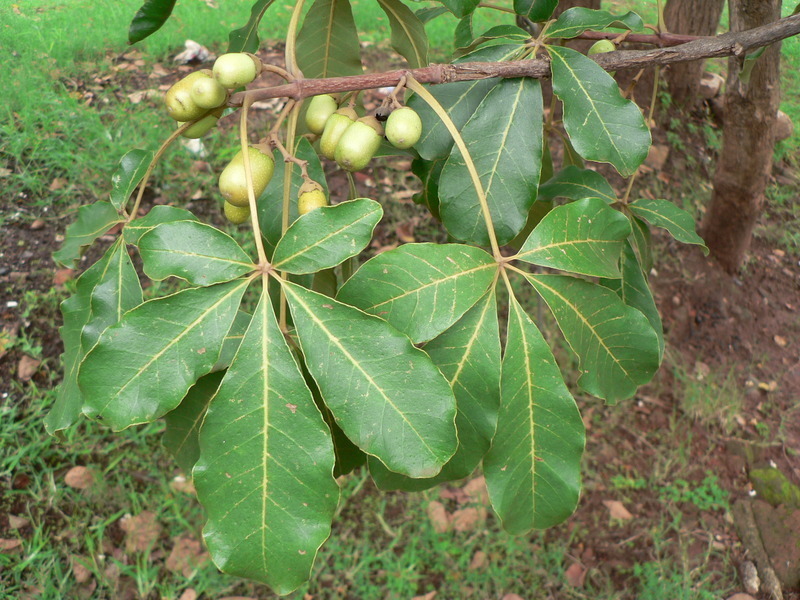
  • Leaves: Compound with 5 leaflets, aromatic, and slightly hairy
  • Flowers: Light purple to bluish, arranged in upright spikes
  • Fruits: Round, dark purple-black drupe (2–4 cm wide) with soft, sweet pulp
  • Bark: Rough, grey-brown, used medicinally

Its purple-black fruits are often hidden in the canopy — a treasure for those who know where to look.


🌍 Ecological Role

  • Fruits are eaten by:
    • Birds, bats, monkeys, and forest rodents
  • Flowers attract bees and butterflies for pollination
  • Acts as a windbreak and soil stabilizer in farm edges
  • Leaf litter contributes to soil fertility

It plays a keystone role in agroecological farming systems.


🍴 Edible and Culinary Uses

A cherished seasonal fruit, Vitex doniana is:

  • Eaten raw, prized for its sweet, plum-like flavor
  • Used in:
    • Local juices and syrups
    • Fermented beverages (sometimes mildly alcoholic)
    • Fruit sauces, jams, or cakes in rural households

In parts of Ghana and Côte d’Ivoire, it’s shared among children or offered during community gatherings.

Its leaves are also boiled as a vegetable, similar to spinach, rich in iron and vitamins.


🧪 Traditional Medicinal Uses

All parts of the plant are valued for their healing properties:

  • Bark decoctions:
    • Used for anemia, jaundice, and fever
    • Applied for wounds and abscesses
  • Leaves:
    • Used to treat diabetes, fatigue, and hypertension
    • Employed in lactation stimulation for mothers
  • Fruits:
    • Taken to boost strength and immunity
    • Used in traditional cleansing diets

It is known in many oral traditions as a “fruit that strengthens warriors and women”.


🧙🏿‍♀️ Cultural and Spiritual Importance

In the Tano Basin and Akan world:

  • The tree is often planted near family lands for luck and prosperity
  • Its fruits are offered in ancestral ceremonies and harvest rituals
  • Known to be favored by forest spirits and sometimes used in divination rites

Farmers say: “A household with a black plum tree never lacks fruit or medicine.”


⚠️ Conservation Notes

  • Still widespread but faces risk from:
    • Overharvesting, especially for leaves and bark
    • Neglect in replanting, as older trees die out
    • Replacement by exotic fruit species in modern farms

Conservationists recommend:

  • Domestication in agroforestry systems
  • Seedling distribution and education on planting techniques

🌱 Why It Matters for the Tano River

Vitex doniana is:

  • A forgotten fruit with rich cultural and nutritional value
  • A tree that links the forest to the farm, the kitchen to the clinic
  • A living archive of rural wisdom, biodiversity, and resilience

Its purple fruit stains fingers, but also colors the memory of harvest seasons past.


🔗 Do you grow or harvest black plum in your area? Share your photos, recipes, or memories at [TanoRiver.com/submit]


Sign Up For Daily Newsletter

Be keep up! Get the latest breaking news delivered straight to your inbox.
By signing up, you agree to our Terms of Use and acknowledge the data practices in our Privacy Policy. You may unsubscribe at any time.
Share This Article
Facebook Email Copy Link Print
ByAlexandre Tano Kan Koffi
Follow:

✍️ About the Author

Alexandre Tano Kan Koffi is the founder of TanoRiver.com and a passionate advocate for Africa’s environmental and cultural heritage. Named after the Tano River, he honors his legacy through storytelling and conservation.
📧 Contact: alex [@] alexandrekoffi.com

Leave a Comment Leave a Comment

Leave a Reply Cancel reply

Your email address will not be published. Required fields are marked *

Receive latest news from all areas of Wildlife Animals

Our selection of the week's biggest research news and features sent directly to your inbox. Enter your email address, confirm you're happy to receive our emails.

HOT NEWS

The Rivers, Lakes & Lagoons Collective

The rivers in Ghana

April 10, 2026

🪷 Cultural Significance of the Tano River

May 5, 2026

✨ Spiritual and Historical Importance of the Tano River

February 13, 2026

📖 Indigenous Stories and Oral Traditions of the Tano River

May 9, 2026

Follow US: 

About us

  • 🌍 The Project / Get Involved
  • ✉️ Contact us
  • 💛 Donate
  • 🤝 Partnerships / Collaborate

TanoRiver.com

  • Terms and Conditions
  • Privacy Policy
  • Cookie Policy

Cookies Notice

We use our own and third-party cookies to improve our services, personalise your advertising and remember your preferences.
Welcome Back!

Sign in to your account

Username or Email Address
Password

Lost your password?
