

The Tano River
  • Home
  • 🌊The River
    • The Tano River
    • Cultural Significance
    • Spiritual and Historical Importance
    • Taakora — The Deity of the Tano River
    • Comprehensive Analysis of the Tano River and Its Basin
  • 🌿Environment
    • Flora and Fauna
    • Environmental Challenges
    • Conservation Efforts
    • The Tano River Basin
    • The Galamsey Crisis
    • Animals of the Tano
    • Trees and Plants of the Tano
    • Parks and Forest
    • Lagoons
    • Tributaries of the Tano River
  • History
    • Stories and Oral Traditions
    • Historical Events
    • Ancient Trade and Conflicts
    • The Legend of Tano and Bia
    • Deities and Spirits
    • God Tano, Afua Krankra, and Asase Ya/Afua in Akan Mythology
  • 🎉Culture
    • Ethnic Groups Along the Tano River
    • Fishing, Agriculture, and Rituals
    • Festivals and River Ceremonies
    • The Natural Border Between Ghana and Ivory Coast
  • 🛶 Tourism
    • Natural Sites to Visit
    • Cultural Experiences
    • Local Guides & Eco-Tourism
    • Creating a Touristic Ecosystem
  • 🌍News
  • Global Initiative
  • 🌍About
    • 📖The Project / Get Involved
    • 🧾 About me
    • ✉️ Contact us
    • 🤝 Partnerships / Collaborate
    • 💛 Donate
    • 🌿 A Tribute to My Father and Grandfather
    • 🧾All Our articles
    • 🧾Search Our Articles
    • 📖Glossary of the Tano River Ecosystem
Donate
Font ResizerAa
The Tano RiverThe Tano River
Search

Popular Posts

The Rivers, Lakes & Lagoons Collective

The rivers in Ghana

About the River

🪷 Cultural Significance of the Tano River

About the River

✨ Spiritual and Historical Importance of the Tano River

Welcome to Tanoriver.com

Join the Tano River Collective Project and be part of a growing movement dedicated to preserving the life, culture, and ecosystems of the Tano River. Together, we can make a lasting impact.
Join Us
Follow US
TanoRiver.com
The Tano River > All our Articles > Environment & Biodiversity > Trees and Plants of the Tano > 🌳 Triplochiton scleroxylon – Obeche, the Silent Giant
Trees and Plants of the Tano

🌳 Triplochiton scleroxylon – Obeche, the Silent Giant

By
Alexandre Tano Kan Koffi
Last updated: May 26, 2026
4 Min Read
Share

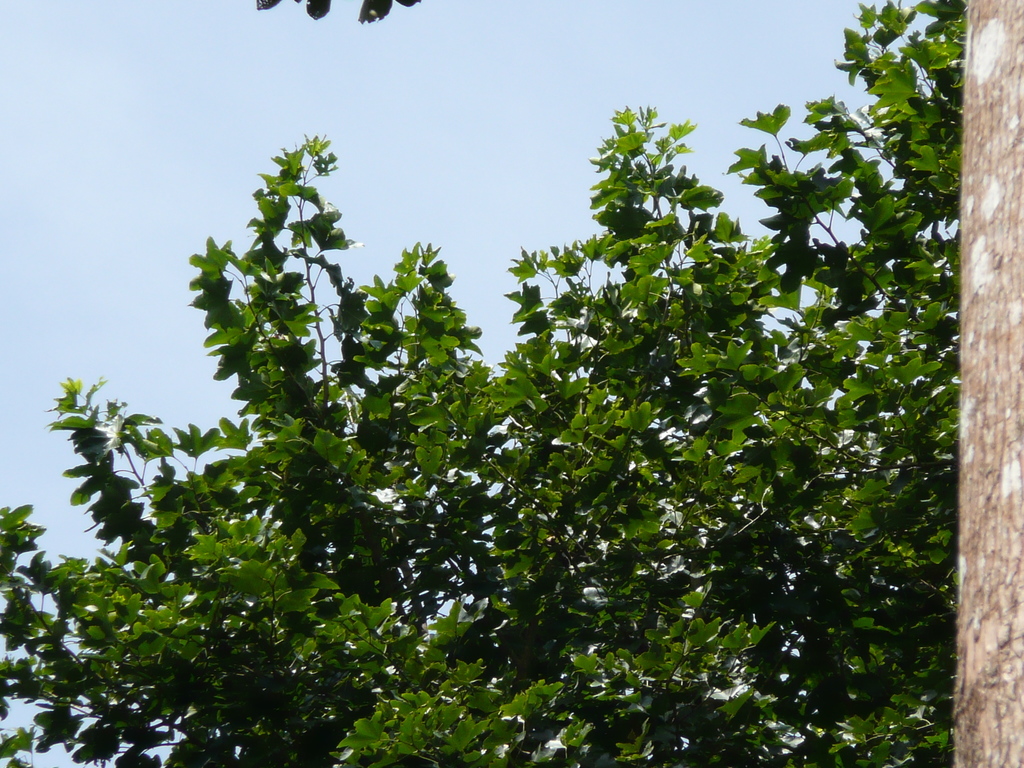
A towering tree of light and trade, rising from the forests of the Tano River Basin

Contents
🔎 Scientific Name: Triplochiton scleroxylon📍 Habitat and Distribution🌍 In the Tano River Basin, it grows:🌳 Botanical Description🌿 Ecological Role🪵 Economic Importance🌲 Wood properties:🌿 Traditional and Cultural Uses⚠️ Threats and ConservationConservation measures:🌱 Why It Matters for the Tano River

🔎 Scientific Name: Triplochiton scleroxylon

Common names: Obeche, African whitewood, Samba, Ayous (Fr.), “Wawa” (Akan), “Béré” (Baoulé)
Family: Malvaceae (previously Sterculiaceae)


📍 Habitat and Distribution

Triplochiton scleroxylon is native to tropical West and Central Africa, found in:

  • Moist semi-deciduous and evergreen forests, particularly in:
    • Ghana, Côte d’Ivoire, Nigeria, Cameroon, and DR Congo

🌍 In the Tano River Basin, it grows:

  • In lowland forest zones, especially:
    • Near the Tanoé-Ehy forest complex
    • Within community-managed reserves
    • Along shaded riverbanks and degraded forests in recovery

Obeche thrives in deep, fertile soils and humid environments, making it ideal for the mid and lower Tano Basin.
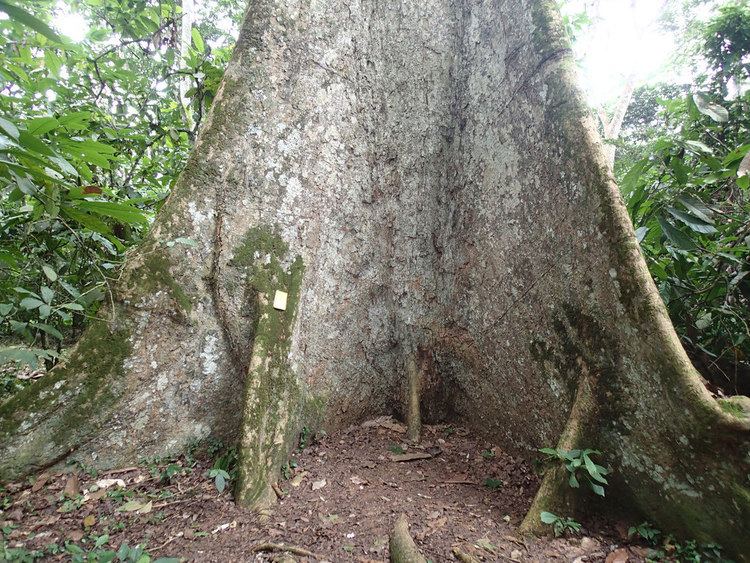

🌳 Botanical Description

  • Height: Often reaches 40–50 meters, with a clear, straight bole
  • Trunk: Cylindrical and tall, sometimes buttressed at the base
  • Bark: Greyish and rough, with small vertical cracks
  • Leaves: Large, star-shaped (palmate), similar to maple leaves — one of its most distinctive traits
  • Flowers: Small and white, pollinated by insects
  • Fruits: Capsule containing winged seeds

Its light-colored wood and enormous height make it a dominant tree in old-growth forests.


🌿 Ecological Role

  • Acts as a canopy stabilizer in mature tropical forests
  • Provides:
    • Nesting and roosting space for birds and bats
    • Leaf litter that enriches the forest floor
    • A microclimate that protects understory plants and insects

Because of its fast growth in secondary forests, it’s often used in reforestation efforts.


🪵 Economic Importance

One of the most commercially valuable timbers in West and Central Africa:

🌲 Wood properties:

  • Lightweight and pale-colored
  • Easy to cut, shape, and polish
  • Used for:
    • Plywood and veneers
    • Interior furniture and cabinets
    • Musical instruments, molding, and lightweight boats

Highly exported, especially from Ghana and Côte d’Ivoire, to Europe and Asia.


🌿 Traditional and Cultural Uses

Though less ritualized than other sacred trees, Obeche has local uses:

  • Light wood is used for carving stools, mortars, masks, and drums
  • Its bark may be used in decoctions to treat skin conditions or internal ulcers
  • Sometimes planted in village centers for shade due to its wide canopy

Its association with craftsmanship and building gives it symbolic ties to creation and legacy.


⚠️ Threats and Conservation

  • Intensely logged due to its commercial value
  • Regeneration in the wild is often poor without protection
  • Threatened by:
    • Illegal logging in protected forests
    • Land conversion for agriculture or mining

Conservation measures:

  • Community-based forest management
  • Sustainable timber certification (e.g., FSC)
  • Inclusion in agroforestry and restoration projects

🌱 Why It Matters for the Tano River

Triplochiton scleroxylon is:

  • A quiet architectural giant of the river’s forests
  • A source of livelihood, beauty, and environmental stability
  • A reminder that even economic trees deserve ecological respect

Its wood builds homes, but its roots hold the riverbanks.


🔗 Have you carved with Obeche or planted one near your home? Tell us about it at [TanoRiver.com/submit]


Sign Up For Daily Newsletter

Be keep up! Get the latest breaking news delivered straight to your inbox.
By signing up, you agree to our Terms of Use and acknowledge the data practices in our Privacy Policy. You may unsubscribe at any time.
Share This Article
Facebook Email Copy Link Print
ByAlexandre Tano Kan Koffi
Follow:

✍️ About the Author

Alexandre Tano Kan Koffi is the founder of TanoRiver.com and a passionate advocate for Africa’s environmental and cultural heritage. Named after the Tano River, he honors his legacy through storytelling and conservation.
📧 Contact: alex [@] alexandrekoffi.com

Leave a Comment Leave a Comment

Leave a Reply Cancel reply

Your email address will not be published. Required fields are marked *

Receive latest news from all areas of Wildlife Animals

Our selection of the week's biggest research news and features sent directly to your inbox. Enter your email address, confirm you're happy to receive our emails.

HOT NEWS

The Rivers, Lakes & Lagoons Collective

The rivers in Ghana

April 10, 2026

🪷 Cultural Significance of the Tano River

May 5, 2026

✨ Spiritual and Historical Importance of the Tano River

February 13, 2026

📖 Indigenous Stories and Oral Traditions of the Tano River

May 9, 2026

Follow US: 

About us

  • 🌍 The Project / Get Involved
  • ✉️ Contact us
  • 💛 Donate
  • 🤝 Partnerships / Collaborate

TanoRiver.com

  • Terms and Conditions
  • Privacy Policy
  • Cookie Policy

Cookies Notice

We use our own and third-party cookies to improve our services, personalise your advertising and remember your preferences.
Welcome Back!

Sign in to your account

Username or Email Address
Password

Lost your password?
