

The Tano River
  • Home
  • 🌊The River
    • The Tano River
    • Cultural Significance
    • Spiritual and Historical Importance
    • Taakora — The Deity of the Tano River
    • Comprehensive Analysis of the Tano River and Its Basin
  • 🌿Environment
    • Flora and Fauna
    • Environmental Challenges
    • Conservation Efforts
    • The Tano River Basin
    • The Galamsey Crisis
    • Animals of the Tano
    • Trees and Plants of the Tano
    • Parks and Forest
    • Lagoons
    • Tributaries of the Tano River
  • History
    • Stories and Oral Traditions
    • Historical Events
    • Ancient Trade and Conflicts
    • The Legend of Tano and Bia
    • Deities and Spirits
    • God Tano, Afua Krankra, and Asase Ya/Afua in Akan Mythology
  • 🎉Culture
    • Ethnic Groups Along the Tano River
    • Fishing, Agriculture, and Rituals
    • Festivals and River Ceremonies
    • The Natural Border Between Ghana and Ivory Coast
  • 🛶 Tourism
    • Natural Sites to Visit
    • Cultural Experiences
    • Local Guides & Eco-Tourism
    • Creating a Touristic Ecosystem
  • 🌍News
  • Global Initiative
  • 🌍About
    • 📖The Project / Get Involved
    • 🧾 About me
    • ✉️ Contact us
    • 🤝 Partnerships / Collaborate
    • 💛 Donate
    • 🌿 A Tribute to My Father and Grandfather
    • 🧾All Our articles
    • 🧾Search Our Articles
    • 📖Glossary of the Tano River Ecosystem
Donate
Font ResizerAa
The Tano RiverThe Tano River
Search

Popular Posts

The Rivers, Lakes & Lagoons Collective

The rivers in Ghana

About the River

🪷 Cultural Significance of the Tano River

About the River

✨ Spiritual and Historical Importance of the Tano River

Welcome to Tanoriver.com

Join the Tano River Collective Project and be part of a growing movement dedicated to preserving the life, culture, and ecosystems of the Tano River. Together, we can make a lasting impact.
Join Us
Follow US
TanoRiver.com
The Tano River > All our Articles > Environment & Biodiversity > Species of the Tano River > Mammals > 🦌 Tragelaphus scriptus – The Bushbuck
Mammals

🦌 Tragelaphus scriptus – The Bushbuck

By
Alexandre Tano Kan Koffi
Last updated: April 20, 2026
4 Min Read
Share

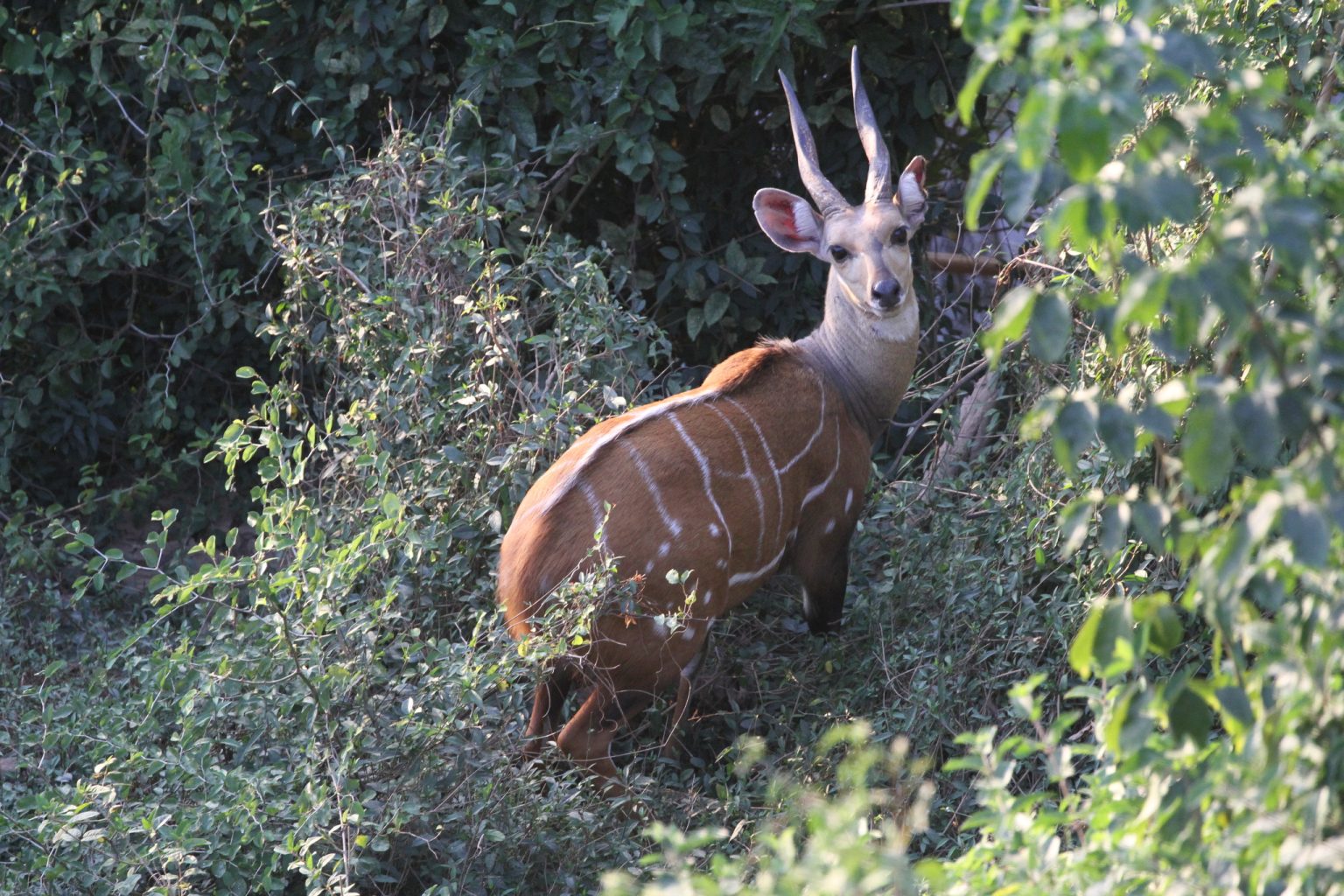
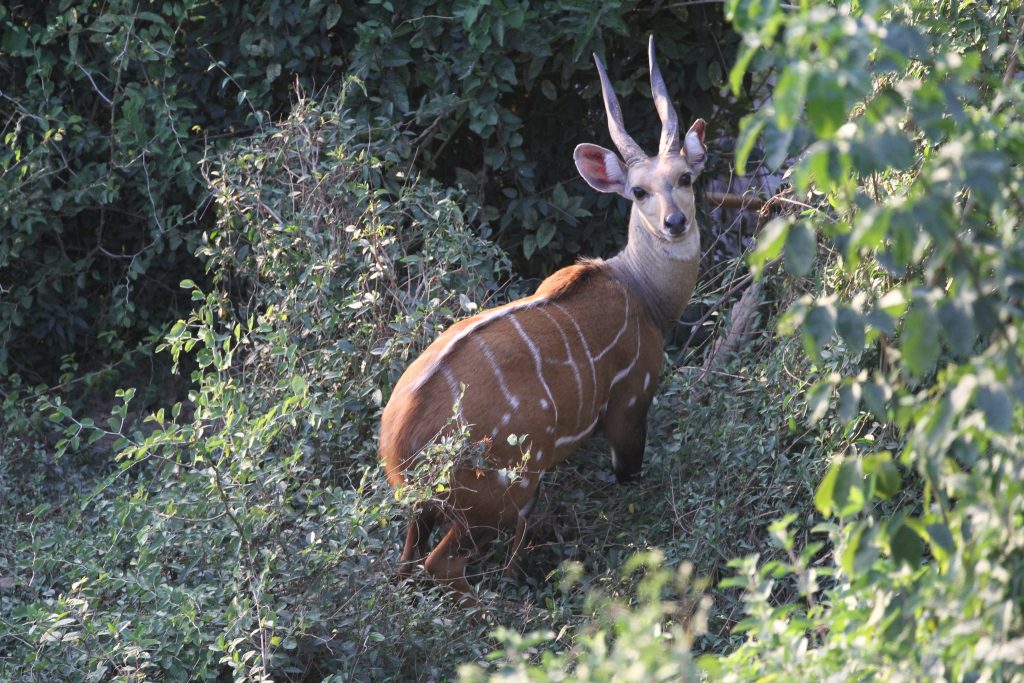
A solitary antelope of the forest margins, silent and secretive along the Tano River

Contents
🔎 Scientific Name: Tragelaphus scriptus🌍 Habitat and Distribution🌿 In the Tano River region, bushbucks inhabit:🦌 Physical Description🌿 Behavior and Ecology🐾 Role in the Ecosystem🧙🏾‍♂️ Cultural Significance⚠️ Threats and Conservation🛡️ Conservation Efforts🌊 Why It Matters for the Tano River

🔎 Scientific Name: Tragelaphus scriptus

Common names: Bushbuck, Forest antelope, “Agban” (Akan), “Gbè” (Baoulé)
Family: Bovidae
IUCN Status: Least Concern (but declining in some regions)


🌍 Habitat and Distribution

The bushbuck is one of the most widespread antelopes in sub-Saharan Africa. It is native to:

  • Ghana, Côte d’Ivoire, Nigeria, Cameroon, and most of tropical Africa

🌿 In the Tano River region, bushbucks inhabit:

  • Forest edges, riverine thickets, and dense underbrush
  • Particularly common in:
    • The Tanoé-Ehy Swamp Forest
    • Gallery forests and sacred groves along riverbanks
    • Transition zones between wetlands and farmlands

They are one of the few antelopes that thrive in dense vegetation, adapting well to forested environments.


🦌 Physical Description

  • Size: 60–90 cm (shoulder height)
  • Weight: 30–45 kg (males), smaller for females
  • Coloration:
    • Coat varies from reddish-brown to dark brown
    • Marked with white spots and vertical stripes on flanks and legs
    • White throat patch and undersides
  • Horns: Only males have them — short, spiraled, and sharp

Their coloration blends perfectly with dappled forest light, offering excellent camouflage.


🌿 Behavior and Ecology

  • Solitary and secretive: often active at dawn and dusk
  • Feeds on:
    • Leaves, twigs, fruits, and herbs
    • Occasionally crops, bringing them into conflict with farmers
  • Water-dependent: often found near streams or rivers like the Tano
  • Movement:
    • Slow and cautious
    • Uses dense vegetation for cover; rarely seen in open areas

Males are territorial, while females may overlap ranges with offspring.


🐾 Role in the Ecosystem

  • Browsers that help shape vegetation structure
  • Serve as prey for leopards, large pythons, crocodiles, and hunting birds
  • Important seed dispersers, especially of forest fruit trees

Their survival depends on the integrity of understorey vegetation and forest cover.


🧙🏾‍♂️ Cultural Significance

In many Akan and Nzema traditions, the bushbuck is:

  • Associated with shyness, vigilance, and stealth
  • Featured in folktales as a clever trickster or elusive prey
  • Sometimes considered a sacred animal in certain forest shrines
  • Its horns and hides are occasionally used in rituals or as status symbols

Hunters often revere the bushbuck for its intelligence and awareness — it’s known to freeze silently when threatened rather than bolt.


⚠️ Threats and Conservation

Although listed as Least Concern, bushbuck populations are threatened by:

  • Habitat destruction from agriculture, logging, and mining
  • Hunting for bushmeat, especially in unprotected forests
  • Dog hunting and snare traps, often unselective and cruel
  • Encroachment into protected riparian zones, including around the Tano

Local populations are declining in many parts of Ghana and Côte d’Ivoire.


🛡️ Conservation Efforts

  • Survives in community-managed forests and sacred groves
  • Present in the Tanoé-Ehy Forest, though under pressure
  • Conservation actions include:
    • Ecotourism and forest monitoring
    • Anti-poaching patrols
    • Awareness campaigns about the species’ ecological importance

🌊 Why It Matters for the Tano River

The bushbuck is:

  • A symbol of wilderness and natural secrecy
  • A browser that sustains forest health and balance
  • A reminder that even common species can vanish without protection

Where river meets forest, the bushbuck watches, listens, and vanishes — a quiet guardian of the Tano’s edge.


🔗 Have you encountered a bushbuck in the wild? Or heard stories from elders? Share your sightings at [TanoRiver.com/submit]


Sign Up For Daily Newsletter

Be keep up! Get the latest breaking news delivered straight to your inbox.
By signing up, you agree to our Terms of Use and acknowledge the data practices in our Privacy Policy. You may unsubscribe at any time.
Share This Article
Facebook Email Copy Link Print
ByAlexandre Tano Kan Koffi
Follow:

✍️ About the Author

Alexandre Tano Kan Koffi is the founder of TanoRiver.com and a passionate advocate for Africa’s environmental and cultural heritage. Named after the Tano River, he honors his legacy through storytelling and conservation.
📧 Contact: alex [@] alexandrekoffi.com

Leave a Comment Leave a Comment

Leave a Reply Cancel reply

Your email address will not be published. Required fields are marked *

Receive latest news from all areas of Wildlife Animals

Our selection of the week's biggest research news and features sent directly to your inbox. Enter your email address, confirm you're happy to receive our emails.

HOT NEWS

The Rivers, Lakes & Lagoons Collective

The rivers in Ghana

April 10, 2026

🪷 Cultural Significance of the Tano River

May 5, 2026

✨ Spiritual and Historical Importance of the Tano River

February 13, 2026

📖 Indigenous Stories and Oral Traditions of the Tano River

May 9, 2026

Follow US: 

About us

  • 🌍 The Project / Get Involved
  • ✉️ Contact us
  • 💛 Donate
  • 🤝 Partnerships / Collaborate

TanoRiver.com

  • Terms and Conditions
  • Privacy Policy
  • Cookie Policy

Cookies Notice

We use our own and third-party cookies to improve our services, personalise your advertising and remember your preferences.
Welcome Back!

Sign in to your account

Username or Email Address
Password

Lost your password?
