



Executive Summary
The Tano River Basin in Ghana, a transboundary ecological and cultural landscape, possesses significant inherent potential for ecotourism development. Its rich biodiversity, including critically endangered species like the pygmy hippopotamus, coupled with profound cultural and spiritual significance for the Akan and Ashanti people, offers unique and immersive visitor experiences. Furthermore, Ghana’s existing framework for community-based ecotourism provides a strong foundation for sustainable development.
However, the realization of this potential is severely hampered by critical pitfalls. Foremost among these is widespread environmental degradation, primarily driven by illegal gold mining (“galamsey”), which has severely polluted the river, destroyed habitats, and poses significant health risks. Concurrently, inadequate infrastructure, particularly in road access, waste management, and sanitation, presents substantial operational and public health challenges. Competing land uses, such as agriculture and logging, further exacerbate environmental pressures and create socio-economic conflicts.
To transform the Tano River Basin into a thriving ecotourism destination, a multi-faceted and integrated strategic approach is imperative. This includes aggressive environmental restoration and enforcement against illegal mining, targeted and sustainable infrastructure development, genuine community empowerment through equitable benefit-sharing and capacity building, and strengthening governance mechanisms to ensure coordinated, basin-wide management. Drawing lessons from successful global river ecotourism models, the Tano can leverage its unique assets to foster a sustainable tourism economy that benefits both its natural environment and local communities.
1. Introduction: The Tano River Basin Context
1.1. Geographical, Ecological, and Hydrological Overview
The Tano River Basin represents a vital transboundary river system, shared between Ghana and Côte d’Ivoire, and forms one of the four principal basins within Ghana’s southwestern river network, alongside the Ankobra, Bia, and Pra basins. This extensive basin covers approximately 16,060 square kilometers, with the majority (92.6%, or 14,875 square kilometers) situated within Ghana. Geographically, it lies between latitudes 5°00′ N and 7°40′ N, and longitudes 1°48′ W and 3°05′ W, encompassing the western-northern part of Ghana.
The Tano River, the basin’s main watercourse, stretches approximately 512 kilometers in length, although some sources indicate a length of 400 kilometers. It originates from the Boyem Mountain Ranges near Techiman and flows southwestward, ultimately discharging into the Ehy/Tano/Aby Lagoon complex, which straddles the border between Ghana and Côte d’Ivoire. Notably, most of this lagoon system lies within Côte d’Ivoire, and the river forms the final few kilometers of the international land boundary between the two nations before entering the Atlantic Ocean. This transboundary characteristic of the Tano River, serving as a shared resource and international boundary, underscores that any efforts towards ecotourism development, environmental management, or pollution control require bilateral cooperation between Ghana and Côte d’Ivoire. A unilateral approach would be insufficient, as environmental impacts and resource management challenges often transcend national borders, necessitating regional diplomatic and policy coordination for effective sustainability.
The basin’s topography is diverse, ranging from highlands with average elevations around 540 meters above sea level in the upstream areas, particularly near the Boyem Mountain Ranges, to middle sections dropping to about 225 meters, and much flatter southern areas ranging between 0 and 15 meters, with an average elevation of 50 meters above sea level. This varied topography contributes to a well-developed drainage network, including the Tano River and nine major tributaries. Geologically, the Tano Basin is situated within Ghana’s extensive Precambrian basement complex, primarily composed of crystalline igneous and metamorphic rocks, with Granite, Birimian Sediments, and Birimian Volcanics being the dominant formations. The Tano River’s average depth can exceed 10 meters in some sections.
The Tano Basin is recognized for its diverse terrestrial and aquatic ecosystems, which provide vital services such as water supply, biodiversity, and climate regulation, crucial for supporting local livelihoods. This inherent ecological richness presents significant value for ecotourism development. However, the very diversity and vitality of these ecosystems also make them highly susceptible to environmental degradation. The varied topography, from mountainous headwaters to flat coastal plains, suggests a wide range of potential ecotourism activities, such as highland trekking, river exploration, and birdwatching in different ecological zones. This ecological breadth, while offering immense opportunity, also implies that conservation and ecotourism strategies must be multi-faceted and tailored to the specific characteristics and vulnerabilities of each sub-region within the basin.
1.2. Socio-Economic Activities and Administrative Landscape
Administratively, the Tano Basin is complex, encompassing six administrative regions and 29 District and Municipal Assemblies within Ghana. Approximately 40% of the basin falls within the Western North Region, 25% in the Ahafo Region, 15% in the Ashanti Region, 10% in the Western Region, 8% in the Bono Region, and the remaining 2% in the Bono East Region. This fragmented administrative structure presents significant challenges for coordinated policy implementation, effective environmental regulation enforcement, particularly concerning illegal mining, and integrated tourism planning. The presence of numerous governmental units necessitates robust inter-agency and inter-regional cooperation mechanisms to ensure a cohesive approach to sustainable development.
The Tano Basin is an economically vital region, supporting millions of people through a diverse range of socio-economic activities, including agriculture, forestry, mining, tourism, and fisheries. Agriculture is the primary occupation for over 27% of the basin’s population, rising to 47% in rural areas. Cocoa is the dominant cash crop, contributing significantly to household incomes, while other major crops include oil palm, rubber, coffee, plantain, cassava, and coconut. The region’s dominant forest ochrosols are generally fertile, suitable for a wide array of arable crops.
The basin is notably rich in mineral resources, particularly gold, which is extensively mined in areas such as Kenyase, Bibiani, and Sefwi-Surano. However, illegal mining, locally known as “galamsey,” is widespread and contributes significantly to water pollution, changing the river’s natural color to brown and diminishing its ecological integrity. Logging and timber processing also constitute major industries in forested areas, with Non-Timber Forest Products (NTFPs) providing up to 35% of farmers’ annual income. Urban economies in towns like Techiman, Sunyani, and Goaso are more diversified, featuring trading, crafts, and small-scale industries. Internal migration has also played a role in shaping the basin’s urban population.
The heavy reliance on extractive industries like mining and, to a lesser extent, unsustainable agricultural practices for livelihoods creates a direct and often destructive conflict with the principles of ecotourism development and environmental conservation. The economic dependence on activities that degrade the environment means that communities often prioritize short-term gains over long-term ecological health. Ecotourism, by offering alternative and sustainable income streams, presents a crucial pathway for economic diversification. By providing viable and equitable alternative livelihoods, ecotourism can reduce the economic pressure on environmentally damaging practices, thereby fostering a more sustainable economic landscape.
1.3. Cultural and Spiritual Significance of the Tano River
The Tano River holds profound spiritual and cultural importance for the Akan and Ashanti people, deeply embedded in their practices and symbolizing the vital connection between humans and the natural world. The river is personified and worshipped as a powerful water spirit and revered deity, Tano (also known as Tano Kwesi), playing a central role in the Akan people’s understanding of nature and spirituality. Tano is closely linked to agriculture, fertility, and the sustenance of life, with people often seeking blessings for prosperity and abundance. The river’s deep, clear waters are often symbolized by the color blue in ceremonies, representing purity and life.
The influence of Tano is evident in rituals, stories, and cultural traditions, making the deity a vital presence in the spiritual life of the Akan. Local folklore recounts stories of Tano’s complex nature—both nurturing and capable of destruction when angered—warning that neglect or disrespect toward the river can result in natural disasters or poor harvests. The river god, sometimes referred to as Kwadwo Tano, is believed to manifest in various forms, including as a Muslim or a large crocodile, accepting sacrifices such as kenkey, bread, or fowl for blessings and protection. This pre-existing cultural value system, which inherently promotes respect for the river, offers a powerful indigenous foundation for conservation efforts. Leveraging this cultural reverence can promote environmental protection not merely as an economic imperative but as a sacred duty, potentially fostering greater local buy-in and stewardship for ecotourism initiatives.
The Tano Sacred Grove, nestled within a semi-deciduous forest near Tanoboase, is a historical landmark and an important religious site for African Traditional Religion. It is believed to be the cradle and traditional home of the Bono people, where oral history suggests they emerged from a cave called Amowi centuries ago. The grove is also believed to be the source of the Tano River and the dwelling place of Taakora, the highest Akan god on Earth. Historically, the grove served as a refuge during tribal wars and slave raids, with visitors able to explore caves, ancient food preparation areas, and etchings that provide a tangible link to the past. It is also the site of the annual Apoo festival, a significant spiritual cleansing event held in April or May. The confluence of the Tano River and the sea is also highlighted as a “magical meeting point” for exploring African spirituality and history, offering unique spiritual tourism experiences.
These rich cultural and spiritual narratives, coupled with tangible historical sites and living traditions, offer a strong basis for developing immersive, authentic cultural ecotourism experiences. Opportunities exist for visitors to engage actively by joining villagers, visiting local farms and schools, observing traditional food preparation and village industries, and listening to traditional songs and stories. This approach moves beyond passive sightseeing to active engagement, which is a hallmark of high-quality, sustainable ecotourism.
However, this cultural wealth also presents a critical challenge: preventing cultural commodification. While cultural significance is a powerful draw, if not managed carefully with genuine local participation and control, tourism can erode authenticity, leading to resentment and undermining the very cultural assets it seeks to leverage. By thoughtfully integrating cultural heritage into ecotourism initiatives, communities can gain direct economic incentives to preserve their traditions and sacred sites, countering pressures from modernization and resource exploitation. This creates a virtuous cycle where the economic value derived from cultural authenticity reinforces its preservation, making ecotourism a tool for cultural resilience and continuity.
2. Potentials for Ecotourism Development
2.1. Natural Attractions and Rich Biodiversity
The Tano River meanders gracefully through Ghana’s lush landscapes, offering a serene escape and serving as a vital waterway that shapes the surrounding ecosystems. The basin is a haven for diverse flora and fauna, making it an attractive destination for birdwatchers and wildlife enthusiasts. Its riverbanks, in particular, serve as a habitat for many rare and migratory bird species. The Tano Basin is recognized as ecologically vital, supporting rich terrestrial and aquatic ecosystems that are fundamental to its natural appeal.
A significant and compelling draw for conservation-focused ecotourism is the presence of critically endangered species. The pygmy hippopotamus (Hexaprotodon liberiensis), classified as an Evolutionarily Distinct and Globally Endangered (EDGE) species, is believed to have fewer than 12 individuals surviving in the Tano River basin. The observation of a small herd with young suggests a successful adaptation and breeding within the high forest ecosystem, offering a unique opportunity for specialized wildlife viewing and conservation efforts. Additionally, Miss Waldron’s Red Colobus (
Piliocolobus badius waldronae), one of the world’s most threatened primates, is believed to inhabit the forest between the Tano River and Ehy Lagoon. The presence of such flagship species provides a powerful narrative and unique selling proposition for high-value, conservation-focused ecotourism, attracting specialized tourists and potentially significant funding for habitat protection. This transforms a critical conservation challenge into a compelling tourism asset, directly linking the economic viability of ecotourism to the protection of these species.
Several forest reserves have been established within the basin to protect river headwaters and conserve biodiversity, including the Boin Tano, Tano Suraw, Tano Suhien, and Disue Forest Reserves. The Tano-Anwia Forest Reserve alone accounts for 0.5% of Ghana’s total biodiversity conservation potential. The Ankasa Resource Reserve is another notable natural attraction within the basin. These protected areas provide opportunities for visitors to spot various wildlife, including antelope, baboons, and monkeys. The Tano Sacred Grove also offers nature trails for observing diverse plant, tree, bird, and butterfly species.
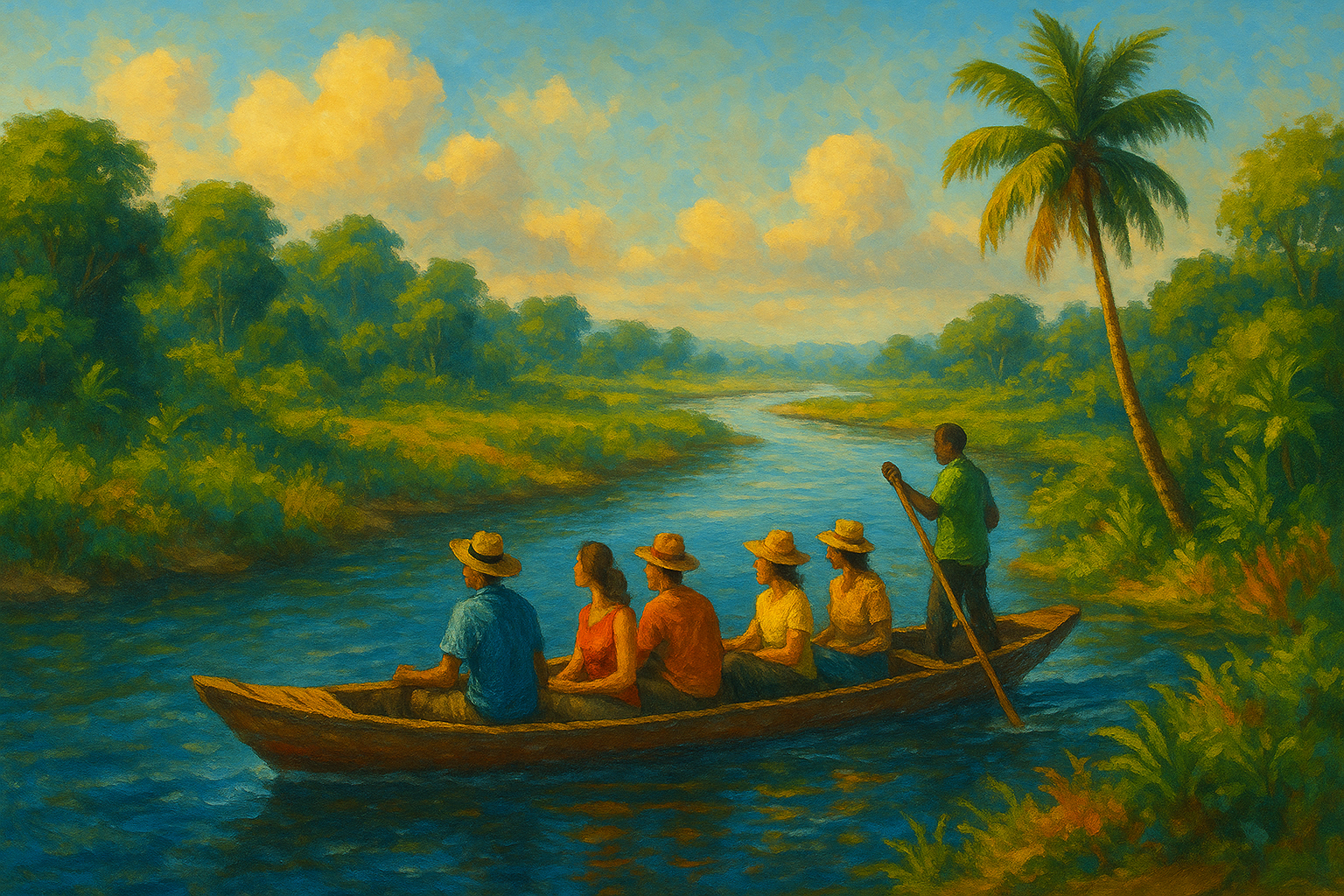
Existing recreational activities along the Tano River include canoeing through gentle currents amidst lush greenery, offering a tranquil experience. Birdwatching is particularly recommended during early mornings or late afternoons for optimal viewing. Riverside picnicking is also suggested as a peaceful way to enjoy the natural ambiance. The existence of multiple forest reserves and established activities like canoeing and birdwatching indicates a foundational network for ecotourism. However, to maximize this potential, integrated planning across these protected areas is essential. This would facilitate the creation of cohesive tourism routes and maximize conservation impact, moving beyond isolated efforts to a strategic, basin-wide approach that considers ecological corridors and manages visitor flow effectively.
2.2. Unique Cultural and Historical Heritage
The Tano River is not merely a geographical feature but a central element in the spiritual and cultural identity of the Akan and Ashanti people. It is personified as Tano, a revered river deity that symbolizes life, fertility, and the balance of nature. This deep connection provides a rich narrative for cultural ecotourism.
The Tano Sacred Grove, a historical landmark situated near Tanoboase, stands as a pivotal religious site for African Traditional Religion. Oral history suggests it is the ancestral home of the Bono people, who are believed to have emerged from a cave within the grove centuries ago. The grove is also considered the source of the Tano River and the dwelling place of Taakora, the highest Akan god on Earth. Beyond its spiritual significance, the grove served as a refuge during historical tribal wars and slave raids, offering a tangible link to the past through its caves, ancient food preparation areas, and etchings. The annual Apoo festival, a significant spiritual cleansing event, is held in the grove, providing a vibrant cultural spectacle.
The rich tapestry of cultural and spiritual narratives, coupled with tangible historical sites and living traditions, offers a strong basis for developing immersive, authentic cultural ecotourism experiences. Opportunities abound for visitors to engage actively with local communities, moving beyond passive observation. This can include joining villagers in their daily life, visiting local farms and schools, observing traditional food preparation and village industries, and listening to traditional songs and stories. Such participatory experiences are a hallmark of high-quality, sustainable ecotourism, fostering a deeper understanding and appreciation of the local culture.
Further enriching the historical landscape is Bono Manso, the former capital of the Bono State, an early urban settlement that houses a medieval bronze basin used for rain-making rituals. Nearby attractions, such as the Boabeng-Fiema Monkey Sanctuary, where monkeys are considered sacred and protected by religious taboos, further enhance the cultural and natural tourism offerings of the region. The confluence of the Tano River and the sea is also highlighted as a “magical meeting point” for exploring African spirituality and history, suggesting unique spiritual tourism experiences.
By thoughtfully integrating cultural heritage into ecotourism initiatives, communities can gain direct economic incentives to preserve their traditions and sacred sites. This approach can effectively counter pressures from modernization and resource exploitation, which might otherwise lead to the erosion of cultural authenticity. The economic value derived from cultural authenticity, when managed equitably, creates a virtuous cycle that reinforces cultural preservation. This means that ecotourism can serve as a powerful tool for cultural resilience and continuity, ensuring that the unique heritage of the Tano Basin is sustained for future generations.
2.3. Existing Community-Based Ecotourism Initiatives and Frameworks
Ghana has demonstrated a strong commitment to community-led ecotourism, actively promoting initiatives that balance conservation, cultural preservation, and economic growth through local participation. This established national framework provides a robust blueprint for the Tano River Basin. Successful examples, such as the Boabeng-Fiema and Tafi Atome Monkey Sanctuaries, illustrate how ecotourism can thrive in harmony with traditional beliefs, employing strategies like fair profit sharing, skills training for communities, and the establishment of local governance structures to ensure long-term sustainability.
An extensive list of official ‘Community-Based Eco Tourism Projects’ (CBEP) has been developed in Ghana through collaborative efforts involving key organizations such as the Nature Conservation Research Centre (NCRC), Ghana Tourist Board (GTB), SNV Netherlands Development Organization, and Peace-Corps Ghana. The Tanoboase Sacred Grove itself became a CBEP in 1996 and was designated an eco-tourism site in 2001 with support from the Ghana Association for the Conservation of Nature (GACON). The core principles guiding these initiatives emphasize enabling local people to generate income, thereby alleviating poverty, and ensuring that tourism revenues are reinvested into community development, such as providing basic facilities. A fundamental objective is also the preservation of delicate natural resources and endangered species.
Ecotourism is widely recognized for its potential to create jobs and income opportunities, reduce poverty levels, and improve the overall quality of life for local communities. It also promotes sustainable development by channeling funds directly into conservation projects. Best practices advocate for the active involvement of local people as consultants or directors of community-based projects, providing necessary job training and education to enhance their participation and ensure they are equipped for roles in the tourism sector. Governments are encouraged to implement measures that ensure revenue retention within local economies and promote local investment and employment across various tourism-related ventures, including lodging and guide services.
The Green Shepherd Ghana (GSG) project along the Tano River Basin exemplifies this community-centric approach. This initiative proposes the establishment of a community-managed wildlife sanctuary specifically for the resident hippo population, alongside the rehabilitation of degraded riverine forests, promotion of sustainable land use practices, and the development of a community-managed eco-tourism package. This project highlights how ecotourism can serve as an alternative sustainable livelihood option, directly addressing the underlying economic drivers of destructive practices like illegal mining and unsustainable agriculture. By offering viable economic alternatives and ensuring fair profit sharing and skills training for communities, ecotourism can act as a powerful conflict resolution mechanism for competing land uses, shifting community reliance away from environmentally damaging activities towards sustainable practices. The existence of these established frameworks and successful models in Ghana provides a significant advantage for the Tano River Basin, allowing for accelerated adaptation of proven strategies rather than starting from scratch.
3. Pitfalls and Challenges to Sustainable Ecotourism
3.1. Environmental Degradation and Water Quality
The Tano River Basin faces severe environmental degradation, primarily driven by human activities, which poses a fundamental challenge to ecotourism development.
Pervasive Illegal Mining (“Galamsey”): Illegal gold mining is widespread throughout the Tano Basin and is the most significant contributor to severe water pollution. This activity has visibly altered the river’s natural state, changing its color to brown and diminishing its glory. Mining operations frequently occur directly on the riverbed, with mining residue flowing directly into the water, leading to heavy metal and metalloid contamination. These heavy metals, including Lead, Cadmium, Arsenic, Zinc, and Mercury, originate from industrial discharges, agricultural runoffs (pesticides, fertilizers), and mining activities. A concerning aspect is that less than 1% of these pollutants dissolve in the water, with the vast majority becoming trapped in river sediment, posing long-term ecological and health risks.
Health and Water Scarcity Risks: The pollution stemming from illegal mining is directly linked to chronic diseases such as kidney failure, birth defects, and cancer in affected mining communities. The Ghana Water Company Limited has issued stark warnings regarding severe water scarcity by 2030 if illegal mining is not curtailed, citing alarming turbidity levels in the Tano River (up to 14,000 NTU), which far exceed the requirements for adequate water treatment. This severe water pollution represents an existential threat to ecotourism development along the Tano River. Ecotourism fundamentally relies on pristine or well-managed natural environments; a heavily polluted river negates its core premise, deters potential visitors, and poses direct health risks to both tourists and local communities, rendering any ecotourism venture unviable until this foundational problem is resolved.
Habitat Destruction and Deforestation: Galamsey activities, often involving heavy machinery like excavators and bulldozers, cause massive devastation of forests, extensive habitat destruction, and significant soil degradation. This directly impacts Ghana’s natural beauty and biodiversity, undermining the very assets that ecotourism seeks to promote.
Water Hyacinth Invasion: The Tano River and Tano Lagoon are experiencing a significant invasion by water hyacinth, an invasive species that blocks water bodies. This invasion poses a substantial threat to smallholder farming, leading to the destruction of farm produce due to reduced access, increased travel time for farmers, and in some cases, the abandonment of farms across the lagoon. This issue also negatively impacts traditional fishing activities.
Inadequate Waste Management and Sanitation: Beyond mining, inadequate sanitation, poor hygiene practices, and improper waste management contribute significantly to waterborne disease outbreaks and further contaminate the river. Flooding, a recurrent issue in the basin, exacerbates these problems by disrupting water and sanitation infrastructure and contaminating water sources with sewage and other pollutants. Challenges in waste management include high costs, a lack of recycling programs, jurisdictional issues, limited funds, and a need for enhanced coordination among various stakeholders.
The environmental problems in the Tano Basin are not isolated incidents but form a complex, interconnected web. Illegal mining leads to severe water pollution and widespread deforestation, which in turn exacerbates flooding, contributes to water scarcity, and negatively impacts agriculture. The water hyacinth invasion further compounds these issues, creating a degraded environment that undermines ecological health and human well-being. This interconnectedness highlights that a holistic, integrated environmental management and restoration strategy is required, rather than piecemeal interventions, for ecotourism to have any chance of long-term success.
Table 1: Major Environmental Impacts and Their Primary Sources in the Tano River Basin
| Environmental Impact | Primary Sources |
| Severe Water Pollution (Turbidity, Heavy Metals, Chemicals) | Illegal Gold Mining (“Galamsey”), Industrial Discharges, Agricultural Runoff (Pesticides, Fertilizers), Inadequate Domestic Waste & Sanitation |
| Deforestation & Habitat Destruction | Illegal Gold Mining (“Galamsey”), Logging & Timber Harvesting, Unsustainable Land Use Practices |
| Soil Degradation | Illegal Gold Mining (“Galamsey”), Agricultural Runoff |
| Water Scarcity & Health Risks (Waterborne Diseases) | Illegal Gold Mining (“Galamsey”), Inadequate Domestic Waste & Sanitation, Flooding |
| Water Hyacinth Invasion | Environmental factors, potentially exacerbated by nutrient pollution |
| Increased Flooding | Deforestation, Land Use Change, Climate Change, Improper Waste Management |
3.2. Infrastructure Deficiencies
The existing infrastructure in the Tano River Basin presents significant limitations that impede the development and sustainability of ecotourism.
Road Accessibility and River Crossings: The road network, while connecting major population centers in Ghana, suffers from deficiencies, particularly in rural areas. Poor road conditions and the inadequacy of previous river crossings mean that many routes become impassable during the rainy season. This leads to significant transport disruptions, impacting the movement of both goods and people, including farmers and traders. For ecotourism, this directly translates to limited accessibility for visitors, seasonal operational challenges, and increased travel times, negatively affecting the overall visitor experience. The ongoing construction of the Tano Bridge at Ntotroso-Acherensua, designed to be durable and include pedestrian walkways, represents a critical step in improving connectivity and safety in the region.
Limited Tourism Facilities: While some basic accommodation exists, such as the Tano River Lodge in Kontrajeso , and various hotels and guesthouses in Techiman and Sunyani , the region generally lacks comprehensive and high-quality receptive facilities essential for a thriving tourism sector. There is a recognized need for more hotels, restrooms, and guesthouses strategically located near potential tourist sites. The Ghana Tourism Development Project (GTDP) is actively working to address some of these gaps by innovating and protecting tourism infrastructure, including the provision of multi-purpose washrooms and pavements at sites like Kintampo Water Falls, and giving facelifts to major tourist attractions.
Inadequate Waste Management and Sanitation: A critical deficiency lies in the waste management and sanitation infrastructure. Uncontrolled and unsafe waste disposal practices are prevalent, posing significant human health and environmental risks. Inadequate sanitation facilities and poor hygiene practices are primary factors contributing to waterborne diseases in communities along the Tano River. Challenges in developing and maintaining adequate waste collection and disposal infrastructure include high costs, particularly in remote areas, the absence of widespread recycling programs, jurisdictional issues across numerous administrative divisions, and limited funding. The Ministry of Water Resources and Sanitation aims to scale up investments in these areas, improve access to potable water, and promote effective solid and liquid waste management, including centralized systems.
The deficiencies in infrastructure, particularly road connectivity during rainy seasons and inadequate waste and sanitation facilities, act as major bottlenecks for scaling up ecotourism. These are not minor inconveniences but fundamental barriers to visitor access, safety, and public health, which are prerequisites for any successful tourism venture. Targeted investments in these areas are not merely improvements but fundamental enablers for tourism growth and improved public health. Investing in tourism-specific infrastructure, such as better roads, efficient waste management systems, and reliable clean water supplies, directly benefits local communities by improving their quality of life, health outcomes, and access to markets. This creates a powerful synergy, fostering local support for ecotourism initiatives because the development directly addresses their fundamental needs, making them partners in conservation rather than just service providers.
Table 2: Key Infrastructure Gaps and Their Impact on Ecotourism in the Tano River Basin
| Infrastructure Gap | Impact on Ecotourism | Broader Implications for Communities |
| Road Connectivity & River Crossings | Limited Accessibility, Seasonal Disruption, Increased Travel Time | Economic Isolation for Communities, Challenges for Agricultural Trade, Safety Concerns |
| Accommodation Facilities | Poor Visitor Experience, Limited Capacity for Tourists | Missed Economic Opportunities, Slow Local Business Growth |
| Waste Management Systems | Environmental Degradation, Reduced Aesthetic Appeal, Health Risks | Widespread Pollution, Public Health Burden, Undermined Conservation Efforts |
| Sanitation Facilities | Health Risks for Visitors, Poor Hygiene Standards | High Incidence of Waterborne Diseases, Reduced Quality of Life |
| Potable Water Supply | Health Risks for Visitors, Operational Challenges for Lodges | Water Scarcity, Public Health Burden, Increased Costs for Water Access |
3.3. Land Use Conflicts and Resource Exploitation
The Tano Basin is characterized by intense competition for land and natural resources, leading to significant conflicts that undermine conservation efforts crucial for ecotourism.
Forest Loss and Agricultural Expansion: A major historical land use change in the Tano Basin has been the widespread conversion of dense forest to open forest, and subsequently to settlement and cropland. Between 1986 and 2020, cropland and settlement areas increased significantly, while dense and open forest areas experienced substantial decreases. This rapid transformation is driven by a growing population and rising demand for land, leading to encroachment into forest reserve areas. The conversion of riverine forests to unsuitable intensive agriculture contributes to water pollution, soil erosion, and further deforestation.
Impact of Mining and Other Extractive Activities: Extensive cocoa farming and gold mining are prevalent even within established forest reserves, directly endangering vegetation and complicating natural resource management. Illegal small-scale mining (“galamsey”) is particularly destructive, devastating forests, river bodies, farmlands, and vital crops like cocoa. The challenges in addressing illegal mining include weak enforcement of laws, poor road networks, and the practice of leasing family land for small-scale mining operations. Beyond mining and agriculture, other resource exploitation activities such as bush fires, illegal logging (especially for valuable rosewood), charcoal production, wildlife poaching, and gold panning further exacerbate land use conflicts.
Human-Wildlife Conflict: The migratory habits of species like the pygmy hippopotamus, which move long distances to prime feeding grounds, lead to conflicts with local communities. These conflicts manifest as crop-raiding, fear due to the animals’ large size, and attempts by local hunters to kill hippos for meat. This universal fear and resentment from communities, often unfamiliar with such large animals, highlight the potential for human-wildlife conflict to undermine conservation efforts if not proactively managed.
The Tano Basin faces an intense competition for finite land and resources, with rapid conversion of forests to agriculture and settlements, compounded by widespread illegal mining. This creates a zero-sum competition that directly undermines conservation efforts essential for ecotourism, establishing a fundamental conflict between short-term economic gains and long-term sustainability. Without addressing the root causes of resource exploitation, ecotourism will remain vulnerable to these competing land uses. Resolving these conflicts requires comprehensive, participatory land-use planning that prioritizes sustainable practices and provides viable alternative livelihoods to communities currently dependent on destructive activities. Without addressing these underlying economic drivers, ecotourism development will struggle to achieve its conservation goals.
3.4. Socio-Cultural Risks: Commodification and Equitable Benefit Sharing
While ecotourism holds immense potential for the Tano River Basin’s communities, it also carries inherent socio-cultural risks that, if not carefully managed, can undermine its sustainable objectives.
Cultural Commodification and Authenticity: The Tano River’s deep cultural and spiritual significance, coupled with its vibrant traditions and sacred sites, presents a unique draw for ecotourism. However, this also creates a significant risk of cultural commodification. The commercialization of indigenous cultures and heritage is a common phenomenon in cultural tourism, where the outcomes can be both constructive and destructive, emancipating or exploitative. There are concerns that commodification can reduce cultural authenticity and negatively impact local identity and values. The case of the Tanoboase Sacred Natural Site, despite being a “stunning historical-natural eco-tourism project,” has not fully capitalized on tourist dollars, partly because the culture and traditions of local people were not properly considered or actively involved in the planning and development, leading to waning interest and reduced income. This highlights the delicate balance required to ensure cultural integrity is maintained, where local communities are empowered to define and share their own narratives, rather than having their traditions superficially exploited for tourist consumption.
Equitable Benefit Sharing and Preventing “Eco-Drain”: A core principle of ecotourism is that local people should generate income to alleviate poverty, and this income should be used for community development. Ghana’s community-based ecotourism projects promote fair profit sharing and skills training for communities. However, there is a critical pitfall where ecotourism can inadvertently become an “eco-drain,” exploiting local resources, particularly water, and marginalizing surrounding communities. In some contexts, protected areas are managed primarily for the benefit of the private sector, national governments, and tourists, rather than the local communities, leading to impoverishment and resentment. Tourists, on average, can consume significantly more water per capita than local residents, exacerbating water shortages and negatively impacting harvests for the poor. Irresponsible water use in tourism can perpetuate harm to vulnerable communities already struggling with resource scarcity.
True sustainability requires robust mechanisms for equitable benefit-sharing and genuine local control over resource use, especially essential resources like water. If there is a lack of willingness from the ecotourism sector to contribute meaningfully to the local economy, it complicates poverty alleviation and traps communities in cycles of inequality and environmental degradation. Therefore, for ecotourism in the Tano Basin to be truly sustainable, it must genuinely improve, rather than degrade, the quality of life for host communities, ensuring that they are not just beneficiaries but active stewards and decision-makers in the management of their resources and cultural heritage.
4. Strategic Approaches for Sustainable Ecotourism
4.1. Integrated Environmental Management and Restoration
Addressing the severe environmental degradation in the Tano River Basin is a prerequisite for any successful ecotourism initiative. This requires a shift from reactive measures to proactive restoration, robust monitoring, and the adoption of advanced technologies.
Combating Illegal Mining and Enforcing Regulations: Ghana has initiated efforts to combat irresponsible mining, including deploying soldiers and seizing or burning equipment, alongside introducing community mining programs to regulate small-scale mining. However, the continued prevalence of illegal mining underscores the need for stronger, consistent enforcement of buffer zone protection laws around water bodies. Beyond enforcement, a comprehensive strategy must involve systematic generation of baseline data on species population status and trends to monitor biodiversity effectively. The Water Resources Commission in Ghana already monitors water quality and maintains buffer zones, and new restoration schemes are being developed in selected basins, including the Tano.
Restoration and Rehabilitation Initiatives: Active restoration of degraded ecosystems is crucial. The Green Shepherd Ghana (GSG) project serves as a model, aiming to rehabilitate degraded riverine forests and establish a community-managed wildlife sanctuary for the endangered pygmy hippopotamus. Reforestation efforts are vital not only for habitat restoration but also for stabilizing regional water cycles and mitigating the effects of drought and climate change. Advanced technologies, such as drones, satellite imaging, and artificial intelligence, can significantly enhance the detection of deforestation and support large-scale reforestation initiatives.
Sustainable Waste Management: Addressing the pervasive issue of waste and pollution requires innovative solutions. The Ocean Cleanup initiative, for example, demonstrates how partnerships with local communities and governments can lead to environmentally sound, affordable, and compliant waste management solutions, prioritizing recycling and enhancing local waste management infrastructure. Implementing similar phased approaches in the Tano Basin, starting with cleanup and studying waste composition, can inform the development of appropriate waste management facilities and practices.
Effective environmental management cannot be confined to isolated sites; it must adopt a holistic, basin-wide approach, recognizing the interconnectedness of land use, water quality, and ecosystems. Pollution from various land-use activities across the basin (mining, agriculture, industrial, domestic) necessitates a multi-sectoral strategy. This means integrating water resource management, forest protection, and agricultural practices to ensure the overall health of the Tano Basin, aligning with principles of Integrated Water Resources Management (IWRM).
4.2. Targeted Infrastructure Development and Upgrades
Strategic infrastructure development is critical to unlock the Tano River Basin’s ecotourism potential, focusing on improvements that directly impact accessibility, visitor experience, and public health.
Improving Accessibility and Connectivity: Investments in road infrastructure must be targeted to address existing bottlenecks, particularly impassable river crossings during rainy seasons. The ongoing construction of the Tano Bridge at Ntotroso-Acherensua, designed for two lanes of traffic and pedestrian walkways, exemplifies a strategic improvement that enhances connectivity and safety for both residents and visitors. Such projects are fundamental enablers for tourism growth and improved local economies.
Developing Sustainable Tourism Facilities: The Ghana Tourism Development Project (GTDP) is already focusing on innovating and protecting tourism infrastructure, including the provision of multi-purpose washrooms and facility upgrades at major tourist sites. There is a clear need for more receptive facilities, such as hotels, guesthouses, and restrooms, strategically located near ecotourism attractions. When developing these facilities, it is crucial to integrate sustainable design principles from the outset. Lessons from successful river ecotourism models, such as lodges in the Amazon, demonstrate the viability of using solar energy, rainwater harvesting, microorganism-based sewage treatment, and recycled materials in construction. This proactive approach minimizes the environmental footprint of new developments and serves as a model for sustainable practices within the region.
Upgrading Water and Sanitation Systems: Improving access to potable water and enhancing sanitation facilities are paramount for both local communities and tourists. The Ministry of Water Resources and Sanitation aims to scale up investments in these areas, promote effective solid and liquid waste management, and ensure efficient water resource management through IWRM. This includes promoting centralized systems for waste management and transport, addressing the high costs and logistical challenges associated with waste collection and disposal, particularly in remote areas.
Strategic infrastructure investment should prioritize areas that yield maximum return for both tourism and community well-being. For instance, ensuring reliable all-weather access roads and safe river crossings directly impacts visitor numbers and local economic activity. Simultaneously, investments in improved waste management and clean water supply directly benefit local communities by enhancing public health and quality of life, thereby fostering stronger local support for ecotourism. Integrating sustainability into infrastructure design means that new developments are part of the solution to the basin’s environmental challenges, rather than adding to them.
4.3. Enhancing Community Participation and Livelihood Diversification
Genuine community participation and economic empowerment are not merely ethical considerations but fundamental strategies for successful and sustainable ecotourism in the Tano River Basin. When local communities directly benefit and have ownership, they become the primary stewards of their natural and cultural resources, providing a sustainable alternative to extractive livelihoods.
Equitable Benefit Sharing and Poverty Alleviation: Ecotourism initiatives must ensure that local people are enabled to generate income, alleviating poverty, and that a significant portion of this income is reinvested into community development, such as providing basic facilities. Ghana’s existing Community-Based Ecotourism Projects (CBEP) already emphasize fair profit sharing and skills training for communities, which are critical for long-term sustainability.
Capacity Building and Employment Opportunities: Ecotourism can provide diverse employment avenues, particularly for often disadvantaged groups like women and youth, through roles such as tour guides, environmental educators, lodge managers, and sales personnel. Governments and supporting organizations should provide job training and education to equip local residents with the necessary skills to participate effectively in the ecotourism industry, especially if they currently lack them. Encouraging local investment and employment across the entire tourism value chain, including lodging, guide services, and local craft sales, maximizes local economic benefits and fosters entrepreneurial spirit.
Alternative Livelihoods and Conservation: The development of alternative livelihood support schemes, such as small-scale forestry or community-managed wildlife sanctuaries, can directly address land use conflicts by providing sustainable economic alternatives to destructive practices like illegal mining or unsustainable agriculture. The Green Shepherd Ghana project, with its focus on a community-managed hippo sanctuary and forest rehabilitation, exemplifies how ecotourism can be integrated into broader conservation and livelihood diversification efforts. This approach helps shift community reliance away from environmentally damaging activities, aligning their economic interests with conservation goals.
Beyond just employment, community participation should involve holistic capacity building and integration into the entire tourism value chain. This means empowering communities to become active entrepreneurs and managers of tourism services and products, fostering greater self-sufficiency and resilience. This diversified economic impact makes ecotourism a more robust and truly sustainable engine for regional development.
4.4. Strengthening Policy, Governance, and Enforcement
Effective policy, robust governance, and consistent enforcement form the foundational pillars upon which sustainable ecotourism in the Tano River Basin can be built. Without strong regulatory frameworks and the political will to enforce them, particularly against destructive practices like illegal mining, other efforts in infrastructure and community engagement will be undermined.
Robust Regulatory Frameworks and Enforcement: The Ghanaian Minister of Tourism has called for stronger policies and inclusive decision-making to support ecotourism growth, acknowledging challenges such as limited funding and cultural tensions. While Ghana is renewing its fight against illegal mining with legal actions and community mining programs, the persistence of the problem highlights the need to overcome weak enforcement of existing laws. A consistent and uncompromising approach to illegal activities that degrade the environment is paramount.
Multi-Stakeholder Collaboration and Conflict Resolution: Resolving complex land-use conflicts, where agriculture, livestock, and mining compete with conservation goals, requires the establishment of inclusive and adequately funded multi-stakeholder platforms. These platforms need strong human and technical resources to ensure their long-term sustainability and effectiveness in facilitating dialogue and natural resource management. The Water Resources Commission’s role in issuing water permits, drilling licenses, and monitoring compliance, alongside the Ministry of Water Resources and Sanitation’s goal for harmonized laws and Integrated Water Resources Management (IWRM), are crucial steps towards coordinated governance.
Strategic Planning and Investment: Ecotourism development should be carefully planned from its inception, incorporating information on land use and land cover change to inform decision-making for sustainable development. The Ghana Tourism Development Project’s commitment to investing in the sector signals a positive direction. Governments must also implement measures to ensure revenue retention within the country and regulate foreign investment to maximize local benefits. Collaboration with conservation groups and non-governmental organizations can provide essential start-up funding, training, and technical assistance, lending legitimacy and sustainability to projects.
Sustainable ecotourism requires an adaptive governance model that can respond to dynamic environmental and social challenges. This model should be characterized by multi-stakeholder collaboration, data-driven decision-making, and harmonized legislation across administrative boundaries. This moves beyond a purely top-down enforcement approach to a more integrated, flexible, and evidence-based governance system that involves all relevant actors in the sustainable management of the Tano River Basin.
5. Lessons from Global River Ecotourism Models
Examining successful river-based ecotourism models globally provides valuable insights and best practices that can inform the strategic development of sustainable tourism along the Tano River.
5.1. Case Studies of Successful River-Based Ecotourism
Rivers Fiji (Fiji): This ecotourism company exemplifies a conservation-driven approach. Through a partnership with native landowners and a logging company, Rivers Fiji established the Upper Navua Conservation Area (UNCA), a 17-kilometer corridor protected from future logging and gravel extraction. Their guides receive “leave no trace” training and educate tourists on environmental assets, threats, cultural traditions, and heritage sites. Rivers Fiji prioritizes local hiring and provides extensive guide training, while also holding regular meetings with villages to discuss operations and integrate local input into cultural and environmental decisions. The company has also integrated solar-powered facilities, rainwater harvesting, and cultural immersion into its offerings. This model demonstrates how conservation can be a significant economic driver, where protecting natural assets through innovative partnerships creates high-value tourism products that generate revenue and provide sustainable livelihoods, directly countering destructive practices.
Mekong River (Southeast Asia): The Mekong River, a lifeline for millions, provides irrigation, hydropower, fishery products, navigation, and tourism opportunities. However, it faces immense challenges from hydropower development (altering flow, sediment, fish migration, displacing communities), unsustainable agricultural practices (pollution, deforestation), rapid urbanization and industrialization (wastewater, habitat destruction), sand mining, illegal fishing, and invasive species. Solutions proposed for the Mekong include accelerating the adoption of solar and wind power, promoting greater transparency, enhancing data sharing, and fostering participatory decision-making in infrastructure development. There is also a recognized need for sustainable urban development rules in the Mekong Delta, focusing on integrating urban planning with the river system and its ecological landscape. The Mekong’s experience highlights that successful river ecotourism thrives when it addresses a complex interplay of environmental, social, and economic challenges through integrated solutions, providing a comprehensive blueprint for the Tano River.
Amazon Rainforest (South America): Ecotourism in the Amazon is a key solution to deforestation, providing an alternative source of income to industries that exploit the rainforest. Lodges like Uakari and Cristalino operate with sustainability at their core, utilizing solar energy, rainwater harvesting, and treating sewage with microorganisms, even using recycled materials for construction. These projects promote low-impact tourism and sustainable livelihoods by employing local people, providing reliable income, and encouraging sustainable use of the rainforest. Entrance fees generated from tourists are often reinvested directly into conservation and education projects. The Amazon model demonstrates how ecotourism can play a significant role in combating deforestation by shifting economic incentives and raising global awareness, fostering a win-win situation where tourism funds the preservation of natural resources.
5.2. Best Practices in Addressing Infrastructure and Environmental Challenges
Global river ecotourism models offer concrete best practices for overcoming infrastructure and environmental challenges.
Proactive, Integrated Design for Sustainability: Successful models emphasize integrating sustainability into infrastructure design and environmental management from the outset, rather than relying on reactive clean-up. This includes utilizing sustainable architecture, such as solar-powered facilities, rainwater harvesting systems, and advanced sewage treatment that uses microorganisms. Reinforcement of transportation networks, upgrading utilities, and installing early warning systems are also crucial for resilience. Operational practices like “leave no trace” training for guides and maintaining small group sizes minimize environmental impact.
Comprehensive Environmental Management: Best practices extend to establishing and actively managing conservation areas, implementing sustainable fishing practices (e.g., size and catch limits, seasonal closures, training local fishermen), and promoting energy-efficient operations and waste reduction measures. Reforestation and restoration of degraded areas are key, often supported by strengthening legal protections and utilizing cutting-edge technology like drones, satellite imaging, and AI for detecting deforestation and monitoring restoration progress. Community-based disaster risk reduction programs are also vital for protecting both ecosystems and human populations.
Community as Co-Managers and Beneficiaries: A consistent theme across successful models is the positioning of local communities not just as beneficiaries but as active co-managers and decision-makers in conservation and tourism operations. This deep involvement is supported by various forms of assistance, including financial aid, training in customer service, communication skills, tour planning, local crafts, and traditional music. Employment of local people in conservation efforts ensures that the benefits of ecotourism truly accrue to the local population, fostering genuine stewardship. This approach ensures long-term sustainability and equitable distribution of benefits, overcoming the “eco-drain” pitfall by making communities integral to the success and protection of the natural assets.
6. Recommendations for the Tano River Basin
To harness the significant potential of ecotourism along the Tano River while mitigating its considerable pitfalls, a comprehensive, multi-stakeholder strategic approach is essential. The following recommendations are designed to guide sustainable development efforts:
6.1. Prioritize Integrated Environmental Management and Restoration
- Intensify Anti-Illegal Mining Operations and Enforcement: Implement a sustained, robust, and technologically-backed campaign against illegal gold mining (“galamsey”) across the entire Tano Basin. This must include consistent enforcement of buffer zone protection laws and prosecution of offenders, irrespective of their status. The current high-cost interventions should be made more effective and sustainable.
- Implement Basin-Wide Water Quality Restoration Programs: Develop and execute comprehensive river restoration plans focusing on reducing turbidity and heavy metal contamination. This should involve active rehabilitation of degraded riverine forests, as demonstrated by the Green Shepherd Ghana project, and the establishment of community vegetation nurseries for reforestation.
- Advance Sustainable Waste and Sanitation Infrastructure: Scale up investments in modern, centralized waste management and sanitation facilities across the basin, particularly in communities reliant on the river. This includes promoting recycling, proper liquid waste management, and addressing the high costs and logistical challenges of waste collection in remote areas. Lessons from initiatives like The Ocean Cleanup can inform strategies for river waste interception and environmentally sound disposal.
- Adopt Data-Driven Environmental Monitoring: Systematically generate baseline data on species populations, water quality, and land use/land cover changes. Utilize advanced technologies such as drones, satellite imaging, and AI for real-time monitoring of deforestation, pollution, and restoration progress, enabling adaptive management and rapid response to environmental threats.
6.2. Invest in Targeted and Sustainable Infrastructure Development
- Enhance Strategic Road Connectivity and River Crossings: Prioritize the construction and upgrade of critical road networks and river crossings, ensuring all-weather accessibility to key ecotourism sites. The Tano Bridge project sets a precedent for durable, safe infrastructure that benefits both tourism and local communities.
- Develop Eco-Friendly Tourism Facilities: Encourage and incentivize the development of high-quality, sustainable accommodation (hotels, guesthouses) and visitor facilities (restrooms, visitor centers) near attractions. These facilities should integrate sustainable design principles, such as solar energy, rainwater harvesting, and on-site waste/wastewater treatment, serving as models for green development.
- Improve Potable Water Access: Ensure reliable access to safe and affordable potable water for both local communities and tourists, especially in areas where water quality is compromised. This is fundamental for public health and visitor satisfaction.
6.3. Foster Genuine Community Participation and Livelihood Diversification
- Empower Local Communities through Ownership and Training: Actively involve local communities as key decision-makers, consultants, and directors in ecotourism projects. Provide comprehensive skills training in areas such as guiding, hospitality, craft production, and business management to ensure they are equipped to participate effectively in the tourism value chain.
- Ensure Equitable Benefit Sharing: Establish transparent and fair profit-sharing mechanisms that directly benefit local communities, with revenues reinvested into community development projects (e.g., schools, health clinics). This fosters a strong sense of ownership and provides tangible incentives for conservation.
- Promote Alternative Sustainable Livelihoods: Develop and support alternative livelihood options, such as community-managed wildlife sanctuaries, small-scale sustainable forestry, and eco-agriculture, to reduce reliance on environmentally destructive practices like illegal mining and unsustainable farming.
- Preserve Cultural Authenticity: Implement strategies that respect and celebrate the cultural and spiritual significance of the Tano River and its associated sites. Tourism experiences should be designed in collaboration with local traditional leaders to ensure authentic representation and prevent cultural commodification, allowing communities to share their heritage on their own terms.
6.4. Strengthen Policy, Governance, and Inter-Agency Coordination
- Develop a Comprehensive Ecotourism Master Plan for the Tano Basin: Create an overarching strategic plan that integrates environmental protection, infrastructure development, community empowerment, and cultural preservation across all administrative regions and districts within the Tano Basin. This plan should be adaptive and responsive to changing conditions.
- Establish Multi-Stakeholder Platforms for Conflict Resolution: Create and adequately fund platforms that bring together government agencies, local communities, traditional leaders, private sector actors, and NGOs to collaboratively address land-use conflicts and ensure harmonized development.
- Harmonize Legislation and Enhance Enforcement Capacity: Review and harmonize environmental and tourism-related legislation across the basin to eliminate jurisdictional gaps and inconsistencies. Invest in strengthening the capacity of regulatory bodies for effective enforcement.
- Leverage National and International Partnerships: Build on Ghana’s existing commitment to community-based ecotourism and seek partnerships with national and international conservation organizations, development agencies, and private investors. These collaborations can provide crucial funding, technical expertise, and market access for Tano ecotourism initiatives.
7. Conclusion
The Tano River Basin stands at a critical juncture, possessing immense, yet largely untapped, potential for sustainable ecotourism. Its rich natural biodiversity, including globally endangered species, coupled with a deeply embedded cultural and spiritual heritage, offers a compelling foundation for unique visitor experiences. Ghana’s existing national commitment to community-based ecotourism provides a valuable framework upon which to build.
However, the current trajectory is fraught with significant challenges. The pervasive environmental degradation, primarily from illegal mining, poses an existential threat to the river’s ecological integrity and the very premise of ecotourism. Compounding this are critical infrastructure deficiencies and complex land-use conflicts that undermine both conservation efforts and the quality of life for local communities. The risk of cultural commodification and inequitable benefit distribution also demands careful attention to ensure that tourism genuinely empowers, rather than exploits, local populations.
Transforming the Tano River Basin into a model for sustainable ecotourism requires a concerted, integrated, and long-term commitment from all stakeholders. This necessitates aggressive environmental restoration and robust enforcement, strategic investments in sustainable infrastructure, genuine empowerment of local communities through equitable benefit-sharing and capacity building, and the strengthening of governance mechanisms to ensure coordinated, basin-wide management. By proactively addressing these pitfalls and strategically leveraging its unique assets, the Tano River Basin can not only emerge as a vibrant ecotourism destination but also serve as a powerful example of how sustainable development can foster ecological resilience, cultural preservation, and socio-economic prosperity for its people.


