



Executive Summary
The Tano River, a vital transboundary waterway in Ghana and Côte d’Ivoire, is facing severe environmental degradation due to pervasive pollution. This report provides a comprehensive analysis of the primary pollution sources, their cascading effects on the river’s rich biodiversity, and the profound socio-economic and public health consequences for local communities. The dominant sources of contamination include illegal artisanal and small-scale gold mining (galamsey), agricultural runoff, and inadequate domestic and industrial waste management. These activities introduce heavy metals, pesticides, and microbial contaminants, leading to habitat destruction, species decline, and significant health risks such as waterborne diseases and chronic illnesses. The interconnectedness of these challenges underscores the need for integrated solutions. Recommendations emphasize robust policy enforcement, strategic infrastructure development, extensive ecosystem restoration through nature-based approaches, empowering community engagement, diversifying livelihoods, and leveraging technological advancements for monitoring and early warning. Addressing the Tano’s troubled waters requires a holistic, multi-stakeholder approach to ensure its ecological integrity and sustain the well-being of its dependent populations.
1. Introduction: The Tano River Basin – A Vital Ecosystem Under Threat
1.1 Geographical, Ecological, and Cultural Significance of the Tano River
The Tano River is a prominent waterway in Ghana, extending approximately 400 kilometers from its source near Techiman in the Bono East Region to the Atlantic Ocean, where it flows into the Ehy, Tendo, and Aby Lagoons in Ivory Coast. For its final few kilometers, the river delineates a segment of the international land boundary between Ghana and Ivory Coast. The Tano River Basin encompasses a vast area of about 15,000 square kilometers, with the majority (93%) situated within Ghana and the remaining 7% in Côte d’Ivoire. The river originates in the forest at Pooyem, approximately 4 kilometers from Techiman.
Ecologically, the Tano River meanders through verdant forests and lush landscapes, serving as a critical habitat that shapes surrounding ecosystems and supports local communities. The basin’s terrestrial environment comprises semi-deciduous and dry dense forests, agricultural lands, and degraded areas, all of which provide essential ecosystem services, including clean water, food, and energy. This rich biodiversity is a haven for numerous species, including a significant population of forest elephants. The river system is particularly crucial for several species of international conservation concern, such as the critically endangered West African slender-snouted crocodile and hinge-backed tortoise, the endangered White-bellied pangolin, and the vulnerable West African dwarf crocodile and Senegal Flapshell turtle. The area also supports a diverse avian population, with 162 bird species recorded. Furthermore, the forest between the Tano River and Ehy Lagoon is believed to be the last refuge for Miss Waldron’s Red Colobus, one of the world’s most threatened primates.
Beyond its ecological importance, the Tano River holds profound cultural and spiritual significance for the local communities. It is deeply revered by the people, interwoven with traditional Ghanaian life, stories, and legends. For the Bono people, indigenous beliefs assert that Taakora, their highest god on Earth, resides at the river’s source. Historically, the river and its associated flora and fauna have been preserved due to this sacred status, with traditional rules, such as a “no-fishing rule” on certain days, contributing to its protection. The current state of pollution, however, directly threatens this invaluable cultural heritage, as evidenced by concerns over the extinction of sacred crocodiles. This situation highlights that the river’s restoration is not merely an environmental endeavor but a cultural imperative. The erosion of traditional respect for the river, potentially influenced by modernization and economic pressures, appears to be an underlying factor contributing to its ongoing degradation. Therefore, effective conservation strategies must integrate these deeply held cultural values and traditional ecological knowledge, recognizing them as powerful allies in broader conservation efforts, rather than relying solely on contemporary regulatory frameworks. Disregarding this cultural dimension risks alienating local communities who are natural stewards of the environment.
1.2 Socio-Economic Importance and Human Dependence on the Basin
The Tano Basin is ecologically and economically indispensable, providing livelihoods for millions of people through a variety of socio-economic activities. Agriculture stands as the primary occupation for over 27% of the basin’s population, a figure that rises to 47% in rural areas. Cocoa is the predominant cash crop, contributing 70–100% of income for cocoa farming households, while other significant crops include oil palm, rubber, coffee, plantain, cassava, and coconut, particularly along the coast.
The basin is also endowed with substantial mineral resources, notably gold, which has led to extensive mining activities, both legal and illicit. Logging and timber processing constitute major industries in forested areas, and non-timber forest products (NTFPs) from community forests can account for up to 35% of farmers’ annual income. Urban economies within the basin are more diversified, encompassing trading, crafts, machine operation, and small-scale industries such as carpentry, block making, soap manufacturing, and metalwork. Furthermore, the basin hosts notable tourist attractions like the Ankasa Resource Reserve, which also contributes to the local economy. The Ghana Water Company Limited (GWCL) relies on the Tano River as a crucial source, treating and distributing drinking water to over 2.4 million people across the Bono, Bono East, Ahafo, and Western Regions.
This dependence on the Tano Basin’s natural resources creates a significant paradox: the very activities that sustain livelihoods are simultaneously driving environmental degradation. This is particularly evident with illegal mining and agricultural expansion, which are identified as primary sources of pollution. This dynamic establishes a direct causal relationship where economic pursuits, often fueled by poverty and a scarcity of alternative opportunities, lead to environmental harm. This degradation, in turn, creates a negative feedback loop, directly undermining the livelihoods it was initially intended to support. Examples include reduced crop yields and diminished fish supply, which directly impact the economic well-being of farming and fishing communities. Therefore, achieving sustainable development in the Tano Basin necessitates a fundamental shift away from short-term, extractive economic gains. This requires the implementation of integrated approaches that prioritize long-term ecological health and foster diversified, environmentally sound livelihood options, addressing the root causes of poverty and providing viable economic alternatives.
1.3 Overview of Pollution Challenges
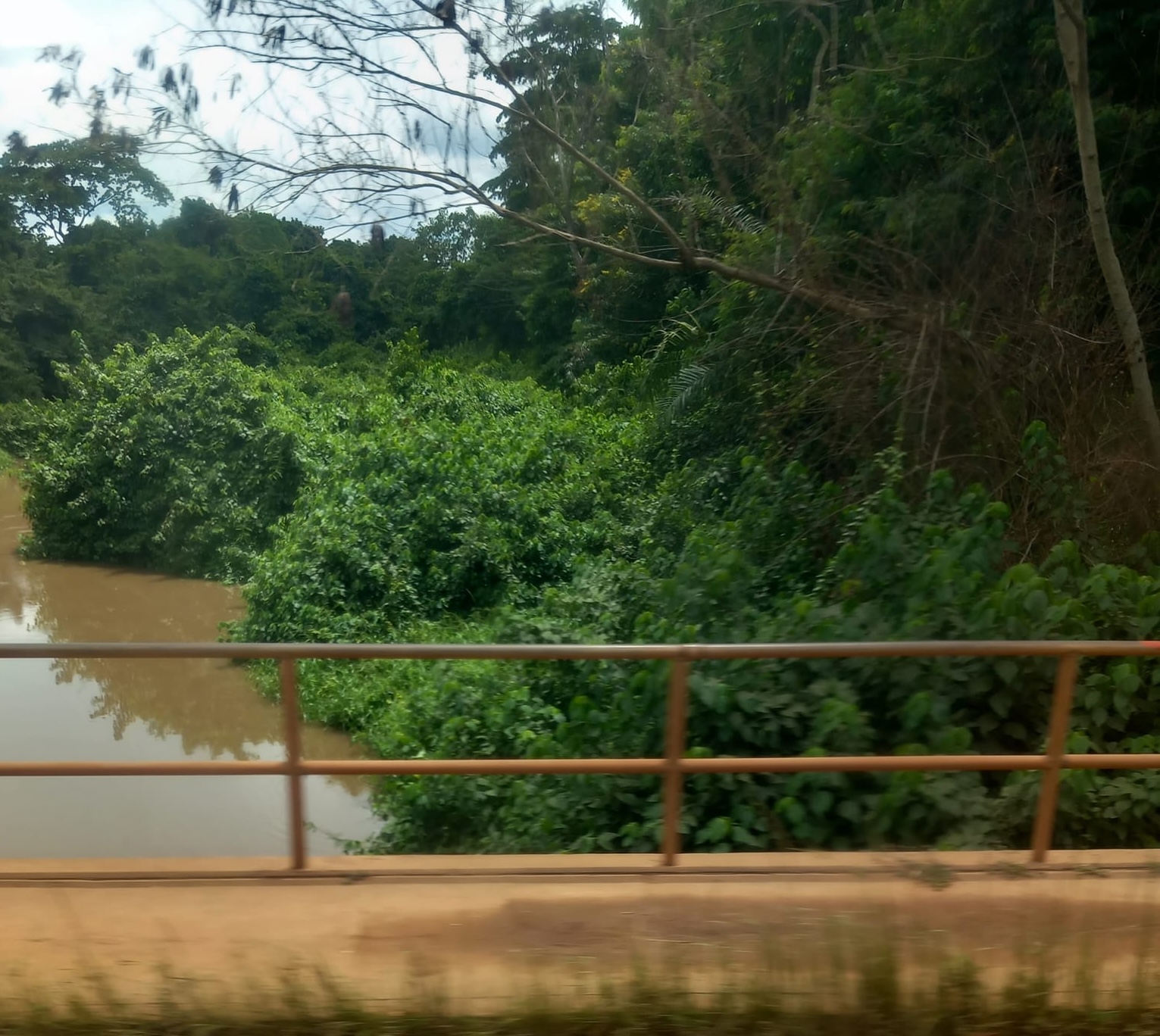
The Tano River has undergone significant pollution, visibly altering its natural appearance to a murky brown color, a change predominantly attributed to illegal mining activities. This contamination represents a critical environmental concern in Ghana, directly affecting human health across the basin. Beyond the pervasive impact of mining, the river’s degradation stems from a complex interplay of other anthropogenic factors. Key drivers include inadequate sanitation infrastructure, widespread poor hygiene practices, unchecked agricultural runoff, and improper waste management. The river, unfortunately, functions as a recipient for a wide array of raw pollutants, reflecting the cumulative burden of these diverse human activities.
The problem of pollution in the Tano River is not a singular issue but rather a complex interplay of multiple anthropogenic activities. While illegal mining is frequently highlighted as the most prominent polluter due to its visible effects, other sources such as agricultural runoff, domestic waste, and industrial effluents are also significant contributors. This demonstrates that the river’s troubled state results from a compounding effect, where rapid population growth, increasing urbanization, and expanding agricultural practices are intensifying the scarcity and contamination of freshwater resources, both globally and within the Tano Basin. The causal relationship is clear: these varied pollution sources collectively exert a cumulative impact, transforming the river into a repository for untreated waste. This widespread contamination then leads to severe consequences that permeate ecosystems and directly compromise human health. Consequently, effective solutions must be holistic and integrated, addressing all major pollution streams simultaneously rather than attempting to tackle individual issues in isolation. A fragmented approach would likely fail to achieve the comprehensive river health necessary for long-term sustainability.
2. Sources of Pollution in the Tano River Basin
2.1 Illegal Artisanal and Small-Scale Gold Mining (Galamsey)
Illegal artisanal and small-scale gold mining, commonly known as “galamsey” in Ghana, is unequivocally identified as the primary and most widespread source of pollution in the Tano River. The visual evidence of this activity is stark, with the river’s natural clear waters transformed into a murky brown hue.
The operational practices of galamsey directly contribute to severe contamination. Mining activities often take place directly on the riverbed, in blatant violation of environmental regulations that mandate a 50-meter buffer zone from water bodies. This proximity ensures that mining residue flows directly into the river, further exacerbating turbidity and sediment load. A critical aspect of this pollution is the extensive use of toxic chemicals, such as mercury and cyanide, for gold extraction. Studies have confirmed elevated levels of mercury and arsenic within the Tano basin, directly linked to these mining practices. Even in instances where community miners claim not to use chemicals, their inadequate waste management systems frequently lead to overflows and direct spillage into the river, contributing to its degradation.
Beyond chemical contamination, galamsey inflicts massive physical alteration upon the landscape. It results in widespread devastation of forests and water courses, leading to extensive deforestation, habitat destruction, and severe soil degradation. The deployment of heavy machinery, including excavators and bulldozers, physically destroys forests and reshapes river bodies. Surface mining, a common practice, involves stripping large areas of topsoil, which creates significant deposits of mining waste that contaminate the underlying soil and destroy essential microorganisms, forming the very foundation of the ecosystem.
The prevalence of illegal mining is widespread across mineral-rich areas within the basin, such as Kenyase, Bibiani, and Sefwi-Surano. Despite numerous government interventions, including bans on galamsey, the deployment of security personnel, and arrests of perpetrators, the problem persists. This ongoing challenge is rooted in a complex web of systemic issues. Artisanal mining offers substantial income and significant employment opportunities in remote rural areas where alternative job prospects are scarce and poorly compensated. This economic necessity often compels individuals to engage in these illicit activities, making it a deeply entrenched socio-economic issue rather than solely a criminal one. Furthermore, the limited capacity of government, coupled with a history of ineffective implementation of small-scale mining policies, corruption among individuals, and a lack of sustained political will, consistently undermines enforcement efforts. This allows the pollution to continue unabated. Even for community miners who may not use highly toxic chemicals, the absence of proper waste management infrastructure and technical knowledge means their operations still contribute significantly to river contamination. Therefore, addressing illegal mining requires a multi-pronged approach that extends beyond punitive measures to include comprehensive socio-economic development programs, robust governance reforms, and extensive capacity building in sustainable mining practices. Without tackling these fundamental causes, the pollution of the Tano River will likely continue.
2.2 Agricultural Runoff and Pesticide Contamination
Agricultural activities within the Tano Basin represent a substantial, albeit often less visible, source of freshwater contamination. Runoff from farms, coupled with the application of pesticides and fertilizers, significantly impacts the water quality by introducing heavy metals and metalloids. The Tano Basin is characterized by extensive agricultural practices, with cocoa cultivation being a dominant cash crop, contributing to the widespread use of various agrochemicals.
Studies have revealed distinct seasonal variations in pesticide residue levels. Concentrations of organochlorine, organophosphorus, and synthetic pesticides in both water and sediment samples are notably higher during the rainy season compared to the dry season. This pattern strongly suggests that rainfall acts as a primary facilitator, washing pesticides from agricultural lands directly into the river and thereby exacerbating pollution levels. Specific pesticides, such as permethrin and profenofos, have been detected in higher concentrations in sediment samples during the dry season, indicating their persistent nature within the environment. Furthermore, the presence of two isomers of lindane in water during the rainy season, along with additional isomers found in sediment, raises serious concerns about the potential illegal usage of these substances, which are typically banned due to their harmful environmental and health effects. In addition to chemical pollutants, agricultural runoff is a major contributor to microbial contamination, including the presence of
Escherichia coli (E. coli), in the Tano River.
This diffuse agricultural pollution, while less immediately dramatic than mining-induced turbidity, poses a persistent and insidious threat. The clear causal relationship is that agricultural practices, particularly intensified during periods of heavy rainfall, lead to the transport of agrochemicals and microbial contaminants into the river. The detection of banned pesticides points to a hidden pattern of potentially unregulated or illicit chemical use, which complicates mitigation efforts. Even when detected contaminant levels are below immediate “maximum residual limits,” their cumulative and long-term impacts, especially given their persistence in river sediments, can be substantial. This situation highlights that effective environmental management requires not only regulating visible point sources of pollution but also addressing diffuse, non-point sources like agricultural runoff. This necessitates improved farming practices, comprehensive education on responsible pesticide and fertilizer use, and rigorous monitoring for banned substances. The observed seasonal variation in pesticide levels further implies that mitigation strategies must be carefully tailored to align with climatic patterns and agricultural cycles.
2.3 Domestic and Industrial Waste Discharge
The Tano River Basin faces significant pollution challenges stemming from inadequate domestic and industrial waste management, which profoundly impacts water quality and public health.
A primary concern is the widespread issue of inadequate sanitation and poor hygiene practices within communities along the river. Open defecation and the discharge of raw urban and rural effluent directly into water bodies are major contributors to microbial contamination, including high levels of Escherichia coli. The pervasive lack of proper sewage treatment facilities exacerbates this problem, allowing untreated waste to enter the river system.
Industrial activities also contribute substantially to the river’s pollution burden. Discharges from various industries, including those involved in dye production, wood preservation, leather tanning, chrome plating, and alloy manufacturing, introduce heavy metals such as lead (Pb), cadmium (Cd), arsenic (As), and zinc (Zn) into the freshwater system. Effluents from pharmaceutical manufacturing and dry battery cells are additional sources of zinc contamination. Furthermore, the initiation of oil and gas exploration in the lower Tano Basin since 2012, while offering economic growth opportunities, also presents a potential for increased industrial waste if not rigorously managed. The general problem of improper waste management, characterized by indiscriminate disposal of both solid and liquid waste, significantly contributes to disease outbreaks and overall water pollution across Ghana.
The pervasive nature of domestic and industrial pollution is a direct consequence of urbanization and infrastructure deficits. The rapid pace of population growth and urban expansion appears to have outstripped the development of adequate sanitation and wastewater treatment infrastructure. This creates a clear causal relationship: without proper waste collection and treatment systems, domestic and industrial wastes are discharged directly into the river, leading to substantial microbial and chemical contamination. The ongoing and potential future expansion of oil and gas exploration activities further suggests an increasing trend in industrial waste generation that, if not properly controlled, will intensify the pollution challenge. Therefore, achieving sustainable water management in the Tano Basin is critically dependent on significant investment in modern sanitation and wastewater treatment infrastructure. This must be coupled with comprehensive public health education campaigns aimed at improving hygiene practices. This represents a fundamental development challenge that requires substantial financial commitment and strong political will to address effectively.
2.4 Land Use and Land Cover Change
Changes in land use and land cover (LULC) are fundamental anthropogenic factors that have significantly altered the biophysical characteristics of the Tano Basin, exacerbating pollution challenges. Over the period from 1986 to 2020, the basin experienced a substantial conversion of dense forest areas into open forest, and subsequently into settlements and cropland. During this time, cropland expanded at a rate of 24.8 km²/year and settlements at 1.5 km²/year, while dense forest and open forest areas decreased significantly, indicating a rapid transformation of the natural landscape.
These LULC changes have direct and indirect impacts on water quality and contribute to increased erosion. Deforestation, agricultural expansion, and rapid urbanization modify natural hydrological dynamics, leading to increased surface water contamination. Logging and timber harvesting operations have already reached a critical point in affecting the natural ecosystems within the basin. The clearing of vegetation cover, whether for firewood, charcoal production, or surface mining, contributes to widespread environmental degradation and accelerates soil erosion. This eroded soil, laden with sediments and nutrients, is then transported into water courses, further polluting the river system.
Land use and land cover change is not a direct pollutant in itself but functions as a critical underlying driver that intensifies other sources of pollution. The conversion of natural forests into agricultural land and human settlements directly diminishes the basin’s natural filtration capacity and increases surface runoff. This establishes a clear causal chain: deforestation and the removal of protective vegetation lead to increased soil erosion, which in turn results in a higher influx of sediment and nutrient loads into the rivers. This alteration of hydrological dynamics then contributes to increased surface water contamination. Furthermore, the degradation of the natural landscape reduces the river’s inherent capacity for self-purification, making it more vulnerable to pollutants. Consequently, effective river restoration and pollution control efforts cannot be isolated from broader land management practices across the entire basin. Integrated land-use planning, targeted reforestation initiatives, and the promotion of sustainable agricultural practices are therefore crucial for ensuring the long-term health and resilience of the Tano River.
2.5 Other Contributing Factors
Beyond the primary sources of chronic pollution, the Tano River also faces threats from less common yet significant factors, including accidental spills and the proliferation of invasive species.
Accidental spills represent acute, high-impact events that can cause immediate and severe environmental damage. A notable incident occurred in January 2020, when an articulated truck carrying car batteries, which contained sulfuric acid, tumbled into the Tano River near Techiman. This spill led to the immediate death of numerous aquatic animals, including fish and crocodiles. While the Ghana Water Company initially reported normal pH levels and refuted claims of widespread pollution, the National Disaster Management Organization (NADMO) confirmed the sulfuric acid spill and issued warnings to communities along the river not to consume the water. Such incidents highlight the rapid onset and severe consequences of acute chemical contamination.
Another significant challenge is the proliferation of invasive species, particularly water hyacinth. This aquatic weed has become a major problem in the Tano/Abby/Ehy lagoon complex and extends along a 25-kilometer stretch of the Tano River itself. While not a chemical pollutant, water hyacinth physically obstructs water bodies, leading to a cascade of economic and ecological problems. It degrades the aquatic ecosystem by blocking sunlight, depleting oxygen, and altering habitats, and it directly impacts human livelihoods by impeding fishing and farming activities.
These factors underscore the diverse and sometimes unpredictable nature of environmental threats to the Tano River. Accidental spills demonstrate the need for robust emergency response protocols to manage acute contamination events effectively. The conflicting reports following the sulfuric acid spill also point to challenges in rapid environmental assessment and clear communication during crises. The invasion of water hyacinth, while not a chemical pollutant, represents a significant ecological threat that physically degrades the aquatic environment and directly impacts human activities. This highlights the necessity for an adaptive management framework that can effectively respond to both chronic, ongoing pollution sources and acute, sudden environmental challenges.
3. Impacts on Aquatic Life and Biodiversity
3.1 Heavy Metal Contamination and Bioaccumulation in Aquatic Species
The Tano River Basin exhibits appreciable levels of trace metals, posing a significant threat to aquatic life and the broader ecosystem. A study conducted between November 2016 and October 2017, which assessed seven trace metals in 18 fish muscle samples, revealed that concentrations of Chromium (Cr), Arsenic (As), and Mercury (Hg) were consistently higher than acceptable limits for fish muscles.
Specific data from this research illustrate the extent of contamination:
- Chromium (Cr) concentrations ranged from 16.10 ± 0.2 mg/kg in Clarias gariepinus to 57.9 ± 4.2 mg/kg in Sarotherodon galilaeus.
- Arsenic (As) levels varied from 1.01 ± 0.08 mg/kg in Clarias gariepinus to 3.00 ± 0.01 mg/kg in Mormyrus rume.
- Mercury (Hg) concentrations were recorded at 0.58 ± 0.69 mg/kg in Oreochromis niloticus and up to 2.52 ± 0.70 mg/kg in Ctenopoma kingsleyae.
While lead (Pb), zinc (Zn), and cadmium (Cd) concentrations were generally found to be below Food and Agriculture Organization (FAO) limits, the presence of elevated Cr, As, and Hg is a serious concern.
Table 1: Heavy Metal Concentrations in Tano River Fish (mg/kg) and Associated Health Risks
| Fish Species | Metal | Concentration (mg/kg) ± SD | Acceptable Limit (FAO) | Exceeds Limit? | Associated Health Risk |
| Clarias gariepinus | Cr | 16.10 ± 0.2 | (Varies by guideline) | Yes | Carcinogenic, Noncarcinogenic |
| Sarotherodon galilaeus | Cr | 57.9 ± 4.2 | (Varies by guideline) | Yes | Carcinogenic, Noncarcinogenic |
| Clarias gariepinus | As | 1.01 ± 0.08 | (Varies by guideline) | Yes | Carcinogenic, Noncarcinogenic |
| Mormyrus rume | As | 3.00 ± 0.01 | (Varies by guideline) | Yes | Carcinogenic, Noncarcinogenic |
| Oreochromis niloticus | Hg | 0.58 ± 0.69 | (Varies by guideline) | Yes | Carcinogenic, Noncarcinogenic |
| Ctenopoma kingsleyae | Hg | 2.52 ± 0.70 | (Varies by guideline) | Yes | Carcinogenic, Noncarcinogenic |
| All species | Pb | Below FAO limits | (Varies by guideline) | No | Low noncarcinogenic |
| All species | Zn | Below FAO limits | (Varies by guideline) | No | Low noncarcinogenic |
| All species | Cd | Below FAO limits | (Varies by guideline) | No | Low noncarcinogenic |
Export to Sheets
Note: Specific FAO limits for each metal in fish muscle were not provided in the source material but are generally low. “Yes” indicates levels were reported as higher than acceptable limits in the source.
The presence of heavy metals, particularly Cr, As, and Hg, in fish at levels exceeding acceptable consumption limits is a critical finding. These metals, released from anthropogenic sources such as illegal mining and industrial effluents, are readily absorbed by aquatic organisms. The process of bioaccumulation, where toxins build up in an individual organism, and biomagnification, where concentrations increase progressively up the food chain, means that these toxins pose escalating risks to higher predators, including humans who consume these fish. The observation that
Mormyrus rume fish species was under stress, while other species appeared in good condition, points to a differential impact within the aquatic community, indicating varying sensitivities or exposure pathways among species. This also highlights that even if the dissolved concentration of heavy metals in the water column is relatively low (less than 1% of pollutants are dissolved), the vast majority (99%) trapped in sediment can still be bioavailable and pose significant long-term risks to aquatic life. Therefore, monitoring water quality alone is insufficient; regular assessment of contaminant levels in aquatic organisms, especially those that form part of the human diet, is essential. This situation underscores the necessity of a “One Health” approach, which recognizes the intricate interconnectedness of environmental health, animal health, and human health.
3.2 Degradation of Aquatic Ecosystems and Habitat Loss
The Tano River’s aquatic ecosystems are experiencing significant degradation, driven by both physical and chemical alterations resulting from pollution. The most immediate visual indicator of this degradation is the change in the river’s natural color to a murky brown, primarily due to illegal mining activities. This physical transformation is accompanied by severe changes in water quality parameters. High turbidity levels, reaching up to 14,000 NTU (Nephelometric Turbidity Units), are frequently recorded, far exceeding the 2,000 NTU considered acceptable for adequate water treatment. Such extreme turbidity reduces light penetration, impacting photosynthetic organisms at the base of the food web. Other critical parameters like pH and dissolved oxygen levels are also affected, disrupting the delicate chemical balance necessary for aquatic life. Low dissolved oxygen, in particular, can be lethal to many aquatic species.
The health of aquatic macroinvertebrate communities serves as a crucial biological indicator of the overall quality of aquatic ecosystems. A decrease in the richness and composition of these organisms directly signals the impact of contamination and other anthropogenic factors. The diversity of invertebrates provides valuable information on how a river changes over time, and their varying tolerance to pollution helps in estimating the overall water quality condition of streams. A decline in these foundational species indicates widespread ecosystem stress.
Beyond water chemistry, the physical destruction of habitats is a pervasive issue. Illegal mining operations lead to the direct devastation of water courses and massive destruction of surrounding forests. Shoreline hardening and the encroachment of human activities into wetlands cause a significant retreat of natural shorelines, contributing to increased soil erosion and fragmentation of vital habitats. In the upstream section of the Tano River, over 80% of the riparian vegetation, which acts as a natural buffer and provides critical habitat, has been converted into farms, leaving the remaining forest patches under severe threat. Logging and timber harvesting further contribute to the degradation of the natural ecosystem, reducing its capacity to support biodiversity and perform essential ecological functions.
The visible change in the river’s color and the elevated turbidity are direct physical manifestations of pollution, predominantly from mining activities. This physical degradation, combined with alterations in water chemistry such as changes in pH and reduced dissolved oxygen, directly compromises the habitat suitability for aquatic life. The observed decline in aquatic macroinvertebrate diversity is a critical biological indicator of pervasive ecosystem stress, as these organisms are fundamental to the food web and highly sensitive to environmental changes. Furthermore, the extensive loss of riparian vegetation and the encroachment on wetlands represent significant habitat loss, which collectively diminishes the river’s inherent capacity to support biodiversity and naturally purify itself. This situation underscores that river health extends beyond mere water chemistry; it encompasses the physical integrity of both the riverine and riparian habitats. Therefore, effective restoration efforts must concurrently focus on improving water quality and undertaking comprehensive ecological rehabilitation of the surrounding landscape.
3.3 Threats to Endangered and Native Species
The Tano River Basin is recognized as a biodiversity hotspot, providing a vital haven for a diverse array of flora and fauna. It supports a significant population of forest elephants and is home to several critically endangered species, including the West African slender-snouted crocodile, the hinge-backed tortoise, and the endangered White-bellied pangolin. Additionally, vulnerable species such as the West African dwarf crocodile and the Senegal Flapshell turtle inhabit the basin. The forests bordering the Tano River and Ehy Lagoon are also believed to harbor the last remaining individuals of Miss Waldron’s Red Colobus, one of the world’s most threatened primates.
However, these invaluable species are under severe threat from various forms of pollution and habitat destruction. Direct impacts of pollution are evident in acute events, such as the accidental spill of sulfuric acid, which led to the immediate death of numerous fish and crocodiles. More chronic pollution from illegal mining has been observed to impede fish movement, leading to a significant reduction in fish populations and overall fish supply. This decline in aquatic life directly impacts the food web and the ecological balance of the river.
Habitat conversion and degradation further exacerbate these threats. Over 80% of the riparian vegetation in the upstream section of the Tano River has been transformed into agricultural lands, eliminating crucial buffer zones and natural habitats. Logging and timber processing activities also contribute to the destruction of natural ecosystems. The expansion of extensive cocoa farming and gold mining within forest reserves directly endangers the Tano River Basin’s vegetation and complicates the sustainable management of its natural resources. The mention of Miss Waldron’s Red Colobus being threatened by logging for oil palm plantations highlights a broader issue of land-use conflicts, where unsustainable economic development pushes species to the brink of extinction.
The presence of numerous critically endangered and vulnerable species within the Tano River Basin underscores its immense biodiversity value. The direct causal relationship is clear: chemical and physical pollution, combined with extensive habitat destruction through deforestation and agricultural conversion, directly jeopardizes the survival of these species, leading to population declines and localized extinctions. This situation highlights that conservation efforts must prioritize the protection and restoration of critical habitats and implement stringent controls on polluting activities to prevent further biodiversity loss. This requires not only a strong regulatory framework and effective enforcement but also comprehensive sustainable land-use planning across the entire basin.
3.4 Algal Blooms and Dead Zones
The Tano River, like many freshwater bodies impacted by nutrient pollution, faces the threat of algal blooms and the formation of “dead zones.” Excess nitrogen and phosphorus, primarily originating from agricultural runoff and untreated domestic waste, act as potent fertilizers, causing an explosive overgrowth of algae, leading to what are known as algae blooms.
The ecological consequences of these blooms are severe. When the massive algal populations eventually die, their decomposition by bacteria consumes vast amounts of dissolved oxygen in the water. This process results in hypoxic or anoxic conditions, creating “dead zones” where oxygen levels are too low to support most aquatic life, effectively rendering these areas uninhabitable for fish and other organisms. Harmful algal blooms (HABs) can also manifest as thick, green muck, which not only impairs water clarity but also negatively impacts recreational activities, local businesses, and property values. Furthermore, certain types of HABs produce toxins that are directly harmful to both aquatic life and human health. While the provided information does not explicitly confirm the presence of “dead zones” in the Tano River, the documented “high nutrient levels” in Ghana’s freshwater resources and the significant contribution of “polluted agricultural runoff” containing fertilizers strongly indicate the presence of conditions conducive to algal bloom formation and subsequent oxygen depletion.
This phenomenon represents a negative feedback loop of eutrophication, where pollution directly leads to ecosystem collapse. The causal link is clear: nutrient pollution from agriculture and domestic waste drives the overgrowth of algae. This overgrowth then leads to oxygen depletion, creating anoxic conditions that decimate aquatic life. This cycle further reduces the river’s natural capacity to support a healthy ecosystem. Consequently, preventing nutrient pollution from agricultural sources and ensuring effective treatment of domestic waste are crucial steps, not only for improving overall water quality but also for maintaining adequate dissolved oxygen levels and preventing widespread ecosystem collapse. This necessitates robust wastewater treatment infrastructure and the widespread adoption of sustainable agricultural practices that minimize nutrient discharge.
4. Impacts on Local Communities and Livelihoods
4.1 Public Health Risks
The pollution of freshwater resources in Ghana, including the Tano River, directly translates into significant public health risks for dependent communities.
Exposure to heavy metals poses a severe threat. Elevated levels of heavy metals and metalloids, particularly mercury and arsenic, have been detected in the Tano basin. The consumption of fish contaminated with heavy metals above recommended limits can lead to a range of serious health problems, including damage to the kidneys, liver, brain, and nervous system, as well as skin complications, and in severe cases, even death. Furthermore, studies indicate that untreated water consumed directly from experimental sites within the Tano basin presents significant noncarcinogenic and carcinogenic risks for both children and adults due to elevated heavy metal levels. For children (0–16 years), the Health Risk Index (HRI) values for metals like Lead (Pb) were as high as 6.7, indicating substantial noncarcinogenic risk, while for adults (>17 years), Mercury (Hg) showed HRI values up to 3.7. Carcinogenic risks were also identified for Arsenic (As), Cadmium (Cd), and Chromium (Cr) in water samples from experimental sites, with values exceeding 10⁻⁴ for both children and adults, pointing to a high probability of cancer risk from long-term consumption.
Waterborne diseases are a pervasive issue, with inadequate sanitation, poor hygiene practices, and contamination from illegal mining identified as primary causative factors. Flooding and improper waste management further exacerbate the incidence of disease outbreaks. Microbial contamination, including
Escherichia coli (E. coli), is a significant concern, largely attributed to raw urban and rural effluent, open defecation, and polluted agricultural runoff, compounded by a lack of sewage treatment facilities.
Beyond direct ingestion of contaminated water or food, there are concerns about airborne exposure. While specific data for the Tano River are limited, analogous situations, such as the Tijuana River, demonstrate that pollutants can transfer into the air via sea spray aerosols, leading to respiratory illnesses, insomnia, and headaches among residents living close to polluted water bodies. This suggests a potential for similar indirect exposure pathways in the Tano Basin.
The direct and indirect health burden stemming from a polluted river is substantial. The specific health conditions observed, ranging from acute waterborne illnesses to chronic diseases linked to heavy metal exposure, highlight the multifaceted pathways through which contamination impacts human populations. The disproportionate risk to children, as indicated by higher HRI values for certain metals, underscores the particular vulnerability of younger populations. This situation necessitates a comprehensive public health response that includes not only water treatment but also improved sanitation, hygiene education, and long-term monitoring of health outcomes in affected communities.
4.2 Livelihood Disruptions
The widespread pollution of the Tano River directly undermines the economic foundation and daily livelihoods of communities dependent on its resources.
Agricultural activities, a cornerstone of the local economy, are severely impacted. Farmers have reported significant reductions in crop yields, and many are now compelled to seek alternative water sources, often “begging for boreholes” due to the contamination of the river. In extreme cases, farmers have been forced to abandon their farms altogether, particularly those across the Tano Lagoon, due to the effects of pollution and the proliferation of invasive species like water hyacinth. This directly translates into reduced agricultural productivity and income for farming households.
Fishing, another major livelihood activity, has also suffered immensely. Pollution from illegal mining has been observed to halt fish movement, leading to a drastic reduction in fish populations and overall supply. The invasion of water hyacinth further exacerbates this problem, denying fishermen access to traditional fishing grounds, causing delays in preparatory work, and damaging fishing equipment such as nets. These obstacles result in significantly reduced fish catches and, consequently, diminished profits for both fishermen and fish traders. The quality of fish can also decline if fishermen spend extended hours navigating through weed-infested waters before reaching landing sites, leading to spoilage.
Furthermore, the contamination of the Tano River contributes to broader water scarcity challenges. The pollution renders water unsafe for both drinking and irrigation, placing immense strain on existing water supply systems. The Ghana Water Company Limited has warned of severe water scarcity if illegal mining is not curtailed, with experts even suggesting that Ghana might need to import water by 2030 if current trends persist.
The economic feedback loop of environmental degradation is clearly evident in the Tano Basin. Pollution directly undermines the economic base of communities, transforming productive agricultural lands and abundant fisheries into compromised or unusable resources. This not only leads to immediate income losses but also forces communities to incur additional costs for alternative water sources or to abandon traditional livelihoods entirely. The ripple effect extends throughout the local economy, creating a cycle of poverty and dependence. Therefore, addressing pollution is not just an environmental imperative but a critical component of economic development and poverty reduction strategies in the region.
4.3 Socio-Cultural Impacts
The Tano River’s degradation extends beyond ecological and economic realms, deeply impacting the socio-cultural fabric of the communities that have historically coexisted with it. The river is not merely a water body but a revered entity, intertwined with traditional Ghanaian life, stories, and legends. Indigenous beliefs, particularly among the Bono people, hold that Taakora, their highest god on Earth, resides at the river’s source. This spiritual connection has historically fostered a deep respect for the river, leading to traditional preservation practices, such as the sacred status of its associated flora and fauna.
The current state of pollution directly threatens these traditional practices and sacred sites. For instance, the sacred crocodiles found in the Tano River are now facing extinction due to contamination. The inability to use the river for traditional purposes, such as drinking or fishing, due to pollution, erodes the cultural practices and rituals that have been passed down through generations. The loss of biodiversity, particularly of species considered sacred or culturally significant, represents a profound loss of cultural heritage.
The erosion of cultural fabric and traditional stewardship is a significant, often overlooked, consequence of environmental degradation. When a natural resource, deeply embedded in a community’s identity and spiritual beliefs, becomes severely degraded, it can lead to a sense of detachment and loss among its people. Historically, traditional practices and taboos served as effective, community-driven conservation mechanisms. The weakening of these traditional forms of stewardship, perhaps due to external pressures or the overwhelming scale of modern pollution, can diminish local capacity and willingness to participate in conservation efforts. Therefore, any effective restoration strategy must actively engage with and revitalize these cultural connections, recognizing that traditional knowledge and community-led initiatives are not just supplementary but fundamental to achieving long-term environmental sustainability and social well-being.
4.4 Economic Costs
The pollution of the Tano River imposes a substantial and multifaceted economic burden on Ghana, affecting various sectors and incurring both direct and indirect costs.
Direct economic losses are evident in the agricultural and fisheries sectors. Farmers experience reduced crop yields due to contaminated water, forcing them to invest in alternative irrigation methods or face significant losses. The decline in fish populations and quality, exacerbated by pollution and invasive species like water hyacinth, directly translates into reduced income for fishermen and fish traders. This leads to lower profits, increased operational costs (e.g., for repairing damaged equipment), and even temporary joblessness for those dependent on fishing.
Healthcare expenditures also rise significantly due to the increased prevalence of waterborne diseases and chronic illnesses linked to heavy metal exposure. Communities face higher costs for medical treatment and lost productivity due to illness. The need for clean, potable water necessitates substantial investment in water treatment and supply infrastructure. Ghana’s current water supply systems are overstretched, with an estimated US $240 million required annually as capital expenditure for urban and rural water supply alone. This figure does not account for the additional costs of treating highly turbid or chemically contaminated water from sources like the Tano River.
Beyond direct losses, the degradation of the Tano River leads to a significant loss of ecosystem services, which have quantifiable economic value. These services include water conservation, environmental purification, biodiversity support, soil conservation, carbon sequestration, and crop productivity. For example, soil loss due to erosion, exacerbated by land degradation, can lead to a loss of carbon and mineral elements, impacting agricultural productivity. While specific economic valuations for the Tano River’s lost services are not provided, studies on other river basins highlight that the economic value of agricultural crop production, for instance, can be substantial, and its loss due to erosion is a significant economic weight. The overall decline in ecosystem health reduces the river basin’s capacity to provide these essential services, leading to long-term economic disadvantages for the region and the nation.
The multi-faceted economic burden of pollution extends far beyond immediate losses. It encompasses reduced productivity across key sectors, increased healthcare expenditures, substantial investments in water infrastructure, and the intangible but significant loss of valuable ecosystem services. This complex interplay of costs underscores that environmental degradation creates a severe drag on economic development and human well-being, necessitating urgent and comprehensive interventions to mitigate these financial repercussions and secure the long-term prosperity of the Tano Basin.
5. Potential Solutions and Mitigation Strategies
Addressing the multifaceted pollution challenges in the Tano River Basin requires a comprehensive and integrated approach, encompassing policy reforms, robust enforcement, infrastructure development, ecological restoration, community empowerment, and technological innovation.
5.1 Policy and Governance Frameworks
Effective governance is foundational to tackling river pollution. The Government of Ghana has initiated significant policy measures, including a ban on illegal mining, known as “Galamsey,” in 2017. This ban was justified from both securitization and utilitarian perspectives, recognizing galamsey as a serious threat to water bodies and the overall well-being of society. International cooperation is also crucial, as evidenced by ongoing discussions and a drafted Memorandum of Understanding (MOU) between Ghana and Côte d’Ivoire to address the transboundary pollution of the Tano and Bia Rivers.
Ghana has also committed to Integrated Water Resources Management (IWRM) principles, with a National IWRM Plan developed in 2012. The Water Resources Commission (WRC) has established the Tano Basin Board to coordinate activities and initiate interventions for the basin’s ecological health, recognizing the proliferation of water weeds as a major challenge. Furthermore, buffer zone policies, mandating a 50-meter protected area from water bodies, are in place to prevent direct encroachment. At the local level, the Techiman Municipal Assembly, with support from EcoCare Ghana, has enacted new bye-laws. These laws designate a 100-foot protected zone along the Tano River, prohibiting agriculture and settlement construction within this area, and restricting water pumping during dry spells. These local regulations align with the Environmental Protection Agency’s goals of biodiversity conservation and climate change mitigation. The imperative for robust and enforceable governance is clear: strong political will and effective implementation are essential to ensure that these policies translate into tangible improvements in river health.
5.2 Enforcement and Regulation
While policies are in place, their effectiveness hinges on rigorous enforcement. The government has deployed security personnel and conducted operations (e.g., Operation Halt, Operation Vanguard) to arrest illegal miners and seize equipment. However, these efforts have faced significant challenges, including allegations of corruption, a lack of consistent prosecution, and insufficient political will. Reports indicate that seized excavators have gone missing, and influential individuals implicated in illegal mining have not faced prosecution.
To bridge the gap between policy and practice, there is an urgent need for strict penalties for offenders and the consistent deployment of dedicated task forces. The artisanal miners themselves have formed task forces to assist in addressing the issues, recognizing that polluters have brought calamity upon them. This internal motivation among responsible miners could be leveraged. Ultimately, effective enforcement mechanisms and accountability are critical to deter illegal activities and ensure compliance with environmental regulations.
5.3 Infrastructure Development
Investing in modern infrastructure is crucial for mitigating pollution from domestic and industrial sources. The Ghana Water Company Limited (GWCL) operates dams along the Tano River (e.g., at Tanoso, Sefwi Wiawso, Elubo) to treat and distribute drinking water to millions of people. However, current water supply systems are often overstretched, indicating a need for further investment.
A significant step involves the construction and upgrade of wastewater treatment plants. While Ghana currently lacks sufficient facilities, initiatives are underway, such as the recently built plant in Kumasi and others planned for Takoradi and Tamale, which aim to recycle wastewater for reuse. Such investments are essential for preventing untreated sewage and industrial effluents from entering the river. Additionally, providing boreholes to farming communities affected by polluted river water can offer an immediate alternative for safe water access, reducing reliance on contaminated sources. Modernizing water and waste management through significant capital investment and technological upgrades is a critical component of a sustainable solution.
5.4 Ecosystem Restoration and Nature-Based Solutions
Restoring the ecological resilience of the Tano River Basin is paramount for its long-term health. Reforestation efforts, particularly along riverbanks, are vital to prevent erosion, restore degraded ecosystems, and enhance carbon sequestration. The Threatened Species Conservation Alliance (THRESCOAL) has been actively working with local stakeholders to restore the upstream section of the Tano River in the Bono East Region. They have successfully replanted over 30 hectares of degraded riparian areas and aim to restore at least 350 hectares of this critical ecosystem to support rural livelihoods and conserve biodiversity. This involves planting native tree and shrub species.
The removal of invasive species, such as water hyacinth, is also crucial for restoring aquatic habitats and improving water flow. Habitat protection and enhancement initiatives, such as those aimed at protecting endangered species like the pygmy hippopotamus, contribute to overall biodiversity conservation within the basin.
Lessons can be drawn from successful river restoration projects in other African cities. For instance, initiatives in Kigali, Dire Dawa, and Johannesburg have demonstrated the effectiveness of nature-based solutions, including reforestation, afforestation, and expanding green spaces to improve water quality, mitigate floods, and enhance biodiversity. The Nsongwe River restoration in Zambia, a community-led effort, highlights the importance of desilting, reforestation with native hydrophilic plants, and protecting restoration works to revive natural springs and create cool, green havens. These examples provide valuable, transferable insights for the Tano River, emphasizing multi-faceted approaches that integrate ecological rehabilitation with community involvement.
5.5 Community Engagement and Alternative Livelihoods
Empowering local stewardship and diversifying economies are essential for sustainable river management. Awareness campaigns and environmental education are crucial for informing communities about the dangers of pollution and the importance of conservation, as demonstrated by initiatives in Techiman and UNDP projects.
Community-led conservation efforts, such as those supported by UNDP and THRESCOAL, actively involve local populations in restoration activities and natural resource management governance. Incorporating customary water management practices, including traditional taboos and totems that historically protected water bodies, can significantly improve and sustain water resources in Ghana. These practices helped minimize deforestation and soil erosion by allowing ecosystems to replenish naturally.
Crucially, providing alternative and sustainable livelihood activities is vital for communities dependent on polluting practices, particularly artisanal mining. This can include training in bamboo craft making, bee-keeping, grasscutter farming, and plantain sucker multiplication, as well as promoting agri-businesses like oil palm plantations. Such initiatives offer viable economic alternatives, reducing the pressure on individuals to engage in environmentally destructive activities. Community participation and economic alternatives are fundamental to ensuring that conservation efforts are equitable and sustainable.
5.6 Technological Solutions and Research
Leveraging innovation for proactive management is increasingly vital for effective river governance. The development of real-time monitoring and early warning systems using Artificial Intelligence (AI) and Internet of Things (IoT) technologies can significantly enhance the ability to detect pollution incidents and respond swiftly. These systems can monitor critical water quality parameters such as pH, dissolved oxygen, temperature, and turbidity, providing continuous data analysis.
Ongoing research is also critical to inform interventions. Studies on heavy metal concentrations, microbial contamination (e.g., E. coli), and the contributions of various land uses to pollution provide essential data for targeted mitigation strategies. This continuous scientific assessment helps in understanding the dynamics of pollution and evaluating the effectiveness of implemented solutions.
5.7 Corporate Social Responsibility (CSR)
Promoting corporate accountability is an important aspect of a holistic solution. Mining companies in Ghana, particularly those affiliated with the Ghana Chamber of Mines, are expected to engage in Corporate Social Responsibility (CSR) initiatives. These initiatives often include investments in community development projects such as education, access to potable water, healthcare, roads, and scholarship schemes. Some companies allocate a portion of their earnings (e.g., US$1 per ounce of gold and 1% of net profit) towards community development. Examples include malaria control programs and support for technical training.
However, challenges remain, as some communities perceive mining companies as socially irresponsible, indicating a gap between stated CSR commitments and perceived impact. There is a need for greater accountability and transparency to ensure that CSR initiatives genuinely contribute to environmental protection and sustainable community development beyond mere compliance. Encouraging companies to adopt innovative responsible strategies that exceed government requirements and consider multiple stakeholders is a long-term objective.
6. Conclusions and Recommendations
The Tano River, a critical ecological and socio-economic artery for Ghana and Côte d’Ivoire, is in a state of severe environmental distress. The analysis reveals a complex web of pollution sources, dominated by illegal artisanal and small-scale gold mining, but significantly compounded by agricultural runoff, inadequate domestic and industrial waste management, and pervasive land use changes. This multifaceted contamination has profound and interconnected consequences, leading to the degradation of aquatic ecosystems, the decline of vital biodiversity, and substantial public health and livelihood impacts on local communities. The presence of heavy metals in fish, the prevalence of waterborne diseases, and the disruption of traditional farming and fishing practices underscore the urgent need for comprehensive intervention.
The challenges are systemic, rooted in a paradox where economic dependence on natural resources drives their destruction, often exacerbated by governance gaps, insufficient infrastructure, and a lack of viable economic alternatives for vulnerable populations. The erosion of traditional stewardship, coupled with the scale of modern pollution, further complicates recovery efforts.
To restore the Tano River to a healthy and sustainable state, a multi-pronged, integrated, and sustained approach is essential. The following recommendations are crucial for guiding future interventions:
- Strengthen Governance and Enforcement:
- Implement robust enforcement mechanisms for existing environmental laws and new bye-laws, particularly the 50-meter buffer zone policy and the 100-foot protected zone around the river.
- Address corruption and ensure consistent prosecution of illegal mining perpetrators, regardless of political or economic influence.
- Foster stronger international cooperation between Ghana and Côte d’Ivoire to manage the transboundary nature of the river’s pollution.
- Invest in Sustainable Infrastructure:
- Prioritize significant investment in modern wastewater treatment plants and improved sanitation facilities across the basin, especially in urban and rural areas.
- Expand access to safe alternative water sources, such as boreholes, for communities heavily reliant on the polluted river.
- Promote Ecosystem Restoration and Nature-Based Solutions:
- Scale up reforestation and riparian vegetation restoration efforts along the riverbanks to prevent erosion, enhance natural filtration, and restore critical habitats.
- Implement effective strategies for the control and removal of invasive species like water hyacinth to improve water flow and ecosystem health.
- Protect and enhance critical habitats for endangered and native species within the basin.
- Empower Communities and Diversify Livelihoods:
- Intensify environmental education and awareness campaigns to foster a deeper understanding of pollution impacts and promote responsible environmental practices.
- Actively involve local communities, including traditional authorities, in the planning and implementation of conservation and management initiatives, integrating customary water management practices where appropriate.
- Develop and support sustainable alternative livelihood programs for individuals currently engaged in environmentally destructive activities, particularly illegal mining, to reduce economic pressure on the river.
- Leverage Technology and Research:
- Invest in and deploy real-time water quality monitoring systems using AI and IoT technologies to provide early warnings of pollution incidents and track environmental changes.
- Support ongoing scientific research to better understand pollution dynamics, assess long-term health impacts, and evaluate the effectiveness of mitigation strategies.
- Enhance Corporate Accountability:
- Encourage and enforce genuine Corporate Social Responsibility initiatives from industries operating in the basin, ensuring their contributions extend beyond basic compliance to meaningful environmental protection and community development.
By adopting these integrated strategies, stakeholders can work towards reversing the degradation of the Tano River, safeguarding its invaluable biodiversity, and securing a healthier, more sustainable future for the millions who depend on its waters.


