



I. Executive Summary
The Tano River Basin, a transboundary ecological system primarily situated in Ghana and extending into Côte d’Ivoire, represents a critically important biodiversity hotspot within West Africa. This vibrant ecosystem sustains a remarkable diversity of unique and often globally threatened flora and fauna, while simultaneously providing indispensable ecological services that underpin the livelihoods of millions. However, the Tano’s ecological integrity is under severe and escalating pressure. Extensive habitat degradation driven by agricultural expansion, unsustainable logging, and rapid urbanization, coupled with pervasive pollution from industrial discharges, mining activities, and agricultural runoff, poses profound challenges. The overexploitation of natural resources through illegal hunting, the illicit wildlife trade, and unsustainable fishing further exacerbates these pressures. Compounding these localized stressors, the overarching impacts of climate change threaten to intensify existing vulnerabilities and accelerate biodiversity loss. Despite dedicated conservation efforts by governmental bodies, non-governmental organizations, and local communities, the magnitude of these threats necessitates urgent, integrated, and well-resourced interventions. Such comprehensive action is crucial to avert irreversible biodiversity decline and to secure the long-term ecological and socio-economic health of the Tano Basin for future generations.
II. Introduction: The Tano River Basin – A Vital West African Ecosystem
Geographical Context
The Tano Basin constitutes a significant transboundary river system in West Africa, with the majority of its expanse (approximately 92.6% of its 16,060 km² total area) located within Ghana, and the remaining portion extending into Côte d’Ivoire. As one of Ghana’s four principal southwestern river basins, the Tano River itself stretches approximately 512 kilometers. Its journey begins in the highlands of the Boyem Mountain Ranges near Techiman, flowing southwestward before ultimately discharging into the Ehy/Tano/Aby Lagoon complex, a system largely situated within Côte d’Ivoire. The basin’s topography is diverse, ranging from average elevations of around 540 meters above sea level in the upstream highland areas to much flatter southern regions, which lie between 0 and 15 meters above sea level. This varied topography contributes to a mosaic of microclimates and habitats throughout the basin. Geologically, the Tano Basin is underlain by Ghana’s extensive Precambrian basement complex, predominantly composed of crystalline igneous and metamorphic rocks, with granite and Birimian geological formations playing key roles in the region’s structural composition.
Socio-Economic and Ecological Significance
The Tano Basin is an ecologically and economically indispensable region, supporting an estimated population of nearly 2 million people, according to the 2021 Population and Housing Census. A significant portion of this population, over 27%, relies on agriculture as their primary occupation, with cocoa farming being a dominant cash crop contributing substantially to household incomes. Beyond agriculture, the basin provides a diverse array of livelihoods through forestry, mining, tourism, and fisheries. The basin’s rich terrestrial and aquatic ecosystems deliver vital services, including the provision of clean water, food, and energy, alongside crucial functions such as biodiversity maintenance and climate regulation.
The well-being of the human population in the Tano Basin is intrinsically linked to the health of its ecosystems. The reliance of nearly 2 million people on the basin for essential services like clean water, food, and energy means that any degradation of the natural environment directly impacts human livelihoods and resource security. This inherent connection underscores that conservation efforts in the Tano Basin cannot be viewed in isolation from socio-economic development. Rather, sustainable development strategies must be deeply integrated with biodiversity protection, recognizing that human communities are not merely agents of environmental stress but are also fundamental components of the ecosystem, dependent on its vitality. This interdependency highlights a significant opportunity for community-based conservation, where the self-interest of local populations aligns directly with the preservation of the ecosystem.
Cultural and Spiritual Importance
Beyond its ecological and economic value, the Tano River holds profound cultural and spiritual significance, particularly for the Techiman people in Ghana. The river is revered as the sacred grounds of the TAAKORA deity, who is considered the “immense father” of a majority of the abosom (deities). This deep spiritual connection is reflected in traditional practices, such as the belief that fish are the “children of Ta Kora,” which historically led to prohibitions against fishing in certain areas.
This traditional reverence for the Tano River and its aquatic life represents a powerful, intrinsic motivation for conservation that predates modern scientific understanding. The existence of such deeply embedded cultural and spiritual values offers a unique foundation for conservation strategies in the Tano Basin. By building upon these existing belief systems, rather than solely relying on external scientific or economic arguments, conservation programs can significantly enhance community engagement, foster greater compliance with protective measures, and promote long-term sustainability. This cultural heritage serves as a critical asset for the region, providing a culturally resonant and potentially more robust approach to environmental stewardship than purely top-down interventions.
III. Biodiversity of the Tano Ecosystem: A Rich Tapestry of Life
The Tano River Basin is a mosaic of diverse habitats, supporting a remarkable array of plant and animal species, many of which are unique to the region or face global threats. This rich biodiversity underscores the basin’s status as a critical hotspot.
A. Flora: The Green Heart of the Basin
The Tano Offin Globally Significant Biodiversity Area (GSBA), an integral part of the larger Tano Basin, showcases an impressive floral diversity. Comprehensive inventories have identified 240 plant species belonging to 59 families. This botanical richness includes 171 trees, 41 lianas, 11 shrubs, 7 herbs, 7 herbaceous climbers, 1 epiphyte, 1 grass, and 1 fern. While the diversity indices confirm a rich forest cover, species composition can exhibit relative variability in certain areas.
Key Tree Species and Ecological Roles
Several tree species play a foundational role in shaping the Tano ecosystem’s structure and function:
- Celtis mildbraedii: This forest tree is identified as the most structurally significant species within the tree layer of the Tano Offin GSBA. Its prominence is evidenced by its high density, frequency, and dominance, making it a defining component of the moist semi-deciduous forests of Ghana. Studies indicate a healthy regeneration pattern for this species, which is crucial for maintaining the forest’s long-term viability. Although globally classified as “Least Concern” by the IUCN, its local ecological importance in the Tano ecosystem is paramount, as it contributes significantly to canopy structure, microhabitat creation, and overall forest health.
- Strombosia pustulata: Another significant species in the Tano Offin GSBA, this medium-sized evergreen tree is indigenous to the tropical rainforests of West and Central Africa, frequently found in riparian zones. Its hard and durable timber is valued for construction. Ecologically, its fruits are a food source for hornbills and elephants, which in turn act as important seed dispersers, facilitating forest regeneration and contributing to the basin’s complex food webs. Like Celtis mildbraedii, it is listed as “Least Concern” globally but is susceptible to localized habitat degradation.
- Hymenostegia afzelii: This shrub or small tree also holds structural significance in the Tano Offin GSBA. Native to West African regions including Ghana, it contributes to the local ecosystem’s understory and may possess traditional medicinal properties.
- Rinorea welwitschii: This plant species is recognized as the most significant in the shrub layer of the Tano Offin GSBA. Found across Africa, it plays a vital role in the understory diversity, contributing to habitat complexity and supporting various faunal elements.
The health and regeneration patterns of these dominant and structurally significant flora species serve as direct indicators of the overall ecological integrity and resilience of the forest ecosystem within the Tano Basin. Monitoring their populations and regeneration success provides a proxy for assessing the broader environmental condition of the terrestrial environment. A decline in these foundational species would signal a significant degradation of the forest’s fundamental components, potentially leading to cascading effects throughout the ecosystem.
Aquatic Flora
The Tano River supports a rich diversity of aquatic flora, crucial for the health of its freshwater ecosystems. A total of 111 benthic diatoms have been identified, with Eolimna minima being particularly abundant and present across all sampling sites. Other prominent diatom species include Nitzschia sp. 1, Achnanthes pusilla, Gomphonema lagenula, and Nitzschia palea. Furthermore, 14 species of macroalgae have been documented, predominantly belonging to the Chlorophyta division. The presence and abundance of these primary producers indicate a robust base for the aquatic food web, though observations of upstream-downstream differences in water quality parameters suggest varying levels of human influence.
Forest Types
The terrestrial landscape of the Tano Basin is characterized by a variety of forest types, including semi-deciduous dense forests, dry dense forests, and clear forests. These natural areas intersperse with farmlands and degraded lands, reflecting the impact of human activities. To safeguard vital ecological functions, several forest reserves, such as Boin Tano, Tano Suraw, and Tano Suhien, have been established specifically to protect river headwaters. These reserves are critical for maintaining water quality and regulating flow regimes, in addition to preserving biodiversity.
Table 1: Notable Flora Species of the Tano Ecosystem
| Species Name | Type | Tano Basin Specificity | Ecological Role | Conservation Status (IUCN) |
| Celtis mildbraedii | Tree | Confirmed (Tano Offin GSBA) | Structurally significant, canopy formation, forest health indicator | Least Concern |
| Strombosia pustulata | Tree | Confirmed (Tano Offin GSBA) | Structurally significant, timber, seed dispersal by animals | Least Concern |
| Hymenostegia afzelii | Shrub/Small Tree | Confirmed (Tano Offin GSBA) | Structurally significant (understory), local ecosystem contribution | Not Threatened |
| Rinorea welwitschii | Plant (Shrub layer) | Confirmed (Tano Offin GSBA) | Structurally significant (shrub layer), understory diversity | Not specified |
| Eolimna minima | Benthic Diatom | Confirmed (Tano River) | Primary producer, base of aquatic food web | Not specified |
| Nitzschia sp. 1 | Benthic Diatom | Confirmed (Tano River) | Primary producer, base of aquatic food web | Not specified |
| Achnanthes pusilla | Benthic Diatom | Confirmed (Tano River) | Primary producer, base of aquatic food web | Not specified |
| Gomphonema lagenula | Benthic Diatom | Confirmed (Tano River) | Primary producer, base of aquatic food web | Not specified |
| Nitzschia palea | Benthic Diatom | Confirmed (Tano River) | Primary producer, base of aquatic food web | Not specified |
| Chlorophyta (group) | Macroalgae | Confirmed (Tano River) | Primary producer, base of aquatic food web | Not specified |
| Talbotiella gentii | Tree (Legume) | Broader Ghana (endemic) | Contributes to forest ecosystems | Not specified |
| Millettia irvinei | Tree (Legume) | Broader Ghana (endemic) | Contributes to forest ecosystems | Not specified |
B. Fauna: Unique and Ecologically Important Species
The Tano ecosystem is a haven for a variety of unique and ecologically important faunal species, spanning aquatic, terrestrial, and semi-aquatic environments.
Aquatic Fauna
The Tano River’s waters teem with diverse life, including several fish, amphibian, and reptile species that are either endemic or of significant conservation concern.
Fish: The river is home to several unique and endemic freshwater fish species:
- Malapterurus tanoensis: This electric catfish is explicitly named for and native to the Tano and Ofin Rivers in Ghana and Côte d’Ivoire. Its IUCN status as “Endangered” highlights its vulnerability. While specific details of its ecological role within the Tano are not extensively documented in the provided material, electric fish often function as predators or utilize their unique electro-sensory adaptations for navigation and foraging, playing a specialized role in their ecosystems.
- Tylochromis jentinki: A cichlid species, Tylochromis jentinki, is found in coastal rivers extending from Gambia to the Tano River. This species can reach lengths of up to 27 cm and is currently listed as “Least Concern” by the IUCN, yet its presence contributes to the rich aquatic biodiversity of the Tano.
- Papyrocranus afer (Reticulated Knifefish): This freshwater fish is known to occur in the Tano River basin. It possesses remarkable adaptations, including the ability to breathe air using its swim bladder as a lung, which allows it to thrive in low-oxygen swampy waters. Furthermore, it is electroreceptive, enabling it to locate objects and detect prey in murky environments. These adaptations make it a resilient and integral component of the aquatic food web. It is currently listed as “Least Concern”.
- Other Notable Fish: Ghana’s broader endemic freshwater fish fauna includes killifishes such as Pronothobranchius seymouri (found in the Accra Plains, Ghana, though not explicitly confirmed for the Tano River itself) and Epiplatys schreiberi (widespread across West Africa, including Ghana). A glass catfish, Irvineia voltae, is endemic to the Volta basin, while the claroteid catfish Chrysichthys walkeri (with its type locality in the Prah River, Ghana) is also mentioned in the context of the Tano Basin. The cichlid Limbochromis robertsi and various Enteromius barbs are also endemic to Ghana and likely contribute to the Tano’s fish diversity. Commonly observed fish species in the Tano River include Ctenopoma kingsleyae, Sarotherodon melanotheron, Clarias gariepinus, Parachanna obscura, and Pomadasys jubelini.
Amphibians: Ghana is home to a variety of endemic amphibians, some of which inhabit the Tano Basin or similar forest environments:
- Togo Slippery Frog (Conraua derooi): This Critically Endangered frog, representing an ancient lineage, has become a flagship species for conservation efforts in Ghana. Its conservation story demonstrates how protecting a single species can catalyze broader ecosystem restoration and empower local communities. While not explicitly stated as Tano-specific, its preferred habitat of freshwater streams in forested areas aligns with the characteristics of the Tano Basin.
- Bobiri Reed Frog (Hyperolius bobirensis): This species is classified as Endangered and is endemic to Ghana.
- Other Endemic Amphibians: Other endemic amphibians in Ghana include Zimmer’s Screeching Frog (Arthroleptis zimmeri) and Afia Birago’s Puddle Frog (Phrynobatrachus afiabirago), along with other Phrynobatrachus species. The Boin Tano Forest Reserve, which is part of the Tano Basin, also lists species such as the African common toad (Amietophrynus regularis), African foam-nest tree frog (Chiromantis rufescens), and Big-eyed forest tree frog (Leptopelis macrotis).
Reptiles: The Tano ecosystem provides critical habitat for several highly threatened reptile species:
- West African Slender-snouted Crocodile (Mecistops cataphractus): This species is globally classified as “Critically Endangered” and has been confirmed in the Tano River (specifically near Tanoso). It serves as a key flagship species for wetland conservation, functioning as a top aquatic predator and an important indicator of overall ecosystem health.
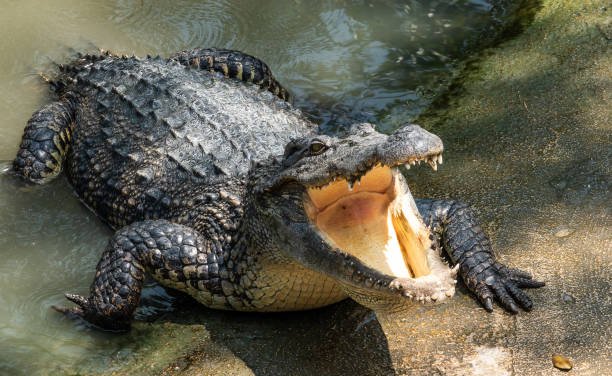
- West African Dwarf Crocodile (Osteolaemus tetraspis): Listed as “Vulnerable,” this crocodile is also found within the Tano riparian ecosystem. These nocturnal hunters primarily feed on invertebrates, fish, and amphibians, thereby playing a role in regulating aquatic populations.
- Hinge-backed Tortoise (Kinixys homeana): This tortoise is Critically Endangered and inhabits the Tano riparian ecosystem. As an omnivorous species, it is unique among tortoises for its diet, which includes insects, worms, and plant matter. It also contributes to seed dispersal. Populations of this species have experienced significant declines in Ghana.
- Senegal Flapshell Turtle (Cyclanorbis senegalensis): Listed as “Vulnerable,” this softshell turtle is also present in the Tano riparian ecosystem. These turtles prey on tadpoles, other amphibians, and fish, with larger adults capable of consuming freshwater clams and snails, thus contributing to the dynamics of the aquatic food web.
- Endemic Worm Lizards: Ghana is also home to endemic worm lizards such as Cynisca kraussi, Cynisca muelleri, and Cynisca williamsi.
Invertebrates (Aquatic):
- Freshwater snails, including Pseudocleopatra voltana and Melanoides voltae, are endemic to Ghana and contribute to the Tano’s aquatic invertebrate diversity.
- Macro-invertebrate families such as Neptidae, Libellulidae, and Chironomidae are abundant in the Tano Basin, demonstrating their adaptability to seasonal environmental changes. Conversely, families like Asellidae and Perlidae are less frequently detected, which suggests their sensitivity to certain water quality parameters. This sensitivity makes them valuable bioindicators for monitoring the health of the aquatic environment.
- A freshwater crab, Potamonautes triangulus, is also endemic to Ghana.
The presence of Critically Endangered species like the West African Slender-snouted Crocodile and Vulnerable species such as the West African Dwarf Crocodile, along with sensitive macro-invertebrates, highlights their role as key species in aquatic habitats and their utility as indicators in ecosystem monitoring and restoration programs. The health of these apex predators and sensitive invertebrates directly reflects the overall health of the Tano’s aquatic ecosystem. A decline in their populations signals widespread environmental degradation, impacting lower trophic levels and the entire food web. Consequently, conservation efforts focused on these species have a disproportionately positive impact on the entire ecosystem, positioning them as “flagship species” capable of mobilizing broader conservation initiatives.
Table 2: Key Aquatic Fauna Species of the Tano Ecosystem
| Species Name | Type | Tano Basin Specificity | Endemism (Ghana/Tano) | Conservation Status (IUCN) | Ecological Role |
| Malapterurus tanoensis | Fish (Electric Catfish) | Confirmed (Tano River) | Tano (endemic) | Endangered | Predator, unique sensory adaptations |
| Tylochromis jentinki | Fish (Cichlid) | Confirmed (Tano River) | Not endemic to Tano | Least Concern | Contributes to aquatic food web |
| Papyrocranus afer | Fish (Reticulated Knifefish) | Confirmed (Tano River Basin) | Not endemic to Tano | Least Concern | Air-breather, electroreceptive, resilient predator |
| Ctenopoma kingsleyae | Fish | Confirmed (Tano River) | Not endemic to Tano | Not specified | Part of local fisheries, aquatic food web |
| Sarotherodon melanotheron | Fish | Confirmed (Tano River) | Not endemic to Tano | Not specified | Part of local fisheries, aquatic food web |
| Clarias gariepinus | Fish | Confirmed (Tano River) | Not endemic to Tano | Not specified | Part of local fisheries, aquatic food web |
| Parachanna obscura | Fish | Confirmed (Tano River) | Not endemic to Tano | Not specified | Part of local fisheries, aquatic food web |
| Pomadasys jubelini | Fish | Confirmed (Tano River) | Not endemic to Tano | Not specified | Part of local fisheries, aquatic food web |
| Conraua derooi | Amphibian (Togo Slippery Frog) | Likely (Ghana forest streams) | Ghana (endemic) | Critically Endangered | Flagship species, indicator of freshwater stream health |
| Hyperolius bobirensis | Amphibian (Bobiri Reed Frog) | Likely (Ghana forest) | Ghana (endemic) | Endangered | Contributes to forest amphibian diversity |
| Mecistops cataphractus | Reptile (West African Slender-snouted Crocodile) | Confirmed (Tano River) | Not endemic to Tano | Critically Endangered | Top aquatic predator, ecosystem indicator |
| Osteolaemus tetraspis | Reptile (West African Dwarf Crocodile) | Confirmed (Tano riparian) | Not endemic to Tano | Vulnerable | Nocturnal hunter of invertebrates, fish, amphibians |
| Kinixys homeana | Reptile (Hinge-backed Tortoise) | Confirmed (Tano riparian) | Not endemic to Tano | Critically Endangered | Omnivore, seed disperser, insect consumer |
| Cyclanorbis senegalensis | Reptile (Senegal Flapshell Turtle) | Confirmed (Tano riparian) | Not endemic to Tano | Vulnerable | Preys on amphibians, fish, molluscs |
| Pseudocleopatra voltana | Invertebrate (Freshwater Snail) | Likely (Ghana endemic) | Ghana (endemic) | Not specified | Contributes to aquatic food web |
| Melanoides voltae | Invertebrate (Freshwater Snail) | Likely (Ghana endemic) | Ghana (endemic) | Not specified | Contributes to aquatic food web |
| Potamonautes triangulus | Invertebrate (Freshwater Crab) | Likely (Ghana endemic) | Ghana (endemic) | Not specified | Contributes to aquatic food web |
| Asellidae | Invertebrate (Macro-invertebrate) | Confirmed (Tano Basin) | Not endemic to Tano | Not specified | Bioindicator (sensitive to water quality) |
| Perlidae | Invertebrate (Macro-invertebrate) | Confirmed (Tano Basin) | Not endemic to Tano | Not specified | Bioindicator (sensitive to water quality) |
Terrestrial and Semi-Aquatic Fauna
The Tano Basin’s terrestrial and semi-aquatic environments harbor a variety of mammals, birds, and invertebrates that are integral to the ecosystem’s health.
Mammals:
- Pygmy Hippopotamus (Choeropsis liberiensis): Classified as “Endangered,” this rare, nocturnal forest creature is a significant flagship species for the Upper Guinea Forest, which encompasses parts of the Tano Basin. While its population size within the Tano is not extensively detailed, UNDP Small Grants Programme (SGP) projects specifically target its conservation in the Tano River Basin, confirming its presence and the focus on its protection. Pygmy hippos are browsers, feeding on terrestrial and semi-aquatic plants, roots, and fallen fruit. They perform a crucial ecological function as seed dispersers and nutrient recyclers by spreading dung, thereby contributing to forest regeneration and soil health.
- White-bellied Pangolin (Phataginus tricuspis): Listed as “Endangered,” this semi-arboreal, nocturnal pangolin is found across West and Central Africa, including Ghana, and is confirmed in the Tano riparian ecosystem by conservation efforts. It serves as a vital ecological engineer, consuming an estimated 70 million insects (primarily ants and termites) annually. This activity helps control pest populations and aerates the soil through its foraging, making its presence critical for the forest ecosystem’s balance.
- Ghana Mole-rat (Fukomys zechi): This mammal is endemic to Ghana.
- Other Mammals: The Boin Tano Forest Reserve, situated within the Tano Basin, supports a diverse mammal community. This includes various bat species (e.g., Aba roundleaf bat, Abo bat, Banana pipistrelle), the African brush-tailed porcupine, African buffalo, the Vulnerable African bush elephant, African civet, African clawless otter, Bay duiker, Black duiker, the Near Threatened Bongo, Bushbuck, Campbell’s monkey, Cansdale’s swamp rat, Crested porcupine, the Near Threatened Giant ground pangolin, and the Giant pouched rat.
The role of the Pygmy Hippopotamus as a “landscape engineer” or “ecosystem architect” is particularly noteworthy. Its foraging and movement patterns directly influence the structure of vegetation and the distribution of nutrients, contributing to the overall health and resilience of the forest and riparian zones. The endangered status of this species indicates not only a loss of biodiversity but also a disruption of essential ecological processes. This disruption could lead to cascading negative effects on other species and broader ecosystem functions. Therefore, conserving the Pygmy Hippopotamus extends beyond merely preserving a species; it is about safeguarding a critical ecological service that maintains the integrity of the Tano Basin’s diverse habitats.
Birds: Ghana is recognized as a significant birding destination, with several endemic or near-endemic species that likely inhabit the Tano Basin’s varied forest and wetland habitats:
- Endemic/Near-Endemic Species: Key examples include the Yellow-headed Picathartes (White-necked Rockfowl), Green-tailed Bristlebill, Yellow-bearded Greenbul, Rufous-winged Illadopsis, Copper-tailed Starling, and the Ghana Forest Robin. These species are unique to Ghana or the broader Upper Guinea region.
- Other Notable Birds: The Tano River cisticola (Cisticola restricta) is mentioned as an endemic bird; however, its primary known habitat is in Kenya and Somalia, suggesting a potential naming confusion or a broader, less specific distribution reference in the context of the Tano River.
Insects (Non-Aquatic) and Other Invertebrates: Ghana boasts a high diversity of endemic insects and other invertebrates that play crucial roles in the Tano ecosystem:
- Insects: This includes various butterflies (e.g., Atewa Dotted Border Mylothris atewa, Ghana Ceres Forester Euphaedra ignota), moths (e.g., long-horned moth Dragmatucha kakumensis), bush crickets, beetles, plant bugs, and a seed bug.
- Other Invertebrates: Beyond insects, other endemic invertebrates include various spiders (e.g., Atewa Hooded Spider Ricinoides atewa), scorpions, woodlice, and earthworms. These organisms are fundamental to ecosystem functioning, contributing to nutrient cycling, pollination, and serving as essential food sources within the terrestrial food web.
Table 3: Key Terrestrial/Semi-Aquatic Fauna Species of the Tano Ecosystem
| Species Name | Type | Tano Basin Specificity | Endemism (Ghana/Tano) | Conservation Status (IUCN) | Ecological Role |
| Choeropsis liberiensis | Mammal (Pygmy Hippopotamus) | Confirmed (Tano River Basin) | Not endemic to Tano | Endangered | Browser, seed disperser, nutrient recycler, landscape engineer |
| Phataginus tricuspis | Mammal (White-bellied Pangolin) | Confirmed (Tano riparian) | Not endemic to Tano | Endangered | Ecological engineer, consumes insects (ants/termites), aerates soil |
| Fukomys zechi | Mammal (Ghana Mole-rat) | Broader Ghana (endemic) | Ghana (endemic) | Not specified | Soil aeration, contributes to subterranean ecosystems |
| Loxodonta africana | Mammal (African Bush Elephant) | Confirmed (Boin Tano Reserve) | Not endemic to Tano | Vulnerable | Seed disperser, habitat modifier |
| Tragelaphus eurycerus | Mammal (Bongo) | Confirmed (Boin Tano Reserve) | Not endemic to Tano | Near Threatened | Herbivore, contributes to forest dynamics |
| Yellow-headed Picathartes | Bird | Broader Ghana (UGE) | Not endemic to Tano | Not specified | Insectivore, indicator of forest health |
| Green-tailed Bristlebill | Bird | Broader Ghana (UGE) | Not endemic to Tano | Not specified | Forest bird, contributes to food web |
| Yellow-bearded Greenbul | Bird | Broader Ghana (UGE) | Ghana (endemic) | Not specified | Forest bird, contributes to food web |
| Mylothris atewa | Insect (Atewa Dotted Border butterfly) | Broader Ghana (endemic) | Ghana (endemic) | Not specified | Pollinator, food source |
| Dragmatucha kakumensis | Insect (Long-horned moth) | Broader Ghana (endemic) | Ghana (endemic) | Not specified | Pollinator, food source |
| Ricinoides atewa | Invertebrate (Atewa Hooded Spider) | Broader Ghana (endemic) | Ghana (endemic) | Not specified | Predator, contributes to food web |
| Reginaldia ditheca | Invertebrate (Earthworm) | Broader Ghana (endemic) | Ghana (endemic) | Not specified | Soil aeration, nutrient cycling |
IV. Threats to the Tano’s Biodiversity Hotspot
The Tano River ecosystem, despite its rich biodiversity, faces a complex array of escalating threats, primarily driven by human activities and exacerbated by climate change. These pressures lead to significant habitat degradation, pervasive pollution, and unsustainable resource exploitation.
A. Habitat Degradation and Loss
The most immediate and visible threat to the Tano’s biodiversity is the widespread degradation and outright loss of its natural habitats.
- Agricultural Expansion: Agriculture stands as the dominant economic activity in the Tano Basin, with extensive commercial and subsistence farming, particularly cocoa cultivation, leading to profound land use and land cover (LULC) changes. Analysis of LULC patterns between 1986 and 2020 reveals a dramatic decrease in dense forest cover at an alarming rate of 298.4 km² per year, and open forest by 173.9 km² per year. Concurrently, cropland expanded by 24.8 km² annually. This conversion often encroaches upon and degrades even designated protected areas, diminishing critical wildlife habitats.
- Logging and Timber Harvesting: Unregulated logging and timber harvesting operations have severely impacted the Tano Basin’s primary rainforest and its associated biodiversity. These activities have pushed the natural ecosystem to a critical threshold, disrupting ecological processes and fragmenting forest stands.
- Urbanization and Human Settlements: Rapid population growth within the basin, coupled with expanding human settlements, contributes significantly to the conversion of natural vegetation. Urban areas increased at a rate of 1.5 km² per year between 1986 and 2020, placing immense pressure on existing infrastructure and natural resources. This expansion reduces available habitat and increases human-wildlife conflict potential.
- Forest Fragmentation: The cumulative effect of agricultural expansion, logging, and urbanization results in severe fragmentation of the Tano’s forest habitats. This process isolates wildlife populations, restricts gene flow, and renders species more vulnerable to localized extirpation. More than 80% of the riparian vegetation along the upstream Tano River has already been converted into farms, with the remaining forest patches facing severe and immediate threats. This ongoing habitat fragmentation in the Tano Basin, driven by agricultural expansion and logging, creates localized barriers that mirror the effects of natural geographical divides, such as the Dahomey Gap that historically separated West African forest regions. The extinction of the Nigerian pygmy hippo subspecies, isolated by this natural savanna barrier, serves as a stark precedent. The current fragmentation in the Tano Basin isolates populations, diminishes genetic exchange, and increases the risk of local species loss, potentially leading to a similar fate for the basin’s threatened species. This situation underscores the critical and urgent need for concerted efforts in habitat connectivity and restoration to prevent further ecological isolation.
B. Pollution
The Tano River’s aquatic environment is severely compromised by various forms of pollution, impacting both ecosystem health and human well-being.
- Industrial and Domestic Effluents: The discharge of industrial effluents and domestic waste, including runoff from washing activities, poses serious threats to water quality and human health within the Tano Basin. Physicochemical tests indicate that pollutant parameter levels, such as turbidity, biochemical oxygen demand (BOD5), nitrate, and ammonium, are consistently higher downstream compared to upstream sections of the river. This pattern points to the cumulative impact of human activities along the river’s course. Furthermore, heavy metal pollution, particularly linked to mining operations in the Tanoé watershed, represents a significant and persistent contamination source.
- Agricultural Runoff: Extensive agricultural and gardening activities along the river’s catchment areas contribute a substantial pollution risk. The widespread use of fertilizers, herbicides, and pesticides in these areas results in chemical runoff that leaches into the river system, introducing harmful contaminants into the aquatic environment.
- Impact on Aquatic Biodiversity: Poor water quality directly leads to the deterioration of aquatic ecosystems, causing a decline in biodiversity and reducing the productivity of fisheries. This, in turn, directly impacts the livelihoods of local communities dependent on these resources. A notable incident in January 2020, where a truck carrying sulfuric acid plunged into the Tano River, further exemplifies the acute pollution risks the river faces, although efforts were made to restore it. The presence of multiple pollution sources—industrial effluents, agricultural runoff, and heavy metals from mining—creates a cumulative and synergistic effect on the Tano’s aquatic ecosystem. While individual sources might have localized impacts, their combined effect downstream results in a pervasive and more challenging threat to address than single point sources. This cumulative pollution acts as a “silent killer,” impacting the entire aquatic food web and demanding integrated watershed management strategies that consider all forms of human activity across the basin, rather than focusing solely on isolated industries or practices.
C. Overexploitation and Illegal Activities
Unsustainable resource utilization and illegal activities exert immense pressure on the Tano’s unique biodiversity.
- Hunting for Bushmeat and Traditional Medicine: Many threatened species within the Tano Basin, including the Endangered Pygmy Hippopotamus, Endangered White-bellied Pangolin, and Critically Endangered Hinge-backed Tortoise, are extensively hunted for bushmeat and for use in traditional medicine. This exploitation is often driven by the desperate economic conditions of local populations. The pressure becomes particularly severe as these species become rarer outside designated protected areas, leading to increased hunting within these refuges.
- Illegal Wildlife Trade: The international illegal wildlife trade poses a significant threat, particularly for species like the White-bellied Pangolin, which is recognized as the most trafficked African pangolin species. Large shipments of pangolin scales are frequently moved from Africa to Asian markets, fueling unsustainable poaching.
- Unsustainable Fishing Practices: While fishing provides essential livelihoods for many communities, unmanaged or unsustainable fishing practices can contribute to the decline of aquatic biodiversity. Although traditional beliefs sometimes prohibit fishing in certain sacred areas, modern economic pressures can override these long-standing conservation ethics.
- Illegal Mining (Galamsey): Extensive illegal gold mining, locally known as “galamsey,” in the Tanoé watershed is a major source of trace metal pollution and severe habitat degradation. These illicit operations directly threaten the river’s ecological health and its diverse aquatic and riparian biodiversity.
The recurring connection between threats like bushmeat hunting and habitat conversion and the socio-economic conditions of “local people in desperately poor economic conditions” or “food insecurity” reveals a critical link between poverty and environmental degradation. Communities dependent on natural resources for their survival are often compelled to engage in unsustainable practices due to a lack of viable alternative livelihoods and economic opportunities. This underscores that conservation efforts must address the underlying causes of poverty and food insecurity by promoting diversified and sustainable livelihood options, such as agroforestry, bamboo craft, grasscutter farming, snail farming, beekeeping, and eco-tourism. Without addressing these fundamental socio-economic drivers, enforcement measures alone are likely to be insufficient in achieving long-term conservation success.
D. Climate Change Impacts
Climate change acts as an overarching stressor, amplifying the existing threats to the Tano’s biodiversity.
- Direct and Indirect Effects: A changing climate directly influences ecosystems through rising temperatures, altered precipitation patterns, and rising sea levels. These shifts can force species to migrate to more suitable latitudes or elevations, lead to saltwater intrusion into freshwater systems, and disrupt critical seasonal life cycle events such as migration, blooming, and reproduction. Such disruptions can create ecological asynchronies, where, for instance, the timing of food availability no longer matches the arrival of migratory species, reducing growth and survival rates.
- Exacerbation of Existing Stressors: Climate change interacts synergistically with other human-induced pressures, intensifying their impacts. For example, increased frequency or intensity of heavy rainstorms, a projected consequence of climate change, can lead to severe erosion in areas already degraded by logging or agricultural activities.
- Increased Extinction Rates: Projected global warming is anticipated to significantly accelerate the rate of species extinctions, particularly in sensitive regions identified as biodiversity hotspots like the Tano Basin.
Climate change is not merely an additional threat but functions as a threat multiplier. It amplifies the negative impacts of existing anthropogenic pressures, including habitat loss, pollution, and overexploitation. For the Tano Basin, this implies that even if local human activities are mitigated to some extent, the overarching shifts in climate could still undermine conservation gains, rendering the ecosystem more fragile and less resilient. This situation necessitates the development and implementation of climate-resilient conservation strategies that proactively account for future environmental shifts and prioritize the enhancement of ecosystem health to bolster its natural adaptive capacity.
V. Conservation Efforts and Future Outlook
Despite the significant threats facing the Tano River ecosystem, various dedicated conservation initiatives are underway, offering a glimmer of hope for its future.
A. Current Conservation Initiatives
- Protected Areas: A foundational element of conservation in the Tano Basin is the establishment of protected areas. Several forest reserves, including Boin Tano Forest Reserve, Tano Suraw Forest Reserve, and Tano Suhien Forest Reserve, have been designated to safeguard river headwaters and their associated biodiversity. The Tano Offin Globally Significant Biodiversity Area (GSBA) also serves as a key focus for broader conservation efforts, recognizing its ecological importance.
- Community-Led Conservation (THRESCOAL): The Threatened Species Conservation Alliance (THRESCOAL) is actively engaged in a program titled “Restoring a Critical Riparian Ecosystem in Ghana.” This initiative focuses on a 50-kilometer stretch of the upstream Tano River within the Bono East Region. The project aims to restore at least 350 hectares of degraded riparian areas, having already successfully replanted over 30 hectares. This effort specifically targets the conservation of species of international concern, including the Critically Endangered West African slender-snouted crocodile, the Critically Endangered hinge-backed tortoise, the Endangered White-bellied pangolin, the Vulnerable West African dwarf crocodile, and the Vulnerable Senegal Flapshell turtle.
- UNDP Small Grants Programme (SGP) Projects: The UNDP SGP supports “Community Conservation Efforts” within the Tano River Basin, with a particular emphasis on protecting the Endangered Pygmy Hippopotamus. Key activities under these projects include the systematic collection of baseline data through camera trapping and radio telemetry to assess species populations and trends. Efforts also focus on identifying and exploring suitable habitats and wildlife corridors, expanding environmental education and awareness among local communities, and implementing enrichment planting in degraded riverine forests, often utilizing species like bamboo. Furthermore, these projects promote sustainable land use practices and facilitate the development of community-managed eco-tourism programs. A significant component involves strengthening community management committees and assisting in the enactment of local by-laws to regulate activities within the project areas.
- Togo Slippery Frog Success Story: While not directly focused on the Tano Basin, the conservation of the Critically Endangered Togo Slippery Frog in Ghana provides a compelling example of successful community-driven conservation. Initiatives by organizations like Herp Ghana have profoundly shifted local attitudes, leading to a significant reduction in frog consumption. These efforts have also contributed to the restoration of forests and freshwater streams, and have secured crucial government partnerships. This success demonstrates a replicable model for protecting other threatened species across Ghana, highlighting the transformative power of integrating local communities into conservation strategies.
B. Policy and Legislative Frameworks
- National Policies: Ghana’s government has demonstrated a commitment to conservation through various national policies. These include the initiation of programs such as the National Forest and Wildlife Conservation Action Program, often undertaken in conjunction with international partners like the World Bank and UNDP. The enactment of the Forestry Act (1994) further facilitates the establishment of sustainable natural resource management frameworks and the protection of endemic and endangered wildlife species.
- International Frameworks: Many of the threatened species found in the Tano Basin are recognized under international conservation conventions. They are listed under CITES (Convention on International Trade in Endangered Species of Wild Fauna and Flora) Appendix I or II, and their conservation status is assessed by the IUCN Red List. This includes species like the Pygmy Hippopotamus, West African Slender-snouted Crocodile, White-bellied Pangolin, Hinge-backed Tortoise, and Senegal Flapshell Turtle.
- Challenges in Enforcement: Despite the existence of national legislation and international frameworks, the persistence of illegal activities such as logging, mining, and poaching indicates significant challenges in enforcement. This highlights the ongoing need for stronger governance, increased surveillance, and more effective community involvement to ensure compliance and deter illicit practices.
C. Recommendations for Enhanced Conservation
To effectively safeguard the Tano’s biodiversity hotspot, a multi-faceted and integrated approach is essential:
- Strategic Habitat Protection and Restoration: It is imperative to prioritize the expansion and effective management of existing protected areas. This should include a strong focus on identifying and securing critical habitats and establishing ecological corridors to mitigate the impacts of fragmentation. Large-scale riparian ecosystem restoration efforts, extending beyond current initiatives, are crucial for rehabilitating degraded areas and enhancing ecological connectivity.
- Mitigation of Pollution and Illegal Activities: Robust measures are needed to strengthen monitoring and enforcement mechanisms against industrial effluent discharge and illegal mining operations. Simultaneously, promoting and incentivizing sustainable agricultural practices, such as agroforestry, can significantly reduce chemical runoff and its detrimental effects on water quality.
- Strengthening Community Engagement and Sustainable Resource Management: Scaling up successful community-led conservation initiatives is paramount. This involves integrating traditional ecological knowledge with modern conservation science and actively developing and diversifying alternative sustainable livelihoods. Empowering local communities in resource governance and decision-making processes is critical to reduce their reliance on unsustainable resource exploitation and foster a sense of ownership over conservation outcomes.
- Prioritizing Research and Monitoring: Increased investment in comprehensive baseline ecological surveys and long-term monitoring programs for key indicator and threatened species is vital. Such data are indispensable for adaptive management, allowing conservation strategies to be refined based on scientific evidence, and for evaluating the effectiveness of interventions over time.
- Public Awareness and Education: Continuing and expanding targeted public awareness campaigns are necessary to foster a deeper understanding of the Tano’s ecological importance and to shift attitudes and behaviors towards conservation. Building on successful models, such as the Togo Slippery Frog project, can inspire broader community participation and support.
- Integrated Water Resources Management: The development and rigorous enforcement of integrated water resources management plans for the entire Tano Basin are essential. These plans must holistically address issues of water quality, flow regimes, and pollution to ensure the long-term health and sustainability of the river system.
The success of localized conservation initiatives, particularly those that integrate community livelihoods and traditional values, demonstrates that effective models for environmental protection exist within Ghana. The critical challenge lies not in a lack of solutions, but rather in the ability to scale these proven successes across the vast and threatened Tano Basin. Achieving basin-wide impact requires significant and sustained investment, strong collaborative partnerships among government agencies, non-governmental organizations, and local communities, and a steadfast commitment to replicating effective strategies.
Table 4: Key Conservation Initiatives and Recommendations
| Initiative/Organization | Type of Effort | Key Activities/Focus Areas | Species Benefited | Outcomes/Challenges | Recommendations |
| Ghana Government | Policy/Protected Areas | National Forest & Wildlife Conservation Action Program, Forestry Act (1994), Forest Reserves (Boin Tano, Tano Suraw, Tano Suhien) | Endemic & endangered wildlife, general biodiversity | Frameworks exist, but enforcement challenged by illegal activities (mining, logging, poaching) | Strengthen enforcement, increase surveillance, integrate policy with local governance |
| THRESCOAL | Community Project/Restoration | “Restoring a Critical Riparian Ecosystem in Ghana”: Replanting >30ha, goal of 350ha restoration, 50km stretch of Tano River | West African slender-snouted crocodile, hinge-backed tortoise, White-bellied pangolin, West African dwarf crocodile, Senegal Flapshell turtle, 162 bird species, numerous insects | Successful replanting, but >80% riparian vegetation converted to farms, remaining patches severely threatened | Scale up restoration efforts, secure long-term funding, protect remaining riparian zones |
| UNDP Small Grants Programme (SGP) | Community Project/Livelihoods | “Community Conservation Efforts”: Camera trapping, radio telemetry, habitat exploration, environmental education, enrichment planting (bamboo), sustainable land use, eco-tourism, community by-laws | Pygmy Hippopotamus, general biodiversity | Established community nurseries, trained youth in bamboo craft, beekeeping, grasscutter farming, plantain multiplication; strengthened PMCs, enacted by-laws | Diversify and expand alternative livelihoods, ensure long-term sustainability of community programs, integrate scientific monitoring with traditional knowledge |
| Herp Ghana (Togo Slippery Frog) | Community Project/Awareness | Community-driven conservation, awareness campaigns, forest/stream restoration, government partnership | Togo Slippery Frog (flagship), broader ecosystem | Transformed local attitudes, reduced frog consumption, thriving forests & freshwater streams, replicable model | Replicate successful community engagement models across the Tano Basin, secure long-term funding for similar initiatives |
| Local Communities (Traditional) | Cultural Conservation | Sacred grounds of TAAKORA deity, reverence for fish, traditional fishing prohibitions | Fish, aquatic biodiversity | Intrinsic motivation for conservation, but modern pressures may override traditional practices | Integrate traditional ecological knowledge into modern conservation plans, empower traditional leaders in resource management |
VI. Conclusion
The Tano River ecosystem stands as a profound testament to West Africa’s rich and irreplaceable biodiversity. Yet, this vital hotspot is profoundly threatened by an escalating array of human-induced pressures, including extensive habitat degradation, pervasive pollution, and unsustainable resource exploitation. The unique and endemic species that call the Tano home, from the critically endangered electric catfish to the endangered pygmy hippopotamus, face an uncertain future without decisive and immediate action.
Securing the Tano’s ecological future necessitates a holistic and integrated approach that transcends traditional sectoral boundaries. This demands not only robust policy enforcement and stringent regulation of harmful activities but also a fundamental shift towards sustainable economic development that genuinely empowers local communities. A deep respect for the ecological functions and the profound cultural values intrinsically linked to the river is paramount.
By strategically leveraging existing conservation successes, strengthening multi-stakeholder partnerships among governmental bodies, non-governmental organizations, and local communities, and prioritizing the long-term health of both its natural systems and its human inhabitants, the Tano Basin can serve as a vital example of how a biodiversity hotspot can be protected and restored for generations to come. The time for comprehensive and sustained intervention is now, to ensure that the Tano’s rich tapestry of life continues to thrive.


