



Executive Summary
The Tanoé-Ehy Swamp Forest (TESF) in southeastern Ivory Coast stands as a critical global biodiversity hotspot, serving as a last refuge for several critically endangered West African primate species and a rich array of other unique flora and fauna. Historically threatened by rampant deforestation, agricultural expansion, and unsustainable resource extraction, the forest’s fate began to shift dramatically with the initiation of a pioneering community-based conservation program in 2006. This report details how the TESF model, a departure from traditional, exclusionist conservation policies, has successfully empowered local communities as legal owners and active stewards of their ancestral heritage.
Key achievements include a significant reduction in harmful anthropogenic activities, leading to a visible recovery in wildlife populations, evidenced by groundbreaking camera trap footage of rare primates. Socio-economically, the project has not only safeguarded the forest from industrial conversion but has also generated direct economic benefits for communities through innovative mechanisms like carbon credit sharing and the promotion of alternative livelihoods, with a strong focus on women’s empowerment. The official designation of the TESF as Côte d’Ivoire’s first Voluntary Nature Reserve in 2021 marks a pivotal policy milestone, solidifying the legal framework for community-managed protection.
The Tanoé-Ehy experience demonstrates that effective, long-term conservation is achieved by integrating ecological preservation with socio-economic development, fostering a profound sense of local ownership, and leveraging robust multi-stakeholder partnerships. This model offers compelling evidence that placing communities at the heart of conservation efforts can transform threats into opportunities, leading to enduring environmental and social impacts that resonate globally.
1. Introduction: The Tanoé-Ehy Swamp Forest – A Critical Biodiversity Hotspot
1.1. Geographical Context and Ecological Significance
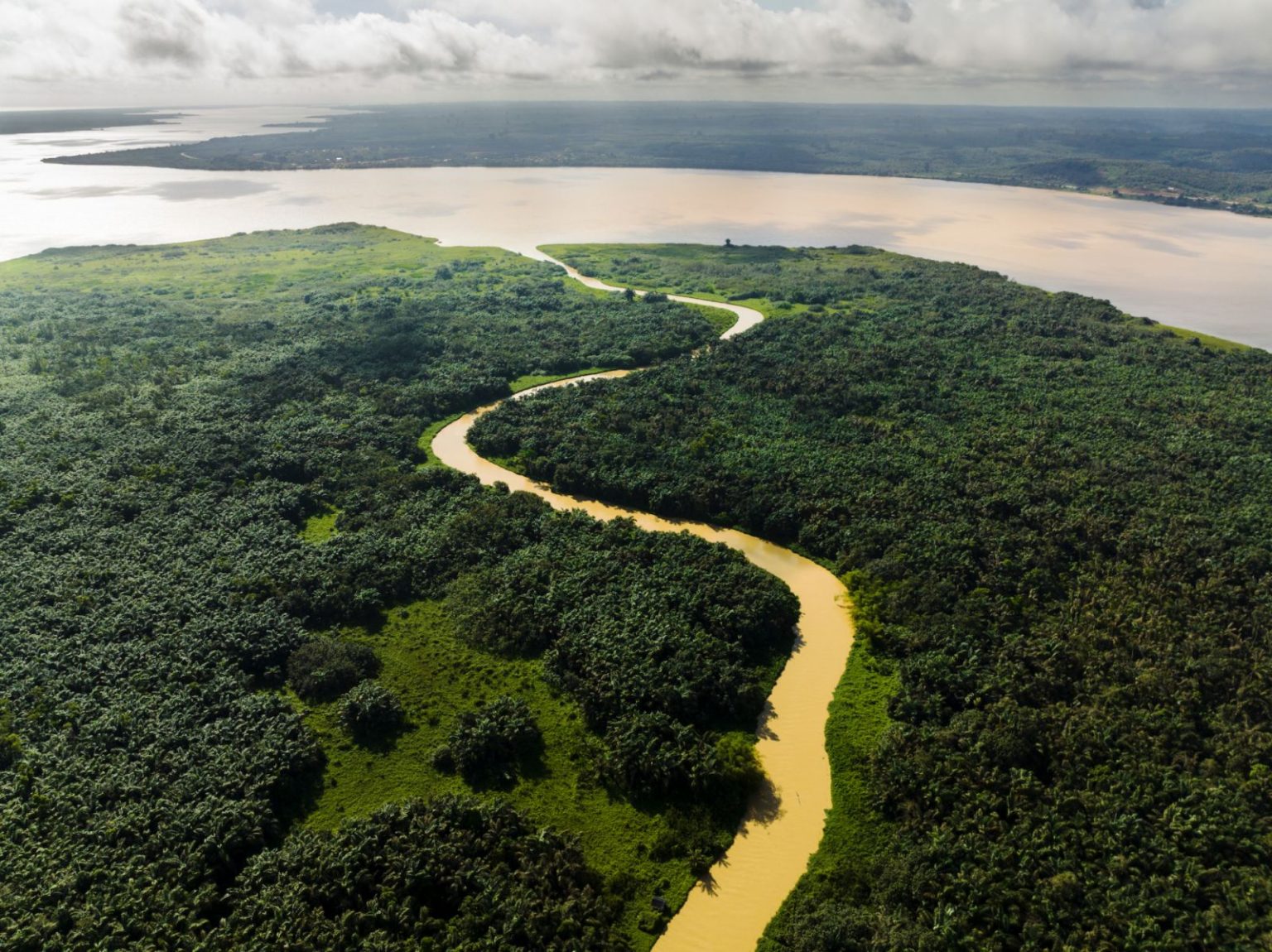
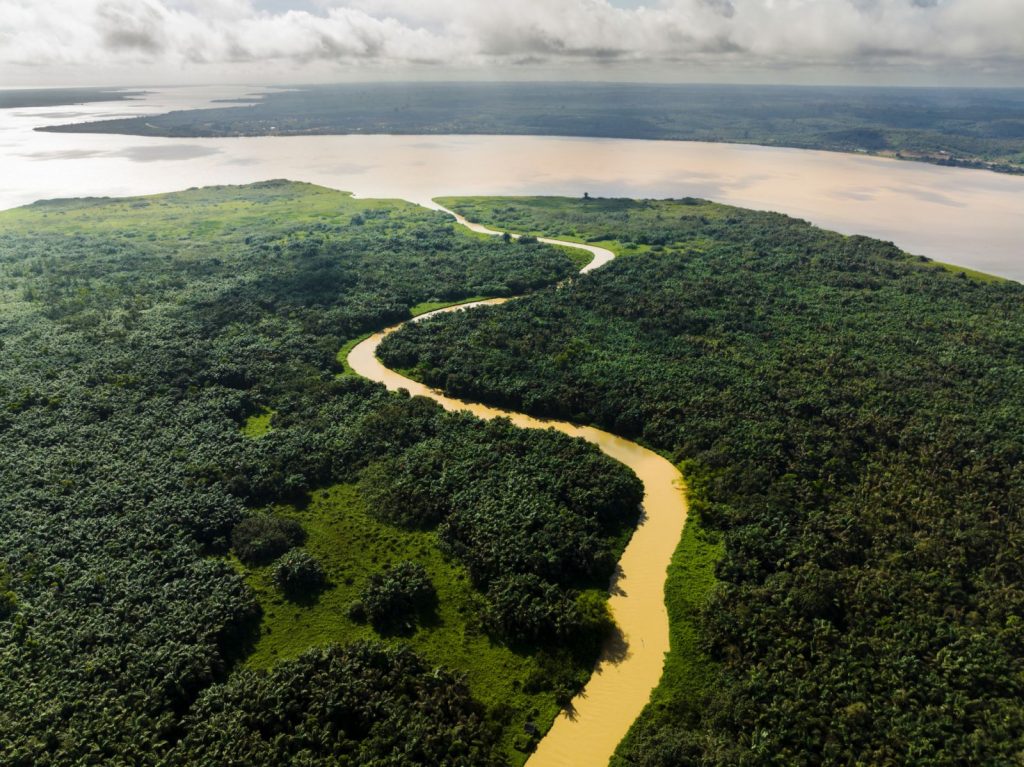
The Tanoé-Ehy Swamp Forest (TESF), situated in the southeastern region of Ivory Coast, represents one of the nation’s most significant remaining tracts of rainforest. This vital ecosystem, bordering Ghana and separated by the Tanoé River, spans an area consistently reported between 10,542.8 hectares and 12,000 hectares. Its predominantly swampy and often challenging terrain has historically made it relatively inaccessible, contributing to its ecological preservation.
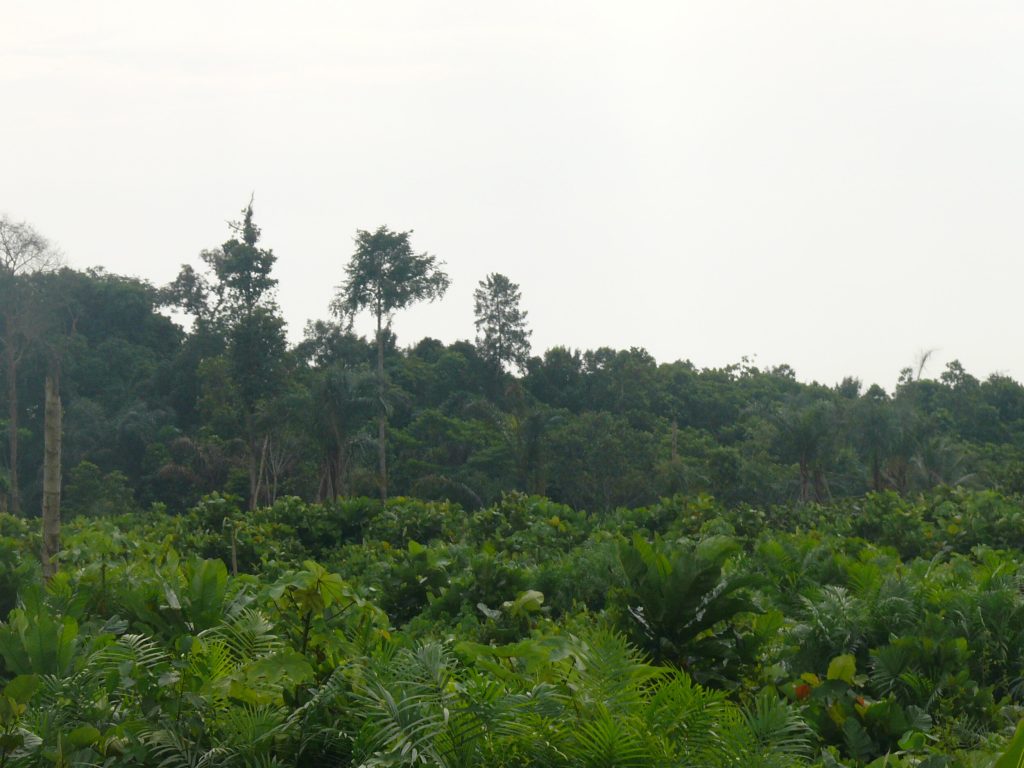
Recognized as a high-priority area for primate conservation across West Africa and formally designated as a Key Biodiversity Area, the TESF holds immense national and international importance. Its official classification in December 2021 as Côte d’Ivoire’s first Voluntary Nature Reserve further underscores its critical status and the nation’s commitment to its protection. The forest comprises a diverse mosaic of habitat types, including extensive swamp forests, drier upland forests, and raphials—areas dominated by
Raphia palms that represent secondary swamp forest reconstitution. These interconnected habitats are crucial for supporting the forest’s rich biodiversity.
The Tanoé-Ehy Forest’s unique composition of habitat types, including swamp forests, dryland forests, and raphials, is not merely a descriptive detail but a fundamental aspect of its ecological resilience and biodiversity. The observation that swamp forests exhibit the highest animal abundance, and that dryland and swamp forests share many species, indicates that these are not isolated ecological units but rather an integrated system where species move between areas. This suggests that effective conservation strategies for the TESF, and indeed for similar complex ecosystems globally, must be holistic, considering the entire mosaic of habitats rather than focusing on a single type. Protecting the core swamp areas is paramount, but maintaining connectivity and ecological health of adjacent dryland forests and transitional zones (like raphials) is equally vital for species movement, genetic flow, and overall ecosystem function. This ecological complexity necessitates comprehensive, landscape-level biomonitoring and management to ensure the long-term viability of its diverse inhabitants.
1.2. Exceptional Biodiversity and Endangered Species
The TESF is celebrated for its exceptional wealth of biodiversity, serving as an irreplaceable refuge for numerous endangered species. It is notably the only known location where four of the rarest West African primate species are thought to still coexist.
Key Primate Species: The forest provides critical habitat for critically endangered species such as the Roloway monkey (Cercopithecus roloway), with an estimated population of only approximately 300 individuals, and the White-thighed colobus (Colobus vellerosus). Furthermore, the TESF is considered the last likely habitat for the Miss Waldron’s red colobus (
Piliocolobus badius waldronae), a species once thought to be extinct and listed among Global Wildlife Conservation’s 25 most wanted lost species. Recent indirect evidence, including DNA analysis from a monkey’s tail and a photograph of a freshly killed individual, has revived hope for its rediscovery. Other significant primate populations include the Vulnerable Olive colobus (
Procolobus verus) and the endangered White-naped mangabey. Camera trap surveys have successfully documented six of the seven known monkey species inhabiting the forest.
Other Fauna: Beyond its primate populations, the TESF hosts other critically endangered species such as the slender-snouted crocodile (Mecistops cataphractus) and the vulnerable black-bellied pangolin (Phataginus tetradactyla). Recent scientific investigations have also identified significant populations of terrestrial small mammals, encompassing nine species of rodents and four species of shrews. Among these, three species are listed as threatened by the IUCN, including
Hylomyscus baeri, classified as Endangered. Comprehensive camera trap data have further revealed a diverse range of arboreal mammals, including giant squirrels, flying squirrels, dormice, and dwarf galagos.
Flora and Other Species: The ecological richness extends to its flora and other faunal groups. The forest is home to at least 33 endemic and/or threatened plant species, two endemic fish species, ten endemic amphibian species, and more than 19 bird species of conservation concern.
The consistent description of the Tanoé-Ehy Forest as a “last refuge” and the “only place” for certain critically endangered West African primate species, particularly the Miss Waldron’s Red Colobus—a globally recognized “most wanted lost species” —elevates its conservation status beyond mere regional importance. This characterization points to the forest’s role as a critical global biodiversity stronghold. Such global significance inherently justifies sustained international investment and attention for its conservation. Moreover, the success of community-led conservation efforts in a site of such global importance establishes a powerful precedent and offers a replicable model for other high-priority biodiversity areas worldwide, especially those facing similar socio-economic pressures. The ability to protect such unique and imperiled species through local stewardship provides a compelling argument for similar approaches elsewhere.
Table 1: Key Biodiversity of Tanoé-Ehy Swamp Forest
| Species Name (Common & Scientific) | Species Group | IUCN Conservation Status | Key Notes |
| Roloway monkey (Cercopithecus roloway) | Primate | Critically Endangered | ~300 individuals left; first wild footage captured |
| White-thighed colobus (Colobus vellerosus) | Primate | Critically Endangered | Important population |
| Miss Waldron’s red colobus (Piliocolobus badius waldronae) | Primate | Possibly Extinct | Last likely habitat; global “most wanted lost species”; indirect evidence of presence |
| Olive colobus (Procolobus verus) | Primate | Vulnerable | Important population |
| White-naped mangabey | Primate | Endangered | Important population |
| Slender-snouted crocodile (Mecistops cataphractus) | Reptile | Critically Endangered | Important population |
| Black-bellied pangolin (Phataginus tetradactyla) | Mammal | Vulnerable | Important population |
| Hylomyscus baeri | Rodent | Endangered | Identified in small mammal surveys |
| Crocidura buettikoferi | Shrew | Near Threatened | Identified in small mammal surveys |
| Crocidura grandiceps | Shrew | Near Threatened | Identified in small mammal surveys |
| Endemic/Threatened Plant Species | Flora | Threatened/Endemic | At least 33 species |
| Endemic Fish Species | Fish | Endemic | 2 species |
| Endemic Amphibian Species | Amphibian | Endemic | 10 species |
| Bird Species of Conservation Concern | Bird | Conservation Concern | More than 19 species |
2. Historical Context and Persistent Threats to the Forest
2.1. Major Anthropogenic Pressures
The Tanoé-Ehy Forest has endured, and continues to contend with, substantial anthropogenic pressures that have historically jeopardized its ecological integrity. These threats are multifaceted and include:
Unsustainable Forestry Practices: Illegal logging and chainsaw milling represent pervasive threats, directly contributing to the fragmentation of the forest landscape and the degradation of critical habitats. This uncontrolled harvesting of natural resources undermines the forest’s ability to sustain its unique biodiversity.
Agricultural Expansion: A significant historical threat was the large-scale conversion of forest land to industrial oil palm plantations, with a specific plan to drain and convert 8,000 hectares of the Tanoé Forest. Beyond industrial agriculture, small-scale agricultural clearing for cocoa and rubber farms also contributes significantly to deforestation. Ivory Coast has experienced an alarming deforestation rate, estimated at 6.5% per year, largely driven by agricultural expansion and logging, which have been central to the nation’s post-independence development strategies.
Hunting/Poaching: The hunting of primates for bushmeat poses a direct and severe threat to the endangered wildlife populations within the TESF. This practice is carried out by impoverished and sometimes ill-informed local communities, as well as by individuals from neighboring Ghana. The pressure from bushmeat hunting is a complex issue intertwined with socio-economic factors.
Mining Projects: More recently, the prospect of gold mining projects at the periphery of the forest has emerged as a new potential threat. These projects raise significant concerns regarding the pollution of the Tanoé River and indirect impacts on the broader forest ecosystem.
Collectively, these pressures contribute to a severely fragmented forest landscape and widespread environmental degradation. The consequences extend beyond ecological loss, directly impacting the livelihoods of millions of smallholder farmers who depend on the country’s agricultural economy.
2.2. The Initial Crisis and the Genesis of Community Involvement
The perilous state of the Tanoé-Ehy Forest, particularly the looming threat of industrial oil palm conversion, served as a critical catalyst for concerted conservation action. Under the dedicated leadership of the Swiss Center for Scientific Research in Côte d’Ivoire (CSRS) and Professor Inza Koné, conservationists successfully intervened to halt the proposed industrial agricultural project.
A pivotal shift in conservation strategy occurred in September 2006, when a community-based management project was initiated. This groundbreaking initiative involved eight, and later expanded to eleven, neighboring communities, supported by external partners. This marked a significant departure from traditional, often exclusionist, conservation policies that typically alienated local populations from resource management. Local communities, recognized as the traditional owners of the forest, were comprehensively informed about the unique biodiversity of their forest and the legal avenues available under Ivorian law for establishing community reserves. This heightened awareness spurred them to formally petition the Minister of Environment for the classification of the site as a community reserve, underscoring its conservation value and their deep commitment to safeguarding their ancestral heritage.
In 2009, the Ivorian government responded by establishing a National Committee specifically tasked with managing the designation process of the Tanoé-Ehy forest as a community-managed reserve. A crucial administrative step in this process was the issuance of the land ownership certificate, which served as a near-final prerequisite for establishing the community-managed protected area. This long-term effort culminated in the official designation of the Tanoé-Ehy Swamp Forest as Côte d’Ivoire’s first Voluntary Nature Reserve in December 2021, a landmark achievement in national conservation policy.
The evidence points to a complex portrayal of local communities, revealing a nuanced reality. On one hand, communities are identified as contributors to environmental pressures through “bushmeat hunting by impoverished and ill-informed local communities” and “small-scale agricultural clearing”. This suggests that socio-economic necessity or a lack of awareness can drive unsustainable practices. On the other hand, these same communities are unequivocally recognized as the “traditional owners” and the primary initiators and driving forces behind the conservation efforts, demonstrating “determined resistance” against industrial exploitation. This presents a compelling observation: communities are simultaneously a source of environmental pressure and, critically, the most effective solution. This duality underscores that effective conservation strategies cannot merely impose external regulations. Instead, they must adopt a nuanced approach that addresses the root causes of unsustainable practices—such as poverty, limited alternative livelihoods, or insufficient information—while simultaneously recognizing, leveraging, and empowering the inherent values, traditional knowledge, and deep-rooted connections that local communities possess with their natural environment. Socio-economic development and targeted environmental education are therefore not peripheral activities but fundamental pillars for achieving sustainable conservation.
While the community initiative was foundational, the success of the Tanoé-Ehy project was demonstrably reliant on external support and an enabling legal environment. Organizations such as the CSRS , the Forest Conservation Fund (FCF) , Rainforest Trust , IUCN , the European Union , CIDR Pamiga , and Conseil Régional Sud Comoé provided crucial technical expertise, financial resources, and facilitation. The Ivorian government’s establishment of a National Committee and the existence of Ivorian law permitting community reserves provided the indispensable legal pathway for formal recognition. The explicit mention of the significant financial barrier posed by demarcation costs (over USD 80,000), described as “far beyond the amount the communities can contribute” , highlights the absolute necessity of external financial backing for critical administrative steps. This demonstrates that community-led conservation, while rooted in local agency and initiative, rarely thrives in isolation. It requires a robust ecosystem of support that includes external technical assistance, financial investment, and a responsive governmental and legal framework. This suggests that the “paradigm shift” in conservation is not solely about community involvement, but about the effective
integration of community agency with institutional, scientific, and legal support, fostering a collaborative governance model.
Table 2: Milestones in Tanoé-Ehy Community-Led Conservation
| Year | Event/Milestone | Key Actors/Description | Significance/Impact |
| Pre-2006 | Industrial oil palm threat | Proposed conversion of 8,000 ha of forest | Catalyst for conservation action |
| 2006 (Sept) | Community-based management project initiated | Eight (later 11) neighboring communities with external support (CSRS) | Marked a departure from traditional, exclusionist conservation policies; genesis of community involvement |
| 2009 | Government establishes National Committee | Ivorian Minister of Environment, community members, NGOs, governmental authorities | Managed the designation process of Tanoé-Ehy as a community-managed reserve |
| 2012 | Whitley Award granted to Prof. Inza Koné | Prof. Inza Koné (CSRS) | International recognition of project leadership and success |
| 2019 (May) | Extensive camera trap surveys begin | Swiss Center for Scientific Research in Côte d’Ivoire and Florida Atlantic University | Instrumental in biodiversity monitoring, capturing rare species footage |
| Past Year (prior to Dec 2021) | Land ownership certificate issued | CSRS team, IUCN Save Our Species Fund, EU | Near-final step in establishing the community-managed protected area |
| 2021 (Dec) | Official designation as Voluntary Nature Reserve | Communities, Wildlife Division of Ministry of Environment, Regional Council | Landmark achievement: Côte d’Ivoire’s first community-managed protected area; communities recognized as legal owners and stewards |
| Ongoing | REDD+ Project Implementation | Allcot, CIDR Pamiga, CSRS, Conseil Régional Sud Comoé | Aims to protect 10,542.8 ha, reduce 1.6M tCO2e, and distribute 40% carbon credit income to communities |
3. The Tanoé-Ehy Community-Led Conservation Model: A Paradigm Shift
3.1. Foundational Principles and Evolution of the Approach
The Tanoé-Ehy conservation model represents a profound departure from conventional, often exclusionist, conservation policies. Its initiation in 2006 marked a significant shift towards a community-based management approach. At its core, the model is built upon a shared vision that inextricably links the long-term conservation of the Tanoé forest and its wild inhabitants with the holistic well-being of the local communities. This integrated philosophy underpins all activities, combining rigorous scientific research, proactive conservation measures, and community-driven natural resource management.
A critical element of this approach is a deep understanding of the socio-economic and anthropological factors that define the communities’ relationship with the forest. This understanding is considered indispensable for the program’s success and long-term sustainability. The forest is therefore valued not merely for its exceptional biodiversity but equally for its vital role in sustaining local livelihoods and preserving cultural identities. The project functions on a principle of continuous iteration, where scientific findings dynamically inform conservation actions, and practical experiences gained from field implementation, in turn, refine research questions and strategies, fostering an adaptive management cycle.
3.2. Organizational Structure and Governance
The conservation effort is fundamentally rooted in the collective ownership of the forest by the eleven surrounding villages, who serve as its traditional stewards. In 2006, these communities established a sophisticated, multi-level organizational structure designed to ensure the forest’s conservation, meticulously adhering to national administrative requirements. This robust pyramid structure is designed for comprehensive governance and comprises:
- Village Management Committees (Bottom Tier): These committees are responsible for the on-the-ground implementation of the forest management action plan, identifying specific activities for approval by higher-level associations, and designing village-level development plans tailored to local needs.
- Two Paramount Associations (Middle Tier): These associations play a coordinating role, overseeing the work programs of the village committees. They are also tasked with developing broader policy guidelines for forest management, consolidating village development plans, and actively pursuing fundraising initiatives.
- Federal Association (Top Tier): This association is designated to officially manage the Tanoé forest on behalf of all participating villages within the project area, providing a unified voice and strategic direction.
The Ivorian government has played a crucial facilitative role throughout this process. In 2009, it established a National Committee specifically for the designation process. More significantly, in 2021, the Wildlife Division of the Ministry of Environment officially recognized the communities as the legal owners and stewards of the forest, providing a critical layer of governmental endorsement and protection. Community members were at the forefront of a participatory demarcation of the forest, conducted with essential technical support. This process ensured a broad consensus on boundaries, a critical step to prevent future conflicts and to avoid the inclusion of existing farms within the future reserve.
3.3. Key Conservation and Development Initiatives
The Tanoé-Ehy program employs a comprehensive and multifaceted approach, strategically integrating ecological conservation with socio-economic development to achieve sustainable outcomes:
- Sustainable Agroforestry and Green Value Chains: This component is designed to alleviate pressure on natural forest resources by providing viable alternatives. It focuses on restoring trees in 10 hectares of farmland within each village, which enhances farm resilience, improves habitat connectivity, and increases carbon storage. The initiative also actively promotes alternative livelihoods, such as vegetable farming and cassava cultivation, to diversify income sources for local populations. A significant aspect involves providing support to strengthen producer associations, with a particular emphasis on empowering women through these economic activities.
- Awareness Raising and Environmental Education: Active and sustained campaigns are conducted to foster environmental consciousness and understanding. These efforts include large-scale group meetings, reaching over 5,000 people, as well as regular newsletters, local radio broadcasts, and the development of visual communication materials such as T-shirts, posters, and banners. An annual Primate Conservation Festival is hosted to further engage communities, and climate change awareness is integrated into all communication efforts to highlight the broader implications of deforestation.
- Community Organization and Capacity Building: This initiative is foundational to empowering local governance. It involves the rigorous training, ongoing operation, and monitoring of community-based conservation and development associations. These associations are incentivized through competitive awards to foster excellence and commitment. Furthermore, workshops are regularly conducted to train experts, extension workers (both men and women), and community members in more efficient processing, storage techniques, and cultivation methods, ensuring that functional local associations operate in full compliance with national laws and administrative procedures.
- Biodiversity Monitoring and Surveillance: Local community teams are meticulously trained and equipped to conduct regular patrols and comprehensive surveys. These activities utilize both traditional patrol data and advanced camera trap technology, which has proven instrumental in detecting rare species and observing the thriving wildlife populations within the forest.
- Infrastructure Development: To support ongoing research and conservation efforts, the project includes building essential infrastructure. This encompasses a weather station, biomonitoring camps, a dedicated research station, a water tower, and storage rooms. Additionally, necessary equipment such as tree climbing gear and project vehicles are procured to facilitate fieldwork and operational logistics.
- REDD+ Project Integration: The “REDD+ Forêt des Marais Tanoé-Ehy” project is a significant financial and environmental component. Its primary objective is to protect 10,542.8 hectares of forest by actively avoiding a predicted 5,790 hectares of deforestation, with an estimated emission reduction of 1,600,000 tCO2e over its 30-year lifetime. A critical and innovative aspect of this project is the direct distribution of 40% of the net income generated from carbon credit sales to the participating communities, providing a powerful and sustainable economic incentive for conservation. The forest itself is estimated to store 995,164 tCO2e of carbon and sequester an additional 34,072 tCO2e annually.
The Tanoé-Ehy model explicitly articulates a “shared vision” that inextricably links “long-term conservation of the Tanoé forest and its wild inhabitants combined with the well-being of local communities”. This is not merely a rhetorical statement; it is operationalized through direct economic benefits such as “alternative livelihoods” and the “distribution of 40% of net income from the carbon credit generation and sale”. The underlying principle, clearly stated, is that “people are more inclined to protect resources if they benefit from them”. This approach moves beyond traditional compensation models to make conservation inherently profitable and sustainable for local populations. This integrated approach offers a powerful solution to the often-conflicting goals of conservation and human development in biodiversity-rich, socio-economically challenged regions. It suggests that long-term conservation success is achieved by creating a virtuous cycle where environmental protection directly enhances local quality of life, economic resilience, and access to basic needs, thereby transforming the relationship from a perceived “choice between protecting wildlife and human welfare” to a symbiotic and mutually reinforcing one.
A core tenet of this model is “devolving responsibility and rights back to land owners”. The official recognition of communities as “legal owners and stewards of the forest” in 2021 represents a landmark achievement. This legal empowerment, coupled with the community-led participatory demarcation and the sophisticated multi-level internal governance structure , means that communities are not just consulted but are the primary decision-makers and implementers. The successful resistance against the industrial oil palm project serves as a direct testament to the transformative power of this empowered ownership. The fundamental belief guiding this approach is that “people tend to care for what they own or are entrusted with”. This demonstrates that true community-led conservation necessitates a fundamental shift in power dynamics, granting legal ownership and robust management authority to local populations. This fosters a profound sense of responsibility, stewardship, and commitment, transforming local communities from potential sources of environmental pressure into the most effective and dedicated protectors of their natural heritage. This observation is critical for informing policy reforms and conservation strategies in other regions grappling with similar land tenure and governance issues.
The Tanoé-Ehy project is explicitly described as “science-driven” , incorporating rigorous biological surveys, socio-economic studies , and continuous biomonitoring using advanced tools like camera traps for “detecting rare species”. Concurrently, the model explicitly values and integrates “local indigenous knowledge holders” , with community members informing camera trap placement based on their traditional insights. The overall approach is characterized by its ability to “combine traditional values and environmental knowledge of local communities with modern research and conservation strategies”. This provides a compelling demonstration that the most robust and sustainable conservation strategies are not singular in their approach. Instead, they actively seek to synthesize the rigor and analytical power of scientific research with the invaluable, context-specific insights of traditional ecological knowledge. This hybrid model maximizes both ecological understanding and community engagement, leading to more effective, culturally sensitive, and locally relevant conservation outcomes. It represents a best practice for collaborative knowledge generation in conservation, demonstrating that combining diverse forms of knowledge leads to more holistic and effective solutions.
Table 3: Core Components and Activities of the Tanoé-Ehy Conservation Program
| Program Component | Specific Activities/Initiatives | Purpose/Goal | Relevant Snippet IDs |
| Sustainable Agroforestry & Green Value Chains | Restoring trees in 10 ha of farmland per village; promoting alternative livelihoods (e.g., vegetable farming, cassava); strengthening producer associations (women-focused) | Enhance farm resilience, improve habitat connectivity, increase carbon storage, diversify income, reduce pressure on forest resources, empower women economically | |
| Awareness Raising & Environmental Education | Group meetings (5,000+ people reached); newsletters, local radio broadcasts, visual materials; annual Primate Conservation Festival; climate change awareness campaigns | Foster environmental consciousness, educate communities on biodiversity importance and threats, promote sustainable practices | |
| Community Organization & Capacity Building | Training, running, and monitoring community-based associations; incentivizing associations with awards; workshops for experts, extension workers, community members on efficient techniques | Build local governance capacity, ensure effective resource management, adhere to national laws, foster functional organizations | |
| Biodiversity Monitoring & Surveillance | Training and equipping local teams; running patrols; conducting surveys using patrol data and camera traps | Track wildlife populations, detect rare species, assess ecosystem health, provide data for adaptive management | |
| Infrastructure Development | Building weather station, biomonitoring camps, research station, water tower, storage rooms; purchasing tree climbing equipment, project vehicles | Support research, facilitate monitoring, enhance operational logistics, provide necessary resources for conservation activities | |
| REDD+ Project Integration | Protecting 10,542.8 ha of forest; avoiding 5,790 ha deforestation; estimated 1.6M tCO2e reduction over 30 years; 40% net income from carbon credit sales distributed to communities | Generate economic value from ecosystem services, provide sustainable financial incentives for conservation, contribute to climate change mitigation |
4. Impacts and Achievements of Community-Based Conservation
4.1. Biodiversity Outcomes and Ecological Recovery
The community-led conservation efforts in the Tanoé-Ehy Swamp Forest have demonstrably yielded significant ecological improvements and positive biodiversity outcomes. A direct and measurable impact has been a substantial reduction in harmful anthropogenic activities, specifically a decrease in gunshot frequency and chainsaw milling since the project’s inception. This reduction in direct pressures has had a cascading positive effect on the ecosystem.
As a direct consequence of these reduced threats and increased protection, wildlife populations, particularly primates, are now observed with greater frequency due to the consistent resumption of biomonitoring patrols. This indicates a thriving and recovering ecosystem. Camera trap surveys have provided compelling empirical evidence of the forest’s ecological health, capturing the first-ever wild footage of the critically endangered Roloway monkey, along with the critically endangered White-thighed colobus and the endangered White-naped mangabey. These comprehensive surveys have identified a remarkable 23 arboreal mammal species, including six of the seven monkey species known to inhabit the forest, as well as various pangolins, giant squirrels, and other small mammals. The ongoing monitoring efforts continue to fuel hope for the rediscovery of the Miss Waldron’s red colobus, a species considered possibly extinct but for which recent indirect evidence suggests its continued presence within the forest. Beyond direct species protection, significant efforts are underway to restore degraded lands, with over 20,000 seedlings of native plant species already planted across more than 150 hectares of farmland, enhancing overall ecosystem resilience and connectivity. The project actively protects a total of 10,817 hectares of forest, safeguarding this vital habitat.
The data clearly demonstrates a direct correlation between community conservation efforts and measurable ecological improvements. The “significant reduction in gunshot frequency and chainsaw milling” directly precedes and contributes to the observation that “wildlife appears to be thriving, as primates are observed more often now”. The camera trap footage provides concrete, visual evidence of this recovery, including the first-ever wild footage of critically endangered species. This indicates that conservation is not just about preventing further loss but actively facilitating ecological restoration. Visible and quantifiable ecological improvements serve as a powerful positive feedback mechanism for community engagement. When local populations witness the tangible results of their stewardship—such as the return or increased visibility of wildlife—it reinforces their commitment, validates their efforts, and provides a strong, intrinsic incentive for continued participation and adherence to conservation practices. This creates a self-sustaining cycle where success breeds further success, demonstrating the direct link between local action and environmental recovery.
4.2. Socio-Economic Benefits and Community Empowerment
The Tanoé-Ehy project has achieved substantial socio-economic benefits, fundamentally transforming the relationship between communities and their environment. A major and highly visible achievement was the successful decline of proposals to convert 8,000 hectares of the Tanoé Forest into an oil palm plantation. This victory was largely attributable to the determined resistance and advocacy of the local communities, who prioritized conservation over short-term economic gains.
The project has profoundly empowered local communities, fostering a strong sense of ownership and actively protecting their ancestral heritage. This empowerment has translated into improved livelihoods and governance structures for the local population. Economic benefits are directly and innovatively linked to conservation outcomes, most notably through the REDD+ project. This initiative distributes a substantial 40% of the net income generated from carbon credit sales directly to the communities, providing a powerful and sustainable economic incentive for conservation. This revenue has enabled the development of various economically self-sustaining programs within the communities.
The initiative places a strong emphasis on women’s empowerment, recognizing their crucial role in sustainable resource management. It provides viable finance options for local women entrepreneurs, strengthens women-focused producer associations, and conducts targeted communication campaigns and capacity building workshops to enhance their roles in sustainable forest management. Beyond direct economic gains, the project aims to improve access to fundamental human needs such as safe drinking water, medical supplies, and education. This demonstrates a clear commitment to the principle that conservation can, and should, go hand-in-hand with poverty reduction, rather than being perceived as a trade-off. The Tanoé-Ehy community-based conservation project is widely recognized as an inspiring example of community empowerment for conservation, with its leader, Professor Inza Koné, receiving multiple national and international accolades, including the prestigious 2009 Future for Nature Award and the 2012 Whitley Award.
The integration of the REDD+ project and the generation of carbon credits represents a critical economic innovation within the Tanoé-Ehy model. By quantifying the carbon saved through avoided deforestation (e.g., “123,462 T CO2 annually” and “1,600,000 tCO2e reduction over 30 years” ), the project effectively assigns a monetary value to the forest’s ecosystem services, distinct from traditional resource extraction. Crucially, the direct distribution of “40% of net income from the carbon credit generation and sale” to communities transforms this global environmental benefit into a direct, local economic incentive. This highlights a crucial shift in conservation financing and local economic models. By monetizing ecosystem services like carbon sequestration, communities gain a direct, sustainable economic alternative to destructive practices such as illegal logging or conversion to plantations. This model offers a powerful pathway for economic development that is intrinsically linked to environmental protection, potentially serving as a blueprint for other carbon-rich, biodiverse regions facing similar threats and seeking sustainable revenue streams.
4.3. Policy and Legal Milestones
The Tanoé-Ehy project has not only achieved significant on-the-ground impacts but has also driven crucial policy and legal advancements. A major success was the development and effective implementation of a robust community-based system for the Tanoé Forest’s conservation and management. A particularly significant policy milestone was the finalization of the designation process, culminating in the issuance of the land ownership certificate. This was followed by the official designation of the Tanoé-Ehy Swamp Forest as Côte d’Ivoire’s first Voluntary Nature Reserve in December 2021. This achievement is especially noteworthy given that Ivorian legislation specifically supports community-based local institutions in governing natural resource use and allows for protected areas to be owned by individuals or communities. This legal recognition provides a robust and enduring framework for long-term community-managed protection and sustainable resource utilization, setting a precedent for future conservation initiatives in the country.
Table 4: Quantifiable Impacts and Outcomes of Conservation Efforts
| Impact Category | Specific Outcome/Metric | Value/Description | Relevant Snippet IDs |
| Ecological Protection | Reduction in gunshot frequency | Significant reduction since project inception | |
| Reduction in chainsaw milling | Greatly reduced since project inception | ||
| Wildlife observations (primates) | Observed more often, indicating thriving populations | ||
| Arboreal mammal species identified by camera traps | 23 species, including 6 of 7 known monkey species | ||
| Critically endangered species footage | First-ever wild footage of Roloway monkey, White-thighed colobus | ||
| Native plant seedlings planted | Over 20,000 seedlings across 150+ hectares | ||
| Forest area protected | 10,817 hectares | ||
| Carbon stored in forest | 995,164 tCO2e | ||
| Annual carbon sequestration | Estimated 34,072 tCO2e annually | ||
| Avoided deforestation (REDD+ project) | Predicted 5,790 hectares avoided over 30 years | ||
| Estimated CO2e reduction (REDD+ project) | 1,600,000 tCO2e over 30 years | ||
| Socio-Economic Benefits | Decline of oil palm plantation proposals | Successful resistance against conversion of 8,000 hectares | |
| Income distribution from carbon credits | 40% of net income distributed to communities | ||
| People reached by awareness campaigns | Over 5,000 people from 11 villages | ||
| Awards received by project leader (Prof. Inza Koné) | Multiple national and international, including 2009 Future for Nature, 2012 Whitley Award | ||
| Policy/Governance | Official designation as Voluntary Nature Reserve | Côte d’Ivoire’s first (December 2021) | |
| Communities recognized as legal owners/stewards | Official notification in 2021 by Wildlife Division |
5. Challenges Encountered and Overcome in Community Management
5.1. Socio-Anthropological Complexities and Economic Pressures
Despite its successes, the Tanoé-Ehy conservation program has navigated inherent socio-anthropological complexities that reflect broader challenges in conservation. Initial hurdles included addressing practices such as bushmeat hunting and small-scale agricultural clearings, which were often driven by poverty and a lack of awareness among local communities. These issues highlight the critical need to address the root causes of unsustainable resource use, rather than merely the symptoms.
External pressures continue to pose a persistent challenge. Poaching activities by individuals from neighboring Ghana remain a concern, underscoring the transboundary nature of some threats. Furthermore, the project has had to contend with attempts by external companies to exploit local communities’ naivety, seeking to seize land for large-scale palm plantations. This demonstrates the ongoing vulnerability of community-managed areas to powerful external economic interests. The project continually faces the delicate balance of “balancing both environmental and local interests” , striving to ensure that conservation goals align with the diverse needs and aspirations of the communities. Addressing underlying macro-level issues, such as low GDP, high population density, and extreme climate events, which can exacerbate bushmeat hunting and other unsustainable practices, remains a broader, systemic challenge that extends beyond the immediate project scope.
While the Tanoé-Ehy community has demonstrated remarkable internal cohesion and resistance against threats like the oil palm project , the available information indicates that external pressures persist. Poaching from “neighboring Ghana” and the general drivers of bushmeat hunting (low GDP, high population density, climate events ) highlight that local success can be undermined by regional economic disparities and porous borders. The attempts by companies to “exploit the population’s naivety” also point to ongoing external exploitative forces. This demonstrates that community-led conservation, while powerful at the local level, cannot fully succeed or be sustainable in isolation. It requires robust regional governance, cross-border collaboration, and broader socio-economic development strategies to mitigate these external pressures. The economic benefits generated by the project (e.g., carbon credits) are crucial, not just for internal development, but also as a buffer against these external economic drivers of deforestation and poaching, highlighting the need for a multi-scalar approach to conservation that addresses challenges at various levels, from local to regional.
5.2. Operational and Financial Hurdles
The implementation of the Tanoé-Ehy conservation model has also encountered significant operational and financial hurdles. A notable financial obstacle early in the process was the substantial cost associated with the official demarcation of the forest by a geometrician, estimated at over USD 80,000. This amount was explicitly stated as “far beyond the amount the communities can contribute” , highlighting the critical necessity of external financial support for essential administrative and legal steps.
Ensuring the long-term functionality and adherence of the multi-level local institutions to national laws and administrative procedures requires continuous investment in capacity building and training. This ongoing need for institutional strengthening is a common challenge in community-based governance models. The unique ecological characteristics of the Tanoé-Ehy forest, particularly its description as “almost inaccessible, swampy” and being “largely over flooded” during the rainy season , pose distinct operational challenges for researchers and for effective monitoring and surveillance. For instance, terrestrial mammals may be forced to move to the periphery during floods, increasing their vulnerability to anthropogenic threats. Historically, despite its immense importance, the forest received “little attention until recently” , indicating an initial challenge in garnering sufficient support and recognition for its conservation needs.
The description of the forest as “almost inaccessible, swampy” and “largely over flooded” implies a natural barrier that has historically offered some protection from large-scale human encroachment. However, this same inaccessibility creates significant operational challenges for active conservation efforts, including difficulties for researchers and for effective community-led monitoring and surveillance. The vulnerability of terrestrial mammals at the periphery during rainy season floods also underscores a specific ecological challenge linked to the forest’s unique hydrology. This demonstrates that natural geographical barriers can provide a degree of inherent protection for ecosystems, but they also complicate active conservation management. Overcoming these logistical challenges requires specific investments in infrastructure (e.g., biomonitoring camps, research stations, specialized equipment like canopy camera traps ) and the development of adaptive management strategies. The vulnerability of wildlife during seasonal flooding further emphasizes the need for strategic buffer zone management and targeted protection efforts in transitional habitats to ensure comprehensive conservation.
6. Lessons Learned from the Tanoé-Ehy Experience
6.1. Critical Success Factors for Community Engagement
The Tanoé-Ehy experience offers invaluable lessons on the critical success factors for effective community engagement in conservation:
- Informed Communities: A foundational element is empowering communities by raising their awareness about the unique biodiversity of their forest and thoroughly informing them of the legal possibilities for creating community reserves. Knowledge is a powerful enabler of action.
- Shared Vision and Ownership: Establishing a shared vision that explicitly links conservation outcomes with the well-being and socio-economic development of local communities is paramount. Devolving responsibility and legal rights back to traditional landowners fosters a profound sense of ownership and commitment, reinforcing the principle that “people tend to care for what they own or are entrusted with”.
- Capacity Building and Organization: Continuous investment in training and capacity building for community members and their multi-level organizations is essential. This ensures their ability to manage resources effectively, adhere to national administrative procedures, and sustain their efforts over the long term.
- Direct Benefits from Conservation: Long-term community engagement is significantly enhanced when conservation activities are profitable and directly contribute to improved livelihoods and economic resilience. The carbon credit income distribution and alternative livelihood programs in Tanoé-Ehy serve as compelling examples of how economic incentives can drive sustained participation.
- Community Resistance and Agency: The determined resistance demonstrated by the community against external exploitative pressures, such as attempts by oil palm companies to seize land, highlights the critical role of empowered local agency in protecting their heritage and asserting their rights.
The Tanoé-Ehy experience consistently demonstrates that informing communities about their ecological heritage , legally empowering them with ownership and decision-making authority , and directly linking conservation outcomes to tangible socio-economic benefits (e.g., carbon credit income, alternative livelihoods) creates a powerful positive feedback loop. This leads to a reduction in threats , visible ecological recovery , and, critically, sustained and deepened community engagement and commitment. It transforms conservation from a burden into a pathway for improved quality of life. This model provides a robust blueprint for long-term, self-sustaining conservation initiatives. It suggests that financial incentives and improved livelihoods are not merely compensatory measures but are fundamental drivers of conservation success. By making conservation economically viable and socially beneficial for local populations, it fosters a profound sense of stewardship, transforming them into the most effective and resilient protectors of their natural resources.
6.2. Importance of Integrating Local Knowledge and Livelihoods
The Tanoé-Ehy case strongly demonstrates that successful conservation must deeply consider the socio-anthropological dimensions of communities. It recognizes that the forest is crucial not only for its biodiversity but also for sustaining local livelihoods and cultural identities, which are inextricably linked. Integrating traditional values and indigenous knowledge with modern scientific research and conservation strategies creates a more effective, culturally sensitive, and locally relevant approach. This hybrid knowledge system ensures that conservation efforts are both scientifically sound and culturally appropriate. Providing viable alternative livelihoods, such as sustainable agroforestry and vegetable farming, is essential to reduce direct anthropogenic pressures on forest resources. These initiatives offer economic pathways that align with conservation goals, demonstrating that economic development can be achieved without compromising environmental integrity.
6.3. Role of Partnerships and Policy Support
The success of Tanoé-Ehy is a testament to the power of robust collaboration and an enabling policy environment:
- Multi-Stakeholder Collaboration: The project’s achievements are a direct result of synergistic collaboration among local communities, scientific institutions (CSRS), a network of national and international non-governmental organizations (including FCF, Rainforest Trust, IUCN, CIDR Pamiga, CEPA, WAPCA, RASAP-CI), and crucial governmental bodies (Ministry of Environment, Conseil Régional Sud Comoé).
- Enabling Policy Environment: Crucial government support, including the establishment of a National Committee, the provision of a legal framework for community reserves, and the official designation of the Voluntary Nature Reserve, created the necessary enabling environment for the community-led model to flourish and gain formal recognition and protection.
- Financial and Technical Support: External financial assistance was critical for overcoming significant hurdles, such as the substantial cost of demarcation. Ongoing technical support in biological surveys, socio-economic studies, and overall project management has also been vital for sustained progress.
- Science-Driven Adaptive Management: The commitment to continuous research and monitoring, where scientific findings actively inform adaptive management strategies, is a key factor in ensuring the long-term effectiveness and resilience of the conservation efforts.
The success of Tanoé-Ehy was not achieved by the community alone. It required a complex interplay of community initiative, scientific expertise (CSRS), consistent NGO facilitation and funding (FCF, Rainforest Trust, IUCN, etc.), and crucial government legal and policy support (National Committee, VNR designation). The overcoming of significant financial hurdles like demarcation costs explicitly underscores the necessity of this diversified, multi-layered support system. This demonstrates that sustainable conservation, particularly for complex ecosystems facing multiple and interconnected threats, is inherently a multi-stakeholder endeavor. It necessitates a coordinated and synergistic effort across local communities, scientific institutions, non-governmental organizations, and governmental bodies. Each stakeholder plays a distinct but complementary role, creating an enabling environment that transcends local capacity limitations and facilitates systemic change in policy and practice. This collaborative governance model is crucial for achieving enduring conservation impact at scale.
7. Replicability and Future Prospects for Community-Led Conservation
7.1. Applicability of the Tanoé-Ehy Model to Other Regions
The Tanoé-Ehy community-based conservation project is widely regarded as an “inspiring example” , and its project leader is frequently invited to share his extensive experience with other conservation leaders across Africa. The model is considered a “model for similar initiatives in other regions facing comparable challenges”. This is particularly relevant for areas where local communities heavily depend on natural resources for subsistence and cultural identity, as the Tanoé-Ehy approach deeply integrates these socio-anthropological dimensions.
A broader trend indicates that community-based systems for natural resource management “are becoming widespread and are proving viable options for sustainable management of natural resources in both tropical and temperate countries”. The lessons learned from Tanoé-Ehy, such as the importance of community protection methods, have been actively discussed for their applicability in other contexts, including neighboring Ghana. The success of the Tanoé-Ehy model highlights the potential for a fundamental “change of mindset” in natural resource management, advocating for a shift away from colonial, exclusionist policies towards a return to traditional, community-centric approaches that empower local stewardship.
The official designation of Tanoé-Ehy as Côte d’Ivoire’s “first voluntary nature reserve” is not just a local achievement but a landmark in national conservation policy. This legal framework, which empowers communities to own and manage protected areas, signifies a profound departure from traditional, top-down, and often exclusionary conservation models. The fact that the project leader is invited to share this experience globally underscores its high replicability potential and its capacity to influence broader conservation policy. This demonstrates that the Tanoé-Ehy experience provides a powerful, evidence-based case study for policy reform globally, particularly in countries with high deforestation rates and significant indigenous or local populations. It champions a decentralized, community-driven approach to protected area management that is legally recognized, culturally sensitive, and economically beneficial, offering a more resilient, equitable, and ultimately more effective model for conservation than traditional methods. Its success could inspire the creation of similar “voluntary nature reserves” worldwide, fostering a new era of conservation governance.
7.2. Long-Term Sustainability Considerations
The longevity of the Tanoé-Ehy initiative, which commenced in 2006 and includes a 30-year REDD+ project component , demonstrates a significant commitment to long-term sustainability. Continuous iteration, where research findings dynamically inform and adapt conservation actions, is vital for ongoing effectiveness and resilience in the face of changing conditions.
For true long-term sustainability, the model must continue to address critical underlying problems prevalent in many range countries. These include systemic issues such as poverty, regional immigration, poor governance, unsustainable agricultural practices, and a lack of integrated land-use planning. Ensuring that external support and development initiatives consistently align with the aspirations, values, and indigenous knowledge of the communities is paramount for maintaining local buy-in and commitment. The long-term engagement of communities is intrinsically linked to the continued profitability and tangible benefits derived from conservation activities. Accelerating the final classification and legal recognition processes, as exemplified by the Voluntary Nature Reserve designation, is crucial to solidify protection and mitigate ongoing degradation pressures.
The project’s longevity (initiated in 2006, with a 30-year REDD+ component ) and its focus on “revitalising community organisation and capacity building” and “strengthening their roles as the local indigenous knowledge holders” highlight an emphasis on intergenerational knowledge transfer and continuous learning. The recognition that long-term sustainability depends on addressing dynamic challenges like “poverty, regional immigration, poor governance, unsustainable agricultural practices” implies that sustainability is not a static state but an ongoing, adaptive process requiring constant vigilance and strategic evolution. This demonstrates that true sustainability in conservation is a dynamic and evolving process that integrates intergenerational knowledge transfer, continuous capacity building, and flexible, adaptive responses to changing socio-economic and environmental conditions. The Tanoé-Ehy model’s demonstrated longevity and its capacity to adapt to evolving threats and opportunities are key indicators of its potential for enduring success, offering valuable lessons on building resilient conservation initiatives that can withstand and respond to future challenges.
8. Conclusion and Recommendations
8.1. Conclusion: The Tanoé-Ehy Swamp Forest as a Beacon of Community-Led Conservation
The Tanoé-Ehy Swamp Forest stands as a critical global biodiversity hotspot, serving as an indispensable last refuge for some of West Africa’s most endangered primate species and a rich tapestry of other unique flora and fauna. Its journey from a highly threatened ecosystem to Côte d’Ivoire’s first Voluntary Nature Reserve exemplifies a transformative approach to conservation. Initiated in response to severe anthropogenic pressures, the community-led model has fundamentally reshaped conservation efforts by empowering local populations as legal owners and active stewards of their ancestral heritage.
The integrated approach, which seamlessly weaves together ecological preservation with socio-economic development, has yielded profound achievements. These include a tangible reduction in harmful activities, leading to a visible recovery in wildlife populations, empirically supported by groundbreaking camera trap footage of rare species. Socio-economically, the project has not only successfully averted large-scale industrial conversion but has also generated direct, sustainable economic benefits for communities through innovative mechanisms like carbon credit sharing and the promotion of diversified, alternative livelihoods. The official designation of the TESF as a community-managed protected area marks a pivotal policy milestone, solidifying the legal framework for enduring local stewardship.
The Tanoé-Ehy experience is a compelling testament to the effectiveness and ethical imperative of placing communities at the heart of conservation. It demonstrates that when local populations are informed, empowered, and directly benefit from environmental protection, their intrinsic care and determined agency can lead to unparalleled success, transforming local efforts into global impact.
8.2. Recommendations for Future Conservation Initiatives
Based on the profound lessons learned from the Tanoé-Ehy Swamp Forest, the following recommendations are put forth to guide future conservation initiatives, particularly in biodiversity-rich regions facing similar socio-economic and environmental challenges:
- Prioritize Community Ownership and Legal Recognition: Future conservation strategies must advocate for and establish robust policies and legal frameworks that formally recognize and empower local and indigenous communities as legal owners and stewards of natural resources. This represents a fundamental shift away from traditional, often exclusionist, conservation models towards more equitable and effective governance.
- Integrate Livelihoods and Economic Benefits: It is imperative to develop and support conservation initiatives that directly link ecological protection to tangible socio-economic benefits for local communities. This includes implementing sustainable alternative livelihoods, establishing equitable carbon credit schemes, and fostering green value chains that provide viable economic alternatives to destructive practices.
- Foster Multi-Stakeholder Partnerships: Sustainable conservation necessitates collaborative governance models. Future initiatives should actively cultivate robust partnerships involving local communities, scientific institutions, non-governmental organizations, and governmental agencies, ensuring comprehensive technical, financial, and legal support. Each stakeholder’s unique contribution is vital for systemic change.
- Invest in Capacity Building and Adaptive Management: Continuous investment in capacity building for local organizations is crucial to enhance their ability to manage natural resources effectively and adapt to evolving challenges. This should be coupled with an adaptive management approach that systematically integrates scientific research with traditional ecological knowledge to inform responsive and effective conservation strategies.
- Address External Pressures and Regional Governance: Recognize that local conservation success can be vulnerable to broader regional challenges, such as poverty, cross-border poaching, and industrial exploitation. Future efforts should advocate for integrated regional planning and stronger governance mechanisms to create a more stable and enabling environment for conservation that extends beyond project boundaries.
- Promote Knowledge Exchange and Replication: Actively disseminate the detailed lessons learned and best practices from successful models like Tanoé-Ehy. This knowledge exchange is crucial to inspire, inform, and guide similar community-led conservation efforts in other biodiversity-rich regions facing comparable threats, accelerating the global adoption of effective, community-centric approaches.


