



Executive Summary
Coastal lagoons across Africa represent indispensable ecological and socio-economic assets, yet they are increasingly imperiled. This report provides a comprehensive examination of their critical value, the multifaceted threats driving their degradation, and the profound consequences for the human populations reliant upon them. Drawing on detailed case studies from Ghana (Songhor, Avu, Keta Lagoon Complex), Morocco (Khenifiss), Côte d’Ivoire (Ebrie, Aby), and Nigeria (Lagos), the analysis reveals a complex interplay of natural stressors, such as climate change-induced sea-level rise, coastal erosion, and altered hydrology, compounded by pervasive anthropogenic pressures. These human-induced factors include the overexploitation of natural resources, expansion of agriculture, pollution from urbanization and industrial activities, and destructive mining practices. A recurring and critical observation is that systemic governance gaps, weak policy enforcement, and entrenched socio-economic vulnerabilities frequently exacerbate these challenges, often culminating in intense conflicts over dwindling resources. While international designations and various local conservation initiatives offer promising avenues for protection, their long-term effectiveness is often undermined by insufficient funding, inadequate community engagement, and the powerful influence of commercial interests. The report concludes with strategic recommendations for integrated coastal management, underscoring the urgent necessity for holistic governance, genuine community empowerment, and the development of sustainable livelihood pathways to safeguard these vital ecosystems and the well-being of their dependent communities against an increasingly uncertain future.
1. Introduction: Africa’s Vital Lagoon Ecosystems
Africa’s coastal zones are characterized by a rich tapestry of lagoon ecosystems, which are among the planet’s most productive and biologically diverse environments. These unique aquatic systems serve as critical transitional zones, bridging terrestrial and marine realms, and providing an extensive array of benefits that are fundamental to both ecological stability and human prosperity.
1.1 Definition and Importance of Coastal Lagoons
Coastal lagoons are defined as shallow bodies of water, typically separated from the open sea by a barrier of sand, shingle, or coral, but maintaining some connection to the ocean. They are recognized as exceptionally valuable ecosystems, supporting human populations and a rich biodiversity while offering significant socioeconomic advantages. These highly productive environments function as essential habitats, nurseries, and feeding grounds for a wide variety of flora and fauna. This includes globally significant populations of migratory birds, rare marine mammals such as manatees, and numerous fish species that are vital for local economies.
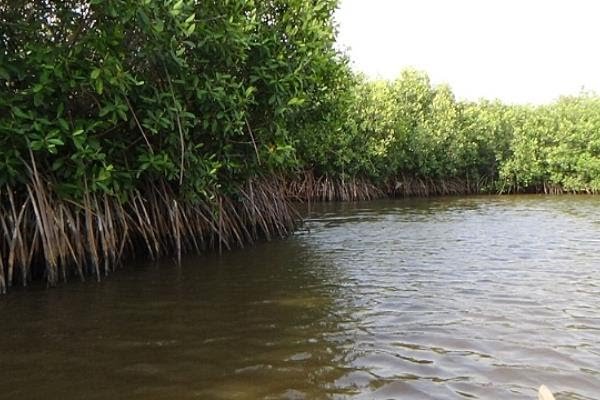
Beyond their biological richness, lagoons provide crucial ecosystem services that underpin regional ecological resilience and human well-being. These services encompass the purification of groundwater, efficient cycling of nutrients, and the natural regulation of water flow, which helps to mitigate the severity and frequency of flooding in adjacent areas. Furthermore, lagoons are instrumental in dispersing the extreme erosive forces exerted on the shore by the Atlantic Ocean, thereby offering a vital natural defense for vulnerable coastlines. Mangrove forests, often an integral component of these lagoon complexes, significantly enhance these services by providing essential spawning, breeding, and feeding sites for aquatic life, in addition to their role as natural coastal barriers.
1.2 Overview of African Coastal Lagoons and their Vulnerability
Africa possesses an extensive network of coastal lagoons, with a notable concentration along its West African coastline. Examples include the lagoons found in Gabon and Ghana , with this report focusing on critical sites such as Songhor Lagoon, Avu Lagoon, Khenifiss Lagoon, Keta Lagoon Complex, Ebrie Lagoon, Aby Lagoon, and Lagos Lagoon, among others.
These lagoon systems are inherently susceptible to both natural environmental shifts and the increasing pressures of human activities. Their low-lying topography and dynamic hydrological characteristics render them acutely sensitive to external disturbances. This inherent natural dynamism and low-lying nature mean that their degradation is not merely a result of direct human impact; rather, their natural characteristics amplify the negative effects of both climate change and anthropogenic activities. When additional stressors, whether from human activities like pollution and overexploitation, or natural phenomena such as climate change impacts, are introduced, these inherent vulnerabilities are exploited. This leads to a disproportionately severe rate of degradation compared to more geomorphologically stable ecosystems. Consequently, these lagoons are increasingly recognized as “hot spots” of global environmental change, facing escalating pressures driven by rapidly growing coastal populations and often unsustainable developmental practices.
The growing concentration of human populations and economic activities within these naturally vulnerable “hot spots” creates a dangerous feedback loop. If coastal lagoons naturally regulate water flow and mitigate flooding , then the degradation of these ecosystems directly compromises this vital service. As human populations continue to expand and settle in these low-lying, vulnerable coastal areas , the loss of natural flood protection leads to increased frequency and severity of flooding events. This heightened human risk often prompts reactive, and often unsustainable, interventions, such as the construction of hard infrastructure like sea walls , which can further degrade the natural environment, thereby perpetuating a cascading cycle of environmental and societal vulnerability.
2. Ecological Significance of Endangered Lagoons
The endangered lagoons across Africa are not merely bodies of water; they are intricate ecological systems that harbor unique biodiversity and provide indispensable services that sustain both natural processes and human communities. The loss or degradation of these lagoons would represent a significant blow to global biodiversity and regional resilience.
2.1 Biodiversity Hotspots: Key Species and Habitats
Each of the endangered lagoons examined in this report serves as a critical biodiversity hotspot, supporting a remarkable array of life.
Songhor Lagoon, Ghana: This lagoon is a globally recognized ecological treasure, designated as a Ramsar wetland of international importance since 1988 (or 1992, per ) and a UNESCO Biosphere Reserve since 2011. It is characterized by high salinity levels and extensive mudflats, providing essential habitat and breeding grounds for a diverse array of species. Notably, it hosts three species of sea turtles classified as threatened by the IUCN Red List:
Dermochelys coriacea, Chelonia mydas, and Lepidochelys olivacea. Manatees are also known to inhabit its waters. The lagoon is a crucial waypoint for thousands of European migratory birds that winter in Ghana and supports two significant mangrove species:
Avicennia africana and Rhizophora racemosa.
Avu Lagoon, Ghana: As a freshwater lagoon and a core component of the Avu Lagoon Community Protected Area (ALCPA), this site holds unique ecological significance for Ghana’s wildlife. It is believed to be the sole habitat for Ghana’s population of sitatunga, a distinctive semi-aquatic antelope that was once thought to be extinct in the region until its rediscovery in 1998. The diverse mosaic of habitats within the ALCPA, including seasonally flooded forests, grasslands, and farms, are critical for the survival and movement of this species. The presence of such highly specialized species, like Ghana’s only known sitatunga population in Avu Lagoon, or the reliance of globally threatened sea turtle species on specific nesting beaches within Songhor and Keta , underscores a critical ecological principle: the degradation of a single lagoon can have disproportionate and far-reaching impacts on regional or even global biodiversity. If Avu Lagoon is the
sole habitat for Ghana’s sitatunga , then any threat to this specific lagoon directly jeopardizes the national survival of the species. Similarly, the fact that globally threatened sea turtles specifically nest in Songhor and Keta means these lagoons are not merely local ecosystems but critical nodes in global conservation networks for these species. The loss or severe degradation of these particular sites would therefore lead to significant declines in these species populations, with consequences extending far beyond the immediate geographical boundaries of the lagoons.
Khenifiss Lagoon, Morocco: Recognized as the largest Atlantic lagoon in Morocco and the only one situated within the Saharan bioclimatic zone, Khenifiss Lagoon is a Ramsar site (since 1980) and a National Park (since 2006), celebrated for its rich biodiversity and high biological productivity. Its productivity is significantly boosted by oceanic upwellings. The lagoon supports an impressive array of species, including 27 mammal species, 30 macroalgae species, 72 vascular plant species, and numerous invertebrates. It is home to over 10% of the global population of Audouin’s gull (
Larus audouinii), serves as the second major concentration area in Morocco for the Greater Flamingo (Phoenicopterus roseus), and is the fourth concentration area for shorebirds, hosting nearly 20,000 individuals. Furthermore, it is a critical wintering area for migratory birds along the East Atlantic flyway and provides habitat for other vulnerable or threatened species such as the marbled teal (
Marmaronetta angustirostris).
Keta Lagoon Complex Ramsar Site (KLCRS), Ghana: This is Ghana’s largest lagoon and a paramount coastal wetland for avian species, supporting over 72 species of resident and migratory birds with an estimated population exceeding 100,000 individuals. It is also identified as a major breeding ground for three threatened sea turtle species: leatherback (
Dermochelys coriacea), green (Chelonia mydas), and olive ridley (Lepidochelys olivacea). The complex supports a wide range of other fauna including manatees, sitatunga, various fish species, crabs, and molluscs , and features extensive mangrove forests that are crucial for its ecological health.
2.2 Ecosystem Services: Water Regulation, Nutrient Cycling, Coastal Protection
Beyond providing direct habitat for diverse species, these lagoons perform vital ecosystem services that are essential for regional ecological balance and human well-being. They play a critical role in purifying groundwater, acting as natural reservoirs for nutrients, and sustaining the local food chain. Hydrologically, lagoons are essential for regulating water flow, which helps to stagger and lessen the effects of flooding in surrounding areas. Furthermore, they are crucial in dispersing the extreme erosive forces exerted on the shore by the Atlantic Ocean, thereby providing natural coastal protection. The high biological productivity of many lagoons, often enhanced by phenomena such as oceanic upwellings (as observed in Khenifiss ), underpins their capacity to provide these multifaceted and indispensable services.
The dual role of coastal lagoons as both biodiversity hotspots and providers of critical ecosystem services creates a compounding ecological vulnerability. A lagoon that supports a high diversity of species and simultaneously regulates water flow and prevents flooding is a robust ecosystem. However, when species vital for these functions, such as mangroves , are destroyed, the ecosystem’s ability to perform its regulatory services is severely compromised. This establishes a detrimental positive feedback loop: ecological decline (biodiversity loss) leads to reduced ecosystem services (e.g., increased flooding), which in turn makes the ecosystem more susceptible to further degradation from external pressures. This interconnected decline impacts both the natural integrity of the lagoon and the safety and well-being of the human communities dependent on it.
3. Drivers of Degradation: Environmental and Anthropogenic Pressures
The endangered status of Africa’s coastal lagoons stems from a complex interplay of natural environmental stressors and a wide array of human-induced pressures. These factors often interact synergistically, accelerating degradation and making conservation efforts increasingly challenging.
3.1 Natural Stressors
Climate Change: Climate change is identified as a pervasive and accelerating driver of degradation across African coastal zones. The research consistently demonstrates that natural stressors, particularly climate change-induced phenomena like coastal erosion and sea-level rise, are not acting in isolation but are significantly
exacerbated by human activities. Practices such as mangrove clearing, sand mining, and poorly designed infrastructure create a synergistic effect, accelerating the degradation of lagoons far beyond what either factor would cause independently. For example, while sea level rise is a natural phenomenon, its destructive potential is vastly increased when protective mangrove forests (often cleared by human activities) are absent. This synergy leads to more rapid and severe environmental decline, making the lagoons more vulnerable to irreversible damage.
- Sea Level Rise & Coastal Erosion: Rising sea levels, projected at approximately 1 millimeter per year in East Africa and potentially up to 1.06 meters by 2100 in West Africa , are significantly exacerbating coastal erosion. This leads to the irreversible loss of coastal land, destruction of homes, and damage to critical assets. The Keta Lagoon coastline, for instance, is among the most severely affected by sea erosion, with parts of Keta township already being washed away. The Songhor Lagoon is explicitly identified in the IPCC Sixth Assessment Report as being threatened by flooding and coastal erosion by the end of the century under high greenhouse gas scenarios.
- Extreme Weather Events: Increased incidences of extreme rainfall and rising temperatures (projected to increase by 2°C by 2050 and 4°C by 2100 in West Africa) contribute to more severe and frequent floods, while also altering natural hydrological patterns. Furthermore, repetitive droughts, worsened by climate change, compel rural communities to migrate and settle on coastal areas, thereby intensifying pressure on already fragile lagoon ecosystems.
Geomorphological Changes: Natural geomorphological processes also contribute to lagoon degradation. In Khenifiss Lagoon, for example, prevailing winds from the NNE to SSW transport massive sand masses inland, promoting the formation of transverse and Barchan dunes that are largely responsible for the lagoon’s significant silting. A large shipwreck stuck at the lagoon’s inlet since 1978 has further intensified this silting process, causing significant alterations to the inlet’s structure and dynamics and creating large sandbanks that impede hydrodynamic circulation and navigation.
Hydrological Alterations: The construction of dams on rivers, even those hundreds of kilometers upstream, can profoundly alter the natural hydrology of coastal lagoons by disrupting the flow of essential sediments and nutrients. The Akosombo Dam on the Volta River, for instance, is cited as a cause for silting and blockage of interconnecting channels in the Keta Lagoon, leading to large areas drying up in the dry season and severe flooding during the wet season.
3.2 Human-Induced Pressures
Many of the direct anthropogenic pressures observed are symptoms of more fundamental socio-economic challenges. High population growth rates and pervasive poverty drive an overdependence on natural resources, pushing communities towards unsustainable practices for immediate survival. This implies that effective environmental conservation necessitates addressing these underlying socio-economic vulnerabilities and systemic governance failures, rather than solely focusing on the direct environmental impacts. For instance, communities surrounding Songhor Lagoon are described as “largely poor and over-populated” and “dependent upon their harvesting of the lagoon for survival”. This establishes a direct causal link between socio-economic hardship (poverty, population pressure) and unsustainable resource exploitation (over-fishing, mangrove harvesting, salt winning). Furthermore, weak governance fails to provide adequate alternatives or enforce regulations, thereby perpetuating this cycle. Therefore, a truly effective conservation strategy must integrate socio-economic development and robust governance reforms to address the root causes of environmental degradation, rather than just treating the symptoms.
Overexploitation of Natural Resources:
- Overfishing: This is a prevalent issue in Songhor , Keta , and Khenifiss. It results in the depletion of targeted fish stocks, a reduction in average fish size, and detrimental alterations in the species composition of catches. The use of smaller mesh nets further exacerbates this problem.
- Mangrove Harvesting: The extensive harvesting of mangroves for fuelwood and for smoking fish and shrimp constitutes a major threat. This practice leads directly to habitat loss and significantly exacerbates coastal erosion.
- Unsustainable Salt Winning: This activity poses a significant threat, particularly in Songhor and Khenifiss. Large-scale commercial operations, often employing electric pumps to create “Atsiakpo” (dug-out dykes for salt production), monopolize the resource, drive out traditional small-scale producers, and cause widespread destruction of the landscape. Uncontrolled exploitation also results in the loss of valuable wetlands and environmental distortion from abandoned waste products.
- Hunting/Poaching: Direct threats are posed to endangered species such as the sitatunga in Avu Lagoon and sea turtles in Songhor and Keta.
Agricultural Expansion and Intensive Practices: The expansion of agricultural land through extensive drainage and cultivation for farming and the conversion of natural forests for agricultural purposes are significant pressures. Intensive horticulture, particularly evident around Keta Lagoon, involves heavy reliance on fertilizer and manure application. This leads to excessive nutrient runoff, resulting in eutrophication, harmful algal blooms, and a severe decline in water quality. Grazing by cattle and other livestock in lagoon areas can disturb nesting species and trample their eggs.
Urbanization, Industrial Activities, and Infrastructure Development: The rapid growth of coastal urban centers and the expansion of the tourism sector generate vast quantities of pollution from untreated domestic sewage, directly threatening near-shore habitats. The uncontrolled expansion of lagoon settlements, industrial developments (such as saw milling, oil terminals, and shipbuilding), and the construction of infrastructure (e.g., ports, hotels) lead to the clearing of coastal vegetation, filling of wetlands, and a significant increase in sewage and solid waste loads. The damming of creeks and channels for infrastructure expansion also disrupts natural water flow. Accumulation of solid waste, plastics, and untreated wastewater is a pervasive and growing problem, notably in Khenifiss and Keta. The Ebrie Lagoon in Abidjan, for example, receives destructively large quantities of untreated domestic sewage from its 3.5 million inhabitants, leading to eutrophication and affecting biodiversity. Industrial development in Abidjan has also heavily concentrated around the Ebrie Lagoon, with industries dumping wastewater into it. Lagos’s urban development and unregulated land reclamation (sand filling) are rapidly destroying its mangrove forests.
Mining: Destructive mining practices, including widespread sand mining , titanium mining , and salt mining , directly destroy natural habitats and contribute to coastal erosion. Furthermore, heavy metal contamination resulting from mining and other industrial/urban sources poses serious health risks to both ecosystems and human populations, notably in Khenifiss , Keta , Ebrie , and Aby Lagoons. Artisanal and small-scale gold mining (ASGM) is a serious threat to lagoons like Aby, exposing them to mercury pollution.
Governance Gaps and Conflicts: Weak policy enforcement, inadequate management of environmental impacts, and the absence of comprehensive legal frameworks for land use and environmental protection significantly exacerbate environmental degradation. Conflicts frequently arise from competing interests over resource control. For instance, the controversial sale of Songhor Lagoon to private investors has led to violent clashes, injuries, and even deaths among local communities who depend on the lagoon. Similar issues have been observed with industrial acquisitions in the Ketu-Keta Lagoon area. A lack of understanding or insufficient enforcement of existing environmental laws by government authorities further compounds these issues. In Lagos, despite forest protection laws, enforcement is weak, often ignored in favor of housing developments.
4. Case Studies of Endangered Lagoons
To illustrate the multifaceted challenges and the critical state of Africa’s coastal lagoons, a broad selection of specific case studies are presented: Songhor Lagoon, Avu Lagoon, Khenifiss Lagoon, Keta Lagoon Complex Ramsar Site, Ebrie Lagoon, Aby Lagoon, and Lagos Lagoon. These examples highlight the diverse environmental and anthropogenic pressures at play and their profound impacts.
4.1 Songhor Lagoon, Ghana
Location & Status: Situated on the eastern coast of Ghana, Songhor Lagoon is a significant coastal wetland. It was designated as a Ramsar wetland site of international importance in 1988 (or 1992, per ) and recognized as a UNESCO Biosphere Reserve in 2011.
Ecological Significance: The lagoon is characterized by high salinity levels and extensive mudflats, serving as a vital habitat and breeding ground for numerous species. It is particularly critical for three IUCN-threatened sea turtle species (
Dermochelys coriacea, Chelonia mydas, Lepidochelys olivacea), manatees, and acts as an important waypoint for European migratory birds. The ecosystem also supports two key mangrove species,
Avicennia africana and Rhizophora racemosa. Beyond biodiversity, it provides essential ecosystem services such as groundwater purification, nutrient regulation, flood control, and dispersion of coastal erosion.
Primary Threats: The lagoon faces severe threats from over-fishing, extreme harvesting of mangroves, extensive drainage and cultivation for farmland, heavy grazing by cattle, and unsustainable levels of salt winning. Additional threats include the use of pesticides and herbicides, the damming of creeks and channels for infrastructure expansion, and indiscriminate rubbish dumping. The IPCC Sixth Assessment Report (2022) explicitly lists Songhor Lagoon as an African natural heritage site threatened by flooding and coastal erosion by the end of the century, particularly under high greenhouse gas emission scenarios. Recent conflicts related to the controversial sale of the lagoon to private investors have led to violent clashes, injuries, and even deaths among local communities who depend on the lagoon for their livelihoods, exacerbating the environmental degradation.
4.2 Avu Lagoon, Ghana
Location & Status: Avu Lagoon is a freshwater lagoon located in the Volta region of Ghana, forming part of the Avu Lagoon Community Protected Area (ALCPA).
Ecological Significance: This site holds unique ecological significance as it is believed to be the sole habitat for Ghana’s population of sitatunga, a distinctive semi-aquatic antelope that was once thought to be extinct in the region until its rediscovery in 1998. The diverse mosaic of habitats within the ALCPA, including seasonally flooded forests, grasslands, and farms, are critical for the survival and movement of this species.
Primary Threats: The sitatunga population in Avu Lagoon faces significant challenges from habitat loss, severe habitat fragmentation, and long-term changes to water levels within their wetland habitats. The isolation of these sitatunga groups may have also led to them becoming genetically distinct, increasing their vulnerability. Protecting the sitatunga comes with a considerable opportunity cost for local residents due to restrictions on traditional activities like hunting and farming within the protected area, which can lead to land scarcity and conflicts over resource use.
4.3 Khenifiss Lagoon, Morocco
Location & Status: Khenifiss Lagoon is located in southwestern Morocco, where the Sahara Desert meets the Atlantic Ocean. It is the largest Atlantic lagoon in Morocco and the only one situated within the Saharan bioclimatic zone. It has been designated a natural reserve (1962), a biological reserve (1983), a protected wetland under the Ramsar Convention (1980), and a National Park (2006).
Ecological Significance: The lagoon is celebrated for its rich biodiversity and high biological productivity, significantly boosted by oceanic upwellings. It supports an impressive array of species, including 27 mammal species, 30 macroalgae species, 72 vascular plant species, and numerous invertebrates. It is home to over 10% of the global population of Audouin’s gull (
Larus audouinii), serves as the second major concentration area in Morocco for the Greater Flamingo (Phoenicopterus roseus), and is the fourth concentration area for shorebirds, hosting nearly 20,000 individuals. Furthermore, it is a critical wintering area for migratory birds along the East Atlantic flyway and provides habitat for other vulnerable or threatened species such as the marbled teal (
Marmaronetta angustirostris).
Primary Threats: Khenifiss Lagoon faces significant threats from both natural and human factors. Natural silting is a major issue, exacerbated by prevailing winds that transport massive sand masses inland, forming dunes that are largely responsible for the lagoon’s silting. A large shipwreck at the lagoon’s inlet since 1978 has intensified this silting, altering the inlet’s structure and dynamics, and impeding hydrodynamic circulation and navigation. Anthropogenic pressures include population growth, leading to increased demand for resources and wastewater discharge. Tourism activities contribute to environmental disturbances through solid and plastic waste accumulation and disturbance to bird populations. Overfishing, illegal fishing, and the use of unregulated equipment deplete fish and shellfish populations. Uncontrolled salt mining activities have led to wetland loss and environmental distortion from abandoned waste products. Heavy metal contamination also poses a significant risk.
4.4 Keta Lagoon Complex Ramsar Site (KLCRS), Ghana
Location & Status: The Keta Lagoon Complex Ramsar Site is Ghana’s largest lagoon, located in the Volta Region in the southeast of the country. It was listed as a Wetland of International Importance by the Ramsar Convention on Wetlands in 1992.
Ecological Significance: The KLCRS is a paramount coastal wetland for avian species, supporting over 72 species of resident and migratory birds with an estimated population exceeding 100,000 individuals. It is also identified as a major breeding ground for three threatened sea turtle species: leatherback (
Dermochelys coriacea), green (Chelonia mydas), and olive ridley (Lepidochelys olivacea). The complex supports a wide range of other fauna including manatees, sitatunga, various fish species, crabs, and molluscs , and features extensive mangrove forests that are crucial for its ecological health.
Primary Threats: The KLCRS is severely threatened by coastal erosion and perennial flooding, with parts of Keta township already lost to the sea. This is exacerbated by rising sea levels and stronger tidal waves due to climate change, as well as unregulated human activities like sand mining, coastal deforestation, and canal dredging. Intensive agricultural practices in the lagoon’s catchment, involving heavy fertilizer and manure application, lead to excessive nutrient runoff, causing widespread eutrophication, harmful algal blooms, and a severe decline in water quality. This has resulted in a major decline in fish species diversity, size, and landings. Overexploitation of mangroves for fuelwood is also a significant issue. Furthermore, heavy metal contamination (arsenic, mercury) in fish from the lagoon poses serious health risks to consumers, particularly children. Weak governance, poor zoning enforcement, and inadequate community awareness contribute to the ongoing degradation.
4.5 Ebrie Lagoon, Côte d’Ivoire
Location & Status: The Ebrie Lagoon is part of the Ivorian lagoon complex, located in Côte d’Ivoire, and is a significant water body for the city of Abidjan.
Ecological Significance: The lagoon is a vital ecosystem that supports a large population, with approximately 3.5 million people living around it. It directly contributes to about 20,000 tons of annual fish production in Ivory Coast through subsistence aquaculture. The lagoon is fed by continental freshwaters from the Comoé, Agnéby, and Mé Rivers and has been connected to marine waters via the Vridi channel since 1950. Its complex morphology includes multiple bays.
Primary Threats: The Ebrie Lagoon is severely threatened by pollution from raw domestic and industrial wastes generated by the city of Abidjan. This leads to drastic increases in eutrophication, especially in its bays, which negatively affects marine and coastal biodiversity. Industrial development in Abidjan has heavily concentrated around the lagoon, with industries discharging an estimated 12,000 m³ of wastewater per day into it. Agricultural runoff containing fertilizer and pesticide residues also contributes to pollution. Heavy metal contamination, particularly from arsenic (As), mercury (Hg), and lead (Pb), poses significant ecological and human health risks, especially for children and adults through sediment ingestion. Mercury is identified as the most toxic metal requiring special attention. Climate change is also an emerging threat, synergizing with anthropogenic effects to impact livelihoods and national economies.
4.6 Aby Lagoon, Côte d’Ivoire
Location & Status: Aby Lagoon is located in Côte d’Ivoire, covering an estimated area of 420 km². The Ehotilé Islands within the lagoon are protected as Îles Ehotilés National Park and are part of the Ramsar site of Iles Ehotilé-Essouman.
Ecological Significance: The lagoon is a crucial source of food and livelihood for an estimated 30,000 people living around it, primarily through fishing activities. It is influenced by the Bia and Tanoe rivers. Like other coastal lagoons, Aby Lagoon provides essential ecosystem services such as water regulation, sediment retention, food provision (fisheries and aquaculture), recreation, and aesthetic value. Its wetlands, mangroves, salt marshes, and seagrass meadows are important shallow water habitats supporting rich biodiversity, including mollusks, crabs, fishes, and birds. It serves as a critical area for estuarine-resident, estuarine-dependent, opportunistic marine, and occasional marine and freshwater species for food, shelter, and reproduction.
Primary Threats: Aby Lagoon is seriously threatened by rapid artisanal and small-scale gold mining (ASGM) activities in its watershed, which expose the lagoon to significant mercury pollution. Mean mercury concentrations in the sediments have been recorded at 0.70 ± 0.18 mg⋅kg⁻¹, posing risks to the ecosystem and human health. The Bia and Tanoe rivers, which flow into the lagoon, are feared to be vectors for heavy metal pollution from gold-mining areas. Other anthropogenic activities, including sewer pollution, eutrophication, draining of wetlands, overfishing, urban development, oil and gas exploration, and modifications to natural river flows, also directly or indirectly affect the lagoon’s biodiversity, ecology, function, and structure.
4.7 Lagos Lagoon, Nigeria
Location & Status: Lagos Lagoon is a significant coastal water body in Nigeria, integral to the densely populated city of Lagos.
Ecological Significance: Lagos’s mangrove forests, which are part of the lagoon ecosystem, are vital for climate mitigation, effectively sequestering carbon dioxide and filtering air pollutants. They play a critical role in flood management by absorbing excess rainfall. These mangroves also act as natural water purifiers, with their roots filtering contaminants, protecting marine ecosystems, and providing essential breeding grounds for various fish species. The Niger Delta, which includes parts of the Lagos coastal zone, holds Africa’s largest mangrove forest, serving as a natural defense against erosion and extreme weather. Overall, the lagoon supports high biodiversity and provides crucial ecosystem services that are essential for the livelihoods, well-being, and health of surrounding communities, including food security and transportation.
Primary Threats: Lagos Lagoon and its surrounding ecosystems are rapidly disappearing due to intense urban development and unregulated land reclamation, primarily through sand filling. This practice involves dredging sand from the lagoon and pouring it into mangrove areas to create land for buildings, causing tremendous harm to biodiversity. The city loses vast forest areas daily, contributing to increased carbon footprint and air pollution, with Lagos’s air pollution index being six times higher than the WHO’s recommended limit. Heavy metal pollution from increased waste and domestic discharges is a significant concern, with elevated concentrations of zinc, lead, and manganese found in sediments in some segments of the lagoon. Weak enforcement of existing forest protection laws allows continued destruction of sensitive areas for housing developments. The destruction of natural habitats also leads to wildlife, such as monkeys, invading human settlements.
4.8 Other Significant West African Lagoons
Beyond the detailed case studies, several other lagoons in West Africa face similar threats and hold significant ecological value:
- Lake Nokoué and Porto-Novo Lagoon, Benin: This complex forms the most important lagoon system in Benin. It is highly biologically diverse, serving as an important nesting site and unique habitat for a wide variety of flora and fauna, including at least 78 species of fish and several endangered species. However, it faces strong organic pollution, particularly in Lake Nokoué, due to its location within an urban agglomeration. Threats include waste and wastewater pollution, decomposition of traditional fishing structures (acadjas), petroleum product spills, overexploitation of resources, and the spread of invasive species. Climate change is projected to cause the lake to double in size and flood, risking future salinization.
- Ouémé Valley Wetlands, Benin: This vital landscape supports the livelihoods of thousands and provides a favorable habitat for the West African manatee. It is rich in agricultural lands and diverse ecosystems. However, it is threatened by population explosion, overexploitation of wood for energy, deforestation, impacts on sacred forests, extensive agriculture, and general pollution. Soil degradation and unsustainable agricultural practices are also major concerns.
- Banc d’Arguin National Park, Mauritania: This World Heritage Site is critical for biodiversity, supporting important fish-eating birds and fish species. It is, however, highly vulnerable to climate change impacts, including worsening floods and coastal erosion. Pollution and overfishing in its bordering waters, along with pressure from external fishing companies, pose significant threats. Other challenges include tourism activities, deficient management plans, and the potential impacts of gold mining and oil/gas exploration.
Comparative Analysis of Key Endangered Lagoons
| Lagoon Name | Country | Primary Threats | Key Biodiversity | Conservation Status/Designation |
| Songhor Lagoon | Ghana | Over-fishing, mangrove harvesting, unsustainable salt winning, agricultural expansion, pollution, climate change (flooding, erosion) | 3 IUCN-threatened sea turtle species, manatees, migratory birds, Avicennia africana, Rhizophora racemosa mangroves | Ramsar Site (1988/1992), UNESCO Biosphere Reserve (2011) |
| Avu Lagoon | Ghana | Habitat loss & fragmentation, changes to water levels, genetic isolation, socio-economic pressures (hunting, farming restrictions) | Ghana’s only known Sitatunga population | Avu Lagoon Community Protected Area (ALCPA) |
| Khenifiss Lagoon | Morocco | Natural silting (sand transport, shipwreck), population growth, tourism pollution, overfishing, illegal fishing, uncontrolled salt mining, heavy metal contamination | Audouin’s gull (>10% global population), Greater Flamingo, shorebirds (~20,000 individuals), migratory birds (East Atlantic flyway), 27 mammal species, diverse flora & invertebrates | Ramsar Site (1980), National Park (2006) |
| Keta Lagoon Complex Ramsar Site | Ghana | Coastal erosion, flooding, intensive agriculture (eutrophication, pollution), overfishing, mangrove harvesting, heavy metal contamination, weak governance | >72 species of resident & migratory birds (>100,000 individuals), 3 threatened sea turtle species, manatees, sitatunga, diverse fish & invertebrates, extensive mangroves | Ramsar Site (1992), Important Bird Area (IBA) |
| Ebrie Lagoon | Côte d’Ivoire | Untreated domestic & industrial waste, agricultural runoff, eutrophication, heavy metal contamination (As, Hg, Pb), climate change | Supports significant fish production, marine & coastal biodiversity | None explicitly mentioned in research notes, but need for coordinated conservation efforts |
| Aby Lagoon | Côte d’Ivoire | Artisanal & small-scale gold mining (mercury pollution), habitat loss, overfishing, urban development, oil/gas exploration | Supports fishing communities, diverse aquatic species, wetlands, mangroves, seagrass meadows | Îles Ehotilés National Park (1974), Ramsar Site of Iles Ehotilé-Essouman |
| Lagos Lagoon | Nigeria | Urban development, unregulated land reclamation (sand filling), mangrove destruction, heavy metal pollution, weak law enforcement | Mangrove forests (carbon sequestration, air/water purification, flood control, fish breeding), diverse aquatic life, Africa’s largest mangrove forest (Niger Delta) | Calls for stronger advocacy, legal reform, community-based monitoring |
5. Socio-economic Consequences for Local Communities
The degradation of Africa’s coastal lagoons has profound and far-reaching socio-economic consequences, directly impacting the livelihoods, food security, health, and social stability of the communities that depend on these vital ecosystems.
5.1 Livelihood Disruption and Poverty
Coastal lagoons are fundamental to the livelihoods of millions of people in Africa, particularly through fishing, farming, and salt production. However, the environmental decline of these lagoons directly translates into severe economic hardship. In Songhor Lagoon, for instance, 92% of respondents depended solely on the wetland for their livelihood, and 84% confirmed a reduction in resources due to overdependence. The unsustainable practices of large-scale salt winning, often driven by a few powerful individuals, have monopolized the resource, driving traditional small-scale salt winners out of business and forcing them into precarious labor for meager wages.
Similarly, in the Keta Lagoon Complex, the once vibrant fishery has collapsed due to intense anthropogenic pressures, including environmental degradation and overharvesting. This has rendered nearly 90% of fishing canoes redundant, compelling fishermen to abandon their traditional occupation in favor of intensive vegetable and cash crop farming along the lagoon banks. This shift, while providing an alternative, often leads to further environmental strain on the lagoon itself. In Avu Lagoon, conservation efforts, while crucial for the sitatunga, impose significant opportunity costs on local residents by restricting traditional hunting and farming activities. This creates land scarcity and unmet expectations from ecotourism, leading to illicit land transfers and encroachment, further destabilizing livelihoods. The overall observation across these sites is a decline in livelihoods and income sources for communities directly impacted by lagoon degradation. In Lagos, the destruction of mangroves directly impacts fisheries and the economic well-being of communities reliant on these ecosystems.
5.2 Food Security and Health Implications
The degradation of lagoons directly threatens food security by reducing the availability and safety of aquatic resources. Decreased fish catches, both in quantity and variety, are a widespread concern, directly impacting a primary protein source for coastal communities. Beyond scarcity, the quality of food resources is compromised. In Keta Lagoon, new research reveals dangerous levels of mercury and arsenic in local fish, posing significant cancer risks, particularly for children. This heavy metal contamination is exacerbated by the lagoon’s “closed” nature, which can trap pollutants from industrial, agricultural, and urban waste sources. Similarly, in Ebrie Lagoon, heavy metal contamination (As, Hg, Pb) in sediments poses health risks via ingestion for both children and adults. Mercury contamination from gold mining in Aby Lagoon also poses health risks to the population living near these lagoons.
Furthermore, the deterioration of water quality due to pollution from untreated domestic sewage, agricultural runoff, and industrial discharges makes lagoon waters unsuitable for drinking and recreation. This directly affects public health and well-being. The long-term outlook for West Africa projects that climate change impacts on marine fisheries, including reduced food production, will affect food security and revenues for dependent communities as early as 2050.
5.3 Social Conflicts and Displacement
The increasing scarcity and degradation of lagoon resources often fuel social conflicts and can lead to displacement. In Songhor Lagoon, the controversial takeover by private salt mining companies, often with the alleged complicity of local chiefs, has led to violent clashes, injuries, and even deaths among community members resisting the loss of their traditional livelihoods and land rights. Similar issues of unapproved resource extraction and encroachment due to population growth are reported.
Coastal erosion, exacerbated by climate change and human activities, also leads to the physical displacement of communities. In Ghana, villages along the Keta Lagoon coastline are being lost to rising seas, forcing residents to abandon their homes and livelihoods. The historical inability of governments to adequately address these issues, often leading to unfulfilled promises of alternative livelihoods, further exacerbates tensions and undermines community trust. Conflicts also arise from differing resource use practices, such as disputes between fishermen using various net types or arguments over mangrove harvesting. The erosion of land rights, particularly for Indigenous landowners who lack the financial resources to officially register their their land, makes them vulnerable to exploitation and further displacement.
6. Current Conservation Efforts: Challenges and Successes
Conservation efforts for Africa’s endangered lagoons encompass a range of strategies, from international designations to local community-led initiatives and infrastructure projects. While some successes have been achieved, significant challenges persist, often undermining the long-term effectiveness of these interventions.
6.1 International Designations and National Park Status
A key strategy for protecting these vital ecosystems has been through international recognition and national protective designations. Songhor Lagoon, for instance, was designated a Ramsar wetland of international importance in 1988 (or 1992, per ) and a UNESCO Biosphere Reserve in 2011. Similarly, Khenifiss Lagoon has multiple protective designations, including a natural reserve (1962), a biological reserve (1983), a Ramsar site (1980), and a National Park (2006). The Keta Lagoon Complex was also listed as a Wetland of International Importance by the Ramsar Convention in 1992 and designated an Important Bird Area (IBA) by BirdLife International due to its significant waterbird populations. In Côte d’Ivoire, the Ehotilé Islands within Aby Lagoon are protected as Îles Ehotilés National Park (established 1974) and are part of the Ramsar site of Iles Ehotilé-Essouman. Benin also has two Ramsar sites covering coastal zones, including the East Complex (Lower Ouémé Valley, Porto-Novo Lagoon, Lake Nokoué) and the West Complex (Lower Valley Couffo, Seaside Lagoon, Chenal Aho, Lake Ahémé). These designations provide a legal and international framework for conservation, highlighting the global significance of these sites and theoretically obligating national governments to protect them.
6.2 Community-Led Initiatives and Alternative Livelihoods
Recognizing that local communities are often both impacted by and contributors to degradation, efforts have focused on fostering community involvement and developing alternative livelihoods. In Songhor Lagoon, locals have implemented mangrove restoration projects, acknowledging their role in supporting fauna. Ecotourism, particularly guided sea turtle walks, is promoted as an ecologically friendly source of income, managed by the Ghana Wildlife Division. The Forestry Commission also organizes educational talks with local schools and involves them in releasing turtle hatchlings.
In Avu Lagoon, the Wilder Institute works with partners to support local communities in building alternative, economical, and ecologically sustainable livelihoods, aiming to offset the opportunity costs of conservation restrictions on traditional hunting and farming. They also strengthen the capacity of rangers through salaries, training, and equipment, utilizing local trackers, remote cameras, and drones for monitoring.
For Khenifiss Lagoon, the local population founded the Khenifiss Association in 2001 to improve the lagoon’s environment, defend it against threatening development projects (like tourism and shale gas exploitation), and raise environmental awareness. In the Keta Lagoon Complex, projects like the Regenerative Development of the Anlo Wetlands (ReDAW) are mobilizing communities, in partnership with organizations like Seawater Solutions and Terraformation, to restore mangroves, revitalize fisheries through sustainable aquaculture, and provide skill development and employment opportunities, particularly for women. Efforts are also underway to secure financial investment to validate Indigenous land rights, addressing a key obstacle to community empowerment.
In Nigeria, youth collectives in Lagos are organizing shoreline cleanups and using digital tools to report environmental violations. Traditional fishers in Akwa Ibom collaborate with conservationists to create no-catch zones. The Lokiaka Community Development Centre in Rivers State has trained over 250 women and girls in mangrove restoration, planting more than one million mangroves. These initiatives blend traditional knowledge with community action to restore ecosystems. In Benin, AMAF-BENIN (Amis de l’Afrique Francophone-Bénin) promotes sustainable management and works to increase the capacities of the local population through various projects and advocacy, focusing on nature conservation and sustainable use of natural resources.
6.3 Infrastructure-Based Solutions and Nature-Based Approaches
In response to severe coastal erosion and flooding, some areas have implemented engineering solutions. The Keta Sea Defence Project in Ghana, for example, created a canal between the lagoon and the sea to manage overflow and has reportedly helped the lagoon regain economic significance by allowing shrimps to enter a protected environment. Local authorities in Songhor Lagoon have also built barriers to fight erosion.
However, there is a growing recognition of the importance of Nature-based Solutions (NBS). While the Keta Sea Defence Project offered some relief, it also increased erosion to the east. Experts now advocate for better-structured coastal management strategies that work with nature, such as dredging the coastline to reclaim land and weaken wave impact, and planting trees as windbreaks instead of relying solely on massive rocks. The ReDAW project in Keta exemplifies this shift, focusing on restoring native mangrove forests to bring back marine biodiversity, improve water quality and flood control, and enhance climate resilience. The West Africa Coastal Areas Management Program (WACA) also emphasizes climate-resilient infrastructure, disaster risk management plans, and nature-based solutions to protect coastal livelihoods.
6.4 Obstacles: Governance Issues, Funding Gaps, Community Engagement Challenges
Despite these efforts, significant obstacles hinder effective conservation. A primary challenge is weak policy enforcement and inadequate management of environmental impacts. In Ghana, for example, environmental management policies exist, but practical enforcement challenges often lead to continued degradation. Some government authorities, including police and judiciary, may not be adequately informed about environmental laws, allowing defaulters to go unpunished. In Lagos, despite forest protection laws, enforcement is weak, often ignored in favor of housing developments.
Conflicts between stakeholders, including local authorities, private investors, and local populations, are common, particularly regarding proposed tourism and resource exploitation projects that threaten wetlands. The controversial sale of Songhor Lagoon to private companies, leading to violent clashes and deaths, exemplifies the severe consequences of these governance failures and the lack of proper benefit-sharing mechanisms. Elite capture of conservation processes and illicit land transfers further undermine community trust and conservation goals.
Limited understanding of complex ecosystems, coupled with intricate social and administrative structures, complicates management efforts. Furthermore, conservation initiatives are often hampered by insufficient funding and a lack of sustained community awareness programs. While ecotourism offers income, it is often not extensive enough to sustain entire local communities, who remain dependent on traditional, often unsustainable, resource harvesting for survival. For Khenifiss Lagoon, the project to remove a shipwreck at its inlet remains incomplete. In Benin, the Porto-Novo Lagoon faces challenges from overexploitation, pollution from illegal fuel transport, and deforestation of mangroves.
Summary of Conservation Initiatives and their Outcomes per Lagoon
| Lagoon Name | Country | Conservation Initiatives | Key Successes | Key Challenges |
| Songhor Lagoon | Ghana | Ramsar & UNESCO Biosphere Reserve designation, local mangrove restoration, sea turtle ecotourism, education programs (Ghana Wildlife Division, Forestry Commission) | International recognition, local participation in mangrove restoration, reduced turtle poaching (2018) | Overexploitation (salt winning, fishing, mangroves), pollution, infrastructure expansion, climate change impacts, violent conflicts over private land acquisition, overpopulation & poverty driving dependence |
| Avu Lagoon | Ghana | ALCPA designation, Wilder Institute’s sitatunga conservation (population increase, connectivity), alternative livelihoods development, ranger capacity building (salaries, training, equipment), drone monitoring | Rediscovery & protection of Ghana’s only sitatunga population, community engagement for alternative income, improved monitoring technology, international collaboration | Habitat loss & fragmentation, water level changes, genetic isolation, opportunity costs for local communities (hunting/farming restrictions), land scarcity, illicit land transfers, weak enforcement of CREMA regulations |
| Khenifiss Lagoon | Morocco | Ramsar & National Park designation, local Khenifiss Association (environmental awareness, advocacy), initial shipwreck removal project (incomplete) | Legal protection, relatively well-preserved status compared to others, active civil society involvement, acknowledgment of shipwreck problem | Limited ecosystem understanding, multiple stakeholders, insufficient local engagement in park creation, incomplete shipwreck removal, increasing pollution (solid waste, plastics, wastewater), decline in fish & seabird populations, salt mining expansion, dissatisfaction with government efforts |
| Keta Lagoon Complex Ramsar Site | Ghana | Ramsar & IBA designation, Keta Sea Defence Project, Regenerative Development of Anlo Wetlands (ReDAW) project (mangrove restoration, sustainable aquaculture, skill development), land rights validation efforts | International recognition, some flood/erosion control, economic regain post-sea defense, successful mangrove restoration pilots, community employment & skill-building, CO2 sequestration potential | Severe coastal erosion & flooding, intensive agriculture (eutrophication, pollution), overfishing, heavy metal contamination, weak governance & enforcement, conflicts over resource use, land rights issues, limited impact of sea defense on eastern areas |
| Ebrie Lagoon | Côte d’Ivoire | Calls for effective strategies to reduce heavy metal contamination, coordinated stakeholder approach, public awareness of mangrove values | Recognition of pollution issues and need for intervention | Massive untreated domestic & industrial waste discharge, eutrophication, heavy metal accumulation, climate change impacts |
| Aby Lagoon | Côte d’Ivoire | Îles Ehotilés National Park & Ramsar site designation | Legal protection of key areas | Severe mercury pollution from ASGM, habitat degradation, overfishing, urban development |
| Lagos Lagoon | Nigeria | Youth-led shoreline cleanups, digital reporting of violations, community mangrove restoration (women-led), no-catch zones, calls for legal reform & decentralized waste management | Active community engagement, successful mangrove planting initiatives | Rapid urban development & land reclamation, extensive mangrove loss, heavy metal pollution, weak law enforcement, habitat destruction |
7. Future Outlook and Recommendations for Sustainable Preservation
The long-term outlook for Africa’s coastal lagoons presents a critical juncture, with escalating threats demanding urgent and integrated action. Without comprehensive and sustained interventions, these vital ecosystems face irreversible degradation, with profound consequences for both biodiversity and human well-being.
7.1 Projected Climate Change Impacts and Long-term Vulnerabilities
Climate change is projected to intensify its impact on African coastal lagoons, posing significant long-term vulnerabilities. By 2050, climate change is expected to worsen the extent of floods and erosion on West Africa’s coast. Projections indicate that by 2100, West Africa could experience sea-level rise of up to 1.06 meters, higher incidences of extreme rainfall, and a temperature increase of 2°C. Such changes will lead to permanent inundation of coastal areas and the further crumbling of natural defenses. The IPCC Sixth Assessment Report has already identified Songhor Lagoon as an African natural heritage site threatened by flooding and coastal erosion by the end of the century under high greenhouse gas scenarios.
The projected sea level rise could flood over 5,500 km² of coast by 2050 and 6,650 km² by 2100 in the five West African countries studied. This will deeply impact population settlements, aquatic resources, crop productivity, and biological diversity. Beyond direct physical impacts, climate change will significantly affect Africa’s marine fisheries as early as 2050, threatening food security and revenues for dependent communities. The increasing frequency of extreme events, coupled with existing vulnerabilities, suggests a future where coastal communities face immense and potentially irreversible consequences. Furthermore, the “closed” nature of some lagoons, like Keta, makes them particularly vulnerable to accumulating heavy metals, a threat that will be exacerbated by fluctuating water levels due to climate change, concentrating pollutants and impacting fish habitats. The ongoing coastal erosion, driven by climate change and unregulated human activities, raises serious questions about the future habitability of these coastal regions. Lake Nokoué in Benin is also expected to double in size and flood due to climate change, risking future salinization.
7.2 Strategic Recommendations for Integrated Coastal Management
Addressing the complex challenges facing Africa’s endangered lagoons requires a multi-faceted, integrated, and adaptive approach. Strategic recommendations for sustainable preservation include:
- Holistic Governance and Policy Frameworks:
- Strengthen Legal and Enforcement Mechanisms: Implement and rigorously enforce comprehensive legal frameworks for land use, environmental protection, and resource management in coastal areas. This includes ensuring that government authorities, including law enforcement and the judiciary, are adequately informed and empowered to uphold environmental laws. This is particularly crucial in areas like Lagos, where existing forest protection laws are often ignored.
- Integrated Coastal Zone Management (ICZM): Promote and implement ICZM plans that consider the interconnectedness of land, water, and marine ecosystems, addressing both natural and human-induced pressures in a coordinated manner. This should include robust disaster risk management plans and climate-resilient infrastructure development.
- Address Root Causes of Overexploitation: Recognize that overexploitation is often driven by poverty and population pressure. Policies must integrate socio-economic development initiatives that provide viable alternative livelihoods, reducing communities’ overdependence on vulnerable lagoon resources.
- Regulate Commercial Activities: Implement strict regulations and monitoring for large-scale commercial activities such as salt mining, aquaculture, and industrial development to minimize their environmental footprint and ensure equitable benefit-sharing with local communities. This includes regulating artisanal and small-scale gold mining to prevent mercury pollution.
- Community Empowerment and Participatory Approaches:
- Enhance Community-Led Conservation: Support and scale up community-led conservation initiatives, such as mangrove restoration projects and community resource management areas (CREMAs), by providing adequate funding, training, and technical support. Examples from Lagos and Rivers State in Nigeria demonstrate the success of such initiatives.
- Promote Sustainable Livelihoods: Invest in and diversify alternative, ecologically sustainable income-generating activities for local communities, such as ecotourism, sustainable aquaculture, and handicrafts, to reduce pressure on natural lagoon resources. This includes incentives for seaweed farming and sustainable fisheries.
- Improve Awareness and Education: Implement comprehensive awareness programs for local populations, schools, fishermen, tourists, and resource extractors about the ecological value of lagoons, the impacts of degradation, and sustainable resource preservation practices. Environmental education should be embedded in public school curricula, prioritizing coastal communities.
- Ensure Equitable Resource Access and Land Rights: Address land rights issues and ensure transparent and fair processes for resource allocation to prevent conflicts and exploitation, particularly for Indigenous communities.
- Ecosystem Restoration and Nature-Based Solutions:
- Prioritize Mangrove Restoration: Invest heavily in large-scale mangrove restoration and protection programs, recognizing their crucial role in coastal defense, habitat provision, and carbon sequestration. This is vital for Lagos Lagoon, where mangroves are rapidly disappearing.
- Address Pollution Sources: Implement robust waste management systems, including sanitation facilities, waste sorting, recycling, and treating domestic and industrial wastewater before discharge into lagoons. Conduct comprehensive studies on chemical pollution, especially from industrial and mining activities, to identify sources and impacts. Decentralized waste management systems are needed to reduce pollution in lagoons and creeks. This is particularly urgent for Ebrie, Aby, and Lagos Lagoons, which face significant heavy metal and organic pollution.
- Manage Hydrological Flows: Develop strategies to manage river flows and lagoon inlets to ensure optimal water quality, salinity levels, and sediment transport, counteracting the negative effects of upstream dams and natural silting. This includes completing critical infrastructure projects like the removal of shipwrecks that impede natural water flow.
- Embrace Nature-Based Coastal Protection: Shift from solely hard engineering solutions to a combination of approaches that include nature-based solutions like restoring natural coastal processes, planting windbreaks, and dredging to reclaim land in an ecologically sensitive manner.
- Research and Monitoring:
- Fill Knowledge Gaps: Conduct further multi- and interdisciplinary research to better understand lagoon hydrodynamics, sedimentology, and the precise impacts of land and biodiversity loss.
- Continuous Monitoring: Establish robust and continuous monitoring systems for water quality, biodiversity indicators, and socio-economic changes to inform adaptive management strategies. Community-based ecological monitoring, especially involving women, should be institutionalized.
8. Conclusion
Africa’s coastal lagoons are invaluable natural assets, serving as critical biodiversity hotspots and providing essential ecosystem services that underpin the livelihoods and resilience of millions. However, these vital systems are under severe and escalating threat from a complex interplay of natural stressors, intensified by pervasive anthropogenic pressures. Climate change-induced sea-level rise and extreme weather events exacerbate coastal erosion and flooding, while human activities such as overexploitation of resources, agricultural expansion, widespread pollution, destructive mining practices, and rapid urbanization are driving rapid ecological decline.
A fundamental challenge lies in addressing the underlying socio-economic vulnerabilities and systemic governance failures that often compel communities to engage in unsustainable practices for immediate survival. The conflicts arising from competing resource interests and inadequate policy enforcement further compound the crisis. While international designations and numerous local conservation initiatives offer glimmers of hope, their effectiveness is frequently constrained by insufficient funding, fragmented governance structures, and challenges in achieving genuine, equitable community engagement.
The precarious state of these lagoons demands an urgent paradigm shift towards integrated coastal management. This requires not only robust policy interventions and effective enforcement but also a profound commitment to community empowerment, fostering sustainable alternative livelihoods, and prioritizing nature-based solutions for restoration and protection. By addressing the root causes of degradation, strengthening collaborative governance, and investing in the long-term health of these ecosystems, Africa can safeguard its endangered lagoons, ensuring their ecological integrity and the well-being of its coastal communities for generations to come.


