



I. Executive Summary
The Tano River, a vital transboundary watercourse in West Africa, serves as a fundamental lifeline for millions in Ghana and Côte d’Ivoire, providing essential water resources, supporting agriculture, and sustaining rich biodiversity. Historically, Ghana’s geological endowment with gold, particularly within the Precambrian Birimian and Tarkwaian formations, has attracted extensive mining activities. While gold has been a significant economic driver, its extraction along the Tano River has paradoxically transformed into a profound ecological and socio-economic burden.
This report details how both artisanal and large-scale gold mining operations contribute to severe environmental degradation, including extreme water turbidity, widespread heavy metal (mercury, lead, arsenic, manganese) and cyanide contamination, and drastic alterations to the river’s morphology. These impacts lead to a public health crisis characterized by waterborne diseases and chronic illnesses from chemical exposure, alongside significant livelihood disruptions, land loss, and community displacement. The proliferation of illegal mining, fueled by economic pressures and governance deficits, exacerbates social conflicts and undermines traditional environmental stewardship. The cumulative and long-term nature of this pollution, coupled with a persistent lack of effective enforcement, highlights how the pursuit of gold has systematically degraded a critical natural resource, turning a valuable asset into a pervasive curse for the Tano River and its dependent communities. Addressing this complex challenge necessitates a multi-faceted approach involving strengthened governance, rigorous environmental management, and sustainable livelihood alternatives.
II. Introduction: The Tano River – A Lifeline Under Threat
Geographical and Hydrological Profile
The Tano River, also known as Tanoé River, is a significant transboundary river system in West Africa, extending approximately 400 kilometers (250 miles) in length. It originates from the Boyem Mountain Ranges near Techiman in Ghana’s Bono East Region and flows southwestward, eventually discharging into the Aby Lagoon complex in Côte d’Ivoire. In its lower course, the river delineates a portion of the international boundary between Ghana and Côte d’Ivoire. The Tano River basin encompasses a substantial area of approximately 15,000 km², with the majority (about 92.6%) situated within Ghana and the remainder extending into Côte d’Ivoire. It forms one of Ghana’s four primary southwestern river systems, alongside the Ankobra, Bia, and Pra rivers.
Ecological Importance
The Tano Basin is characterized by diverse terrestrial and aquatic ecosystems, which collectively provide crucial ecosystem services, including the provision of clean water, food, and energy. The basin supports significant biodiversity, hosting notable populations of forest elephants and numerous forest reserves specifically established to protect vital river headwaters. Examples include the Boin Tano, Tano Suraw, and Tano Suhien Forest Reserves. This riparian ecosystem is also a critical habitat for species of international conservation concern, such as the Critically Endangered West African slender-snouted crocodile, the hinge-backed tortoise, and the White-bellied pangolin. Additionally, the area is home to 162 bird species and a variety of insects.
Socio-economic Significance
The Tano River holds immense socio-economic value, serving as a major source of potable and domestic water for over 2.4 million people across Ghana’s Bono, Bono East, Ahafo, and Western Regions. Water treatment and distribution to these populations are facilitated by dams constructed along the river at locations such as Tanoso, Sefwi Wiawso, and Elubo. Agriculture constitutes the primary occupation for more than 27% of the basin’s population, with a higher concentration (47%) in rural areas. Farmers in these communities are heavily dependent on the river for irrigation, particularly during dry seasons, underscoring its role in sustaining local livelihoods. Beyond agriculture, the basin also supports economic activities in forestry, tourism, and traditional fishing practices.
Historical Context of Gold and its Paradoxical Role
Ghana, historically recognized as “The Gold Coast,” possesses a rich and extensive history of gold extraction that dates back to the 10th century. The Ankobra–Tano Basin has long been acknowledged for its mineral wealth, including significant gold deposits. This historical abundance of gold, while offering substantial economic promise and contributing to national development, has ironically transformed into a profound burden for the Tano River. The pervasive nature of unsustainable and often illegal mining practices has led to widespread degradation, threatening the very river system that underpins life and livelihoods throughout the region.
The Tano River is explicitly described as a “lifeline” and a “major source of potable and domestic water” for millions of people. Simultaneously, it is profoundly impacted by mining activities within its basin. This stark juxtaposition highlights a fundamental contradiction: a resource essential for survival is being systematically degraded by the pursuit of another valuable resource. This immediate conflict between the river’s life-sustaining function and the destructive consequences of gold extraction lays the groundwork for understanding how gold has become a curse. The Tano River’s status as a transboundary basin, shared with Côte d’Ivoire, means that any environmental degradation occurring within Ghana’s portion inevitably extends its impact downstream to communities and ecosystems in Côte d’Ivoire. This geographical reality elevates the problem from a national concern to an international issue, demanding cross-border cooperation for effective environmental management and underscoring the far-reaching consequences of unchecked mining.
III. The Geological Genesis of Gold in the Tano Basin
A. Ghana’s Gold Endowment: A Geological Overview
Ghana is geographically situated on the Precambrian Leoman Shield of West Africa, a geological province widely recognized for its substantial gold deposits. A pivotal tectonic event, the Eburnean Orogeny, which occurred approximately 1.8 to 2.2 billion years ago, played a crucial role in the formation and deformation of the Birimian Supergroup and Tarkwaian Group. These geological formations constitute the primary gold-bearing units across Ghana.
Gold mineralization in Ghana is predominantly found within Birimian Volcanics, Birimian Sediments, and Tarkwaian rocks, which are distributed across 12 regions of the country. The Birimian Supergroup, characterized by its southwest to northeast trending belts, hosts mesothermal quartz vein-hosted gold deposits, also known as lode gold. These deposits originated through hydrothermal processes, where gold-bearing fluids migrated through fault and shear zones, leading to the deposition of gold in fractures and quartz veins. Conversely, the Tarkwaian Group, composed primarily of clastic sedimentary rocks such as conglomerates, contains significant modified palaeoplacer gold deposits. These secondary deposits formed from gold originally liberated from primary sources, subsequently transported, and concentrated in ancient riverbeds through sedimentary processes. The Tano Basin itself is geologically positioned within this extensive mineralized complex. It is predominantly underlain by metamorphosed and folded rocks of the Birimian system, alongside significant proportions of Granites (Granitoids), Eocene & Cretaceous Sedimentary Rocks, and minor occurrences of Upper Voltaian and Tarkwaian Rocks. Granites are the most dominant formation (38.1%), followed by Birimian Sediments (31.9%) and Birimian Volcanics (25.5%).
B. Formation of Gold Deposits in the Tano River Basin
The geological composition of the Tano River Basin, particularly its underlying Birimian Supergroup rocks and the Apollonian formation, indicates a natural abundance of gold. The majority of Ghana’s rivers that drain Birimian rocks, including the Tano River, contain placer gold deposits, commonly referred to as “alluvial gold”. These deposits are found in significant quantities within the river channels and floodplains. Alluvial gold in the Tano Basin is primarily concentrated in basal gravels overlying the Apollonian Formation. This type of secondary deposit forms when gold-bearing primary rocks are eroded, and the liberated gold particles are transported and concentrated in stream beds and river systems. Historically, local communities engaged in traditional practices of gathering and searching for gold directly in rivers and streams, highlighting the accessibility of these alluvial deposits.
The presence of both mesothermal quartz vein-hosted (primary) and palaeoplacer/alluvial (secondary) gold deposits is a critical geological characteristic of the region. The primary deposits within the Birimian and Tarkwaian rocks serve as the foundational source from which the alluvial gold found in the Tano River is derived through natural processes of erosion and concentration. This relationship means that gold, initially formed deep within the earth’s crust through hydrothermal activity, is subsequently weathered, transported by rivers, and deposited in accessible locations within the river basin. The river system acts as a natural concentrator, making the gold economically viable for extraction. This geological predisposition of the Tano Basin, with its inherent gold-rich Birimian and Tarkwaian rocks, coupled with the natural concentration of alluvial gold in its riverbeds, means the river is intrinsically a target for mining activities. This natural endowment predisposes the region to the severe environmental degradation and socio-economic conflicts that are central to the narrative of gold becoming a curse. The very abundance that makes gold valuable also makes the Tano River vulnerable to intense and often unregulated extractive pressures.
Table 1: Geological Formations and Gold Mineralization Styles in the Tano Basin
| Formation Name | Dominant Rock Types | Associated Gold Deposit Style | Approximate Areal Distribution in Basin (%) | Relevant Snippet IDs |
| Granites (Granitoids) | Granitoids | Primary (intrusion-related) | 38.1% | |
| Birimian Sediments | Slates, phyllites, greywacke, argillaceous beds, muds, silts | Mesothermal quartz vein-hosted, Alluvial | 31.9% | |
| Birimian Volcanics | Basaltic and andesitic lavas, agglomerates, tuff, tuffaceous sediments | Mesothermal quartz vein-hosted | 25.5% | |
| Eocene & Cretaceous Sedimentary Rocks | Shales, sandstones, conglomerates, limestones | Alluvial (minor) | Not specified (Present) | |
| Upper Voltaian (Kwahu Group) | Sediments | Not specified (Minor) | 1.8% | |
| Tarkwaian Rocks | Conglomerates, quartzites | Modified palaeoplacer | 0.6% | |
| Apollonian Formation | Sedimentary rocks | Alluvial | Not specified (Present) |
IV. Gold Mining Activities: Scale, Methods, and Historical Evolution in the Tano Basin
A. Artisanal and Small-Scale Gold Mining (ASGM) / “Galamsey”
“Galamsey” is the indigenous Ghanaian term for illegal small-scale gold mining, derived from the English phrase “gather them and sell”. Historically, this term referred to traditional, rudimentary gold extraction practices carried out by local communities, who would gather and search for gold directly in rivers and streams. Over time, the scope of “galamsey” has broadened significantly to encompass both legal and illegal artisanal mining, often incorporating more mechanized, yet still rudimentary, processes.
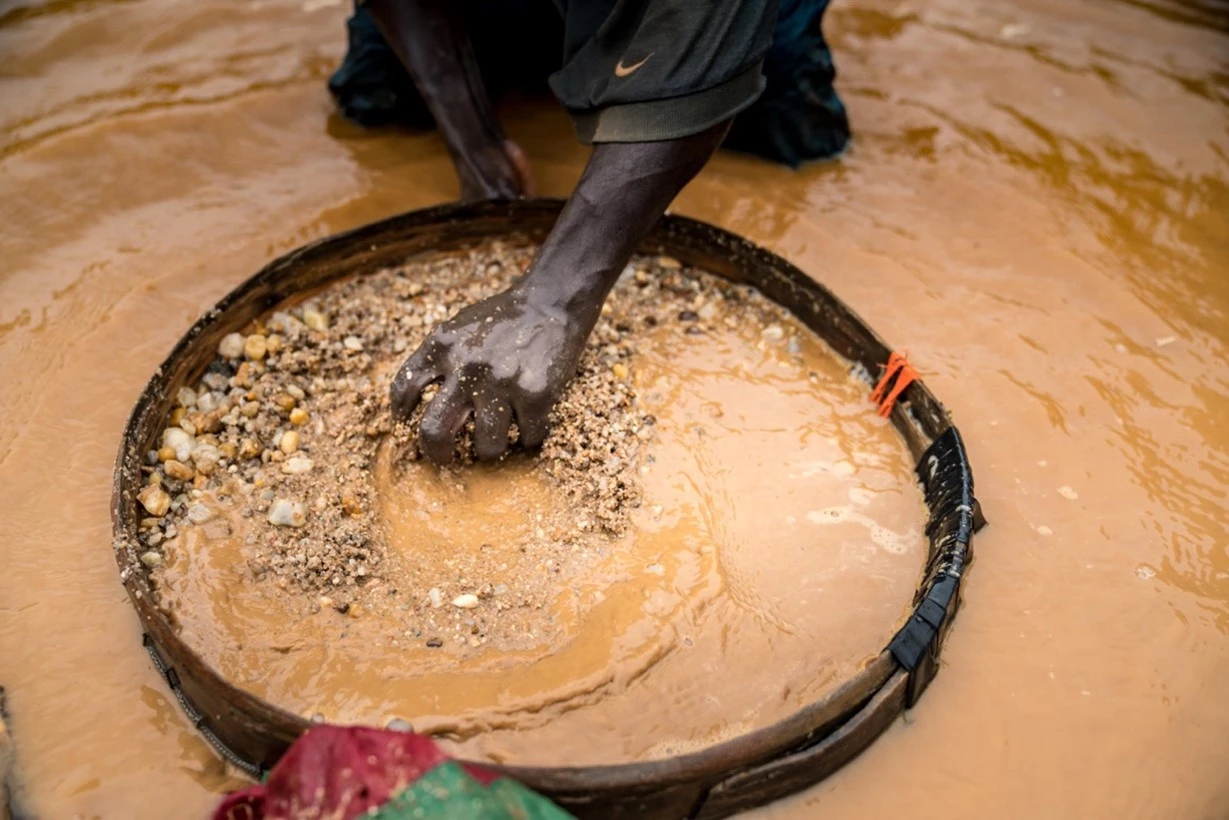
Galamseyers typically employ manual methods such as digging small working pits, tunnels, and sluices, generally limited to shallow depths. Common operational types within ASGM include alluvial mining, which involves operations near or directly within water bodies and demands a high volume of clean water. Specific methods include the use of washing plants/trommels, washing boards, pit dredging, stream/river dredging, and manual “dig and wash” techniques utilizing pans, shovels, pickaxes, and sluice boards. Simple panning, locally known as
poole poole, is also a traditional method. Increasingly, contemporary ASGM operators are mining primary ore found underground by manually digging vertical shafts or tunnels, sometimes reaching depths of 30 to 35 meters. These underground operations frequently necessitate dewatering, with large volumes of untreated water often pumped into nearby rivers and streams. For gold processing, most galamseyers either find gold in free metallic dust form or process oxide/sulfide gold ore. A primary environmental and health concern stems from the widespread use of liquid mercury for amalgamation, though cyanide processing is also increasingly employed for reprocessing tailings.
ASGM is a globally significant industry, providing direct employment to at least 15 million people and indirectly supporting over 100 million worldwide. In Ghana, the number of individuals engaged in galamsey is estimated to range from 20,000 to 50,000, with some sources indicating up to 200,000 directly involved and nearly 3 million reliant on it for their livelihoods. This sector serves as a crucial avenue for poverty alleviation and employment in remote rural areas where alternative job opportunities are scarce and low-paying. The proliferation of foreign miners, particularly thousands from China, and the introduction of new mining equipment have significantly increased gold output while concurrently contributing to extensive environmental harm. ASGM operations are concentrated in Ghana’s mineral-rich regions, including the Western, Ashanti, and Eastern regions, and are prevalent within the Tano River basin. For instance, ASGM activities in the Surow River catchment, a tributary of the Tano, commenced in 2005 following gold discoveries by a large multi-national project.
The evolution of “galamsey” from traditional, rudimentary practices to its current, more mechanized and often illegal form represents a critical shift. This intensification, fueled by economic pressures and the influx of foreign involvement, has dramatically amplified environmental damage far beyond historical levels. The use of excavators, washing plants, and dredges, combined with the inherent illegality and lack of regulation, leads to more extensive and severe environmental problems, transforming what might have been a sustainable traditional activity into a highly destructive force. This increased capacity for extraction directly contributes to the degradation of the Tano River.
B. Large-Scale Mining (LSM) Operations
Ghana is Africa’s largest gold producer and ranks among the top 10 globally. While specific large-scale mining operations
within the Tano River basin are not extensively detailed in the provided information, companies like Newmont have significant operations in regions encompassing the Tano Basin. For example, Newmont’s Ahafo mine operates within the Asutifi North and Tano North districts of the Brong Ahafo Region, which falls within the Tano Basin’s geographical scope. Newmont’s Ahafo South Project specifically considered pumping water from the Tano River as a make-up water source for its processing plant. Additionally, Chirano Gold Mine has underground operations on the Tano mineralized deposit, further indicating large-scale presence in the broader area.
Large-scale mining employs more mechanized and technologically advanced processes compared to ASGM. Newmont’s Ahafo South Project, for instance, involves open-pit mining across multiple pits (Amama, Subika, Awonsu, and Apensu) utilizing drilling and blasting techniques to extract ore and waste rock. These operations incorporate sophisticated water management systems, including Water Storage Facilities (WSF) designed to provide supplementary fresh water for processing and Environmental Control Dams (ECDs) that impound turbid runoff water to allow sediment to settle before discharge. For cyanide management, Counter Current Decantation Circuits (CCDs) are used to dilute process waste before it is pumped into tailings dams, aiming to keep active cyanide levels within approved regulatory limits. Commercial-scale gold mining in Ghana began in 1897 near Obuasi in the Ashanti region, and large-scale industrial gold mining expanded significantly in the mid-20th century, particularly in the 1980s, driven by rising global gold prices.
Although distinct in their scale, technology, and regulatory status, ASGM and LSM operations are not entirely separate entities and both contribute to the Tano River’s degradation. ASGM often occurs in the “environs of the larger mining companies” and can even be stimulated by gold discoveries made by large-scale projects. The commencement of ASGM in the Surow River catchment, a Tano tributary, in 2005, following gold discoveries by a large multi-national project, illustrates this dynamic. This suggests a complex, and at times synergistic, relationship where the presence of LSM can inadvertently attract or stimulate ASGM, leading to cumulative and potentially amplified environmental impacts. The problem is not merely about two isolated types of mining, but about their interaction and combined effect on the environment.
Ghanaian law explicitly states that it is illegal for galamseyers to dig on land granted to mining companies as concessions or licenses. Yet, despite these legal provisions, illegal mining persists and is a documented source of pollution in the Tano River. Reports indicate that Chinese and Ghanaian miners have encroached on forest areas and polluted the Tano River, even in areas where police were aware of the activities. This highlights a significant and persistent gap between the existence of legal frameworks and their effective enforcement, which directly contributes to the ongoing degradation of the river. This disconnect between legal intent and practical outcome is a major systemic factor enabling the continuation and escalation of environmental damage, making the gold a persistent burden despite attempts at regulation.
V. The “Curse” Unveiled: Environmental Degradation of the Tano River
The pursuit of gold along the Tano River has inflicted severe environmental damage, transforming a vital ecosystem into a compromised resource. The degradation manifests across multiple interconnected facets, from water quality to ecosystem health.
A. Severe Water Quality Deterioration
Turbidity and Sedimentation
Artisanal and small-scale gold mining (ASGM) operations are primary contributors to the massive quantities of sediment released into water bodies. Surface mining and ore processing are identified as the main activities generating this sedimentation. The Tano River has visibly transformed, its clear waters turning a “murky brown”. Turbidity levels recorded in the town of Elubo were found to be more than 100 times higher than the accepted standard for drinking water. This extreme turbidity has severe ecological consequences, including the smothering of aquatic plants, habitats, and biota, and significantly increases the cost of water treatment for human consumption. The accumulation of sediment from mining and processing activities can physically alter river channels, transforming naturally defined courses into broad, shallow swamps and disrupting natural flow patterns.
Heavy Metal Contamination
Illegal mining is a major source of pollution in the Tano River, introducing various heavy metals into its waters and sediments. A study in the Tano Basin reported total mercury (T-Hg) concentrations in water ranging from 0.214–0.250 μg/L, and in sediment from 14.43–21.51 μg/g. While water levels were generally within World Health Organization (WHO) threshold limits for drinking water (with one exception in a tributary of the Ankobra), sediment concentrations frequently exceeded Environmental Protection Agency (EPA) ecotoxicological thresholds, indicating potential adverse ecological effects.
Mercury (Hg), extensively used in gold amalgamation, is a primary source of contamination. It can escape into the atmosphere and subsequently deposit in aquatic ecosystems, where bacteria can bio-transform it into methylmercury, a potent neurotoxin. This methylmercury then bioaccumulates and biomagnifies up the food chain, posing direct risks to fish populations and, consequently, to top predators and human consumers. Studies have specifically confirmed mercury biomagnification in fish from the Tano River. Elevated concentrations of manganese (Mn) were directly linked to ASGM activities in the Surow River, a tributary of the Tano, frequently exceeding Ghanaian drinking water standards. Lead (Pb), Arsenic (As), and Cadmium (Cd) are also released by mining operations, posing significant health risks. Mean concentrations of Hg and As in fish and sediment from the Tano and Ankobra rivers were often above WHO recommended levels for pristine freshwater ecosystems. Furthermore, trace elements such as Iron (Fe), Lead (Pb), Cadmium (Cd), Nickel (Ni), Arsenic (As), and Aluminum (Al) were found in high concentrations in surface water samples in the Lower Tano River basin, originating predominantly from geogenic sources but exacerbated by mining activities.
Cyanide Pollution
Cyanide is a chemical commonly employed in gold processing, and its release, whether accidental or intentional, is highly toxic and lethal to both humans and aquatic species. While not directly on the Tano River, incidents such as tailings dam ruptures at the Tarkwa mine illustrate the severe risk, releasing thousands of cubic meters of waste water contaminated with cyanide and heavy metals. The Tano River has been explicitly identified as contaminated with toxic chemicals, including cyanide and mercury, due to reckless use by illegal miners.
Physicochemical Changes
Dewatering water pumped from underground mining operations can significantly increase water conductivity. Sulfate concentrations can be substantially higher in mining-impacted areas due to the mineralization of sulfide-containing ores. While one study did not observe acid mine drainage in the Surow River, the pH of the Tano River downstream was reported to be outside regulatory safe limits in another assessment. Alarmingly low dissolved oxygen levels (1.43-2.40 mg/L) have been recorded in water bodies affected by illegal mining, severely impacting aquatic life.
B. Alteration of River Morphology and Hydrology
Mining activities, particularly ASGM, lead to drastic physical changes in river channels through extensive dredging and excavation. The accumulation of sediment from ore processing transforms naturally defined river channels into broad, shallow swamps, disrupting natural flow patterns and altering the river’s morphology. Abandoned mining pits are frequently left uncovered and exposed, creating stagnant water bodies that further alter the landscape and hydrology. These morphological changes directly impact the natural hydrological regime, altering available habitat for aquatic biota. The Tano River has been reported to be “drying up” in certain sections due to intensive human activities, including mining. Gold mining operations consume substantial amounts of water (e.g., approximately 36 m³ per hour for open-pit mines), necessitating their location near rivers and streams. This high volume of water abstraction can significantly impact natural river flow and water availability for other uses, contributing to water scarcity for communities.
C. Riparian Zone and Forest Degradation
River mining frequently involves intensive excavation, resulting in widespread deforestation and increased soil erosion along riverbanks. Illegal mining activities have severely depleted Ghana’s forest cover and caused extensive destruction to the country’s gold-rich forests. The Tano Offin Forest Reserve, recognized as a Globally Significant Biodiversity Area and a crucial watershed, is under direct threat from mining activities. Such operations would destroy its watersheds and compromise its entire ecosystem and biodiversity. Alarmingly, over 80% of the riparian vegetation in the Tano River’s upstream section has already been converted into farms, and the remaining forest patches face serious threats from ongoing pressures. Riparian vegetation is essential for protecting river banks from erosion, reducing water evaporation, and filtering soil sediments and nutrients from runoff. The construction of access roads to facilitate the haulage of mined materials further contributes to the loss of critical riparian vegetation.
D. Biodiversity Loss in Aquatic and Terrestrial Ecosystems
Direct impacts on aquatic life are severe, with water pollution from heavy metals (Hg, Pb, As, Mn) and other contaminants posing significant threats to aquatic organisms. Mercury bioaccumulates and biomagnifies in fish tissues, posing direct risks to fish populations and, subsequently, to top predators and human consumers. Studies have specifically identified mercury biomagnification in fish from the Tano River. Fish abundance has been observed to decrease in streams that drain active mining areas, although metrics of taxonomic diversity may sometimes appear unchanged due to the dominance of pollution-tolerant species. The response of fish communities is complex, influenced by species-specific pollution tolerance and changes in fishing pressure in mined areas. Elevated turbidity levels directly harm fish by choking their gills, leading to disease or even mortality. Overall, mine wastewater discharges and altered environmental conditions cause structural, functional, and distribution changes in macroinvertebrates, fish, and entire trophic chains within aquatic ecosystems. Macroinvertebrate abundance, taxa richness, and diversity have been shown to decline significantly at mining impact sites in Tano River tributaries. Habitat destruction resulting from widespread deforestation and land degradation directly impacts terrestrial biodiversity, including critically endangered and vulnerable species residing within the Tano Basin.
The Tano River is subjected to a complex array of pollutants, including extreme turbidity, various heavy metals (mercury, lead, arsenic, manganese), cyanide, and alterations in physicochemical parameters like pH and dissolved oxygen. The combined effect of these multiple stressors is far more damaging than any single pollutant in isolation, often leading to a rapid and complete collapse of aquatic community structures. This means that the various forms of pollution do not act independently but rather interact to produce a greater negative effect than the sum of their individual impacts, creating a highly toxic environment. Furthermore, the environmental damage inflicted by gold mining, particularly from heavy metals like mercury and persistent chemicals like cyanide, is not transient. Pollution can persist for decades, even after mining activities cease. The bio-transformation of elemental mercury into methylmercury and its subsequent biomagnification through the aquatic food chain means that the negative consequences continue to unfold through ecological processes, affecting ecosystems and human health long after the initial discharge. This permanence and self-perpetuating nature of the pollution presents profound challenges for environmental restoration.
The Tano River, serving as a shared and vital resource for drinking water, irrigation, and diverse ecosystem services for millions, is being severely degraded by widespread and often illegal mining activities. This situation exemplifies a classic “tragedy of the commons,” where the individual pursuit of economic gain through gold extraction leads to the systematic depletion and degradation of a shared, finite resource, ultimately harming all who depend on it. This highlights the inherent conflict between short-term individual benefits and long-term collective well-being, explaining how a valuable resource can be destroyed by its users.
Table 2: Environmental Contaminant Levels in Tano River Water and Sediment (Comparison to Standards)
| Pollutant | Medium | Measured Concentration Range | Location/Study Area | Relevant Standard | Exceedance | Relevant Snippet IDs |
| Turbidity | Water | >100x accepted standard (drinking water) | Elubo | Accepted drinking water standard | Yes | |
| Turbidity | Water | 1.43-2.40 mg/L (Dissolved Oxygen) | Mining-affected water bodies | EPA-Ghana recommended limit (5 NTU) | Yes (for turbidity, DO is low) | |
| Mercury (T-Hg) | Water | 0.214–0.250 μg/L | Tano Basin (Jomoro, Elubo) | WHO drinking water threshold limits | Generally within limits (except River Asuo Kofi, Ankobra tributary) | |
| Mercury (T-Hg) | Sediment | 14.43–21.51 μg/g | Tano Basin | EPA ecotoxicological threshold (0.2 μg/g) | Yes (Highly to strongly polluted) | |
| Mercury (T-Hg) | Fish | 0.068–0.413 μg/g (wet wt) | Tano Basin | WHO value (<0.500 μg/g wet wt); WHO (1990) for vulnerable groups (>0.2 μg/g) | Generally lower than 0.5 μg/g, but higher than 0.2 μg/g for vulnerable groups | |
| Manganese (Mn) | Water | Up to 0.51±0.24 mg/L (mean) | Surow River (Tano tributary) | Ghanaian drinking water standards (0.05 mg/L) | Yes (frequently exceeded) | |
| Lead (Pb) | Water | 0.14±0.10 mg/L (mean) | Ankobra/Tano basins | Not specified, but noted as high | Yes (often above WHO guidelines in other studies) | |
| Arsenic (As) | Water | 0.06±0.05 mg/L (mean) | Ankobra/Tano basins | WHO recommended levels for pristine freshwater | Yes (often above recommended levels) | |
| Sulfate (SO₄) | Water | 108.3±46.4 mg/L (mean) | Surow River (Tano tributary) | Drinking water standard (250 mg/L) | Occasional exceedances | |
| Conductivity (EC) | Water | Up to 1.02 mS cm⁻¹ (peak) | Surow River (Tano tributary) | Ghanaian drinking water standard (0.5 mS cm⁻¹) | Yes (often exceeded) | |
| pH | Water | 5.24-5.83 (strongly to moderately acidic) | Domenase (Offin River tributary) | Regulatory safe limit (6.5–8.5) | No (outside safe limits) | |
| Iron (Fe) | Water | 0.188 mg/L (mean) | Domenase (Offin River tributary) | WHO guideline limit | No (below guideline limit) | |
| Heavy Metals (general) | Surface Water | High concentrations | Lower Tano River Basin | Not specified, but noted as high | Yes (often unsuitable for drinking) |
VI. Socio-Economic and Health Ramifications for Tano River Communities
The environmental degradation caused by gold mining in the Tano River basin has profound and interconnected socio-economic and health consequences, perpetuating a cycle of vulnerability and conflict for local communities.
A. Public Health Crisis
The health of communities along the Tano River Basin is severely compromised. Inadequate sanitation, poor hygiene practices, and direct contamination from illegal mining activities are identified as primary causative factors for waterborne diseases. Frequent outbreaks of illnesses such as cholera, typhoid, and dysentery are directly linked to inadequate water, sanitation, and hygiene (WASH) infrastructure and the reliance on polluted river water for daily needs. Individuals consuming untreated or unboiled Tano River water face significantly higher odds of illness compared to those with access to pipe-borne water, even if the water is boiled, suggesting inconsistent boiling practices or persistent pathogens. Open defecation, particularly in and around the Tano River, is a major risk factor, polluting water with fecal indicator bacteria and increasing disease risks. Improper wastewater and solid waste disposal further contribute to contamination, creating pathways for exposure to pathogens and toxic substances.
Miners and local communities are exposed to poisonous chemicals, including mercury, cyanide, arsenic, and lead, used in the mining process. This exposure leads to various severe health issues, such as different types of cancers, mercury poisoning, silica-induced pneumoconiosis, and other respiratory conditions. Mercury exposure specifically can cause neurotoxicity and teratogenesis, affecting brain development and causing birth defects. Occupational hazards are rampant in galamsey settlements, characterized by high rates of accidents. Miners face significant physiological health issues, including physical strain, mental strain, kidney problems, and metabolic diseases. Fatal mine collapses have occurred, with the 2022 Bogoso explosion, linked to mining explosives, being the most devastating mining-related disaster in Ghana’s history. Indirect health impacts also arise; stagnant water accumulating in abandoned mining pits creates ideal breeding grounds for mosquitoes, contributing to increased malaria prevalence.
The severe public health crisis, encompassing waterborne diseases, chronic illnesses from chemical poisoning, and occupational hazards, disproportionately affects vulnerable communities along the Tano River. This creates a vicious cycle where illness reduces individuals’ capacity for productive work, further entrenching poverty despite the presence of a valuable resource. The extensive evidence linking mining pollution to a wide array of health issues, coupled with the loss of livelihoods and reduced agricultural productivity, reveals a critical feedback loop: poor health diminishes economic capacity, while poverty limits access to essential resources like clean water and healthcare, thereby exacerbating health problems. This interconnectedness is a central aspect of the burden, illustrating how the pursuit of gold degrades human capital.
B. Livelihood Disruption and Displacement
Households living in close proximity to mining sites experience a significant reduction in farming activities due to the extensive loss of farmlands to mining operations. For instance, Newmont’s Ahafo Mining Project alone destroyed approximately 4,854 acres of active farm fields, impacting around 3,000 individuals across 1,700 households. This directly leads to reduced agricultural productivity and food insecurity. Prior to the mining project, about 97% of the displaced households identified farming as their main source of economic activity. Even after resettlement and initial compensation, many have found it difficult to maintain and expand new farms due to the high cost of farm inputs and competition from the mine for limited land and labor.
While mining can generate direct employment and cash earnings for some, particularly men in direct mining jobs and women in indirect service sector roles , households in mining communities are often more likely to be poor. The decline in subsistence farming and the lack of guaranteed alternative livelihoods for displaced populations contribute to economic precarity. Mining operations frequently necessitate the displacement of residents. Resettlement processes have been widely criticized as problematic, with persistent complaints about inadequate housing, drastic reductions in living space, and insufficient access to land, water, and sustainable livelihoods for displaced communities. The perceived higher wages in mining often lead many youth in mining communities to abandon traditional farming for mine-related employment, even if these jobs are precarious or illegal.
C. Social Conflicts and Governance Challenges
Local residents have actively resisted illegal mining, leading to direct confrontations with miners, protests, and even setting fire to miners’ settlements due to fears of flooding and pollution. Journalists attempting to document illegal mining activities have also faced attacks. The expansion of mining activities frequently results in land disputes and conflicts over resource access, particularly between large-scale mining enterprises, galamsey operators, and local farmers. Reports indicate that foreign miners, notably Chinese, have taken control of river banks, exacerbating these conflicts and directly contaminating the vital water source.
The rapid and often illegal proliferation of mining activities, frequently involving foreign actors and heavy machinery, fundamentally undermines traditional land custodianship and long-standing cultural practices and beliefs regarding sacred rivers and land. This disruption leads to widespread social turmoil, escalating conflicts, and a breakdown of community cohesion, as evidenced by direct protests and violence. The conflict extends beyond mere economic impact, demonstrating a profound disruption of the social fabric and traditional environmental stewardship, which is a significant part of the burden.
The persistence of illegal gold mining is significantly enabled by systemic issues such as bureaucratic licensing regimes, weak legal frameworks, failures in political and traditional leadership, and widespread corruption among officials. This governance deficit allows unchecked pollution and environmental destruction to continue. Despite documented severe environmental damage and profound health risks, there is a “stark disconnect” between the substantial wealth generated by the gold mining industry and the adverse effects experienced by mining communities. Prosecution rates for illegal mining remain low, further undermining accountability. This indicates that the state’s capacity or willingness to manage its natural resources and protect its citizens is severely compromised. This systemic governance problem explains why the problems persist and escalate despite awareness and existing laws, making the governance deficit a critical factor in the perpetuation of the burden.
VII. Efforts Towards Mitigation and Restoration
Addressing the multifaceted challenges posed by gold mining in the Tano River basin requires a concerted effort involving governmental action, corporate responsibility, community engagement, and international cooperation.
A. Governmental Regulations and Initiatives
Ghana possesses a comprehensive legal framework governing mining, including the 1992 Constitution, the Minerals and Mining Act (2006, with amendments in 2015 and 2019), the Minerals Commission Act (1993), and various subsidiary regulations covering aspects such as licensing, compensation, health, safety, and environmental protection. Environmental legislation, such as the Environmental Protection Agency Act (1994) and the Water Resources Commission Act (1996), also applies to mining operations, requiring environmental permits and water use permits.
Successive Ghanaian governments have launched various campaigns to combat illegal mining (galamsey) since 1989, including the establishment of joint task forces and military operations like “Operation Halt,” “Operation Vanguard,” and “Operation Flush Out”. The “Blue Water Initiative” specifically aims to clear water bodies from illegal mining activities through the use of river guards. The government has adopted a proactive approach, including plans to expand and resource the Minerals Commission, categorize mining activities with tailored regulations, and establish a Gold Board to streamline gold purchases and reduce smuggling. The approval of the Green Minerals Policy in 2023 aims to optimize benefits from critical minerals. The “Tree for Life Reforestation Initiative” is an ambitious government program aimed at restoring degraded landscapes, including areas ravaged by illegal mining. However, Legislative Instrument L.I 2462 (2022), which permits mining in forest reserves, has been criticized for paradoxically encouraging forest degradation. Despite these efforts, challenges persist, including low prosecution rates for illegal mining.
B. Corporate Environmental Management Practices
Large-scale mining companies operating in Ghana, such as Newmont, implement various environmental management practices. Newmont’s Ahafo mine, located in districts within the Tano Basin, adheres to international environmental standards, holding ISO 14001 certification and compliance with the International Cyanide Management Code. The mine conducts concurrent reclamation during operations and plans for final closure to minimize long-term environmental impact. This includes revegetation programs and soil control on reclaimed waste rock dumps.
Newmont’s operations involve comprehensive monitoring and compliance programs, collaborating with government agencies like the Environmental Protection Agency (EPA) and Water Resource Commission to develop, implement, and audit environmental programs. They monitor water quality and quantity, air quality, noise, and blast levels. The Ahafo mine utilizes a Water Storage Facility (WSF) for fresh water supply and Environmental Control Dams (ECDs) to impound turbid runoff water, allowing sediment to settle before release into the environment, thereby minimizing sediment flow into streams and preventing flooding. Cyanide management involves Counter Current Decantation Circuits (CCDs) to dilute process waste, ensuring active cyanide levels in tailings dams are within approved regulatory limits. The company also operates an Integrated Waste Management Facility for hazardous waste streams. While these practices are in place, external reports have raised concerns regarding their effectiveness and the actual impact on water sources and local communities, with some independent evaluations disputing claims of adverse health impacts due to methodological inconsistencies in critical reports.
Gold Fields’ Tarkwa mine, while not directly in the Tano River basin, has also faced environmental challenges, including tailings dam ruptures and water seepage incidents into the Asuman River, leading to significant marine life deaths and fears of contamination. In response, Gold Fields Ghana has engaged in collaborations with institutions like the University of Mines and Technology (UMaT) to address the impact of illegal mining on water bodies, highlighting their commitment to water stewardship and efforts to recycle water.
C. Community and Civil Society Actions
Local communities along the Tano River have actively engaged in direct actions to combat illegal mining. Residents of Nsuokyire, for instance, have confronted illegal miners and set fire to their settlements, driven by fears of flooding and pollution of the Tano River. This direct resistance underscores the severe impact of illegal mining on their lives and livelihoods.
Civil society organizations (CSOs) and academic institutions are also playing a crucial role. The Threatened Species Conservation Alliance (THRESCOAL) has initiated environmental restoration efforts in the Tano River basin, focusing on replanting degraded riparian areas and monitoring for full restoration. Their goal is to restore at least 350 hectares of this critical ecosystem to sustain rural livelihoods and promote biodiversity conservation. The University of Ghana has launched a two-year “Anti-Galamsey Project” to combat illegal mining through research, advocacy, and the application of linguistic and cultural strategies. This project aims to influence public attitudes, change behaviors, and empower communities to find sustainable livelihood alternatives, emphasizing a bottom-up approach to advocacy. These initiatives seek to raise awareness about the scale of galamsey and its impact on livelihoods and health.
D. International Cooperation and Support
International organizations, such as the Global Environment Facility (GEF), recognize the transboundary nature of river basin degradation and support interventions in shared basins where water stress can drive conflict but also foster cooperation. GEF’s approach involves integrated water resource management, bringing stakeholders together to balance competing water uses and secure local benefits. Their support targets legal, policy, and institutional reforms, provides technical assistance, and promotes agreed priority investments. This includes capacity building, formulation of cooperative legal and institutional frameworks, and enhanced data availability for science-based policies. For the Tano River, which is a transboundary basin, monitoring programs and effective management measures have been recommended for its sustainability and the protection of aquatic life. International conventions, such as the Minamata Convention on Mercury, also provide a framework for Ghana to transition its artisanal and small-scale gold mining sector towards mercury-free technologies.
VIII. Conclusion: Reversing the Golden Curse
The Tano River, a vital artery of life and livelihood for millions in Ghana and Côte d’Ivoire, stands as a stark illustration of how a valuable natural resource, gold, can become a profound burden. The geological abundance of gold within the Birimian and Tarkwaian formations has historically attracted mining, yet the evolution of these activities, particularly the proliferation of unregulated artisanal and small-scale mining (galamsey), has unleashed a cascade of devastating environmental and socio-economic consequences.
The environmental degradation is severe and pervasive. The river’s waters are choked with sediment, exhibiting extreme turbidity levels that render them unusable for drinking and harm aquatic life. Pervasive heavy metal contamination, notably from mercury, lead, arsenic, and manganese, along with cyanide, poses a continuous threat to both the ecosystem and human health through bioaccumulation and biomagnification in the food chain. The physical alteration of the river’s morphology, with channels transformed into swamps and riparian zones stripped bare, further disrupts natural hydrological processes and destroys critical habitats. This multi-faceted pollution is not merely a sum of individual impacts but a synergistic “toxic cocktail” that collapses aquatic ecosystems. The long-term persistence of these contaminants ensures that the environmental burden will continue for decades, even after mining ceases.
The socio-economic and health ramifications for Tano River communities are equally dire. The loss of farmlands and reduced agricultural productivity due to mining-induced land degradation directly threaten food security and perpetuate poverty, creating a health-poverty trap where illness further diminishes economic capacity. Communities face a public health crisis marked by waterborne diseases from contaminated water sources and chronic illnesses stemming from chemical exposure. The erosion of traditional authority and social fabric, coupled with widespread land disputes and violence, underscores a profound disruption to community cohesion and governance structures.
The persistence of this “curse” is fundamentally enabled by a governance deficit characterized by weak legal frameworks, bureaucratic hurdles, and pervasive corruption, which undermine effective regulation and enforcement. Despite existing laws and governmental initiatives, the disconnect between policy and practice allows unchecked environmental destruction and inequitable distribution of mining benefits.
Reversing this trajectory requires a comprehensive and integrated approach. This includes:
- Strengthening Governance and Enforcement: Implementing rigorous, transparent, and impartial enforcement of mining laws, particularly against illegal operations, is paramount. This necessitates addressing corruption, streamlining licensing regimes, and ensuring accountability for environmental violations.
- Adopting Sustainable Mining Practices: Promoting and enforcing environmentally responsible mining techniques, including proper waste management, sediment control, and mercury-free gold extraction methods, is crucial for both large-scale and artisanal sectors.
- Investing in Environmental Restoration: Large-scale reforestation and riparian zone restoration projects are essential to heal degraded landscapes, stabilize riverbanks, and improve water quality.
- Prioritizing Public Health and Livelihood Diversification: Urgent interventions are needed to improve WASH infrastructure, provide access to clean drinking water, and mitigate chemical exposure in affected communities. Simultaneously, developing and supporting sustainable alternative livelihoods for those dependent on mining is critical to reduce pressure on the river and foster economic resilience.
- Fostering Multi-Stakeholder Collaboration: Effective solutions demand collaboration among government agencies, local communities, traditional leaders, civil society organizations, mining companies, and international partners to ensure shared responsibility and equitable benefits from Ghana’s mineral wealth.
Without decisive and sustained action, the Tano River, a historical source of prosperity, risks becoming an irreversible casualty of the very resource it carries, perpetually burdened by the golden curse.


