



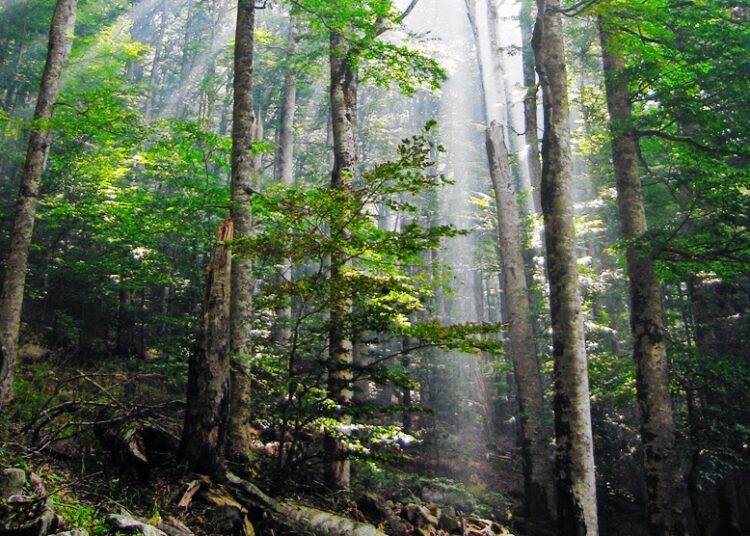
The Tano-Offin Forest Reserve is one of Ghana’s most biologically rich and culturally significant forest zones. Located in the Ashanti Region, it occupies a strategic ecological position between the Tano River and the Offin River, two vital tributaries of the Pra Basin. The reserve is not only home to a stunning diversity of life—it is also deeply embedded in the spiritual and cultural consciousness of the region.
As threats mount from illegal mining and deforestation, the Tano-Offin Forest Reserve stands as both a sanctuary under siege and a call to action.
📍 Location and Overview
- Region: Ashanti Region, Ghana
- Districts: Atwima Mponua and Amansie West
- Area: Approximately 410 square kilometers (41,392 hectares)
- Established: First designated as a forest reserve in 1928
- Management: Overseen by the Forestry Commission of Ghana
The reserve stretches across a transitional zone between tropical moist semi-deciduous and evergreen forest types. It encompasses riverine habitats, hills, swamps, and vast tracts of intact forest, making it one of the most complex ecosystems in southern Ghana.
🌊 Rivers and Watershed Significance
The reserve takes its name from two major rivers: the Tano River and the Offin River, both of which rise from nearby highlands. These rivers form part of the greater Pra River Basin, one of the most vital water catchments in Ghana.
- The Tano River, sacred to Akan culture, flows southwest toward the Côte d’Ivoire border and into the Aby Lagoon.
- The Offin River, a major tributary of the Pra, drains central Ghana and feeds agricultural and domestic systems downstream.
The forest acts as a critical watershed, regulating flow, reducing erosion, and filtering pollutants—services that have become even more crucial in the face of climate change and intensive land use.
🌿 Biodiversity and Ecological Value
The Tano-Offin Forest Reserve is part of the Guinean Forests of West Africa, a globally recognized biodiversity hotspot. It provides habitat for:
🐒 Mammals
- Olive Colobus Monkey (Procolobus verus) – Endangered
- White-naped Mangabey – Critically Endangered, with only a few viable populations remaining in Ghana
- Maxwell’s Duiker, Bushbuck, African Civet
- Possible presence of Leopard (Panthera pardus) and African Golden Cat
🐦 Birds
- Over 200 species recorded, including:
- Forest Hornbills, Turacos
- Black-casqued Wattled Hornbill
- Rare forest-dwelling kingfishers and sunbirds
- Migratory species from Europe and North Africa
🦎 Reptiles & Amphibians
- Slender-snouted Crocodile (Critically Endangered)
- Forest Cobra, Chameleons, and dwarf geckos
- Endemic frogs such as Hyperolius and Leptopelis species
🌱 Flora
- Towering hardwoods like Khaya ivorensis (African mahogany) and Triplochiton scleroxylon (Wawa)
- Medicinal plants used in traditional healing systems
- Rare orchids and understory herbs unique to West African rainforest microclimates
🧭 Cultural and Spiritual Importance
Like the Tano River itself, the Tano-Offin forest is sacred to many local communities, particularly the Asante, Ahafo, and Sefwi peoples. Parts of the reserve include sacred groves, traditional shrine sites, and ancestral forests where certain activities are forbidden by custom.
The Tano River is personified in Akan cosmology as a divine spirit—Tano Kɔkɔrɛ—guardian of truth, justice, and balance. Sacred rituals, libations, and seasonal festivals are performed along the riverbanks and forest edges to honor this spirit and to ask for rain, fertility, and protection.
⛔ Threats and Environmental Degradation
Despite its high ecological and cultural value, the Tano-Offin Forest Reserve is under severe threat:
1. Illegal Mining (Galamsey)
- Mercury and heavy metal contamination of rivers
- Devastation of riverbeds, tree cover, and aquatic life
- Increased sedimentation and pollution
2. Illegal Logging
- High-value timber species such as mahogany and odum are targeted
- Weak enforcement and corruption hamper effective monitoring
3. Agricultural Encroachment
- Cocoa farming expansion is one of the biggest drivers of forest loss
- Slash-and-burn practices destroy sensitive understory habitats
💚 Conservation Efforts
There are ongoing but under-resourced efforts to safeguard the Tano-Offin Forest Reserve:
Government and NGO Initiatives
- The Forestry Commission has declared parts of the reserve as “Globally Significant Biodiversity Areas (GSBAs)”
- Partnerships with international conservation groups support biodiversity surveys and law enforcement
- Anti-galamsey task forces have been deployed to parts of the Offin River corridor
Community-Based Approaches
- Community Resource Management Areas (CREMAs) are being piloted to give locals legal rights to co-manage and benefit from forests
- Eco-tourism projects are being proposed, especially birdwatching and cultural tourism along sacred riverbanks
🔍 Strategic Importance for the Tano River Collective Project
The Tano-Offin Forest Reserve represents a natural bridge between the headwaters of the Tano River and the lowland systems near its mouth. Protecting this reserve is not only crucial for species survival but for the long-term health of the river itself.
It also offers a unique opportunity for the Tano River Collective Project to:
- Conduct scientific research and species monitoring
- Engage in river-cleaning campaigns and reforestation
- Highlight the spiritual and cultural heritage of the river to promote environmental stewardship
- Support policy advocacy for stricter protection laws and sustainable land use practices
📢 Call to Action
The Tano-Offin Forest Reserve is at a crossroads. One path leads to irreversible destruction by extractive industries and shortsighted policy. The other leads to regeneration, empowerment, and environmental justice.
At TanoRiver.com, we believe in the second path.
We invite you to:
- Support our field research and advocacy campaigns
- Spread awareness about the river-forest connection
- Engage with traditional custodians to amplify their voices
- Join us in protecting the soul of Ghana’s rivers and forests
🌍 www.TanoRiver.com
Where conservation meets culture, and rivers remember their guardians.


