

The Tano River
  • Home
  • 🌊The River
    • The Tano River
    • Cultural Significance
    • Spiritual and Historical Importance
    • Taakora — The Deity of the Tano River
    • Comprehensive Analysis of the Tano River and Its Basin
  • 🌿Environment
    • Flora and Fauna
    • Environmental Challenges
    • Conservation Efforts
    • The Tano River Basin
    • The Galamsey Crisis
    • Animals of the Tano
    • Trees and Plants of the Tano
    • Parks and Forest
    • Lagoons
    • Tributaries of the Tano River
  • History
    • Stories and Oral Traditions
    • Historical Events
    • Ancient Trade and Conflicts
    • The Legend of Tano and Bia
    • Deities and Spirits
    • God Tano, Afua Krankra, and Asase Ya/Afua in Akan Mythology
  • 🎉Culture
    • Ethnic Groups Along the Tano River
    • Fishing, Agriculture, and Rituals
    • Festivals and River Ceremonies
    • The Natural Border Between Ghana and Ivory Coast
  • 🛶 Tourism
    • Natural Sites to Visit
    • Cultural Experiences
    • Local Guides & Eco-Tourism
    • Creating a Touristic Ecosystem
  • 🌍News
  • Global Initiative
  • 🌍About
    • 📖The Project / Get Involved
    • 🧾 About me
    • ✉️ Contact us
    • 🤝 Partnerships / Collaborate
    • 💛 Donate
    • 🌿 A Tribute to My Father and Grandfather
    • 🧾All Our articles
    • 🧾Search Our Articles
    • 📖Glossary of the Tano River Ecosystem
Donate
Font ResizerAa
The Tano RiverThe Tano River
Search

Popular Posts

The Rivers, Lakes & Lagoons Collective

The rivers in Ghana

About the River

🪷 Cultural Significance of the Tano River

About the River

✨ Spiritual and Historical Importance of the Tano River

Welcome to Tanoriver.com

Join the Tano River Collective Project and be part of a growing movement dedicated to preserving the life, culture, and ecosystems of the Tano River. Together, we can make a lasting impact.
Join Us
Follow US
TanoRiver.com
The Tano River > All our Articles > Environment & Biodiversity > Trees and Plants of the Tano > 🌴 Raphia hookeri – The Raphia Palm
Trees and Plants of the Tano

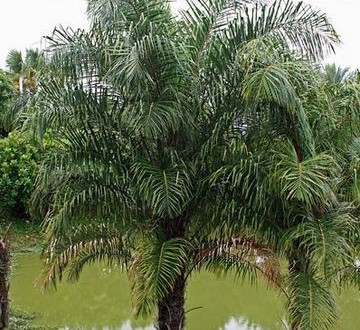
🌴 Raphia hookeri – The Raphia Palm

By
Alexandre Tano Kan Koffi
Last updated: February 11, 2026
4 Min Read
Share

The fiber of life in the wetlands of the Tano River

Contents
🔎 Scientific Name: Raphia hookeri📍 Habitat and Distribution🌿 Botanical Characteristics🌍 Ecological Importance🧑🏿‍🌾 Economic and Cultural Uses🧵 1. Fiber (Raffia)🍶 2. Palm Wine🧪 3. Medicinal uses🛕 4. Spiritual Use⚠️ Threats🌱 Why It Matters for the Tano River

🔎 Scientific Name: Raphia hookeri

Common names: Raphia palm, Swamp palm, Vin palm, “Nni” (Akan), “Ahou” (Baoulé), “Raffia” (French)
Family: Arecaceae (palm family)


📍 Habitat and Distribution

Raphia hookeri is native to the tropical lowlands of West and Central Africa, and is especially common in:

  • Swamp forests
  • Riverbanks and floodplains
  • Wetlands and lagoons

Along the Tano River Basin, it grows abundantly in:

  • The Tanoé-Ehy wetland zone (Côte d’Ivoire)
  • The brackish edges of Tendo and Ehy Lagoons
  • Shaded, moist spots in the middle and lower Tano course

Its presence is a clear indicator of wet, fertile ground.


🌿 Botanical Characteristics

  • Leaves: Longest of any plant in the world — up to 25 meters (80 feet)
  • Trunk: Short, often subterranean, with tall leaf stalks rising directly from the base
  • Fruit: Oval, brown, fibrous; contains edible kernel
  • Growth: Forms dense clusters in swampy areas

It is not a single-trunked palm like the oil palm — instead, it grows in bushy clumps that create a dense, shaded wetland canopy.


🌍 Ecological Importance

  • Prevents erosion in riverbanks and flooded plains
  • Provides nesting materials and shelter for birds, frogs, snakes, and small mammals
  • Its root system helps in water filtration and flood control
  • Supports aquatic biodiversity in swampy zones

In many parts of the lower Tano, the Raphia palm is a foundation species for swamp ecosystems.


🧑🏿‍🌾 Economic and Cultural Uses

Raphia is a multi-use plant, deeply integrated into traditional life:

🧵 1. Fiber (Raffia)

  • Extracted from leaf sheaths
  • Used for:
    • Basketry and mats
    • Roof thatching
    • Hats, bags, ropes, fishing nets
    • Ceremonial textiles in Akan and Baoulé cultures

🍶 2. Palm Wine

  • The sap is tapped and fermented into sweet or strong palm wine
  • Used in:
    • Social gatherings and weddings
    • Ritual libations to river deities and ancestors
    • Healing ceremonies in traditional medicine

🧪 3. Medicinal uses

  • The sap, roots, and bark are used to treat:
    • Fever
    • Wounds
    • Stomach ailments

🛕 4. Spiritual Use

  • In some Akan traditions, raffia ropes are used to mark sacred spaces, ritual boundaries, or river shrines

⚠️ Threats

Although Raphia hookeri is widespread, it faces threats from:

  • Wetland degradation due to mining and logging
  • Draining of swamps for agriculture and settlement
  • Overharvesting of young palms for palm wine without replanting

Loss of raffia palms means a loss of craftsmanship, biodiversity, and cultural identity.


🌱 Why It Matters for the Tano River

The Raphia palm is woven into the daily life and ecology of the Tano River region:

  • It provides livelihoods for artisans and winemakers
  • It supports wetland wildlife and flood control
  • It features in rituals and ancestral traditions tied to the river

Protecting the Raphia is protecting the living fabric of the Tano River’s wetlands.


🔗 Explore our series on useful plants of the Tano, or share your raffia craft photos at [TanoRiver.com/submit]


Sign Up For Daily Newsletter

Be keep up! Get the latest breaking news delivered straight to your inbox.
By signing up, you agree to our Terms of Use and acknowledge the data practices in our Privacy Policy. You may unsubscribe at any time.
Share This Article
Facebook Email Copy Link Print
ByAlexandre Tano Kan Koffi
Follow:

✍️ About the Author

Alexandre Tano Kan Koffi is the founder of TanoRiver.com and a passionate advocate for Africa’s environmental and cultural heritage. Named after the Tano River, he honors his legacy through storytelling and conservation.
📧 Contact: alex [@] alexandrekoffi.com

Leave a Comment Leave a Comment

Leave a Reply Cancel reply

Your email address will not be published. Required fields are marked *

Receive latest news from all areas of Wildlife Animals

Our selection of the week's biggest research news and features sent directly to your inbox. Enter your email address, confirm you're happy to receive our emails.

HOT NEWS

The Rivers, Lakes & Lagoons Collective

The rivers in Ghana

April 10, 2026

🪷 Cultural Significance of the Tano River

May 5, 2026

✨ Spiritual and Historical Importance of the Tano River

February 13, 2026

📖 Indigenous Stories and Oral Traditions of the Tano River

May 9, 2026

Follow US: 

About us

  • 🌍 The Project / Get Involved
  • ✉️ Contact us
  • 💛 Donate
  • 🤝 Partnerships / Collaborate

TanoRiver.com

  • Terms and Conditions
  • Privacy Policy
  • Cookie Policy

Cookies Notice

We use our own and third-party cookies to improve our services, personalise your advertising and remember your preferences.
Welcome Back!

Sign in to your account

Username or Email Address
Password

Lost your password?
