

The Tano River
  • Home
  • 🌊The River
    • The Tano River
    • Cultural Significance
    • Spiritual and Historical Importance
    • Taakora — The Deity of the Tano River
    • Comprehensive Analysis of the Tano River and Its Basin
  • 🌿Environment
    • Flora and Fauna
    • Environmental Challenges
    • Conservation Efforts
    • The Tano River Basin
    • The Galamsey Crisis
    • Animals of the Tano
    • Trees and Plants of the Tano
    • Parks and Forest
    • Lagoons
    • Tributaries of the Tano River
  • History
    • Stories and Oral Traditions
    • Historical Events
    • Ancient Trade and Conflicts
    • The Legend of Tano and Bia
    • Deities and Spirits
    • God Tano, Afua Krankra, and Asase Ya/Afua in Akan Mythology
  • 🎉Culture
    • Ethnic Groups Along the Tano River
    • Fishing, Agriculture, and Rituals
    • Festivals and River Ceremonies
    • The Natural Border Between Ghana and Ivory Coast
  • 🛶 Tourism
    • Natural Sites to Visit
    • Cultural Experiences
    • Local Guides & Eco-Tourism
    • Creating a Touristic Ecosystem
  • 🌍News
  • Global Initiative
  • 🌍About
    • 📖The Project / Get Involved
    • 🧾 About me
    • ✉️ Contact us
    • 🤝 Partnerships / Collaborate
    • 💛 Donate
    • 🌿 A Tribute to My Father and Grandfather
    • 🧾All Our articles
    • 🧾Search Our Articles
    • 📖Glossary of the Tano River Ecosystem
Donate
Font ResizerAa
The Tano RiverThe Tano River
Search

Popular Posts

The Rivers, Lakes & Lagoons Collective

The rivers in Ghana

About the River

🪷 Cultural Significance of the Tano River

About the River

✨ Spiritual and Historical Importance of the Tano River

Welcome to Tanoriver.com

Join the Tano River Collective Project and be part of a growing movement dedicated to preserving the life, culture, and ecosystems of the Tano River. Together, we can make a lasting impact.
Join Us
Follow US
TanoRiver.com
The Tano River > All our Articles > Environment & Biodiversity > Species of the Tano River > Birds > 🦜 Psittacus erithacus – African Grey Parrot
Birds

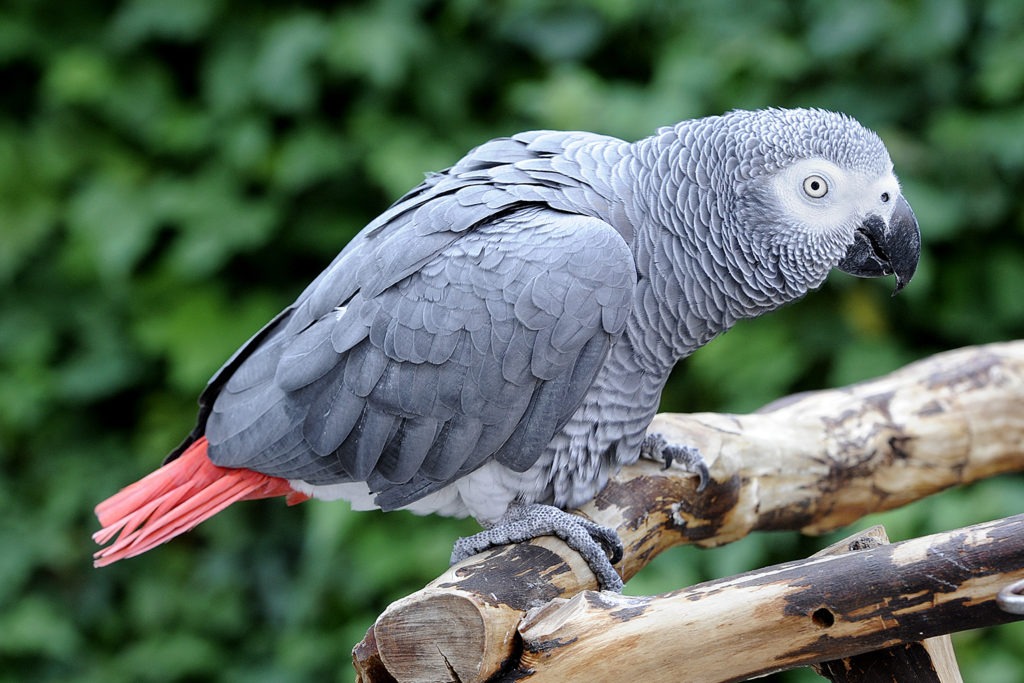
🦜 Psittacus erithacus – African Grey Parrot

By
Alexandre Tano Kan Koffi
Last updated: August 24, 2026
4 Min Read
Share

A voice of the rainforest, echoing through the canopies of the Tano

Contents
🔎 Scientific Name: Psittacus erithacus🌍 Habitat and Distribution🌳 In the Tano River region, it inhabits:🦜 Physical Description🧠 Behavior and Ecology🥭 Diet:🪹 Reproduction🧭 Cultural Significance⚠️ Threats and Conservation🛡️ Conservation Actions🌊 Why It Matters for the Tano River

🔎 Scientific Name: Psittacus erithacus

Common names: African Grey Parrot, Grey parrot, “Kɔkɔɔ-bere” (Twi), “Klaklakla” (Baoulé)
Family: Psittacidae
IUCN Status: Endangered


🌍 Habitat and Distribution

The African Grey Parrot is native to tropical forests of West and Central Africa, including:

  • Ghana, Côte d’Ivoire, Cameroon, Democratic Republic of Congo, Gabon, and Nigeria

🌳 In the Tano River region, it inhabits:

  • Old-growth forests, swamp forests, and tall riverine forests
  • Especially in and around the Tanoé-Ehy Forest Reserve, where it depends on undisturbed canopy for nesting and roosting

It is a canopy-dwelling species, rarely seen on the ground.


🦜 Physical Description

  • Size: 30–35 cm (12–14 inches)
  • Wingspan: About 50 cm
  • Coloration:
    • Ash-grey plumage with white mask around the eyes
    • A striking red tail (in the nominate species Psittacus erithacus)
    • Black beak and pale yellow eyes in adults

Its appearance is both elegant and instantly recognizable — especially in flight.


🧠 Behavior and Ecology

  • Highly intelligent and social
  • Known for:
    • Mimicking human speech and sounds
    • Complex problem-solving, memory, and vocal communication
  • Often lives in small flocks or mated pairs, communicating with a wide range of calls, whistles, and clicks

🥭 Diet:

  • Primarily frugivorous (fruit-eating):
    • Oil palm fruits, figs, nuts, berries
    • Also eats bark, seeds, flowers, and occasionally soil for minerals

🪹 Reproduction

  • Monogamous — pairs bond for life
  • Nest in natural tree cavities, especially in emergent or dead trees
  • Female lays 2–4 eggs, which she incubates alone for about 30 days
  • Both parents feed the chicks, which fledge in 10–12 weeks

They require large, mature trees to nest successfully.


🧭 Cultural Significance

In West African tradition, the grey parrot is:

  • Seen as a messenger between humans and the spirit world
  • Symbol of wisdom, communication, and ancestral knowledge
  • Featured in folk tales, particularly among Akan and Baoulé communities, where its mimicry is said to reflect the voices of the forest spirits

Its feathers and calls were once used by diviners and traditional healers.


⚠️ Threats and Conservation

The African grey parrot is classified as Endangered due to:

  • Massive trapping for the pet trade
    • Ghana alone was exporting thousands per year until restrictions
  • Deforestation, especially the loss of tall nesting trees
  • Habitat fragmentation, which isolates flocks
  • Hunting in some areas for meat or traditional medicine

In the Tano Basin, it has become rare, with sightings decreasing due to loss of primary canopy forest.


🛡️ Conservation Actions

  • Listed under CITES Appendix I: international trade is banned
  • Protected in many countries, including Ghana and Côte d’Ivoire
  • Conservation projects in the Tanoé-Ehy area focus on:
    • Forest preservation
    • Community education
    • Monitoring wild populations

Some sanctuaries also work on rehabilitation and release of rescued parrots.


🌊 Why It Matters for the Tano River

The African grey parrot is:

  • A voice of the ancient forest
  • A symbol of intelligence, mystery, and beauty
  • A canary in the coal mine: its decline warns of deeper ecological trouble

When the grey parrot disappears, it means the forest is falling silent — and the Tano River loses one of its most eloquent guardians.


🔗 Have you seen or heard the call of the grey parrot in your village? Share your memory or photos at [TanoRiver.com/submit]


Sign Up For Daily Newsletter

Be keep up! Get the latest breaking news delivered straight to your inbox.
By signing up, you agree to our Terms of Use and acknowledge the data practices in our Privacy Policy. You may unsubscribe at any time.
Share This Article
Facebook Email Copy Link Print
ByAlexandre Tano Kan Koffi
Follow:

✍️ About the Author

Alexandre Tano Kan Koffi is the founder of TanoRiver.com and a passionate advocate for Africa’s environmental and cultural heritage. Named after the Tano River, he honors his legacy through storytelling and conservation.
📧 Contact: alex [@] alexandrekoffi.com

Leave a Comment Leave a Comment

Leave a Reply Cancel reply

Your email address will not be published. Required fields are marked *

Receive latest news from all areas of Wildlife Animals

Our selection of the week's biggest research news and features sent directly to your inbox. Enter your email address, confirm you're happy to receive our emails.

HOT NEWS

The Rivers, Lakes & Lagoons Collective

The rivers in Ghana

April 10, 2026

🪷 Cultural Significance of the Tano River

May 5, 2026

✨ Spiritual and Historical Importance of the Tano River

February 13, 2026

📖 Indigenous Stories and Oral Traditions of the Tano River

May 9, 2026

Follow US: 

About us

  • 🌍 The Project / Get Involved
  • ✉️ Contact us
  • 💛 Donate
  • 🤝 Partnerships / Collaborate

TanoRiver.com

  • Terms and Conditions
  • Privacy Policy
  • Cookie Policy

Cookies Notice

We use our own and third-party cookies to improve our services, personalise your advertising and remember your preferences.
Welcome Back!

Sign in to your account

Username or Email Address
Password

Lost your password?
