

The Tano River
  • Home
  • ๐ŸŒŠThe River
    • The Tano River
    • Cultural Significance
    • Spiritual and Historical Importance
    • Taakora โ€” The Deity of the Tano River
    • Comprehensive Analysis of the Tano River and Its Basin
  • ๐ŸŒฟEnvironment
    • Flora and Fauna
    • Environmental Challenges
    • Conservation Efforts
    • The Tano River Basin
    • The Galamsey Crisis
    • Animals of the Tano
    • Trees and Plants of the Tano
    • Parks and Forest
    • Lagoons
    • Tributaries of the Tano River
  • History
    • Stories and Oral Traditions
    • Historical Events
    • Ancient Trade and Conflicts
    • The Legend of Tano and Bia
    • Deities and Spirits
    • God Tano, Afua Krankra, and Asase Ya/Afua in Akan Mythology
  • ๐ŸŽ‰Culture
    • Ethnic Groups Along the Tano River
    • Fishing, Agriculture, and Rituals
    • Festivals and River Ceremonies
    • The Natural Border Between Ghana and Ivory Coast
  • ๐Ÿ›ถ Tourism
    • Natural Sites to Visit
    • Cultural Experiences
    • Local Guides & Eco-Tourism
    • Creating a Touristic Ecosystem
  • ๐ŸŒNews
  • Global Initiative
  • ๐ŸŒAbout
    • ๐Ÿ“–The Project / Get Involved
    • ๐Ÿงพ About me
    • โœ‰๏ธ Contact us
    • ๐Ÿค Partnerships / Collaborate
    • ๐Ÿ’› Donate
    • ๐ŸŒฟ A Tribute to My Father and Grandfather
    • ๐ŸงพAll Our articles
    • ๐ŸงพSearch Our Articles
    • ๐Ÿ“–Glossary of the Tano River Ecosystem
Donate
Font ResizerAa
The Tano RiverThe Tano River
Search

Popular Posts

The Rivers, Lakes & Lagoons Collective

The rivers in Ghana

About the River

๐Ÿชท Cultural Significance of the Tano River

About the River

โœจ Spiritual and Historical Importance of the Tano River

Welcome to Tanoriver.com

Join the Tano River Collective Project and be part of a growing movement dedicated to preserving the life, culture, and ecosystems of the Tano River. Together, we can make a lasting impact.
Join Us
Follow US
TanoRiver.com
The Tano River > All our Articles > Environment & Biodiversity > Species of the Tano River > Mammals > ๐Ÿฆ‡ Pipistrellus nanulus โ€“ Tiny Pipistrelle
Mammals

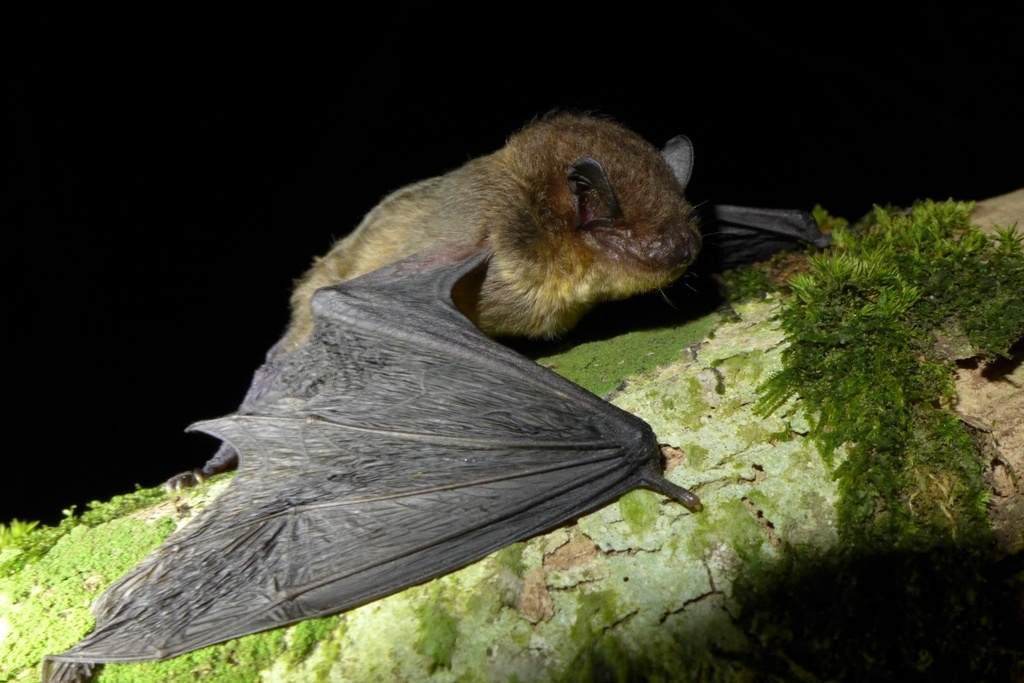
๐Ÿฆ‡ Pipistrellus nanulus โ€“ Tiny Pipistrelle

By
Alexandre Tano Kan Koffi
Last updated: December 4, 2025
4 Min Read
Share

A miniature guardian of the night, fluttering softly across forest clearings and riversides

Contents
๐Ÿ” Quick Facts๐ŸŒ Distribution and HabitatIn the Tano River Basin, it likely roosts and feeds:๐Ÿฆ‡ Appearance๐ŸŒฟ Behavior and Diet๐Ÿฃ Reproduction๐Ÿงญ Ecological Importanceโš ๏ธ Conservation Concerns๐ŸŒŠ Why It Matters for the Tano River

๐Ÿ” Quick Facts

  • Common Name: Tiny Pipistrelle
  • Scientific Name: Pipistrellus nanulus
  • Family: Vespertilionidae (Evening bats)
  • IUCN Status: Least Concern
  • Wingspan: ~15โ€“20 cm
  • Body Length: ~3.5โ€“5 cm
  • Weight: 3โ€“6 grams
  • Activity: Nocturnal
  • Habitat: Tropical forests, woodland edges, savannas, and riparian zones

๐ŸŒ Distribution and Habitat

The Tiny Pipistrelle is widely distributed in sub-Saharan Africa, including:

  • Cรดte dโ€™Ivoire, Ghana, Nigeria, Cameroon, Liberia, and beyond

In the Tano River Basin, it likely roosts and feeds:

  • Along forest trails, riverbanks, and wetland edges
  • Inside tree hollows, under bark, or in thatched roofs
  • Near water bodies, where insects are abundant

It prefers sheltered roosting sites and emerges at dusk to forage in open airspace.


๐Ÿฆ‡ Appearance

  • Fur: Brown or grayish-brown, sometimes with a slight reddish hue
  • Face and ears: Small, with short rounded ears
  • Wings: Narrow and short, built for agile, fluttering flight
  • Tail: Short and partially enclosed in the tail membrane

Despite its size, it is a confident and efficient flyer, often feeding close to vegetation.


๐ŸŒฟ Behavior and Diet

  • Diet:
    • Flying insects such as moths, mosquitoes, beetles, midges
  • Hunts using echolocation, emitting ultrasonic pulses while in flight
  • Frequently seen dancing under canopy gaps or hovering near water

Its tiny size allows it to exploit microhabitats in dense forest.


๐Ÿฃ Reproduction

  • Breeding likely follows seasonal rainfall patterns
  • Gestation: ~6โ€“8 weeks
  • Gives birth to 1โ€“2 pups, which cling to the mother or remain in a warm roost
  • Young reach flight capability in just a few weeks

Colonies are typically small and scattered, sometimes forming in shared shelters with other bat species.


๐Ÿงญ Ecological Importance

The Tiny Pipistrelle contributes to:

  • Insect population control, including vectors like mosquitoes
  • Serving as prey for owls, snakes, and nocturnal predators
  • Supporting ecosystem balance in wetlands, forest edges, and agroforestry zones

It is one of the quiet champions of mosquito regulation in the Tano basin.


โš ๏ธ Conservation Concerns

Although listed as Least Concern, the species may face:

  • ๐Ÿช“ Deforestation and loss of natural roosting trees
  • ๐Ÿ  Loss of traditional buildings, which sometimes offer alternative shelters
  • ๐Ÿงช Insecticide use, reducing prey availability
  • ๐Ÿ” Under-monitoring, due to its small size and subtle presence

Protecting small roosts, insect-rich corridors, and old trees is essential.


๐ŸŒŠ Why It Matters for the Tano River

The Tiny Pipistrelle is:

  • A miniature engine of balance, flitting through night air over the Tano
  • A vital part of the invisible food web between forest canopy and water
  • A reminder that size does not equal significance in conservation

To protect this bat is to strengthen the web of life that connects trees, insects, water, and air.


๐Ÿ”— Have you spotted small bats near your home or seen them flicker across a forest trail at dusk? Share your observations at [TanoRiver.com/submit]


Sign Up For Daily Newsletter

Be keep up! Get the latest breaking news delivered straight to your inbox.
By signing up, you agree to our Terms of Use and acknowledge the data practices in our Privacy Policy. You may unsubscribe at any time.
Share This Article
Facebook Email Copy Link Print
ByAlexandre Tano Kan Koffi
Follow:

โœ๏ธ About the Author

Alexandre Tano Kan Koffi is the founder of TanoRiver.com and a passionate advocate for Africaโ€™s environmental and cultural heritage. Named after the Tano River, he honors his legacy through storytelling and conservation.
๐Ÿ“ง Contact: alex [@] alexandrekoffi.com

Leave a Comment Leave a Comment

Leave a Reply Cancel reply

Your email address will not be published. Required fields are marked *

Receive latest news from all areas of Wildlife Animals

Our selection of the week's biggest research news and features sent directly to your inbox. Enter your email address, confirm you're happy to receive our emails.

HOT NEWS

The Rivers, Lakes & Lagoons Collective

The rivers in Ghana

April 10, 2026

๐Ÿชท Cultural Significance of the Tano River

May 5, 2026

โœจ Spiritual and Historical Importance of the Tano River

February 13, 2026

๐Ÿ“– Indigenous Stories and Oral Traditions of the Tano River

May 9, 2026

Follow US:ย 

About us

  • ๐ŸŒ The Project / Get Involved
  • โœ‰๏ธ Contact us
  • ๐Ÿ’› Donate
  • ๐Ÿค Partnerships / Collaborate

TanoRiver.com

  • Terms and Conditions
  • Privacy Policy
  • Cookie Policy

Cookies Notice

We use our own and third-party cookies to improve our services, personalise your advertising and remember your preferences.
Welcome Back!

Sign in to your account

Username or Email Address
Password

Lost your password?
