



📍 Habitat
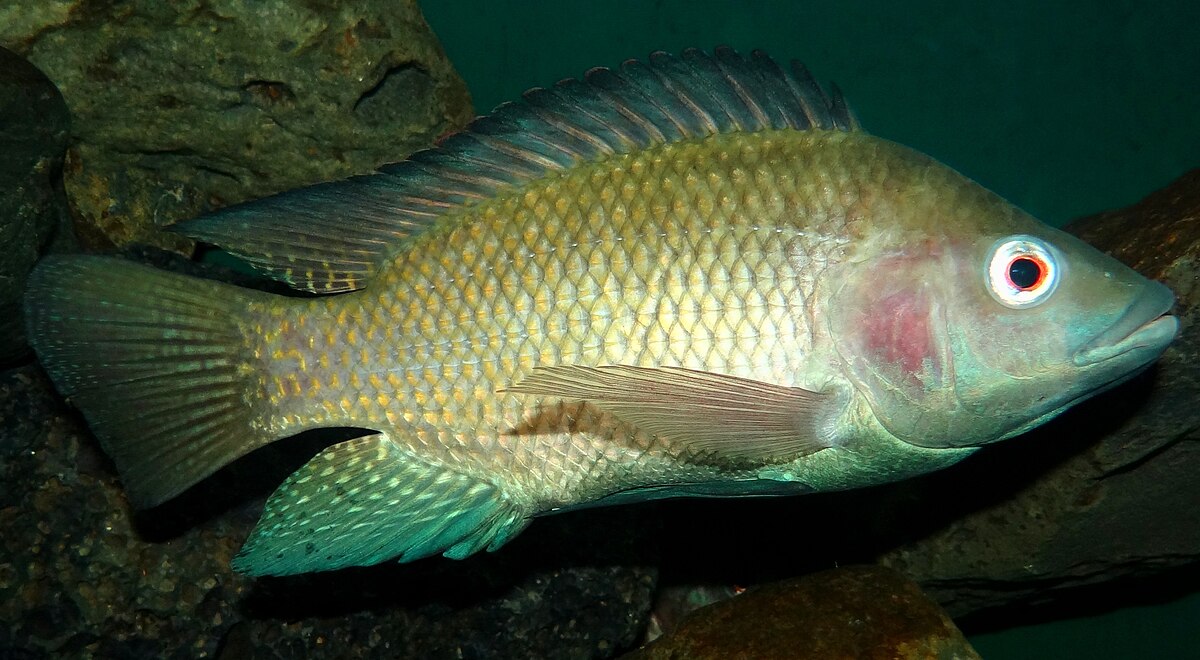
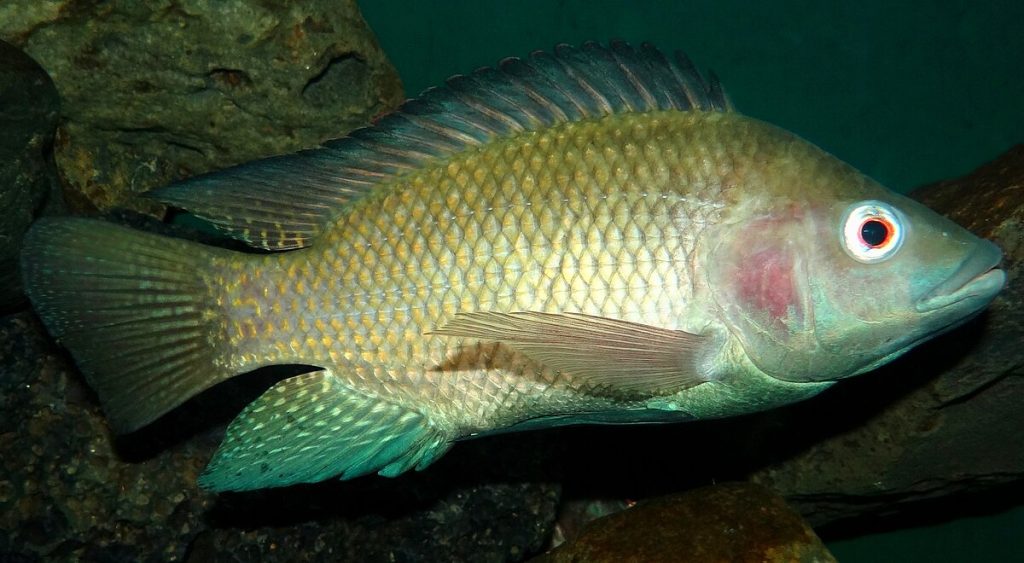
The Nile Tilapia is widespread in the freshwater ecosystems of the Tano River, thriving in slow-moving sections, tributaries, and floodplain areas. It is one of the most abundant fish species fished and farmed across West Africa — and the Tano River provides an important natural habitat.
Contents
⚠️ Conservation Status
- IUCN Red List: Not Threatened
- Main Threats in the Tano River:
- Pollution from illegal mining (galamsey)
- Sedimentation from deforestation
- Overfishing or unsustainable fishing practices
- Habitat degradation due to agricultural runoff
🧬 Description
- Silvery-grey fish with a compressed oval body
- Males may display darker coloration during mating season
- Can grow up to 60 cm long
- Omnivorous: feeds on algae, small invertebrates, and detritus
🍽️ Importance
- Key food source for local communities in Ghana and Côte d’Ivoire
- Plays a central role in local fishing economies
- Also supports small-scale aquaculture initiatives
🌱 Ecological Role
- Controls algae and mosquito larvae
- Contributes to the balance of freshwater ecosystems
- Indicator species for water quality — their health reflects the state of the river
⚠️ Environmental Concerns
Increased levels of mercury and sediment in the water — due to illegal gold mining — threaten tilapia populations, and by extension, local food security.
Protecting their habitat means protecting both biodiversity and human livelihoods.


