



A sacred fruiting tree rooted in healing, spirit, and survival along the Tano River
🔎 Scientific Name: Nauclea latifolia
Common names: African peach, Pin cushion tree, “Konkoma” (Akan), “Pavé” (Fr.), “Banga” (Baoulé), “Utu” (Ewé)
Family: Rubiaceae (coffee family)
📍 Habitat and Distribution
Nauclea latifolia is native to sub-Saharan Africa and widely found across:
- Ghana, Côte d’Ivoire, Nigeria, Guinea, and the Congo Basin
In the Tano River Basin, it grows:
- Along riverbanks, swampy lowlands, and gallery forests
- In village groves, sacred forests, and fallow agricultural lands
It thrives in moist tropical climates and plays a key role in both natural ecosystems and rural communities.
🌳 Botanical Description
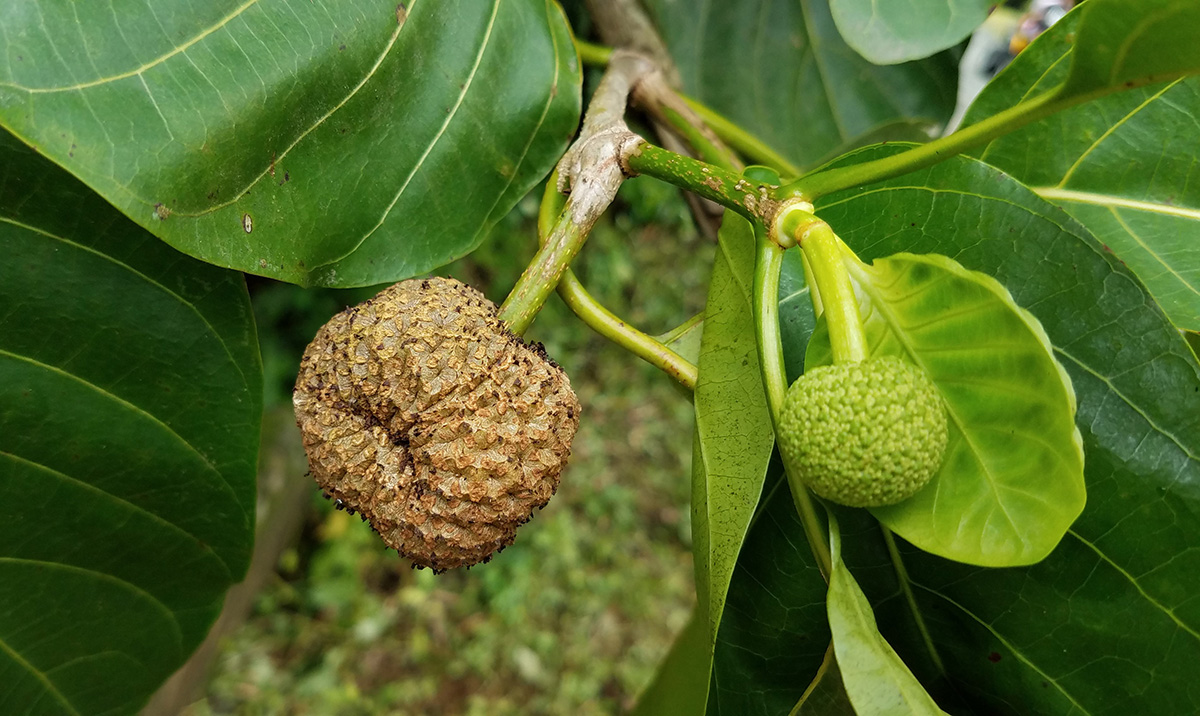
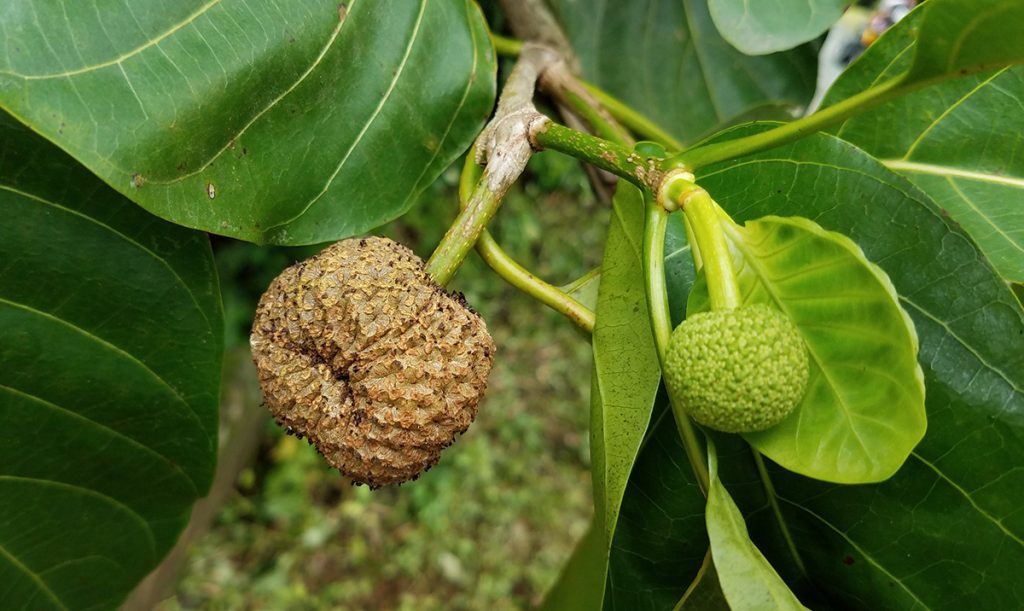
- Leaves: Large, oval, and glossy — forming a broad canopy
- Height: Medium-sized tree, typically 3–10 meters tall
- Flowers: Creamy-white spherical heads with fine stamens — look like pincushions
- Fruits: Round, fleshy, yellow-green fruits with a sweet, tart pulp, resembling a wild peach
- Roots and bark: Deep-rooted, sturdy, often used medicinally
🌿 Ecological Role
- The tree provides:
- Shade and erosion control along riverbanks
- Food and habitat for bats, monkeys, birds, and insects
- Nectar for pollinators and fruit for wildlife and humans alike
It is vital to forest-edge biodiversity in the Tano region.
🌍 Traditional Uses and Medicinal Value
Nauclea latifolia is considered a pan-African medicinal powerhouse:
🌿 Uses of various parts:
- Fruits:
- Eaten raw or fermented into beverages
- Used to treat diarrhea and dysentery
- Given to children as a tonic
- Bark and roots:
- Boiled or pounded to treat:
- Malaria and fever
- Stomach pain and parasitic infections
- High blood pressure and diabetes
- Used in ritual baths and cleansing ceremonies
- Boiled or pounded to treat:
- Leaves:
- Applied to wounds and skin infections
- Crushed and used for eye washes or snakebite treatments
It is one of the most frequently used plants by traditional healers across West Africa.
🧙🏾♂️ Spiritual and Cultural Importance
- In many communities, the African peach tree is considered sacred:
- Planted near shrines, especially for river deities like Ta Kora
- Its fruits are offered in libation or placed on altars
- Its leaves are sometimes burned as spiritual incense
- In funeral rites, it may be used to bathe the deceased or protect the soul’s passage
The tree is also associated with ancestral protection, especially in riverine villages.
⚠️ Threats and Conservation Notes
While still common in rural zones, Nauclea latifolia faces:
- Habitat loss due to illegal mining and deforestation
- Overharvesting of bark and roots for medicine
- Lack of reforestation efforts despite its cultural value
Conservationists encourage domestic cultivation and forest-friendly farming to ensure its future.
🌱 Why It Matters for the Tano River
Nauclea latifolia is a river guardian, offering:
- Healing, shade, and spiritual shelter
- A powerful symbol of life, medicine, and tradition
- A tree that bridges ancestors, nature, and community well-being
Its fruits feed the body. Its roots feed the soul.
🔗 Do you grow or use the African Peach near the Tano River? Share your photos and stories at [TanoRiver.com/submit]


