



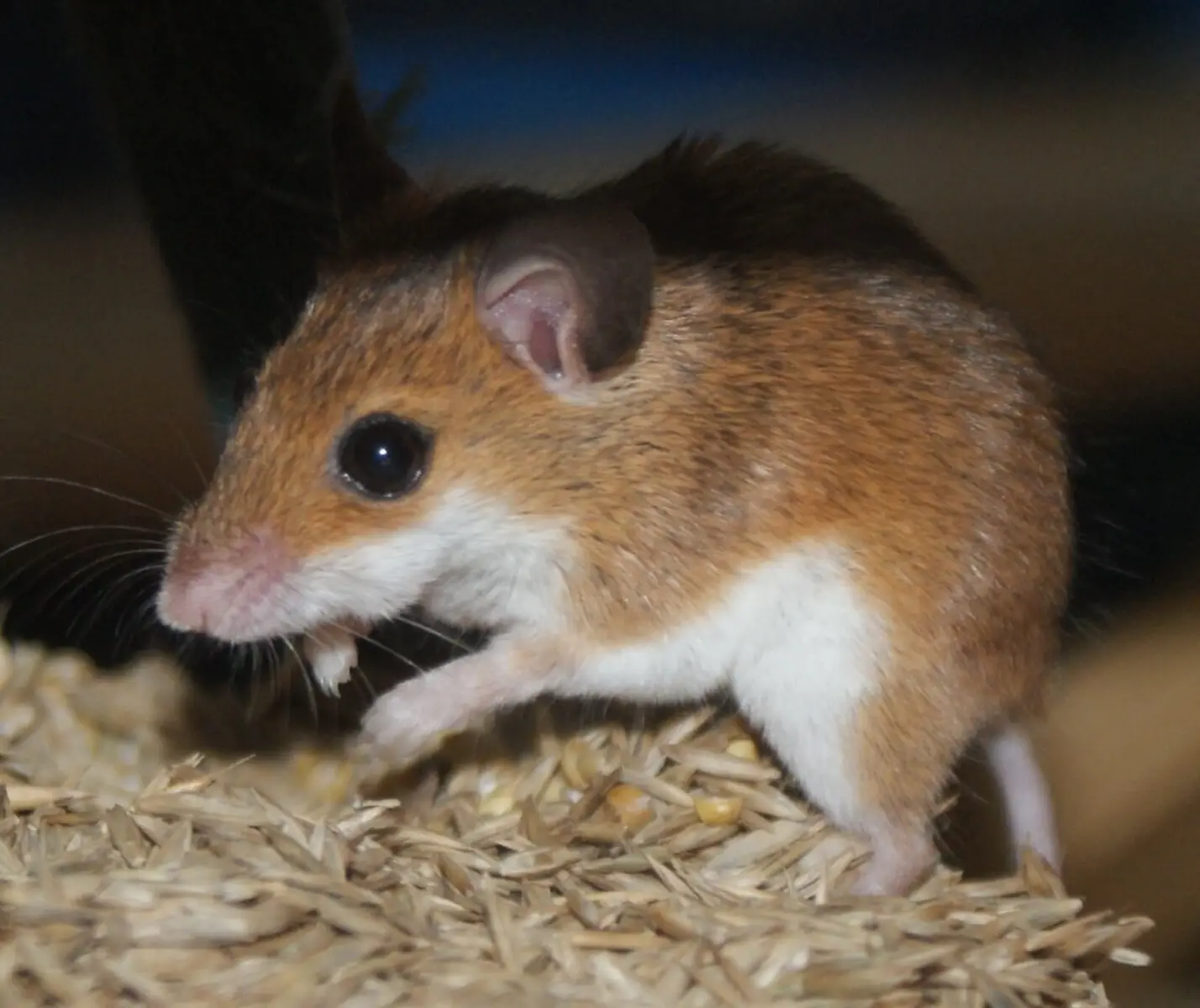
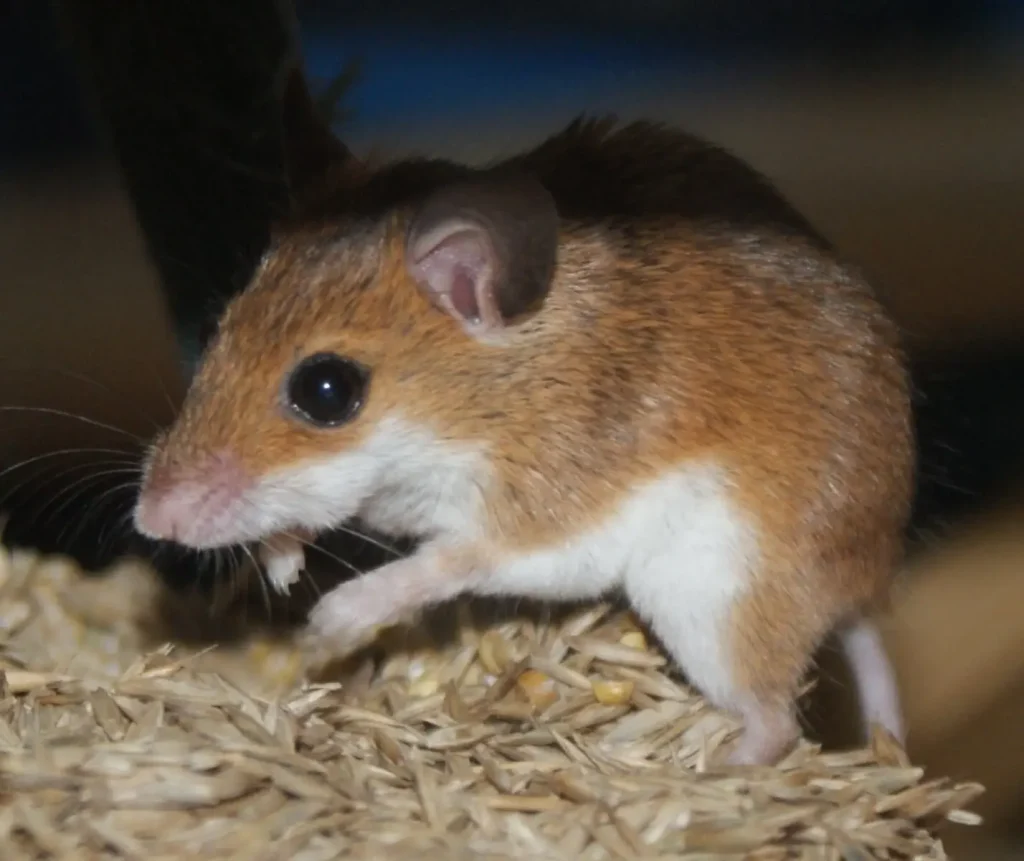
Africa’s tiniest rodent, quietly thriving in the undergrowth of the Tano Basin
Contents
🔍 Quick Facts
- Common name: Temminck’s Mouse
- Scientific name: Mus musculoides
- Family: Muridae
- IUCN Status: Least Concern
- Size: ~5 cm body length, ~5 cm tail
- Weight: 2–5 grams
- Lifespan: Less than 1 year in the wild
🌍 Habitat in the Tano Region
Temminck’s Mouse is found throughout West Africa, including Ghana and Côte d’Ivoire. In the Tano River area, it lives:
- In savanna clearings, grasslands, and forest margins
- Around wetlands, farm edges, and riparian zones
- Nesting in leaf litter, under logs, or abandoned burrows
Despite its size, it’s highly adaptable and widespread.
🌿 Behavior and Ecology
- Nocturnal, fast, and extremely shy
- Feeds on seeds, small insects, and plant matter
- Often spotted only through live traps or infrared cameras
- A vital prey species for snakes, owls, civets, and mongooses
🐣 Reproduction
- Reproduces rapidly — up to 5 litters a year
- Gestation: 19–21 days
- Babies mature in just 4–6 weeks, making this one of the fastest-reproducing mammals
⚠️ Threats
While not endangered, Temminck’s Mouse faces:
- Habitat loss (deforestation, mining)
- Pesticide exposure in farms
- Seasonal fires and flooding events
🌊 Why It Matters
Temminck’s Mouse may be tiny, but it plays a key role in the Tano ecosystem:
- Helps with seed dispersal and soil turnover
- Keeps insect populations in check
- Feeds a wide range of forest and wetland predators
It reminds us that conservation begins at every scale, from elephants to mice.
🔗 Seen signs of small rodents near your village or farm? Share observations at [TanoRiver.com/submit]


