

The Tano River
  • Home
  • 🌊The River
    • The Tano River
    • Cultural Significance
    • Spiritual and Historical Importance
    • Taakora — The Deity of the Tano River
    • Comprehensive Analysis of the Tano River and Its Basin
  • 🌿Environment
    • Flora and Fauna
    • Environmental Challenges
    • Conservation Efforts
    • The Tano River Basin
    • The Galamsey Crisis
    • Animals of the Tano
    • Trees and Plants of the Tano
    • Parks and Forest
    • Lagoons
    • Tributaries of the Tano River
  • History
    • Stories and Oral Traditions
    • Historical Events
    • Ancient Trade and Conflicts
    • The Legend of Tano and Bia
    • Deities and Spirits
    • God Tano, Afua Krankra, and Asase Ya/Afua in Akan Mythology
  • 🎉Culture
    • Ethnic Groups Along the Tano River
    • Fishing, Agriculture, and Rituals
    • Festivals and River Ceremonies
    • The Natural Border Between Ghana and Ivory Coast
  • 🛶 Tourism
    • Natural Sites to Visit
    • Cultural Experiences
    • Local Guides & Eco-Tourism
    • Creating a Touristic Ecosystem
  • 🌍News
  • Global Initiative
  • 🌍About
    • 📖The Project / Get Involved
    • 🧾 About me
    • ✉️ Contact us
    • 🤝 Partnerships / Collaborate
    • 💛 Donate
    • 🌿 A Tribute to My Father and Grandfather
    • 🧾All Our articles
    • 🧾Search Our Articles
    • 📖Glossary of the Tano River Ecosystem
Donate
Font ResizerAa
The Tano RiverThe Tano River
Search

Popular Posts

The Rivers, Lakes & Lagoons Collective

The rivers in Ghana

About the River

🪷 Cultural Significance of the Tano River

About the River

✨ Spiritual and Historical Importance of the Tano River

Welcome to Tanoriver.com

Join the Tano River Collective Project and be part of a growing movement dedicated to preserving the life, culture, and ecosystems of the Tano River. Together, we can make a lasting impact.
Join Us
Follow US
TanoRiver.com
The Tano River > All our Articles > Environment & Biodiversity > Species of the Tano River > Mammals > 🦇 Mops trevori – Trevor’s Free-tailed Bat
Mammals

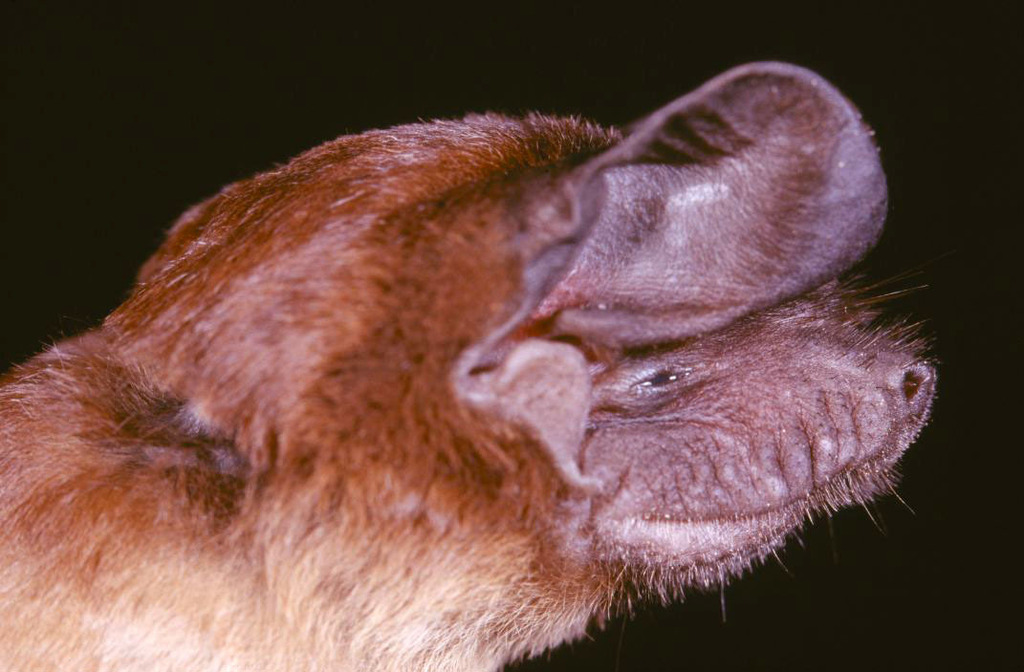
🦇 Mops trevori – Trevor’s Free-tailed Bat

By
Alexandre Tano Kan Koffi
Last updated: March 11, 2026
4 Min Read
Share

A high-flying nocturnal insect-hunter rarely seen but vital to the health of West Africa’s forest skies

Contents
🔍 Quick Facts🌍 Distribution and HabitatIn the Tano River Basin, it may occur in:🦇 Appearance🌿 Behavior and Diet🐣 Reproduction🧭 Ecological Importance⚠️ Conservation Concerns🌊 Why It Matters for the Tano River

🔍 Quick Facts

  • Common Name: Trevor’s Free-tailed Bat
  • Scientific Name: Mops trevori
  • Family: Molossidae (Free-tailed bats)
  • IUCN Status: Data Deficient (due to limited population data)
  • Wingspan: Estimated ~30–35 cm
  • Activity: Nocturnal
  • Habitat: Moist lowland forests, forest edges, and possibly dry savanna-forest mosaics

🌍 Distribution and Habitat

Trevor’s Free-tailed Bat is known from scattered records across West and Central Africa, including:

  • Côte d’Ivoire, Ghana, Cameroon, Democratic Republic of Congo, and Central African Republic

In the Tano River Basin, it may occur in:

  • The Tanoé-Ehy Forest Reserve and adjacent riparian zones
  • Forest clearings, where it hunts insects in open flight
  • Roosts possibly in hollow trees, rock crevices, or high forest canopies

It is believed to be rare and difficult to observe, with most data coming from isolated captures.


🦇 Appearance

  • Fur: Dark brown to gray, short and velvety
  • Ears: Large, rounded, and slightly connected—typical of Mops genus
  • Tail: Extends beyond the tail membrane (“free-tailed”)
  • Face: Flattened with prominent nostrils and wide mouth

These features make it adapted for high-speed flight and insect hunting at dusk.


🌿 Behavior and Diet

  • Aerial insectivore, catching prey in midair during fast, acrobatic flights
  • Likely feeds on:
    • Moths, beetles, flying ants, and night-active mosquitoes
  • Forages in forest clearings, over rivers, and around tree canopies
  • Uses echolocation to navigate and locate prey

Its presence can go unnoticed without ultrasonic detection equipment.


🐣 Reproduction

Very little is known about its reproductive behavior, but like other free-tailed bats:

  • It likely breeds once or twice per year
  • Gives birth to a single pup, which clings to the mother or is left in the roost
  • Young develop quickly and are weaned in a few weeks

Its roosting behavior remains poorly studied in the wild.


🧭 Ecological Importance

Trevor’s Free-tailed Bat plays a vital role in:

  • Controlling insect populations, including agricultural pests and disease vectors
  • Supporting food chains for owls and nocturnal predators
  • Acting as an indicator species for forest and canopy health

As a fast-flying forager, it helps keep insect communities in balance.


⚠️ Conservation Concerns

Trevor’s Free-tailed Bat is listed as Data Deficient, but likely faces threats such as:

  • 🌳 Deforestation, especially of tall roost trees
  • 🧱 Disturbance of roost sites, including logging and mining
  • 🔥 Habitat degradation, affecting insect availability
  • 📉 Lack of monitoring, making population trends invisible

More research is urgently needed to confirm its ecological range and roosting habits.


🌊 Why It Matters for the Tano River

Trevor’s Free-tailed Bat is:

  • A hidden guardian of the night skies, silently managing insect populations
  • A symbol of how much we still don’t know about life above the canopy
  • A sign that the Tano River’s ecosystem includes both visible and unseen allies

To protect it is to protect the invisible balance of nocturnal life.


🔗 Have you recorded bat calls or noticed high-flying silhouettes at dusk? Help researchers track Trevor’s Free-tailed Bat at [TanoRiver.com/submit]


Sign Up For Daily Newsletter

Be keep up! Get the latest breaking news delivered straight to your inbox.
By signing up, you agree to our Terms of Use and acknowledge the data practices in our Privacy Policy. You may unsubscribe at any time.
Share This Article
Facebook Email Copy Link Print
ByAlexandre Tano Kan Koffi
Follow:

✍️ About the Author

Alexandre Tano Kan Koffi is the founder of TanoRiver.com and a passionate advocate for Africa’s environmental and cultural heritage. Named after the Tano River, he honors his legacy through storytelling and conservation.
📧 Contact: alex [@] alexandrekoffi.com

Leave a Comment Leave a Comment

Leave a Reply Cancel reply

Your email address will not be published. Required fields are marked *

Receive latest news from all areas of Wildlife Animals

Our selection of the week's biggest research news and features sent directly to your inbox. Enter your email address, confirm you're happy to receive our emails.

HOT NEWS

The Rivers, Lakes & Lagoons Collective

The rivers in Ghana

April 10, 2026

🪷 Cultural Significance of the Tano River

May 5, 2026

✨ Spiritual and Historical Importance of the Tano River

February 13, 2026

📖 Indigenous Stories and Oral Traditions of the Tano River

May 9, 2026

Follow US: 

About us

  • 🌍 The Project / Get Involved
  • ✉️ Contact us
  • 💛 Donate
  • 🤝 Partnerships / Collaborate

TanoRiver.com

  • Terms and Conditions
  • Privacy Policy
  • Cookie Policy

Cookies Notice

We use our own and third-party cookies to improve our services, personalise your advertising and remember your preferences.
Welcome Back!

Sign in to your account

Username or Email Address
Password

Lost your password?
