

The Tano River
  • Home
  • 🌊The River
    • The Tano River
    • Cultural Significance
    • Spiritual and Historical Importance
    • Taakora — The Deity of the Tano River
    • Comprehensive Analysis of the Tano River and Its Basin
  • 🌿Environment
    • Flora and Fauna
    • Environmental Challenges
    • Conservation Efforts
    • The Tano River Basin
    • The Galamsey Crisis
    • Animals of the Tano
    • Trees and Plants of the Tano
    • Parks and Forest
    • Lagoons
    • Tributaries of the Tano River
  • History
    • Stories and Oral Traditions
    • Historical Events
    • Ancient Trade and Conflicts
    • The Legend of Tano and Bia
    • Deities and Spirits
    • God Tano, Afua Krankra, and Asase Ya/Afua in Akan Mythology
  • 🎉Culture
    • Ethnic Groups Along the Tano River
    • Fishing, Agriculture, and Rituals
    • Festivals and River Ceremonies
    • The Natural Border Between Ghana and Ivory Coast
  • 🛶 Tourism
    • Natural Sites to Visit
    • Cultural Experiences
    • Local Guides & Eco-Tourism
    • Creating a Touristic Ecosystem
  • 🌍News
  • Global Initiative
  • 🌍About
    • 📖The Project / Get Involved
    • 🧾 About me
    • ✉️ Contact us
    • 🤝 Partnerships / Collaborate
    • 💛 Donate
    • 🌿 A Tribute to My Father and Grandfather
    • 🧾All Our articles
    • 🧾Search Our Articles
    • 📖Glossary of the Tano River Ecosystem
Donate
Font ResizerAa
The Tano RiverThe Tano River
Search

Popular Posts

The Rivers, Lakes & Lagoons Collective

The rivers in Ghana

About the River

🪷 Cultural Significance of the Tano River

About the River

✨ Spiritual and Historical Importance of the Tano River

Welcome to Tanoriver.com

Join the Tano River Collective Project and be part of a growing movement dedicated to preserving the life, culture, and ecosystems of the Tano River. Together, we can make a lasting impact.
Join Us
Follow US
TanoRiver.com
The Tano River > All our Articles > Environment & Biodiversity > Species of the Tano River > Reptiles > 🦎 Monitor Lizards of the Tano River Basin
Reptiles

🦎 Monitor Lizards of the Tano River Basin

By
Alexandre Tano Kan Koffi
Last updated: July 1, 2026
4 Min Read
Share

Ancient reptiles of the riverbanks, slow, strong, and sacred in local lore

Contents
🔎 Overview🐊 Species in the Tano River Area1. Nile Monitor (Varanus niloticus)2. Savannah Monitor (Varanus exanthematicus)🦎 Behavior and Ecology🪹 Nesting and Reproduction🧭 Cultural and Spiritual Role⚠️ Threats🌊 Why Monitor Lizards Matter for the Tano River

🔎 Overview

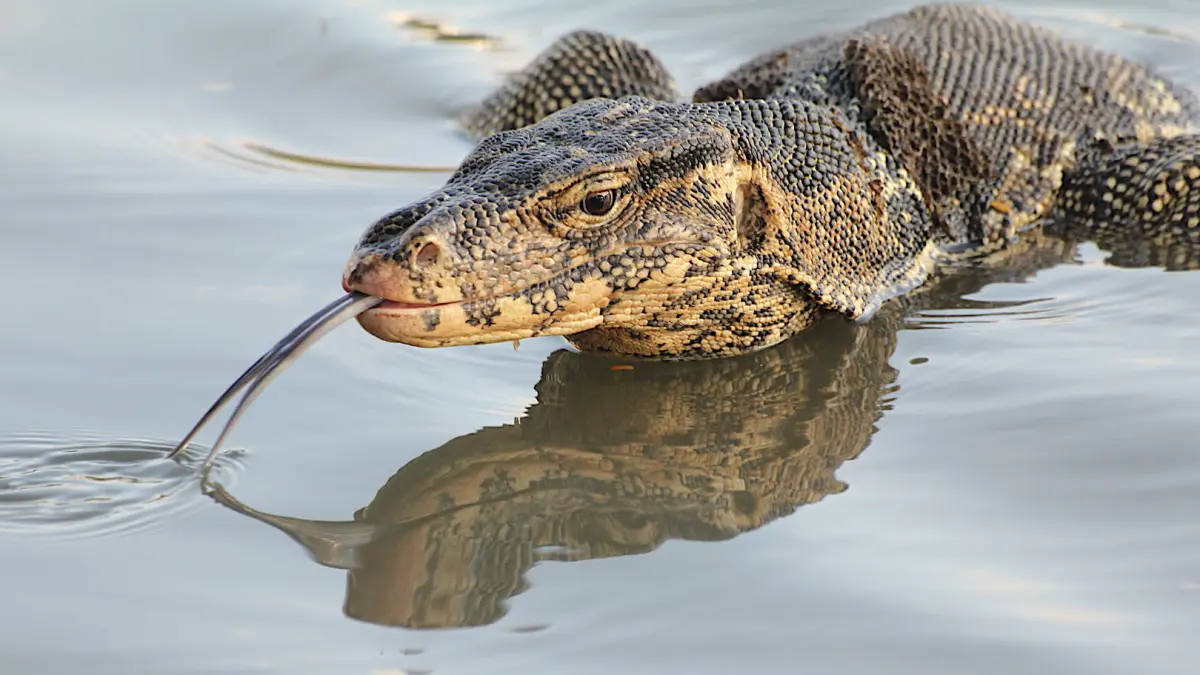
Monitor lizards are large, intelligent reptiles of the genus Varanus, known for their powerful limbs, forked tongues, and impressive adaptability. In the Tano River ecosystem, these lizards are a key part of both natural biodiversity and traditional beliefs.


🐊 Species in the Tano River Area

The most commonly encountered species in the Tano Basin include:

1. Nile Monitor (Varanus niloticus)

  • Africa’s largest lizard
  • Can grow up to 2 meters in length
  • Found in wetlands, riverbanks, mangroves, and even farmlands
  • Excellent swimmer and climber

2. Savannah Monitor (Varanus exanthematicus)

  • Stockier, ground-dwelling species
  • Prefers drier savanna edges near water sources
  • Found in areas where savanna meets forest, particularly near farms and roadsides

Both species are present in Ghana and Côte d’Ivoire, especially along the Tano’s middle and lower stretches.


🦎 Behavior and Ecology

  • Diet: Carnivorous
    • Eats insects, snails, fish, frogs, eggs, rodents, and even carrion
    • Known to raid nests of birds and crocodiles for eggs
  • Activity: Mostly diurnal (active during the day)
  • Movement: Strong swimmers, often basking near water or slipping quietly into the river when approached
  • Defense: Uses tail-whips, sharp claws, and a powerful bite when threatened

They play a key role as scavengers and predators, maintaining balance in wetland food chains.


🪹 Nesting and Reproduction

  • Females lay 20–60 eggs, often in:
    • Termite mounds (which regulate temperature)
    • Burrows dug in soft sand or under roots
  • Eggs incubate for 6–9 months, and hatchlings are fully independent at birth

Their reproductive strategy relies on undisturbed nesting grounds, especially near wetlands and forests.


🧭 Cultural and Spiritual Role

In many Akan, Nzema, and Baoulé traditions, monitor lizards are:

  • Seen as messengers of the spirit world
  • Associated with ancestors or river deities, especially in forest shrines
  • Sometimes protected by taboos, particularly in areas sacred to Ta Kora, the river god of the Tano
  • Believed to guard hidden knowledge or appear before significant events

They appear in oral tales as watchful, slow-moving creatures with hidden wisdom.


⚠️ Threats

Despite being adaptable, monitor lizards face several pressures:

  • Habitat destruction due to deforestation, mining, and agriculture
  • Hunting for:
    • Skin (leather trade)
    • Meat (considered a delicacy in some communities)
    • Traditional medicine
  • Road mortality and conflicts with farmers over poultry raids

They are not endangered, but local populations are declining in disturbed areas.


🌊 Why Monitor Lizards Matter for the Tano River

Monitor lizards are:

  • Top reptilian predators in the food chain
  • Scavengers that clean the ecosystem
  • Creatures of symbolism and survival, blending myth and biology

Their slow tread across the Tano’s muddy edge reminds us that the river is home not only to what we see — but to what watches us in silence.


🔗 Have you spotted a monitor lizard along the Tano or heard stories about them in your family? Share your encounters at [TanoRiver.com/submit]


Sign Up For Daily Newsletter

Be keep up! Get the latest breaking news delivered straight to your inbox.
By signing up, you agree to our Terms of Use and acknowledge the data practices in our Privacy Policy. You may unsubscribe at any time.
Share This Article
Facebook Email Copy Link Print
ByAlexandre Tano Kan Koffi
Follow:

✍️ About the Author

Alexandre Tano Kan Koffi is the founder of TanoRiver.com and a passionate advocate for Africa’s environmental and cultural heritage. Named after the Tano River, he honors his legacy through storytelling and conservation.
📧 Contact: alex [@] alexandrekoffi.com

Leave a Comment Leave a Comment

Leave a Reply Cancel reply

Your email address will not be published. Required fields are marked *

Receive latest news from all areas of Wildlife Animals

Our selection of the week's biggest research news and features sent directly to your inbox. Enter your email address, confirm you're happy to receive our emails.

HOT NEWS

The Rivers, Lakes & Lagoons Collective

The rivers in Ghana

April 10, 2026

🪷 Cultural Significance of the Tano River

May 5, 2026

✨ Spiritual and Historical Importance of the Tano River

February 13, 2026

📖 Indigenous Stories and Oral Traditions of the Tano River

May 9, 2026

Follow US: 

About us

  • 🌍 The Project / Get Involved
  • ✉️ Contact us
  • 💛 Donate
  • 🤝 Partnerships / Collaborate

TanoRiver.com

  • Terms and Conditions
  • Privacy Policy
  • Cookie Policy

Cookies Notice

We use our own and third-party cookies to improve our services, personalise your advertising and remember your preferences.
Welcome Back!

Sign in to your account

Username or Email Address
Password

Lost your password?
