

The Tano River
  • Home
  • 🌊The River
    • The Tano River
    • Cultural Significance
    • Spiritual and Historical Importance
    • Taakora — The Deity of the Tano River
    • Comprehensive Analysis of the Tano River and Its Basin
  • 🌿Environment
    • Flora and Fauna
    • Environmental Challenges
    • Conservation Efforts
    • The Tano River Basin
    • The Galamsey Crisis
    • Animals of the Tano
    • Trees and Plants of the Tano
    • Parks and Forest
    • Lagoons
    • Tributaries of the Tano River
  • History
    • Stories and Oral Traditions
    • Historical Events
    • Ancient Trade and Conflicts
    • The Legend of Tano and Bia
    • Deities and Spirits
    • God Tano, Afua Krankra, and Asase Ya/Afua in Akan Mythology
  • 🎉Culture
    • Ethnic Groups Along the Tano River
    • Fishing, Agriculture, and Rituals
    • Festivals and River Ceremonies
    • The Natural Border Between Ghana and Ivory Coast
  • 🛶 Tourism
    • Natural Sites to Visit
    • Cultural Experiences
    • Local Guides & Eco-Tourism
    • Creating a Touristic Ecosystem
  • 🌍News
  • Global Initiative
  • 🌍About
    • 📖The Project / Get Involved
    • 🧾 About me
    • ✉️ Contact us
    • 🤝 Partnerships / Collaborate
    • 💛 Donate
    • 🌿 A Tribute to My Father and Grandfather
    • 🧾All Our articles
    • 🧾Search Our Articles
    • 📖Glossary of the Tano River Ecosystem
Donate
Font ResizerAa
The Tano RiverThe Tano River
Search

Popular Posts

The Rivers, Lakes & Lagoons Collective

The rivers in Ghana

About the River

🪷 Cultural Significance of the Tano River

About the River

✨ Spiritual and Historical Importance of the Tano River

Welcome to Tanoriver.com

Join the Tano River Collective Project and be part of a growing movement dedicated to preserving the life, culture, and ecosystems of the Tano River. Together, we can make a lasting impact.
Join Us
Follow US
TanoRiver.com
The Tano River > All our Articles > Environment & Biodiversity > Trees and Plants of the Tano > 🌳 Milicia excelsa – The Iroko Tree
Trees and Plants of the Tano

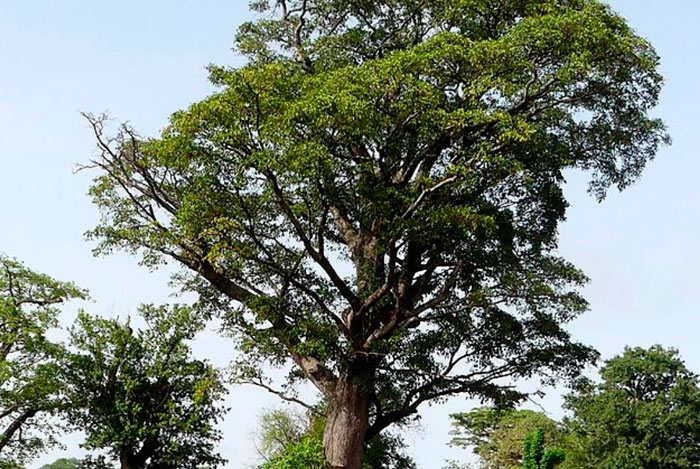
🌳 Milicia excelsa – The Iroko Tree

By
Alexandre Tano Kan Koffi
Last updated: July 9, 2026
3 Min Read
Share

A sacred and towering guardian of West African riverbanks

Contents
🔎 Scientific Name: Milicia excelsa📍 Habitat and Distribution🌿 Physical Description🌍 Ecological Role🧑🏾‍🌾 Cultural Significance🪵 Economic and Practical Use⚠️ Conservation Status🌱 Why It Matters for the Tano River

🔎 Scientific Name: Milicia excelsa

Common names: Iroko (English), Odum (Akan), Mvule (East Africa), Kambodé (Baoulé), Opepe
Family: Moraceae (Mulberry family)


📍 Habitat and Distribution

Milicia excelsa is native to tropical West, Central, and parts of East Africa. Along the Tano River, it is found in riparian forests, where it grows close to streams, wetlands, and shaded floodplains, particularly in Ghana’s Brong-Ahafo and Western North regions, as well as in the Tanoé-Ehy forest zone in Côte d’Ivoire.

This tree thrives in:

  • Moist semi-deciduous forests
  • Riverbanks and swamp edges
  • Old sacred groves near rural villages

🌿 Physical Description

  • Height: Up to 50 meters (165 feet)
  • Trunk: Straight, cylindrical, massive – often buttressed at the base
  • Leaves: Shiny, simple, and oval-shaped
  • Wood: Extremely durable, termite-resistant, yellow to brown in color

Its size and grandeur make it one of the most imposing trees in the forest canopy.


🌍 Ecological Role

  • Provides shade and habitat for birds, insects, and mammals
  • Stabilizes soil along riverbanks, reducing erosion
  • Its foliage supports biodiversity, including monkeys, squirrels, and leaf-eating insects
  • Pollinated by wind, and its seeds are dispersed by gravity and animals

🧑🏾‍🌾 Cultural Significance

Across West Africa, the Iroko tree holds deep spiritual meaning:

  • In Akan and Nzema traditions, it is often considered the abode of powerful spirits or ancestors
  • In many communities, cutting down an Iroko without permission is taboo or forbidden
  • Used in rituals, libations, and oaths, and often left standing in sacred groves
  • Known as the “Tree of Immortality” in oral tales, it is believed to house benevolent or vengeful spirits

Its presence near the Tano River is especially important, where it may be associated with the river deity Ta Kora.


🪵 Economic and Practical Use

  • Highly valued timber: Iroko wood is strong, durable, and resistant to rot and insects
  • Used for:
    • Boat and canoe making
    • Traditional drums and masks
    • Doors, roofing beams, and furniture
  • Sometimes called “African teak” for its commercial value

⚠️ Overexploitation has made it vulnerable in some regions.


⚠️ Conservation Status

  • Status: Near Threatened (IUCN Red List)
  • Threatened by:
    • Deforestation and illegal logging
    • Habitat loss from mining and agriculture
    • Unsustainable harvesting for timber export

🌱 Why It Matters for the Tano River

The Iroko is more than a tree — it is a symbol of longevity, protection, and sacred continuity. Its roots anchor the soil, its trunk holds stories, and its canopy shelters life.

Protecting Milicia excelsa along the Tano means:

  • Safeguarding cultural heritage
  • Preserving biodiversity corridors
  • Educating communities on sustainable forestry

🔗 Do you have an Iroko near your village or farm? Share its story with us at [TanoRiver.com/submit]


Sign Up For Daily Newsletter

Be keep up! Get the latest breaking news delivered straight to your inbox.
By signing up, you agree to our Terms of Use and acknowledge the data practices in our Privacy Policy. You may unsubscribe at any time.
Share This Article
Facebook Email Copy Link Print
ByAlexandre Tano Kan Koffi
Follow:

✍️ About the Author

Alexandre Tano Kan Koffi is the founder of TanoRiver.com and a passionate advocate for Africa’s environmental and cultural heritage. Named after the Tano River, he honors his legacy through storytelling and conservation.
📧 Contact: alex [@] alexandrekoffi.com

Leave a Comment Leave a Comment

Leave a Reply Cancel reply

Your email address will not be published. Required fields are marked *

Receive latest news from all areas of Wildlife Animals

Our selection of the week's biggest research news and features sent directly to your inbox. Enter your email address, confirm you're happy to receive our emails.

HOT NEWS

The Rivers, Lakes & Lagoons Collective

The rivers in Ghana

April 10, 2026

🪷 Cultural Significance of the Tano River

May 5, 2026

✨ Spiritual and Historical Importance of the Tano River

February 13, 2026

📖 Indigenous Stories and Oral Traditions of the Tano River

May 9, 2026

Follow US: 

About us

  • 🌍 The Project / Get Involved
  • ✉️ Contact us
  • 💛 Donate
  • 🤝 Partnerships / Collaborate

TanoRiver.com

  • Terms and Conditions
  • Privacy Policy
  • Cookie Policy

Cookies Notice

We use our own and third-party cookies to improve our services, personalise your advertising and remember your preferences.
Welcome Back!

Sign in to your account

Username or Email Address
Password

Lost your password?
