



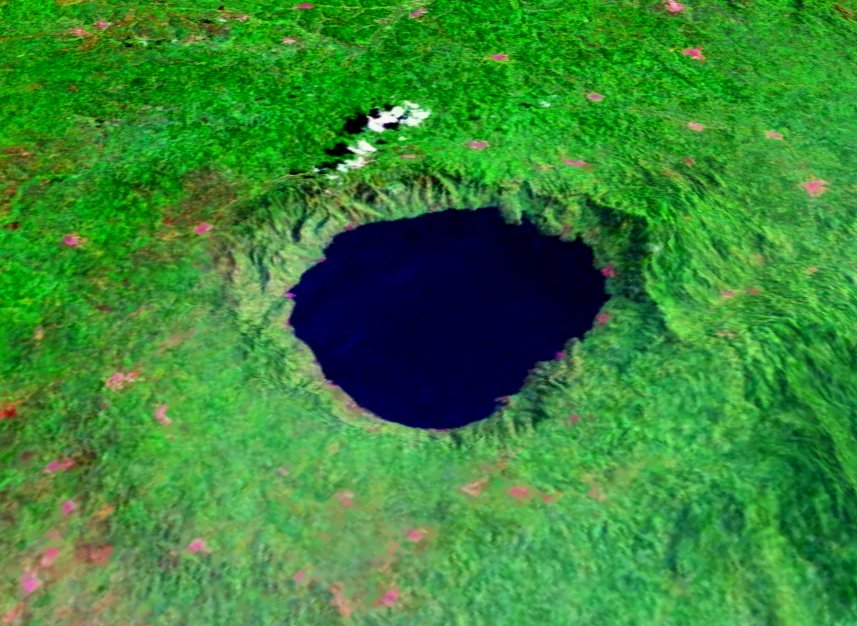
The Sacred Crater of Souls and Stars
📍 Introduction
Nestled within the ancient mountains of Ghana’s Ashanti Region lies Lake Bosomtwe, a perfectly round, serene, and sacred lake. Unlike the country’s many man-made lakes and reservoirs, Bosomtwe is natural—formed not by humans, but by a meteorite over one million years ago.
To the Ashanti people, however, Lake Bosomtwe is far more than a geological wonder. It is a portal between worlds—a spiritual highway where souls of the dead journey to Asamando, the land of the ancestors. It is a place of reverence, healing, and cosmic memory.
As tourism grows and environmental stress mounts, the lake stands at a delicate balance between its sacred identity and its ecological vulnerability.
🌍 Geography and Formation
- Country: Ghana
- Region: Ashanti Region
- Nearest City: Kumasi (~30 km away)
- Type: Meteorite impact crater lake
- Diameter: Approx. 10.5 km
- Depth: Up to 81 meters (deepest natural lake in Ghana)
- Catchment: Closed basin — fed by rainfall and small streams only (no outflow)
- UNESCO Status: Part of the Lake Bosomtwe Biosphere Reserve since 2016
Lake Bosomtwe is the only natural lake in Ghana, and one of the few meteoritic lakes in the world—a geological rarity in West Africa.
🐾 Ecological Importance
Lake Bosomtwe is a closed hydrological system, making it extremely sensitive to pollution, overuse, and climate change. It supports:
Fauna
- Endemic fish species: especially tilapia (e.g. Tilapia busumana)
- Amphibians, reptiles, and birds including kingfishers, herons, and weaver birds
- Historically home to manatees, now gone
Flora
- Aquatic plants: reeds, floating grasses, and submerged macrophytes
- Forest remnants around the crater’s rim, though increasingly fragmented
- Agricultural lands on slopes threaten water quality through runoff
🧭 Cultural and Spiritual Significance
To the Ashanti and other Akan peoples, Lake Bosomtwe is sacred—a lake with a soul.
Sacred Beliefs
- It is believed that the souls of the dead travel to Bosomtwe on their way to the afterlife (Asamando)
- No iron or metal objects (like canoes with nails) are allowed; traditionally, only wooden planks or boards (called padua) are used to float on the lake
- Certain days (such as Tuesdays and Thursdays) are taboo for fishing or bathing, depending on village customs
- Offerings are made to Tano Bosomtwe, the spirit of the lake, often by priests or elders during festivals and crises
Villages and Rituals
- 26 villages surround the lake, each with its own shrines, taboos, and sacred groves
- Rituals are performed for:
- Rain
- Healing
- Ancestral connection
- Environmental balance
Lake Bosomtwe is one of the few sites in Ghana where ecology and spirituality have long coexisted as one.
⛔ Environmental Pressures
Despite its protected status and sacred meaning, Lake Bosomtwe faces serious environmental threats:
1. Pollution and Agricultural Runoff
- Farms on the surrounding crater slopes use fertilizers and pesticides
- Runoff enters the lake, threatening its fragile closed ecosystem
- Soap and detergent use during washing at the lakeshore adds to water quality decline
2. Overfishing
- Increasing pressure on fish stocks by residents
- Modern fishing techniques threaten the lake’s ecological balance
3. Climate Change
- As a closed basin, Bosomtwe is highly vulnerable to changing rainfall patterns and evaporation
- Droughts and reduced rainfall can cause significant water level drops
4. Tourism and Urbanization
- Lack of regulation in growing eco-tourism and hospitality development
- Cultural practices and taboos are being diluted as outsiders disrespect sacred rules
💚 Restoration and Protection Efforts
Lake Bosomtwe is designated a UNESCO Biosphere Reserve, which offers international recognition but limited enforcement. Local and national actions include:
Current and Needed Interventions:
- Community-based conservation education
- Enforcement of agricultural buffer zones
- Promotion of sustainable eco-tourism that honors local culture
- Support for indigenous fishing regulations and rotational harvesting
- Restoration of sacred groves and tree planting along shorelines
- Documenting rituals, taboos, and oral histories for future generations
📢 Conclusion: A Crater of Memory and Meaning
Lake Bosomtwe is more than a lake. It is a cosmic scar, a mirror of the spirit world, and a cultural compass for the Ashanti people. In it lies the memory of the stars, the prayers of ancestors, and the cries of a wounded ecosystem.
To protect Bosomtwe is to protect a portal of the past and a reservoir of identity. In the age of climate change, it may also be a bellwether—a sacred warning of what happens when we forget the waters that gave us life.
🌍 www.TanoRiver.com
The Rivers, Lakes & Lagoons Collective
Lake Bosomtwe: Crater of Souls, Heart of Ashanti


