

The Tano River
  • Home
  • 🌊The River
    • The Tano River
    • Cultural Significance
    • Spiritual and Historical Importance
    • Taakora — The Deity of the Tano River
    • Comprehensive Analysis of the Tano River and Its Basin
  • 🌿Environment
    • Flora and Fauna
    • Environmental Challenges
    • Conservation Efforts
    • The Tano River Basin
    • The Galamsey Crisis
    • Animals of the Tano
    • Trees and Plants of the Tano
    • Parks and Forest
    • Lagoons
    • Tributaries of the Tano River
  • History
    • Stories and Oral Traditions
    • Historical Events
    • Ancient Trade and Conflicts
    • The Legend of Tano and Bia
    • Deities and Spirits
    • God Tano, Afua Krankra, and Asase Ya/Afua in Akan Mythology
  • 🎉Culture
    • Ethnic Groups Along the Tano River
    • Fishing, Agriculture, and Rituals
    • Festivals and River Ceremonies
    • The Natural Border Between Ghana and Ivory Coast
  • 🛶 Tourism
    • Natural Sites to Visit
    • Cultural Experiences
    • Local Guides & Eco-Tourism
    • Creating a Touristic Ecosystem
  • 🌍News
  • Global Initiative
  • 🌍About
    • 📖The Project / Get Involved
    • 🧾 About me
    • ✉️ Contact us
    • 🤝 Partnerships / Collaborate
    • 💛 Donate
    • 🌿 A Tribute to My Father and Grandfather
    • 🧾All Our articles
    • 🧾Search Our Articles
    • 📖Glossary of the Tano River Ecosystem
Donate
Font ResizerAa
The Tano RiverThe Tano River
Search

Popular Posts

The Rivers, Lakes & Lagoons Collective

The rivers in Ghana

About the River

🪷 Cultural Significance of the Tano River

About the River

✨ Spiritual and Historical Importance of the Tano River

Welcome to Tanoriver.com

Join the Tano River Collective Project and be part of a growing movement dedicated to preserving the life, culture, and ecosystems of the Tano River. Together, we can make a lasting impact.
Join Us
Follow US
TanoRiver.com
The Tano River > All our Articles > Environment & Biodiversity > Species of the Tano River > Mammals > 🦦 Hydrictis maculicollis – Spotted-Necked Otter
Mammals

🦦 Hydrictis maculicollis – Spotted-Necked Otter

By
Alexandre Tano Kan Koffi
Last updated: July 17, 2026
4 Min Read
Share
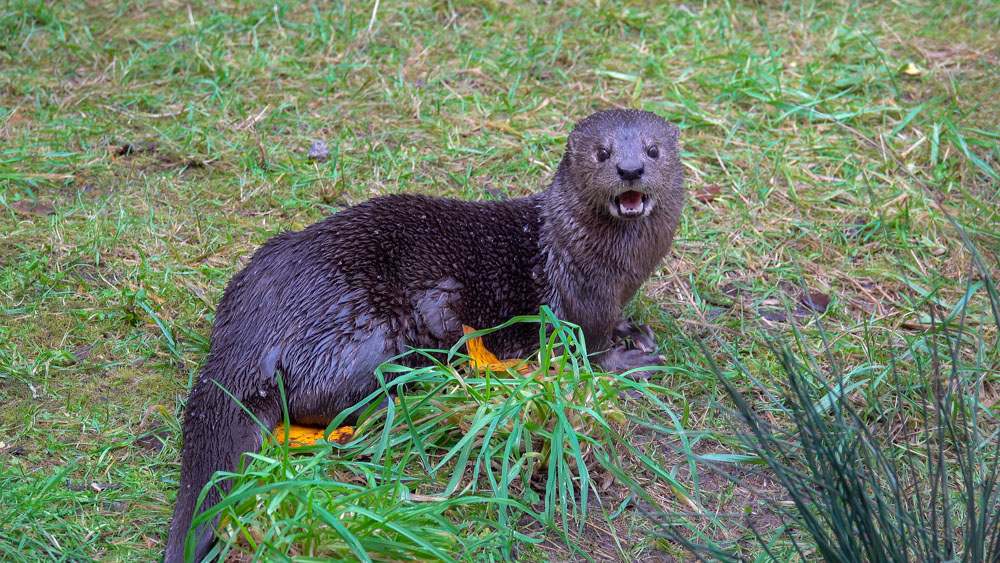
Spotted-necked otter. © Orgon Zoo / photo by Michael Durham

A sleek swimmer of West Africa’s rivers, gliding silently through the Tano’s waters in search of fish and peace

Contents
🔍 Quick Facts🌍 Distribution and HabitatIn the Tano River Basin, it may occur:🦦 Appearance🌿 Behavior and Diet🐣 Reproduction🧭 Ecological Importance⚠️ Conservation Concerns🌊 Why It Matters for the Tano River

🔍 Quick Facts

  • Common Name: Spotted-Necked Otter
  • Scientific Name: Hydrictis maculicollis
  • Family: Mustelidae (Otters, weasels, badgers)
  • IUCN Status: Near Threatened
  • Length: ~55–70 cm (excluding tail)
  • Tail: ~35–45 cm
  • Weight: ~4–7 kg
  • Activity: Diurnal, especially active at dawn and dusk
  • Habitat: Freshwater rivers, streams, lakes, and wetlands with clean water

🌍 Distribution and Habitat

The Spotted-Necked Otter is native to freshwater systems throughout sub-Saharan Africa, including:

  • Côte d’Ivoire, Ghana, Nigeria, DR Congo, Uganda, and Zambia

In the Tano River Basin, it may occur:

  • In quiet river stretches, lagoons, and marshes
  • In and around the Tanoé-Ehy wetland complex
  • Where fish are plentiful and human disturbance is minimal

Its presence is closely tied to water quality—it disappears quickly from polluted or overfished rivers.


🦦 Appearance

  • Fur: Brown with distinctive pale spots or blotches on the throat and neck
  • Build: Slender, streamlined body with strong webbed feet
  • Eyes and ears: Small and adapted for aquatic life
  • Tail: Thick and powerful, used like a rudder

It is one of the most graceful and playful aquatic mammals in Africa.


🌿 Behavior and Diet

  • Diet:
    • Mainly fish, but also crustaceans, frogs, and aquatic insects
  • Excellent diver: can stay underwater for up to 2 minutes
  • Forages alone or in small family groups
  • Dens in hollow logs, riverbanks, or under rocks

It is known for playful behavior—sliding on mudbanks, chasing fish, and leaping in the water.


🐣 Reproduction

  • Breeding can occur year-round in tropical climates
  • Gestation: ~2 months
  • Litter size: 1–3 pups
  • Young are born in a secure den and nursed for several months
  • Pups are taught to swim by the mother around 2–3 months of age

Family bonds are strong, and the group stays together while raising young.


🧭 Ecological Importance

Spotted-Necked Otters play vital roles in:

  • Controlling fish populations, maintaining river balance
  • Indicating ecosystem health—presence signals clean, healthy freshwater
  • Providing food for large predators, such as crocodiles or eagles

They help maintain the biodiversity and stability of aquatic ecosystems.


⚠️ Conservation Concerns

Although not yet endangered, the species faces growing threats:

  • 🧪 Water pollution, especially from mining and agricultural runoff
  • 🐟 Overfishing, leading to food shortages
  • 🌳 Destruction of riverine vegetation and wetland degradation
  • 🛶 Disturbance by humans, especially near dens and during breeding

It is particularly sensitive to any reduction in water quality or disturbance of riverbanks.


🌊 Why It Matters for the Tano River

The Spotted-Necked Otter is:

  • A flagship species for freshwater conservation
  • A sign of clean water and balanced aquatic life
  • A charismatic mammal that could become a symbol of river protection efforts

Its presence in the Tano River is a reminder of what’s at stake—and what can still be preserved.


🔗 Have you seen an otter or tracks along the riverbanks? Help us map otter sightings at [TanoRiver.com/submit]


Sign Up For Daily Newsletter

Be keep up! Get the latest breaking news delivered straight to your inbox.
By signing up, you agree to our Terms of Use and acknowledge the data practices in our Privacy Policy. You may unsubscribe at any time.
Share This Article
Facebook Email Copy Link Print
ByAlexandre Tano Kan Koffi
Follow:

✍️ About the Author

Alexandre Tano Kan Koffi is the founder of TanoRiver.com and a passionate advocate for Africa’s environmental and cultural heritage. Named after the Tano River, he honors his legacy through storytelling and conservation.
📧 Contact: alex [@] alexandrekoffi.com

Leave a Comment Leave a Comment

Leave a Reply Cancel reply

Your email address will not be published. Required fields are marked *

Receive latest news from all areas of Wildlife Animals

Our selection of the week's biggest research news and features sent directly to your inbox. Enter your email address, confirm you're happy to receive our emails.

HOT NEWS

The Rivers, Lakes & Lagoons Collective

The rivers in Ghana

April 10, 2026

🪷 Cultural Significance of the Tano River

May 5, 2026

✨ Spiritual and Historical Importance of the Tano River

February 13, 2026

📖 Indigenous Stories and Oral Traditions of the Tano River

May 9, 2026

Follow US: 

About us

  • 🌍 The Project / Get Involved
  • ✉️ Contact us
  • 💛 Donate
  • 🤝 Partnerships / Collaborate

TanoRiver.com

  • Terms and Conditions
  • Privacy Policy
  • Cookie Policy

Cookies Notice

We use our own and third-party cookies to improve our services, personalise your advertising and remember your preferences.
Welcome Back!

Sign in to your account

Username or Email Address
Password

Lost your password?
