



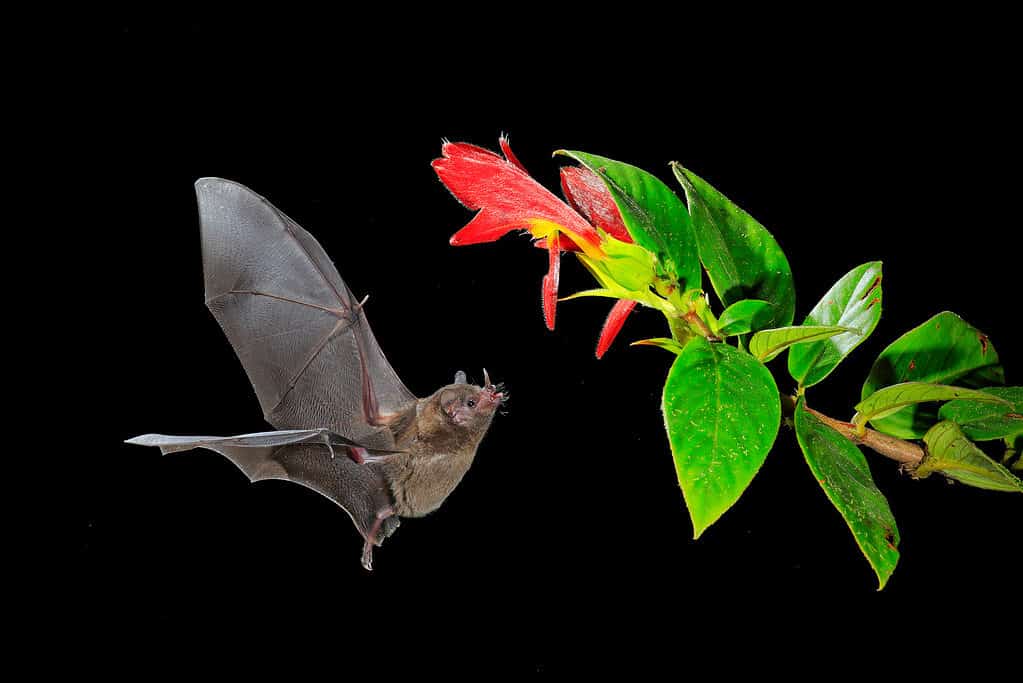
An unsung pollinator fluttering through the twilight forests of the Tano
🔎 Scientific Name: Hipposideros abae
Common name: Aba Roundleaf Bat
Family: Hipposideridae
IUCN Status: Least Concern
🌍 Distribution and Habitat
The Aba Roundleaf Bat is a species native to West and Central Africa, known for its preference for forest-savanna mosaics and moist lowland environments.
In the Tano River region, it is found:
- In and around the Tanoé-Ehy Forest Reserve
- Roosting in tree cavities, abandoned buildings, and occasionally in caves
- Foraging above the canopy, along riparian corridors, and over agricultural clearings
It plays an active role in forest edge ecosystems where wild fruit and insects are abundant.
🦇 Physical Description
- Size: Small to medium-sized bat
- Color: Dark brown to reddish-brown fur
- Distinctive feature: A large, complex leaf-shaped structure on the nose used for echolocation
- Wings: Broad and adapted for slow, maneuverable flight through forest understories
Its name “roundleaf” refers to the fleshy noseleaf that helps it emit focused echolocation calls.
🌿 Behavior and Ecology
- Nocturnal and insectivorous
- Feeds on moths, beetles, flies, and other small nocturnal insects
- Uses high-frequency echolocation to detect prey in complete darkness
Roosting:
- Roosts during the day in tree hollows, palm crowns, or abandoned buildings
- May form small colonies, but usually not very social compared to fruit bats
🪺 Reproduction
- Breeding patterns vary by region but often tied to the rainy season
- Females typically give birth to a single pup per year
- Young are weaned within weeks and learn to hunt shortly after
Parental care is crucial in the early stages, with the mother carrying the pup or leaving it in safe roosts.
🧭 Ecological Importance
- Natural pest control: Helps regulate insect populations, reducing crop damage and disease vectors
- Indicators of forest health: Bats are highly sensitive to changes in their environment
- Support pollination and seed dispersal (though Aba roundleaf bats are primarily insectivorous, they still contribute to ecosystem balance)
They are a vital yet often overlooked part of the Tano River’s biodiversity.
⚠️ Threats
Although classified as Least Concern, local populations face pressure from:
- Deforestation, especially for cocoa and palm plantations
- Loss of roosting trees and destruction of old buildings
- Pesticide use, which reduces their insect prey
- Negative perceptions and fear of bats, sometimes leading to persecution
The Aba roundleaf bat is often misunderstood despite its harmlessness and ecological value.
🌊 Why It Matters for the Tano River
The Aba Roundleaf Bat is:
- A guardian of the night sky, silently controlling insect populations
- A species that thrives when forests and farms coexist in harmony
- A reminder that even the smallest, quietest creatures help maintain the balance of the Tano Basin
It may never be seen, but its nightly flight is part of the river’s natural rhythm — a soft wingbeat in the dark.
🔗 Do you have bats roosting near your home or farm along the Tano? Share your stories or photos at [TanoRiver.com/submit]


