



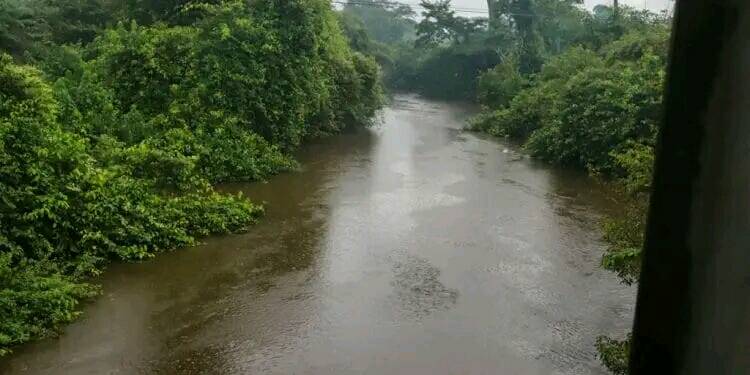
Executive Summary
The Tano River, a transboundary basin shared by Ghana and Côte d’Ivoire, stands as a critical ecological, economic, and cultural asset, sustaining millions of people and a rich array of biodiversity. Its pristine waters and lush ecosystems provide essential services, from potable water and agricultural irrigation to climate regulation and spiritual sustenance. However, this vital lifeline faces severe threats, primarily from widespread illegal mining, extensive habitat degradation driven by unsustainable land use, and the exacerbating impacts of climate change.
In response, a diverse coalition of “Guardians of the Tano” has emerged, comprising governmental bodies like the Water Resources Commission and its Tano Basin Board, non-governmental organizations such as THRESCOAL and Green Shepherd Ghana, and influential traditional authorities. These entities have achieved notable successes, including the establishment of forest reserves, the restoration of degraded riparian areas, the protection of endangered species like the pygmy hippopotamus, and the enactment of local environmental bye-laws. These achievements demonstrate the efficacy of integrated, community-based approaches and policy frameworks.
Despite these dedicated efforts, the scale of degradation, particularly from unchecked illegal mining and rapid land-use conversion, continues to pose formidable obstacles. The persistent challenges highlight a critical disjunction between comprehensive policy frameworks and their effective implementation, often compounded by socio-economic pressures and governance gaps. To secure the Tano River for future generations, a multi-faceted approach is imperative, focusing on rigorous enforcement, diversified sustainable livelihoods, enhanced integrated land and water management, targeted biodiversity protection, climate resilience building, and strengthened, inclusive governance that formally integrates traditional knowledge.
1. Introduction: The Tano River Basin – A Lifeline Under Threat
The Tano River, a principal component of Ghana’s southwestern river system, is a transboundary basin shared between Ghana and Côte d’Ivoire. Originating from the Boyem Mountain Ranges near Techiman, it flows southwestward for approximately 512 kilometers before discharging into the Ehy/Tano/Aby Lagoon complex, predominantly located within Côte d’Ivoire. The basin encompasses an area of about 16,060 square kilometers, with the vast majority (92.6% or 14,875 km²) situated within Ghana. This extensive geographical spread covers significant portions of Ghana’s Western North, Ahafo, Ashanti, Western, Bono, and Bono East Regions, traversing 29 administrative districts. The basin’s topography varies considerably, from highlands averaging 540 meters above sea level in the upstream areas to much flatter southern regions ranging between 0 and 15 meters. A well-developed drainage network includes the Tano River itself and nine major tributaries, such as the Boin, Disue, and Amama rivers, all contributing to the basin’s ecological and economic vitality.
1.1. Geographical and Ecological Significance
The Tano River basin is a vital ecological hub, characterized by its rich biodiversity and the essential ecosystem services it provides. The riparian ecosystem, in particular, is a haven for numerous species of international conservation concern. These include the Critically Endangered West African slender-snouted crocodile and hinge-backed tortoise, the Endangered White-bellied pangolin, and the Vulnerable West African dwarf crocodile and Senegal Flapshell turtle. The area also supports a diverse avian population, with 162 bird species recorded, alongside a variety of insects. Beyond these, the basin is a known habitat for the globally threatened Common Hippopotamus and is believed to harbor the last few individuals of the Critically Endangered Miss Waldron’s Red Colobus, one of the world’s most threatened primates.
The basin’s rich terrestrial and aquatic ecosystems deliver crucial services that underpin regional well-being. These services include reliable water supply, robust biodiversity support, and vital climate regulation. Forest cover, which accounts for approximately 50% of the basin’s total landmass, plays a significant role in sequestering carbon and regulating local climate patterns. The presence of several established forest reserves, such as Boin Tano, Tano Suraw, Tano Suhien, and Disue Forest Reserves, specifically protects river headwaters, underscoring their importance in maintaining natural water flow, filtration, and quality.
1.2. Socio-Economic and Cultural Importance
The Tano Basin is a cornerstone of livelihoods for millions, with its resources supporting a range of economic activities including agriculture, forestry, mining, tourism, and fisheries. The river serves as the primary source of drinking water for over 50,000 people across seven communities and is indispensable for agricultural irrigation, particularly during dry seasons, thereby sustaining the predominantly farming-based livelihoods in the region. Commercial farming of crops like cocoa and plantain is widespread throughout the basin. Furthermore, the basin is endowed with significant mineral resources, notably gold, which is extensively mined in areas such as Kenyase, Bibiani, and Sefwi-Surano.
Beyond its tangible economic contributions, the Tano River holds profound spiritual and cultural importance for the Akan and Ashanti people. It is personified as a sacred water spirit, Tano (also known as Tano Kwesi or Ta Kora), symbolizing the vital connection between humanity and the natural world, particularly the life-giving force of water. Tano is deeply associated with agriculture, fertility, and the sustenance of life, with people often seeking blessings for prosperity and abundance. This spiritual influence is woven into rituals, stories, and cultural traditions, making Tano a central figure in the spiritual life of the Akan. Traditional festivals dedicated to Tano celebrate the river’s essential role in agriculture and community well-being, serving as platforms for cultural expression and the strengthening of community ties. Notably, this spiritual reverence extends into contemporary environmental advocacy, where traditional knowledge reinforces the imperative to protect natural water sources, leading to initiatives aimed at preserving the river’s ecosystem.
The Tano River’s multifaceted importance—ecological, economic, and cultural—highlights its role as a nexus of interdependent values. The river’s ecological vitality, encompassing its rich biodiversity and crucial ecosystem services, is inextricably linked to the economic well-being of the local communities who rely on it for their livelihoods. Simultaneously, the profound cultural and spiritual significance of the river to the Akan and Ashanti people underscores a deep, intrinsic connection that can motivate conservation efforts. This interdependence means that any degradation in one area, such as pollution affecting water quality, inevitably cascades into impacts on public health, agricultural productivity, and even cultural practices. Therefore, effective conservation strategies must adopt a holistic, integrated approach that acknowledges and addresses these complex interdependencies, rather than treating them as isolated concerns. Furthermore, the explicit link between spiritual importance and modern environmental activism suggests that cultural heritage can serve as a powerful, inherent driver for conservation. By formally recognizing and empowering traditional authorities and integrating indigenous knowledge, conservation initiatives can tap into a wellspring of local commitment and traditional ecological practices, fostering a sense of shared guardianship that transcends purely scientific or economic arguments. This points towards a strategic opportunity for co-management models rooted in cultural reverence to enhance long-term sustainability.
2. Guardians of the Tano: Key Organizations and Individuals in Conservation
The conservation of the Tano River is a collaborative endeavor, drawing upon the expertise and dedication of various governmental bodies, non-governmental organizations, and traditional authorities, all working to protect this vital resource.
| Organization/Body Name | Type | Primary Focus Areas/Mandate | Key Activities (brief) |
| Water Resources Commission (WRC) | Governmental | Water Resource Regulation & Management, IWRM | National IWRM Plan development, River Basin Board establishment, Policy framework |
| Tano Basin Board | Inter-Agency Board | Coordinated Basin Management, Stakeholder Integration | Facilitates IWRM, integrates diverse interests (District Assemblies, EPA, FC, GWCL, NGOs, etc.) |
| Ghana Water Company Limited (GWCL) | Governmental | Water Supply & Distribution, Treatment | Operates dams for drinking water, river restoration post-pollution |
| Forestry Commission | Governmental | Forest Management, Biodiversity Protection | Establishes forest reserves, collaborates on reforestation |
| Environmental Protection Agency (EPA) | Governmental | Environmental Regulation, Biodiversity Conservation | Aligns goals with conservation, supports bye-law enforcement |
| Techiman Municipal Assembly | Local Government | Local Governance, Bye-Law Enforcement | Enacts and enforces local bye-laws for river protection |
| Threatened Species Conservation Alliance (THRESCOAL) | Local NGO | Riparian Restoration, Species Protection | Reforestation of degraded areas, conservation of endangered crocodiles/tortoises/pangolins |
| Green Shepherd Ghana (GSG) | Local NGO | Community Conservation, Species Protection, Sustainable Livelihoods | Pygmy hippopotamus conservation, community nurseries, eco-tourism development, alternative livelihoods |
| Friends of the Earth Ghana (FoE Ghana) | International NGO Affiliate | Environmental Advocacy, Public Awareness, Sustainable Resource Use | Campaigns against large-scale mining, climate change issues, community empowerment, mangrove restoration (other areas) |
| EcoCare Ghana | Local NGO | Biodiversity Conservation, Climate Resilience, Local Governance Support | Supports bye-law enactment, community-based tree planting, climate mitigation |
| Ghana Environmental Advocacy Group (GEAG) | Local NGO | Environmental Advocacy, Water Conservation, Waste Management | Awareness campaigns on illegal mining, river cleanups, lobbying for green policies, reforestation |
| Coalition of NGOs in Water and Sanitation (CONIWAS) | NGO Coalition | Water & Sanitation Advocacy, Collaboration | Representative on Tano Basin Board, promotes collaborative approaches |
| Akan & Ashanti Traditional Leaders | Traditional Authority | Cultural Preservation, Local Governance, Environmental Stewardship | Voice concerns, support bye-law enforcement, leverage spiritual significance for conservation |
Export to Sheets
2.1. Governmental and Inter-Agency Bodies
The Water Resources Commission (WRC) serves as Ghana’s principal governmental body mandated with the coordination, regulation, and management of the nation’s water resources, as stipulated by Act 522 of 1996. The WRC champions an Integrated Water Resources Management (IWRM) approach, which emphasizes a cross-sectoral and catchment-area-based strategy for water governance. A significant achievement of the WRC has been the development of a National IWRM Plan and the systematic establishment of River Basin Boards (RBBs) across the country, designed to function as key coordination and planning entities at the local level.
Central to the Tano River’s conservation efforts is the Tano Basin Board, which was formally constituted in December 2011 and inaugurated in 2012. This board is a cornerstone of the WRC’s decentralized IWRM initiatives, bringing together a diverse array of stakeholders. Its composition includes representatives from various District Assemblies (such as Asutifi, Techiman Municipal, Tano North, Aowin/Suaman, Jomoro, Ahafo Ano North, and Atwima Mponua), the Brong Ahafo Regional Coordinating Council, the Environmental Protection Agency (EPA), the Minerals Commission, the Ghana Water Company Limited (GWCL), the Ministry of Food and Agriculture, the Forestry Commission, and the Coalition of NGOs in Water and Sanitation (CONIWAS). This broad representation is designed to integrate varied interests and foster comprehensive cooperation in basin management.
The Ghana Water Company Limited (GWCL) plays a crucial role in public health and water supply. It operates dams along the Tano River, specifically at Tanoso, Sefwi Wiawso, and Elubo, to treat and distribute drinking water to over 2.4 million people residing in the Bono, Bono East, Ahafo, and Western Regions. The GWCL has also demonstrated its capacity for rapid response and rehabilitation, successfully restoring sections of the Tano River following an acute pollution incident.
The Forestry Commission is another key governmental actor, represented on the Tano Basin Board. Its mandate includes the establishment of vital forest reserves, such as Boin Tano, Tano Suraw, Tano Suhien, and Disue Forest Reserves, which are strategically located to protect the river’s headwaters. The Commission also collaborates with non-governmental organizations on broader environmental initiatives, including the national Green Ghana Program.
The Environmental Protection Agency (EPA), as a member of the Tano Basin Board, aligns its objectives with the conservation of biodiversity and the promotion of climate change mitigation and adaptation strategies. Its local representatives actively support the enforcement of environmental regulations.
At the local governance level, District Assemblies, exemplified by the Techiman Municipal Assembly, are actively engaged in conservation efforts. These local authorities have been instrumental in enacting and enforcing local bye-laws specifically designed to protect the Tano River and its ecosystem.
The establishment of the Water Resources Commission with its IWRM approach and the multi-stakeholder Tano Basin Board signifies a robust and integrated governance framework for water resource management. This indicates a strong policy foundation and a recognition of the need for coordinated action across various sectors and administrative levels. However, the continued pervasiveness of severe environmental challenges, such as widespread illegal mining and extensive habitat degradation, points to a significant disjunction. While the structural elements for integrated management are in place, there appear to be substantial gaps in implementation, enforcement capacity, political commitment, or resource allocation that prevent these frameworks from effectively curbing the most destructive activities. This suggests that the mere existence of comprehensive policies does not automatically translate into effective environmental protection on the ground; sustained action and overcoming practical barriers to enforcement are equally critical.
2.2. Non-Governmental Organizations (NGOs) and Community Initiatives
Several non-governmental organizations are at the forefront of conservation efforts in the Tano Basin, often working in close partnership with local communities.
The Threatened Species Conservation Alliance (THRESCOAL) is actively engaged in restoring the upstream section of the Tano River, focusing on a 50-kilometer stretch within the Bono East Region. Their work is specifically directed at rehabilitating critical riparian ecosystems and safeguarding endangered species, including the West African slender-snouted crocodile, the hinge-backed tortoise, and the White-bellied pangolin.
Green Shepherd Ghana (GSG), a local NGO, has collaborated with the Wildlife Division of the Forestry Commission on significant conservation projects. GSG’s initiatives center on community-based conservation efforts aimed at protecting endangered pygmy hippopotamus populations, enhancing bio-cultural diversity, and promoting sustainable land management practices within the Tano River basin. Their comprehensive approach includes biodiversity assessments, the establishment of community-managed wildlife sanctuaries, the rehabilitation of degraded riverine forests, the promotion of sustainable agricultural practices, and the development of eco-tourism initiatives.
Friends of the Earth Ghana (FoE Ghana), as the largest environmental organization in the country with over 15,000 members across approximately 300 local groups, is dedicated to addressing environmental issues and raising public awareness. Their mission is focused on the conservation and sustainable use of natural resources, with a particular emphasis on integrating environmental sustainability with gender equity. FoE Ghana actively supports community projects, campaigns against the negative impacts of large-scale mining, and engages in climate change advocacy. The organization also explores innovative approaches to ecosystem restoration, as evidenced by their work on drone technology for mangrove restoration in other Ghanaian lagoons.
EcoCare Ghana works directly with local government officials and traditional rulers, notably within the Techiman Municipal Assembly, to facilitate the enactment and enforcement of local bye-laws aimed at protecting the Tano River. This organization is also a partner in the European Union-funded Landscapes and Environmental Agility across the Nation (LEAN) project, which seeks to conserve biodiversity, enhance climate resilience, and reduce emissions from land-use changes across Ghana’s ecological zones.
The Ghana Environmental Advocacy Group (GEAG) champions environmental protection through a multi-pronged approach encompassing advocacy, conservation, and the promotion of sustainable practices. GEAG organizes awareness campaigns to highlight the long-term consequences of illegal mining, partners with authorities to support the enforcement of mining regulations, and actively promotes sustainable livelihood alternatives, such as eco-tourism and sustainable farming, to reduce reliance on destructive activities. Their work also extends to waste management, water conservation through cleanup events and lobbying for stronger regulations, deforestation prevention, environmental education, biodiversity conservation, and advocating for green policies.
The Coalition of NGOs in Water and Sanitation (CONIWAS), as a representative body on the Tano Basin Board, underscores the collaborative spirit in addressing water and sanitation challenges within the basin.
2.3. Traditional Authorities and Local Champions
Given the profound spiritual and cultural significance of the Tano River as a sacred deity in Akan and Ashanti mythology ,
traditional leaders play an indispensable role in its conservation. The Omanhene of Techiman Hansua, Nana Apenten Fosu II, has publicly expressed concern over the river’s deterioration and has called for widespread public sensitization regarding the newly enacted bye-laws to ensure the Tano River’s protection. Traditional knowledge systems inherently emphasize the necessity of protecting natural water sources, and this cultural perspective actively influences contemporary environmental advocacy.
Local communities residing along the Tano River are both direct beneficiaries and crucial stewards of the river. Their active involvement is paramount to the success of conservation projects. This is exemplified by THRESCOAL’s collaborative work with local stakeholders , Green Shepherd Ghana’s community-managed initiatives , and EcoCare Ghana’s engagement with community-based organizations. These initiatives often involve training local farmers and youth in alternative livelihoods and sustainable conservation practices, fostering a sense of ownership and direct participation in the river’s future.
The strong cultural and spiritual ties of the Akan and Ashanti people to the Tano River, personified as a deity, are explicitly noted as influencing modern environmental activism. Furthermore, traditional rulers are actively engaging with local government to enact bye-laws to protect the river. This demonstrates a powerful, deeply rooted, and locally legitimate mechanism for conservation. The full potential for sustainable conservation may reside in a more deliberate and formalized integration of these traditional governance structures and indigenous knowledge systems into the broader Integrated Water Resources Management framework. Such integration could significantly enhance local ownership, improve compliance with environmental regulations, and ensure long-term sustainability, particularly in areas where formal enforcement mechanisms may be weak or where cultural values provide a stronger deterrent against destructive practices than legal penalties alone.
3. Conservation Successes: A Beacon of Hope
Despite the formidable challenges, dedicated efforts by various guardians of the Tano River have led to notable successes, demonstrating the tangible potential for positive environmental change and community empowerment.
| Initiative/Project Name | Lead Organization(s) | Specific Successes/Outcomes | Funding/Support (if specified) |
| Forest Reserves Establishment | Forestry Commission, WRC | Protection of headwaters for Boin Tano, Tano Suraw, Tano Suhien, Disue Rivers | Government of Ghana |
| Restoring a Critical Riparian Ecosystem in Ghana | THRESCOAL | >30 hectares replanted, monitoring for full restoration (goal: 350 ha) | Prince Bernard Nature Conservation Fund, Rufford Foundation, Whitley Fund for Nature |
| Community Conservation Efforts (Pygmy Hippos) | Green Shepherd Ghana (GSG) | 5 community nurseries established, 1,550 seedlings planted, 2 acres for mango plantation, 20 youth trained in bamboo craft, 110 bee hive farmers trained, 50 grass cutter farmers trained, 50 plantain sucker farmers trained, 10 community environmental education fora, 33 Project Management Committees strengthened, community bye-laws enacted, 13 hippo platforms erected, trails constructed at sanctuary | UNDP Global Environmental Facility (SGP) |
| Tano River Restoration (Sulfuric Acid Spill) | Ghana Water Company Limited (GWCL) | Poisoned river section restored to natural state | Not specified |
| Integrated Water Resources Management (IWRM) Plan | Water Resources Commission (WRC) | National IWRM Plan developed and operational, decentralized IWRM initiatives for Tano Basin | European Union |
| Tano Basin Board Establishment | Water Resources Commission (WRC) | Board formally constituted (Dec 2011) and inaugurated (2012) with multi-stakeholder representation | Not specified |
| Techiman Municipal Assembly Bye-Laws | Techiman Municipal Assembly, EcoCare Ghana, Traditional Rulers | Enactment and passing of new bye-laws designating 100ft protected buffer zone, restricting agriculture/settlement/water pumping | European Union (LEAN project for EcoCare Ghana support) |
Export to Sheets
3.1. Habitat Restoration and Protection Initiatives
A foundational success has been the strategic establishment of forest reserves dedicated to protecting the critical headwaters of the Tano River and its tributaries. These include the Boin Tano Forest Reserve, safeguarding the headwaters of the River Boin; the Tano Suraw Forest Reserve for the River Suraw; the Tano Suhien Forest Reserve for the River Suhien; and the Disue Forest Reserve for the River Disue. These reserves are crucial for regulating freshwater supply and maintaining the overall quality of the river system.
In terms of active rehabilitation, the Threatened Species Conservation Alliance (THRESCOAL) has made significant strides in restoring degraded riparian areas. Over the past three years, THRESCOAL has successfully replanted more than 30 hectares of degraded land within the upstream section of the Tano River in the Bono East Region. Their ambitious long-term objective is to restore at least 350 hectares of this vital ecosystem. Complementing these efforts,
Green Shepherd Ghana has also reported the planting of 1,550 seedlings along degraded sections of the Tano River as part of their broader rehabilitation programs.
Furthermore, the Ghana Water Company Limited (GWCL) demonstrated effective emergency response and rehabilitation capabilities by successfully restoring sections of the Tano River that had been poisoned by a sulfuric acid truck spill in January 2020, returning the affected areas to their natural state.
3.2. Biodiversity Safeguarding Efforts
Dedicated initiatives have been launched to protect the Tano Basin’s unique and threatened biodiversity. Green Shepherd Ghana (GSG), in collaboration with the Wildlife Division of the Forestry Commission, has been instrumental in the conservation of the endangered pygmy hippopotamus within the Tano River basin. Their work involves the systematic collection of baseline data on population status and trends, the identification of suitable habitats and wildlife corridors, and the establishment of a community-managed Hippopotamus Sanctuary.
Similarly, THRESCOAL’s programs are specifically designed to address the conservation needs of Critically Endangered species found in the Tano riparian ecosystem, such as the West African slender-snouted crocodile and the hinge-backed tortoise, as well as the Endangered White-bellied pangolin.
3.3. Community Empowerment and Sustainable Livelihoods Programs
A key aspect of successful conservation has been the integration of community empowerment and the promotion of sustainable livelihoods. Green Shepherd Ghana’s projects have actively facilitated alternative economic opportunities for local communities, aiming to reduce their reliance on environmentally damaging activities. These initiatives include training 20 unemployed youth in bamboo craft making, equipping 110 bee hive farmers, supporting 50 grass cutter farmers, and training 50 farmers in plantain sucker multiplication. Additionally, five community nurseries have been established to support reforestation efforts.
Extensive community sensitization workshops focused on environmental education have been conducted, fostering greater awareness and understanding of conservation principles. To enhance local governance and participation, Project Management Committees (PMCs) have been strengthened, and community-level rules and regulations, including bye-laws pertaining to environmental protection, have been enacted. Green Shepherd Ghana has also undertaken valuable work in documenting indigenous knowledge related to wildlife and resource management, and has successfully identified practical solutions to mitigate human-hippo conflicts. Furthermore, efforts are underway to develop community-managed eco-tourism packages, including the construction and maintenance of trails at the Tano River Hippopotamus Sanctuary, providing a sustainable economic incentive for conservation.
3.4. Policy Development and Enforcement Milestones
Significant progress has been made in establishing foundational policy frameworks for the Tano River. The Water Resources Commission (WRC) has successfully developed and initiated the implementation of a National Integrated Water Resources Management (IWRM) Plan, which incorporates decentralized IWRM initiatives specifically tailored for the Tano Basin. This plan provides a comprehensive strategic framework for addressing the basin’s complex challenges.
A critical institutional milestone was the formal constitution of the Tano Basin Board in December 2011, followed by its inauguration in 2012. This multi-stakeholder body brings together diverse governmental, non-governmental, and community representatives to ensure coordinated management of the river’s resources.
At the local level, the Techiman Municipal Assembly, with crucial support from EcoCare Ghana and the engagement of traditional rulers, has successfully enacted and passed new bye-laws specifically designed to protect the Tano River. These progressive laws designate a protected zone of 100 feet from the riverbanks, prohibiting human activities such as agriculture and settlement construction within this buffer. They also restrict the pumping of water from the river during dry spells. This represents a significant step forward in local governance and enforcement, demonstrating a commitment to safeguarding the river at a grassroots level.
The various successes, such as hectares replanted by THRESCOAL, seedlings planted by Green Shepherd Ghana, specific species protection efforts, and the enactment of local bye-laws, provide concrete evidence of effective conservation interventions. While these achievements are commendable and vital, particularly when viewed against the backdrop of pervasive degradation (e.g., “over 80% of the riparian vegetation… converted into farms” , “illegal mining is widespread” ), they currently represent localized victories or proof-of-concept initiatives rather than a systemic reversal of basin-wide degradation. This indicates that these successes demonstrate what is achievable with concerted effort and dedicated funding, but they also highlight the immense scale-up required to achieve comprehensive ecological recovery across the entire basin. They serve as valuable models for replication, underscoring the necessity for significantly greater investment and broader, sustained implementation to address the full scope of the challenges.
Furthermore, several of these successes are directly attributable to integrated community engagement and alternative livelihood programs. Initiatives like training in bamboo craft, beekeeping, grass cutter farming, and plantain multiplication directly address the socio-economic pressures that frequently drive environmental degradation. The establishment of community nurseries and the enactment of community bye-laws further exemplify local ownership and direct participation. These integrated approaches, which combine ecological restoration with socio-economic development and local governance, prove particularly effective because they address the underlying causes of environmental problems by providing sustainable alternatives and fostering a deep sense of stewardship among the direct users of the river. This suggests that future conservation strategies should prioritize and significantly expand such holistic, community-centric models, acknowledging that sustainable environmental outcomes are inextricably linked to sustainable livelihoods and local empowerment.
4. Challenges to Conservation: Uphill Battles
Despite the dedicated efforts of various stakeholders, the Tano River Basin faces formidable and interconnected challenges that severely threaten its ecological integrity, biodiversity, and the well-being of the communities reliant on it.
| Challenge Category | Specific Challenge/Source | Key Impacts/Consequences | Relevant Citations |
| Pollution | Illegal Mining (Galamsey) | Widespread water pollution, direct riverbed mining, mining residue flow, heavy metal contamination (Hg, Cd, Pb, Cu, As, Zn, Cr), reduced fish populations, public health risks (waterborne diseases, carcinogenic risk from arsenic) | |
| Domestic & Industrial Discharges | Water pollution, exacerbates waterborne disease outbreaks | ||
| Improper Waste Management/Inadequate Sanitation | Water pollution, frequent outbreaks of waterborne diseases (cholera, typhoid, dysentery) | ||
| Accidental Spills | Acute pollution risks (e.g., sulfuric acid truck spill) | ||
| Habitat Degradation | Riparian Vegetation Loss | Over 80% converted to farms, remaining patches threatened, direct habitat destruction | |
| Deforestation & Land Use Change | Conversion of dense forest to open forest, then settlement/cropland; rapid decline in forest cover (298.4 km²/yr), increase in cropland (24.8 km²/yr) and settlement (1.5 km²/yr); altered ecosystem, reduced carbon sequestration | ||
| Logging & Cocoa Farming | Direct impact on natural ecosystem, further habitat degradation within forest reserves | ||
| Water Weeds Proliferation (e.g., Water Hyacinth) | Blocks water bodies, disrupts native ecosystems, impacts aquatic life, destroys farm produce, increases travel time for farmers, abandonment of farms | ||
| Biodiversity Threats | Direct Habitat Loss | Destruction of critical habitats for endangered species (crocodiles, pangolins, hippos, red colobus) | |
| Water Pollution Impacts | Direct toxicity to aquatic life, reduced fish populations, health risks to species reliant on river | ||
| Human-Wildlife Conflict/Persecution | Decline in crocodile populations (habitat loss, hunting, negative perceptions), lack of knowledge on pygmy hippo distribution/status | ||
| Climate Change | Dual Extremes (Floods & Droughts) | Recurrent flooding (>10% annual chance), intermittent droughts, reduced water volume, increased pollutant concentration during droughts, contamination of drinking water during floods | |
| Ecosystem Vulnerability | Threats to tourist attractions (Ankasa Resource Reserve), cultural heritage sites, forest elephant populations | ||
| Impact on Livelihoods | Affects water availability for irrigation, impacts farming communities | ||
| Socio-Economic/Governance | Livelihood Dependence vs. Conservation | Strong community reliance on river leads to pressure from unsustainable practices (farming, mining) | |
| Poverty & Lack of Alternatives | Drives environmentally damaging activities, limits adoption of sustainable practices | ||
| Inadequate Enforcement of Regulations | Persistence of illegal mining and riparian conversion despite existing policies and bye-laws | ||
| Governance Gaps for Indigenous Knowledge | Non-existing bye-laws or legislative instruments to support enforcement of indigenous knowledge | ||
| Lack of Baseline Data | Hinders effective conservation planning and early warning systems for species like pygmy hippos | ||
| Public Health Infrastructure | Inadequate WASH infrastructure exacerbates water pollution impacts, leading to disease outbreaks |
4.1. Pollution: The Scourge of Illegal Mining and Waste Management
Pollution represents one of the most devastating threats to the Tano River. Illegal mining, locally known as “galamsey,” is identified as a widespread and primary contributor to severe water pollution throughout the basin. Investigative teams have documented mining operations occurring directly on the riverbed, with mining residue flowing unimpeded into the river. These activities frequently violate established mining regulations, which typically require a 50-meter buffer zone from water bodies. The severe nature of this problem is underscored by the observation that fish movement has ceased in some polluted areas, leading to a significant reduction in fish populations.
The consequences of illegal mining are far-reaching, leading to pervasive heavy metal contamination. Studies have detected elevated levels of mercury (Hg), cadmium (Cd), lead (Pb), copper (Cu), arsenic (As), zinc (Zn), and chromium (Cr) in the river water, sediment, and the muscle tissue of fish. Of particular concern is arsenic, which has been found to pose a carcinogenic risk through the drinking pathway. This situation transforms illegal mining from a mere environmental offense into a complex socio-environmental and public health crisis. The fact that the government is “renewing its fight” against irresponsible mining suggests that previous efforts have been insufficient, pointing to deep-rooted socio-economic drivers and potential weaknesses in governance and enforcement. Effective solutions must therefore be holistic, addressing not only environmental remediation and law enforcement but also poverty alleviation and the creation of alternative livelihoods to break the cycle of environmental destruction driven by economic desperation.
Beyond mining, pollution also originates from domestic and industrial discharges into the Tano River and its tributaries. Furthermore,
improper waste disposal and inadequate sanitation significantly exacerbate water pollution, directly contributing to the frequent outbreaks of waterborne diseases such as cholera, typhoid, and dysentery in communities reliant on the river. The problem is compounded by seasonal variations: during droughts, reduced water volume leads to increased concentrations of pollutants in stagnant waters, which then contaminate drinking water sources when subsequent floods occur. Accidental spills, such as a sulfuric acid truck plunging into the Tano River, represent acute pollution risks that require immediate and effective response.
4.2. Habitat Degradation and Unsustainable Land Use Practices
Extensive habitat degradation driven by unsustainable land use practices poses another critical threat to the Tano Basin. A significant challenge is the widespread loss of riparian vegetation. Over 80% of the riparian vegetation in the upstream section of the Tano River has been converted into agricultural farms, leaving the remaining forest patches under severe threat. This conversion directly impacts the river’s health and its ability to support biodiversity.
Analysis of land use and land cover (LULC) changes reveals a rapid and systemic transformation of the basin’s landscape. Between 1986 and 2020, there was a substantial conversion of dense forest to open forest, and subsequently to settlements and cropland. During this period, dense forest cover decreased at an alarming rate of 298.4 square kilometers per year, while open forest also declined by 173.9 square kilometers per year. Concurrently, cropland expanded significantly at a rate of 24.8 square kilometers per year, and settlement areas increased by 1.5 square kilometers per year. This rapid transformation is primarily driven by anthropogenic factors, including deforestation, agricultural intensification, and rapid urbanization.
The impacts of logging and timber harvesting have also profoundly affected the natural ecosystem within the forest belt. Furthermore, extensive
cocoa farming is practiced even within designated forest reserves, contributing to ongoing habitat degradation. The sheer scale of this land-use change, with dense forest declining by nearly 300 km²/year while agricultural and urban areas expand, indicates that current conservation efforts, though valuable, are struggling against a much larger, economically driven tide of land conversion. This implies that effective conservation requires not just localized restoration but fundamental shifts in land-use planning, agricultural practices, and the enforcement of land tenure and environmental regulations across the entire basin, supported by robust monitoring to track these changes.
An additional challenge is the proliferation of invasive water weeds, particularly water hyacinth, in the Tano/Aby/Ehy lagoon complex and along a 25-kilometer stretch of the river from its confluence with the lagoon. This invasive species physically blocks water bodies, leading to significant economic and ecological problems. It negatively impacts smallholder farming by destroying farm produce and increasing the time and effort required for farmers to access their lands, sometimes even leading to the abandonment of farms. The presence of such invasive species is often a symptom of altered ecosystem health, exacerbated by factors like agricultural runoff.
4.3. Threats to Biodiversity and Ecosystem Health
The cumulative effects of pollution and habitat degradation pose severe threats to the Tano River’s rich biodiversity and overall ecosystem health. Direct habitat loss is a primary concern, as the widespread conversion of riparian vegetation to farms and extensive deforestation directly eliminate critical living spaces for the basin’s diverse wildlife. This includes endangered species such as crocodiles, pangolins, and hippos. The presence of the Critically Endangered Miss Waldron’s Red Colobus in the forest between the river and Ehy Lagoon, an area slated for logging by Unilever for oil palm plantations, underscores the immediate threat to unique species.
Water pollution impacts aquatic life directly. Heavy metal contamination from mining and other pollutants poison the aquatic environment, leading to a reduction in fish populations and posing health risks to all species that rely on the river for sustenance. The observed cessation of fish movement in polluted areas vividly illustrates this impact.
Furthermore, human-wildlife conflict and persecution contribute to species decline. Crocodile populations in Ghana are experiencing rapid declines due to anthropogenic pressures, including habitat loss, direct hunting, and negative perceptions held by local communities. For the pygmy hippopotamus, conservation efforts are hampered by a fundamental lack of comprehensive knowledge regarding its distribution, population status, and ecology, which impedes effective conservation planning and the establishment of early warning systems. The proliferation of invasive species like water hyacinth further disrupts native aquatic ecosystems and impacts the life forms within them.
The threats to biodiversity are not isolated but form a complex, interconnected web. Habitat loss, stemming from agricultural expansion, logging, and urban development, directly impacts a wide array of species. This is compounded by severe water pollution from illegal mining and inadequate waste management, which poisons aquatic ecosystems and affects species across all trophic levels. Additionally, direct human pressures, such as hunting and negative perceptions towards certain animals, further exacerbate species decline. This indicates that biodiversity loss in the Tano Basin is a cumulative outcome of these interwoven environmental and anthropogenic pressures. Consequently, effective conservation requires integrated strategies that address all these facets simultaneously, moving beyond single-species or single-threat interventions towards holistic, ecosystem-based management that accounts for the complex interactions between different forms of degradation.
4.4. Climate Change Impacts and Water Resource Stress
Climate change acts as a significant threat multiplier, intensifying existing vulnerabilities within the Tano Basin. The region experiences a paradoxical climate reality, characterized by both recurrent flooding and intermittent droughts. There is a greater than 10% annual chance of flooding due to extremely high rainfall events. Conversely, intermittent droughts affect the Tano catchment, leading to reduced water volume.
These dual extremes create a dangerous feedback loop. During droughts, the reduced water volume concentrates pollutants, which then become a source of contamination for drinking water sources during subsequent flood events. This exacerbates public health risks and places additional stress on already compromised water resources. The impacts of climate change also extend to the basin’s broader ecosystem, posing threats to notable tourist attractions like the Ankasa Resource Reserve, cultural heritage sites, and the significant population of forest elephants. Furthermore, the intermittent droughts directly impact the livelihoods of farming communities who depend solely on the Tano River for irrigation, particularly during dry seasons, affecting agricultural productivity and food security.
The Tano Basin’s experience with both recurrent floods and intermittent droughts highlights how climate extremes intensify existing environmental problems. This creates a dangerous feedback loop where environmental degradation, such as deforestation and pollution, diminishes the ecosystem’s natural resilience to climate variability. In turn, climate change intensifies the impacts of these existing problems, making them more severe and complex. This underscores the urgent necessity for climate adaptation and resilience-building measures to be fully integrated into all conservation and water management strategies for the Tano Basin. A healthy, resilient ecosystem is inherently better equipped to absorb and recover from climate shocks, making climate action an integral part of comprehensive conservation.
4.5. Socio-Economic Pressures and Governance Gaps
Underlying many of the environmental challenges are significant socio-economic pressures and governance gaps. The strong dependence of local communities on the Tano River for drinking water, irrigation, and other livelihoods creates direct pressure on natural resources. This is clearly evidenced by the extensive conversion of riparian vegetation into farms and the widespread practice of illegal mining.
While some alternative livelihood programs have been initiated , the persistent prevalence of environmentally damaging activities suggests that
poverty and a lack of viable, widespread economic alternatives continue to drive unsustainable practices. Economic necessity often compels communities to engage in activities that degrade the environment.
Despite the existence of a robust institutional framework, including the Water Resources Commission, the Tano Basin Board, and even local bye-laws ,
inadequate enforcement of regulations remains a critical issue. Illegal mining continues to be widespread , and riparian areas are still being converted. This points to significant challenges in effective enforcement, monitoring, or the political commitment required to implement regulations consistently.
A notable governance gap pertains to the integration of indigenous knowledge. A study revealed that indigenous institutions face challenges due to “non-existing bye-laws or legislative instrument to support the enforcement of indigenous knowledge” in water resource management. This represents a missed opportunity to formally integrate and empower traditional practices and governance structures that could significantly contribute to conservation efforts, particularly given the deep cultural reverence for the Tano River.
Furthermore, the conservation of species like the pygmy hippopotamus is hindered by a fundamental lack of baseline data regarding its distribution, population status, and ecology. This data deficiency impedes effective conservation planning and the development of robust early warning systems. Finally,
inadequate water, sanitation, and hygiene (WASH) infrastructure exacerbates the public health impacts of water pollution, leading to frequent outbreaks of waterborne diseases.
The pervasive nature of illegal mining and extensive agricultural conversion directly correlates with the strong dependence of local communities on the river for their livelihoods. This indicates that economic necessity, often linked to poverty, is a primary driver of unsustainable practices. Despite the existence of formal governance structures like the WRC and the Basin Board, and even local bye-laws, these destructive activities persist, suggesting significant gaps in enforcement capacity, political commitment, or resource allocation for monitoring and compliance. Moreover, the identified lack of formal legislative support for indigenous knowledge represents a missed opportunity to leverage traditional, locally legitimate governance mechanisms. This complex interplay signifies that effective conservation for the Tano River cannot solely rely on environmental regulations. It must fundamentally address the socio-economic drivers of degradation through sustainable livelihood development, while simultaneously strengthening and integrating both formal and traditional governance structures to ensure robust enforcement and genuine community buy-in. This presents a complex adaptive challenge requiring multi-sectoral and multi-level interventions.
5. Recommendations for Enhanced Conservation
Based on the comprehensive analysis of the Tano River Basin’s ecological, socio-economic, and cultural significance, its conservation successes, and the formidable challenges it faces, a multi-faceted and integrated approach is essential to safeguard this vital resource for future generations.
- Strengthen and Scale Up Enforcement Against Illegal Mining: It is imperative to implement robust and sustained enforcement operations against illegal mining activities (galamsey). This requires ensuring strict penalties for offenders, consistent confiscation of illegal mining equipment, and the dismantling of supply chains that support these operations. Enhanced surveillance, potentially utilizing advanced technologies such as drones and satellite monitoring, is crucial for real-time detection and deterrence of illegal activities. Furthermore, addressing potential corruption or complicity within enforcement agencies is paramount to ensuring accountability and the effectiveness of anti-mining efforts.
- Promote and Diversify Sustainable Livelihoods: A fundamental strategy must involve significantly expanding and adequately funding alternative livelihood programs. These programs, which include initiatives like bamboo crafts, beekeeping, sustainable agriculture, and eco-tourism, are vital for reducing economic dependence on environmentally destructive practices such as illegal mining and extensive riparian farming. Providing comprehensive training, necessary resources, and reliable market access for communities adopting sustainable practices will be key to their success. Integrating poverty reduction strategies directly into conservation projects, as exemplified by existing UNDP-supported approaches, will ensure that environmental protection is intrinsically linked to improved community well-being.
- Enhance Integrated Water and Land Use Management: Rigorous implementation and enforcement of the Integrated Water Resources Management (IWRM) Plan for the Tano Basin are critical. This requires ensuring that all stakeholders represented on the Tano Basin Board are actively engaged, empowered, and held accountable for their roles. Developing and strictly enforcing comprehensive land-use plans that protect riparian buffer zones and critical forest areas from agricultural expansion and unauthorized settlement is essential. Furthermore, investing in and promoting sustainable agricultural practices, such as agroforestry and organic farming, will minimize environmental impact and protect soil health across the basin.
- Invest in Biodiversity Protection and Research: Increased funding and dedicated support are necessary for species-specific conservation efforts, particularly for critically endangered species like the pygmy hippopotamus and various crocodile species. Prioritizing baseline data collection and comprehensive ecological research is crucial to better understand species distribution, population dynamics, and specific habitat requirements, thereby enabling more targeted and effective conservation planning. Implementing strategies to mitigate human-wildlife conflicts through extensive education and community engagement will also be vital for long-term species survival.
- Address Climate Change Impacts and Build Resilience: Climate change adaptation and resilience-building measures must be fully integrated into all water and land management strategies, acknowledging the dual threats of recurrent floods and intermittent droughts. Promoting large-scale reforestation and robust forest protection efforts will enhance carbon sequestration and significantly improve the ecosystem’s natural resilience to climate variability. Developing and deploying effective early warning systems for floods and droughts, alongside implementing innovative water harvesting and storage solutions, will help communities cope with extreme weather events.
- Strengthen Governance and Community Participation: Formalizing the role of traditional authorities and integrating indigenous knowledge into water resource management through appropriate legislative instruments and co-management agreements is a powerful, yet underutilized, avenue for conservation. Empowering local communities through extensive capacity building, ongoing environmental education, and genuine participatory decision-making processes will foster stronger stewardship. Additionally, improving and expanding water, sanitation, and hygiene (WASH) infrastructure is fundamental to reducing public health risks associated with water pollution, thereby improving community health and reducing pressure on the river.
- Foster Collaborative Partnerships and Funding: Encouraging greater collaboration and synergy among governmental agencies, non-governmental organizations, traditional leaders, and local communities is paramount to ensuring a coordinated and comprehensive approach to conservation. This collaborative framework will facilitate knowledge sharing, resource optimization, and more effective implementation of projects. Simultaneously, seeking increased international funding and developing new partnerships are crucial to support large-scale restoration efforts, expand sustainable livelihood programs, and build institutional capacity across all levels of governance and community engagement.
6. Conclusion: Sustaining the Tano for Future Generations
The Tano River, a lifeline for millions and a repository of rich biodiversity and profound cultural heritage, confronts an existential threat from pervasive pollution, extensive habitat degradation, and the intensifying impacts of climate change. While the collective efforts of the “Guardians of the Tano”—ranging from governmental bodies and diverse non-governmental organizations to influential traditional authorities and local communities—have yielded important successes in localized restoration, targeted biodiversity protection, and the development of crucial policy frameworks, these achievements are currently outpaced by the sheer scale and complexity of the challenges. The deep-seated issues of illegal mining, unsustainable land use driven by socio-economic pressures, and existing governance gaps indicate that comprehensive, basin-wide ecological recovery remains an uphill battle.
The analysis underscores that the Tano River’s ecological vitality, economic significance, and cultural reverence are inextricably linked. Degradation in one area inevitably cascades into impacts on others, creating a complex adaptive challenge. The persistence of destructive activities, despite the existence of robust policy frameworks, highlights a critical disjunction between policy and effective implementation, often rooted in socio-economic vulnerabilities and enforcement limitations. Conversely, the successes observed, particularly those integrating community-based approaches and alternative livelihoods, demonstrate the profound efficacy of addressing the root causes of environmental problems by fostering local ownership and providing sustainable economic alternatives. Furthermore, the strong cultural ties to the river present a powerful, yet still underutilized, lever for conservation, suggesting that formal integration of traditional governance and indigenous knowledge could significantly bolster long-term sustainability.
The path forward demands a strategic and sustained shift: one that fully integrates environmental conservation with socio-economic development, formalizes and empowers traditional knowledge systems, strengthens enforcement mechanisms to curb illicit activities, and proactively builds climate resilience across the entire basin. By fostering genuine collaboration among all stakeholders, investing significantly in sustainable livelihoods that reduce pressure on natural resources, and upholding the shared responsibility for this sacred and vital resource, the Tano River can be protected and restored. This comprehensive and integrated approach is not merely an environmental imperative but a socio-economic and cultural necessity, ensuring the life-giving flow of the Tano River for generations to come.


