




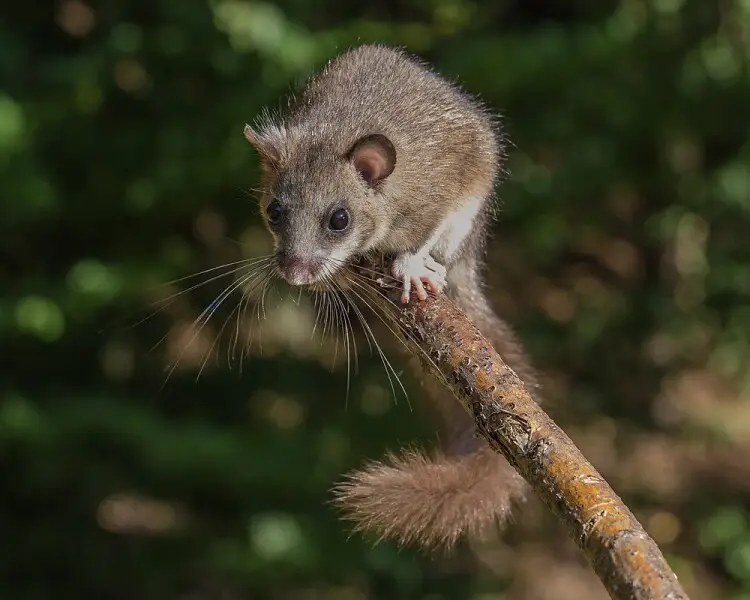
A secretive climber of the West African forests, asleep by day, agile by night
Contents
🔍 Quick Facts
- Common Name: Lorrain Dormouse
- Scientific Name: Graphiurus lorraineus
- Family: Gliridae (Dormice)
- IUCN Status: Least Concern
- Size: ~10–13 cm (body), tail almost equal in length
- Habitat: Moist forests, secondary woodlands, riparian zones
🌍 Distribution and Habitat
The Lorrain Dormouse is native to West and Central Africa, including:
- Ghana, Côte d’Ivoire, Sierra Leone, Liberia, Nigeria, and the Congo Basin
In the Tano River region, it inhabits:
- Tanoé-Ehy Swamp Forest
- Riverine forests and tree hollows near wetlands and cocoa farms
- Prefers areas with dense canopy, abundant vines, and leaf litter
It is nocturnal and arboreal, making it difficult to spot.
🐿 Description and Behavior
- Fur: Soft, grey to brown upperparts with lighter underparts
- Tail: Fluffy and often bushy — helps with balance in trees
- Eyes: Large and dark, adapted for night vision
- Ears: Rounded and alert
Behavior:
- Nocturnal and primarily tree-dwelling
- Forages for fruits, insects, seeds, and occasionally small invertebrates
- Builds nests in tree cavities, fallen logs, or dense vines
Known for its hibernation-like torpor, especially during dry or cold periods.
🪺 Reproduction
- Breeding occurs during the rainy season
- Nests are lined with leaves and fibers
- Produces 2–5 young per litter, cared for in tree hollows or nest boxes
🧭 Ecological Role
- Helps with seed dispersal and pollination
- Prey for raptors, snakes, and carnivorous mammals
- Indicator of healthy forest ecosystems, especially near river systems
It serves as a bridge species between forest canopy and understory.
⚠️ Threats
Although not endangered, the Lorrain Dormouse faces:
- ❌ Deforestation and habitat fragmentation
- ❌ Loss of old trees, which reduces nesting sites
- ❌ Fires and pesticides in nearby agriculture
Their sensitivity to habitat change makes them a key bioindicator.
🌊 Why It Matters for the Tano River
The Lorrain Dormouse is:
- A symbol of forest health and continuity
- One of the least studied mammals in the region
- A gentle presence in the branches above the river, living quietly but playing its part
Where the Tano flows through forest shadows, this dormouse moves in silence — a soft guardian of the treetops.
🔗 Have you seen or heard stories of tree-dwelling rodents near your village? Share your observations at [TanoRiver.com/submit]


