



Executive Summary
The Tano River, a critical transboundary watercourse shared by Ghana and Côte d’Ivoire, flows into the Aby Lagoon complex, a significant estuarine system. This report meticulously details how widespread anthropogenic activities within the Tano River basin, particularly illegal mining (“galamsey”), extensive agricultural practices, and industrial discharges, are severely compromising the ecological health and socio-economic functions of the entire Tano-Aby hydrological system.
The findings reveal a dire situation:
- Pollution Sources: Illegal mining introduces highly toxic heavy metals such as mercury, cyanide, arsenic, and cadmium. Agricultural runoff contributes persistent pesticides and excessive nutrients. Industrial effluents add a diverse range of heavy metals and chemical pollutants.
- Water Quality Degradation: The Aby Lagoon exhibits alarming levels of turbidity, heavy metal contamination (e.g., mercury, cadmium, lead), and nutrient enrichment leading to severe eutrophication, hypoxia, and compromised water quality. These conditions fall significantly below international standards for domestic use and the protection of aquatic life.
- Biodiversity Collapse: The cascading effects of pollution result in significant degradation of aquatic flora, including seagrass loss, proliferation of harmful algal blooms, and the appearance of invasive species. This leads to drastic declines in fish and shellfish populations due to direct toxicity, habitat loss, and oxygen depletion. Furthermore, resident and migratory bird species are adversely affected through food web disruption and habitat contamination.
- Human Health Crisis: Local communities face direct exposure risks from consuming contaminated water and seafood, leading to increased prevalence of waterborne diseases and chronic health issues from heavy metal bioaccumulation. Children and other vulnerable populations are disproportionately affected. Livelihoods dependent on fishing and agriculture are severely impacted, exacerbating food insecurity and economic instability.
The interconnected and transboundary nature of these challenges necessitates urgent, multi-stakeholder, and transboundary interventions. These must include stringent regulatory enforcement, promotion of sustainable practices, and comprehensive ecosystem restoration efforts to safeguard this critical West African ecosystem and the health of its dependent populations.
1. Introduction: The Tano-Aby Hydrological System
1.1. Geographical and Hydrological Overview
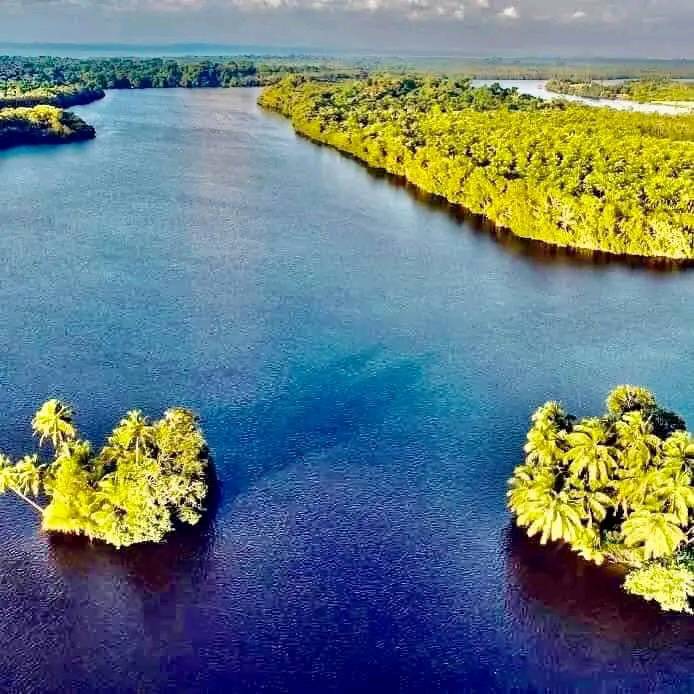
The Tano-Aby system represents a vital and complex hydrological network in West Africa, spanning across Ghana and Côte d’Ivoire. The Tano River, the primary fluvial input to this system, stretches approximately 400 to 512 kilometers in length, originating from the Boyem Mountain Ranges near Techiman or the Pooyem Forest in Ghana. As it flows southwestward, the river forms the final few kilometers of the international land boundary between Ghana and Côte d’Ivoire before its ultimate discharge into the extensive Ehy/Tano/Aby Lagoon complex.
The Tano Basin itself is a significant transboundary river basin, encompassing an area of approximately 16,060 square kilometers. A substantial portion, about 92.6% (14,875 km²), lies within Ghana, with the remaining 7.4% (1,185 km²) extending into Côte d’Ivoire. This basin is characterized by a well-developed drainage network, including the main Tano River and nine major tributaries, contributing to a drainage density of 0.032 km²/km.
The Aby Lagoon complex, into which the Tano River ultimately flows, is the second largest lagoon in Ivory Coast, covering an expansive area of 424 square kilometers with a mean depth of 3.5 meters and a volume of 1.57 cubic kilometers. The Tano River specifically discharges into the Tendo Lagoon, which is an integral section of the larger Aby complex. The entire complex maintains a crucial connection to the Atlantic Ocean through shallow channels located between the Ehotilé Islands at Assinie-Mafia.
The region’s climate is defined by a wet semi-equatorial zone, experiencing two distinct rainy seasons from May to July and October to November, with an average annual rainfall of about 2,000 mm. This rainfall pattern significantly influences the lagoon’s salinity, which peaks in March and April. Notably, the areas near the river mouths, including the Tano’s discharge point into Tendo Lagoon, retain a freshwater character throughout the year, distinguishing them from the more saline southern parts of the main Aby Lagoon.
1.2. Ecological and Socio-economic Importance
The Tano Basin and the Aby Lagoon complex are not merely geographical features; they are ecologically and economically vital regions that underpin the livelihoods of millions. The Tano Basin provides a diverse array of terrestrial and aquatic ecosystems, offering essential services such as clean water, food, and energy. These ecosystems play a critical role in regulating freshwater supply through natural flow, filtration, and water quality maintenance. Millions of people within the basin depend on its resources for agriculture, forestry, mining, tourism, and fisheries. The Tano River itself serves as a major source of domestic water supply, drawing from both surface and groundwater, for communities in the Ashanti and Brong-Ahafo Regions of Ghana.
Lagoon ecosystems, like the Aby complex, are recognized as global hotspots for biodiversity. They provide critical homes for a wide array of species, including fish, various bird species (both resident and migratory), and a multitude of tiny creatures thriving within their intricate food webs. These coastal lagoons offer vital ecosystem services that extend beyond their immediate boundaries, benefiting society in a wider spatial and historical context. These services encompass supporting functions (e.g., habitat provision), regulating functions (e.g., water quality regulation), provisioning services (e.g., food, water), and cultural services (e.g., recreation, tourism).
1.3. Purpose and Scope of the Report
This report aims to provide a detailed analysis of the types of pollution originating in the Tano River basin—specifically illegal mining, agricultural runoff, and industrial waste—and to comprehensively assess their specific effects on the Aby Lagoon’s water quality, biodiversity, and human health. The findings presented herein are intended to inform policy and management strategies for the sustainable protection and restoration of this critical transboundary ecosystem.
A notable characteristic of the Tano-Aby system is the persistent freshwater influence at the Tano River’s entry point into the Tendo Lagoon, which remains fresh throughout the year despite the overall lagoon’s varying salinity. This hydrological dynamic creates a distinct localized freshwater plume of pollution within the lagoon complex. Pollutants, particularly heavy metals and persistent organic compounds, exhibit different behaviors in freshwater versus saline environments, affecting their solubility, flocculation, adsorption to particles, and deposition rates. The introduction of these contaminants in a freshwater matrix before significant mixing with more saline waters occurs means that initial chemical reactions and biological uptake of pollutants might differ significantly from those in the more saline, open lagoon areas. This can lead to the formation of specific areas of initial impact or transformation of pollutants, potentially affecting freshwater-tolerant species or influencing the immediate deposition of certain contaminants near the river mouth. Consequently, effective monitoring and remediation strategies must explicitly account for these dynamic freshwater-saline interface processes and their localized effects to accurately assess and mitigate environmental harm.
2. Pollution Originating in the Tano River Basin
The Tano River, a lifeline for communities and ecosystems, is increasingly burdened by a confluence of anthropogenic pollution sources originating within its vast basin. These sources, primarily illegal mining, agricultural runoff, and industrial waste, introduce a complex cocktail of contaminants that degrade the river’s quality and are subsequently transported downstream to the Aby Lagoon.
2.1. Illegal Mining (“Galamsey”)
Illegal small-scale gold mining, locally known as “galamsey,” is a pervasive environmental and public health crisis in Ghana. These operations are characterized by rudimentary extraction methods, often involving direct excavation on riverbeds and a severe lack of government oversight and regulation. The primary concern stems from the uninhibited use of highly toxic substances in the gold extraction process. Miners frequently employ mercury for gold amalgamation, and cyanide for dissolving gold from ore, alongside other hazardous compounds like arsenic and cadmium.
The visible impacts of galamsey on the Tano River’s water quality are stark. What was once a clear watercourse has been transformed into a “brown and murky” river, “clogged with sediment and poisoned by toxic chemicals,” bearing little resemblance to its natural state. Measurements taken near Elubo revealed turbidity levels more than 100 times higher than the accepted standard for drinking water, a condition largely attributed to irresponsible mining practices. Furthermore, studies indicate that mercury pollution in galamsey-impacted rivers can exceed the World Health Organization (WHO) guidelines by a factor of ten. Beyond chemical contamination, illegal mining activities lead to severe siltation of the topsoil in water bodies. This siltation not only depletes water volumes but also disrupts the natural flow of rivers, exacerbating flooding and reducing the power generation capacity of hydro facilities.
The degradation observed in the Tano River highlights a profound environmental challenge stemming from galamsey: the dual threat of siltation and chemical toxicity. These two forms of pollution are not isolated problems but act synergistically, intensifying the overall degradation of the ecosystem. The severe siltation, evidenced by the high turbidity, significantly reduces light penetration into the water column. This diminished light negatively impacts aquatic plants and primary producers, which are fundamental to the aquatic food web. Concurrently, the fine sediments introduced by galamsey provide a vast surface area for the adsorption of heavy metals and other chemical pollutants. This adsorption facilitates the transport of these contaminants downstream, where they eventually settle and accumulate in the lagoon’s sediments, acting as long-term reservoirs of pollution. The subsequent disturbance of these contaminated sediments, whether by natural currents, floods, or human activities like dredging, can lead to the re-release of trapped chemicals, creating a persistent secondary source of contamination even if direct mining inputs are curtailed. This interconnected impact makes comprehensive remediation significantly more complex, as addressing one aspect without considering the other may yield incomplete or short-lived improvements.
Moreover, galamsey functions as a catalyst for broader environmental and socio-economic collapse. The broad implications of galamsey extend far beyond localized water pollution, encompassing “environment degradation,” “rural livelihood impoverishment,” “deforestation,” “social-economic disorder,” “ecological imbalance,” “ravaged agricultural productivity,” and threats to “food and water security”. Additional consequences include “habitat destruction,” “soil degradation,” and “biodiversity loss”. These impacts describe a comprehensive breakdown of ecological and societal systems. The environmental degradation, such as deforestation, soil erosion, and water pollution, directly undermines the natural capital that supports local livelihoods. As agricultural land becomes unproductive and water sources are contaminated, communities face severe food and water insecurity, often pushing them into desperate economic situations. This desperation can, in turn, lead more individuals to engage in illegal mining, creating a vicious feedback loop where socio-economic vulnerability perpetuates environmental destruction. Therefore, effective solutions must be holistic, addressing not only the direct pollution but also the underlying governance failures, providing sustainable economic alternatives, and implementing robust community-based education programs to break this destructive cycle.
2.2. Agricultural Runoff
The Tano Basin is characterized by a high percentage of arable land, with extensive commercial farming of crops such as cocoa, plantain, and other commercial and food crops. To maximize yields and control pests, these agricultural activities rely heavily on the widespread use of pesticides and fertilizers. The overuse and misapplication of these agrochemicals have significant negative environmental impacts, particularly on water resources.
Studies conducted on the Tano River have consistently detected measurable levels of various pesticide residues. These include HCH isomers, aldrin, dieldrin, endrin, chlordane isomers, DDT and its metabolites, and heptachlor isomers. A critical finding is that specific organochlorine pesticides (OCPs) such as aldrin (0.474 pg/L), dieldrin (0.147 pg/L), endrin (0.842 pg/L), heptachlor (0.814 pg/L), and cis-heptachlor epoxide (0.658 pg/L) were found to exceed the World Health Organization (WHO) guideline values for drinking water in the Tano River, posing a direct threat to both human and aquatic life within the watershed. The presence of these residues is particularly concerning given that OCPs have been banned in Ghana since 1986, suggesting potential illegal use or persistence in the environment.
The concentrations of pesticide residues exhibit significant seasonal variations, being notably higher in water and sediment samples collected during the rainy season compared to the dry season. This phenomenon is directly attributed to increased rain-induced runoff, which transports these chemicals from agricultural fields into the streams and rivers. For instance, in the Tono stream (a related study, not Tano River directly), average peak levels of endosulfan (0.04 µg L−1) and chlorpyrifos (0.02 µg L−1) were observed in stream water during the wet season, with corresponding levels in streambed sediment. Beyond chemical contaminants, agricultural runoff also introduces substantial amounts of soil, organic matter, manure, and fertilizers into streams and rivers, which increases stream discharge and alters overall water quality.
The influence of rainfall patterns on pollutant concentrations and transport is a critical aspect of the seasonal dynamics of pollutant transport in the Tano Basin. The significant increase in pesticide residues and other agricultural contaminants in the Tano River during the rainy season underscores the direct link between precipitation events and the mobilization of pollutants from land-based activities into aquatic ecosystems. During heavy rainfall, surface runoff intensifies, carrying dislodged soil particles, dissolved agrochemicals, and other organic matter from agricultural fields into the river system. This phenomenon means that the Tano River and, by extension, the Aby Lagoon, experience periodic “flushes” of concentrated pollution, rather than a constant, steady input. These episodic high-concentration events can have acute toxic effects on aquatic life, overwhelm the natural assimilative capacity of the water body, and contribute disproportionately to the overall pollutant load in the lagoon’s sediments. Understanding these seasonal dynamics is crucial for developing effective monitoring programs and targeted mitigation strategies, such as implementing buffer zones or improving agricultural best practices during periods of high rainfall vulnerability.
Furthermore, the introduction of excessive nutrients from agricultural runoff triggers eutrophication, a cascade of ecological disruption. Eutrophication is defined as the over-enrichment of water bodies with nutrients, primarily nitrogen and phosphorus, leading to excessive plant and algae growth. These nutrients originate from agricultural fertilizers, livestock waste, and other sources. The process begins with an overabundance of algae and aquatic plants, forming algal blooms. These blooms reduce water clarity and block sunlight, causing submerged plants to die. When the large algal blooms eventually die, bacterial decomposers consume vast amounts of dissolved oxygen during their decomposition, leading to hypoxic (low oxygen) or anoxic (no oxygen) conditions. This oxygen depletion is lethal to fish and other aquatic organisms, creating “dead zones”. The decomposition process also releases significant amounts of carbon dioxide, which can lower the pH of the water, contributing to ocean acidification, particularly harmful in vulnerable coastal regions like estuaries. The accumulation of organic matter from these blooms further exacerbates the problem by releasing phosphorus from sediments, sustaining the eutrophic state even if external nutrient inputs are reduced. This complex interplay of nutrient loading, algal growth, oxygen depletion, and acidification profoundly alters the ecosystem’s biogeochemical cycles and severely diminishes its ability to support diverse aquatic life and provide essential ecosystem services.
2.3. Industrial Waste
Industrial activities along the Tano River basin also contribute significantly to its pollution burden. The Tano River is impacted by the discharge of industrial waste and chemical effluents. While comprehensive details on all specific industries are not always available, studies indicate that anthropogenic sources of heavy metals and metalloids in freshwater bodies include discharges from industries involved in producing dyes, wood preservation, leather tanning, chrome plating, and alloys. Other identified activities contributing to pollution within the basin include food processing companies, cottage soap making industries (with effluent discharge), and waste discharge from hospitals and healthcare facilities. Commercial activities, such as the Techiman central market, and associated enterprises like abattoirs, automechanic shops, metal fabricating shops, and car washing bays, also contribute to metal concentration peaks and general waste. Additionally, the Ankobra-Tano Basin is noted for mining activities (gold, bauxite), with specific mention of Newmont Mining Company prospecting for gold downstream. Untreated industrial wastes, including toxicants like polychlorinated biphenyls (PCBs) and heated wastewater, are also general concerns for river contamination.
The observed impacts on the Tano River’s water quality from industrial waste are significant. Studies have revealed elevated levels of heavy metals and metalloids in the experimental sites of the Tano Basin compared to control sites with minimal anthropogenic activity. These include arsenic (0.014 mg/L), mercury (0.051 mg/L), cadmium (0.056 mg/L), zinc (0.166 mg/L), chromium (0.299 mg/L), and lead (0.428 mg/L). While some physico-chemical parameters like total alkalinity, total iron, ammonia, and phosphate fluctuate, others such as pH, fluoride, nitrite, manganese, and temperature were found to be outside regulatory safe limits. The Tano River’s turbidity, particularly near Elubo, was measured at more than 100 times the accepted standard for drinking water, with irresponsible mining being a major contributor. The presence of these pollutants indicates a serious threat to human health and aquatic life.
The persistent threat of heavy metals from industrial and other anthropogenic sources is a critical concern for the Tano-Aby system. Heavy metals are non-biodegradable and tend to accumulate in aquatic environments, particularly in sediments, which act as long-term reservoirs. Less than 1% of heavy metal pollutants entering water bodies remain dissolved in the water column; the vast majority, over 99%, become trapped in the sediment. This accumulation means that even if direct discharges are reduced, the contaminated sediments can continue to release these toxic elements into the water column under favorable environmental conditions, degrading water quality over extended periods. Furthermore, heavy metals such as mercury, cadmium, lead, and arsenic are known to biomagnify, increasing in concentration as they move up the aquatic food chain, ultimately posing severe health risks to humans who consume contaminated fish and shellfish. This inherent persistence and bioaccumulative potential make heavy metal pollution a long-term challenge that requires sustained monitoring and remediation efforts.
The issue is further compounded by urbanization and industrialization, which act as compounding pressures on the Tano-Aby system. The increasing population density and the expansion of industrial and commercial activities along the Tano Basin over decades have significantly intensified the pollution stress on the river. This growth leads to increased discharges of domestic, industrial, and urban wastewaters into the watercourse, whether intentional or accidental. The concentration of nearly 60% of Côte d’Ivoire’s industries around the Ebrié Lagoon (a comparable system) illustrates how industrial development can contribute substantially to environmental degradation. This expansion not only introduces a greater volume and variety of pollutants but also alters land use patterns, reducing natural buffers and increasing runoff into water bodies. The combined effect of population growth and industrial expansion creates a complex web of interconnected stressors, making comprehensive water quality management and pollution control increasingly challenging and urgent.
3. Pollutant Transport and Accumulation in Aby Lagoon
The hydrological connection between the Tano River and the Aby Lagoon complex is the primary conduit for the downstream transport of pollutants, leading to their accumulation within the lagoon’s ecosystem.
3.1. Hydrological Connectivity and Transport Mechanisms
The Tano River’s direct discharge into the Tendo Lagoon, which is an integral part of the larger Aby Lagoon complex, establishes it as a major vector for the introduction of pollutants from its basin into the lagoon system. The Tano River’s watershed, estimated at about 16,074 km², with an average flow of 142 m³/s, ensures a continuous and substantial influx of water and its carried contaminants into the lagoon.
Pollutants transported from the Tano River basin, particularly heavy metals, exist in various forms. While a small fraction (less than 1%) remains dissolved in the water column, the majority are transported as an integral part of suspended sediments. These suspended particles, known as seston, have a high surface area-to-volume ratio, allowing them to adsorb trace metals dissolved in the water column, thus acting as a key mechanism for metal transport and bioavailability.
Seasonal variations play a crucial role in the distribution and remobilization of pollutants within the lagoon system. Mercury concentrations, for instance, were found to be significantly higher in the dry season compared to the rainy season in the bays of Tendo and Aby lagoons. This seasonal difference is attributed to greater pollutant distribution during the rainy season due to higher river flow and subsequent remobilization of bottom sediments during the dry season, likely due to factors like reduced water volume and increased resuspension.
A significant factor contributing to pollutant accumulation in the Aby Lagoon is the limited exchange between the lagoon and the open sea. The shrinkage of the Assinie pass, the primary outflow channel to the Atlantic Ocean, restricts the flushing capacity of the lagoon. This reduced water circulation leads to longer residence times for pollutants within the lagoon system, allowing them more time to settle, accumulate, and undergo biogeochemical transformations. Consequently, contaminants that enter the lagoon are not efficiently flushed out, leading to their progressive build-up and intensifying their impacts on water quality, sediments, and aquatic life.
3.2. Accumulation in Lagoon Sediments
Lagoon sediments serve as critical long-term reservoirs for pollutants, particularly heavy metals. Studies indicate that over 99% of heavy metals entering water bodies can become trapped in the sediment, with less than 1% remaining dissolved in the water column. This phenomenon is observed in the Aby Lagoon complex, where significant mercury accumulation has been detected in the sediments of both Tendo and Aby lagoons.
Detailed analysis of sediment samples from 25 stations across the Tendo and Aby lagoons revealed mean mercury concentrations of 0.89 ± 0.26 mg·kg−1 for Tendo lagoon and 0.70 ± 0.18 mg·kg−1 for Aby lagoon. During the dry season, mercury concentrations in the bays were even higher, reaching 1.38 ± 0.45 mg·kg−1 in Tendo lagoon bays and 1.07 ± 0.31 mg·kg−1 in Aby lagoon bays. The overall range of total mercury concentrations across all stations was found to be between 0.04 and 3.56 mg·kg−1. These levels significantly exceed the standard concentration of 0.04 mg·kg−1 recommended by INERIS, indicating substantial contamination. The highest concentrations were particularly noted in the sediment bays of Tendo and Aby north lagoons, which are under the influence of the Tanoe and Bia rivers, respectively, both known for gold mining activities.
Beyond mercury, other heavy metals have also been identified in lagoon sediments. For instance, studies on similar lagoon systems have shown high concentrations of nickel (71.8-1568 µg/g), lead (0.5-27.10 µg/g), and chromium (190-26328 µg/g) in sediments, posing a potential health risk to humans and the aquatic life of the ecosystem. The enrichment of metals like cadmium and lead in sediments is often attributed to anthropogenic origins. The capacity of sediments to store these non-biodegradable pollutants means that they can be released back into the water column under changing environmental conditions, creating a persistent source of contamination that affects the entire ecosystem and the organisms within it.
4. Effects on Aby Lagoon’s Water Quality
The influx of pollutants from the Tano River significantly degrades the water quality of the Aby Lagoon, affecting its physico-chemical characteristics, increasing heavy metal contamination, and leading to severe eutrophication and hypoxia.
4.1. Physico-chemical Parameters
The water quality of the Aby Lagoon system exhibits notable variations and concerning levels across several physico-chemical parameters. Turbidity, a measure of suspended material in water, is particularly high, especially in upstream sections where the Tano River enters the lagoon. While some readings for Total Suspended Solids (TSS) in the lagoon have been reported as low (mean 28.7 mg/L, within tolerable bounds of 50 mg/L), high TSS concentrations were observed near farms and communities, indicating significant silt influx. This suggests localized impacts from land-based activities.
Other parameters like pH, salinity, and temperature show fluctuations across seasons and locations. The lagoon’s salinity varies with rainfall, peaking in March and April, while areas near river mouths remain fresh. Average temperatures range from 27.72°C to 30.73°C, and pH values typically fall between 7.12 and 7.87. Studies on the Tano River itself have indicated that parameters such as pH, fluoride, nitrite, manganese, and temperature were not within regulatory safe limits, and these conditions can influence the quality of the receiving lagoon waters. The variation in water quality parameters between wet and dry seasons is statistically significant, except for phosphate loads, which may be largely contributed by year-round municipal waste discharges.
Overall, an evaluation of the Canadian Council of Ministers of the Environment (CCME) Water Quality Index (WQI) for sampling stations in the Aby Lagoon revealed that all stations showed “marginal” water quality. This marginal status falls short of the target water quality range recommended by the Water Resources Commission (WRC) of Ghana for domestic use and the protection of aquatic life. This indicates a systemic degradation that compromises the lagoon’s suitability for human use and ecological health.
4.2. Heavy Metal Contamination
The Aby Lagoon is subject to significant heavy metal contamination, with these pollutants present in both the water column and, more predominantly, in the seston and sediments. Heavy metals are not naturally eliminated from ecosystems and tend to accumulate over time.
Studies on lagoons influenced by gold mining activities, such as Tendo and Aby, have evaluated mercury levels in sediments, showing mean concentrations of 0.89 ± 0.26 mg·kg−1 and 0.70 ± 0.18 mg·kg−1, respectively, with maximum total Hg concentrations reaching 3.56 mg·kg−1. These levels exceed recommended standards. While specific comprehensive data for the Aby Lagoon’s water column heavy metal concentrations are less detailed in the provided materials, studies on similar coastal lagoons have reported mean water concentrations of metals (in mg L−1) such as mercury (0.01-0.30), cadmium (0.02-0.26), lead (2.40-4.80), copper (9.05-9.68), and zinc (12.05-19.87). In some cases, cadmium concentrations have exceeded WHO thresholds by over 500% in the water column during the rainy season, while mercury and lead also exceeded criteria for the protection of marine aquatic life.
The metal concentrations in seston (particulate matter) are notably higher than in the water column, sometimes up to four times greater. This emphasizes the crucial role of particulate matter in metal transport and bioavailability within the lagoon system. The strong association between metals and seston indicates continued contamination and potential risks to aquatic ecosystems, as seston is a primary support of the food web. The dynamics of heavy metals movement between environmental matrices (sediment and water) create a continuous cycle of absorption and release, where trace elements released into the water column bioaccumulate in aquatic sediments in greater proportion. This persistent presence and cycling of toxic metals pose a long-term threat to the lagoon’s health and its biological inhabitants.
4.3. Eutrophication and Hypoxia
Eutrophication, the over-enrichment of water by nutrients such as nitrogen and phosphorus, is a leading cause of water quality impairment in the Aby Lagoon, as in many coastal systems. These excessive nutrient loads primarily originate from agricultural runoff (fertilizers, manure), sewage, and industrial waste. The Aby Lagoon system receives substantial nutrient inputs from upstream, with high nitrogen and phosphorus concentrations reported in its bays.
The process of eutrophication sets off a detrimental chain reaction within the ecosystem. It begins with the excessive growth of phytoplankton, microalgae, and macroalgae, forming extensive algal blooms. These blooms reduce water clarity and block sunlight, leading to the death of submerged aquatic vegetation. When the massive algal and plant matter eventually decomposes, bacterial decomposers consume large amounts of dissolved oxygen, creating hypoxic (low oxygen) or anoxic (no oxygen) conditions. This oxygen depletion can lead to widespread fish kills and the formation of “dead zones”. The decomposition also releases significant amounts of carbon dioxide, which lowers the pH of the seawater, a process known as ocean acidification. Acidification further inhibits the growth of fish and shellfish and can prevent shell formation in bivalve mollusks. The accumulation of organic matter in lagoon sediments from these blooms can also lead to the internal release of phosphorus, sustaining the eutrophic state even if external nutrient loads are reduced. This complex interplay of factors profoundly alters the lagoon’s biogeochemical cycles, leading to a state of ecological imbalance and impaired water quality, making it unsuitable for bathing activities according to WHO standards in comparable lagoon systems.
5. Effects on Aby Lagoon’s Biodiversity
The pollution originating from the Tano River basin and accumulating in the Aby Lagoon has profound and detrimental effects on the lagoon’s rich biodiversity, impacting aquatic flora, fish and shellfish populations, and migratory and resident bird species.
5.1. Aquatic Flora Degradation
The excessive nutrient loads and high turbidity in the Aby Lagoon directly contribute to the degradation of its aquatic flora. Eutrophication, driven by nutrient inputs, leads to the overgrowth of algae and other aquatic plants, forming dense algal blooms. These blooms significantly reduce water clarity and light penetration, which is critical for the survival of submerged aquatic vegetation like seagrass beds. Seagrass beds are vital habitats for fish and invertebrates, and their severe reduction or elimination due to pollution disrupts the entire ecosystem.
The overgrowth of algae and the subsequent decomposition also lead to oxygen depletion, which further stresses aquatic plants. While some aquatic plants might initially benefit from increased nutrients, the long-term effects of eutrophication often result in plant death, particularly for species like cordgrass in salt marshes and mangroves, which allocate less energy to root growth when nutrients are abundant, making them more vulnerable to erosion and environmental stressors. The degradation of these foundational plant communities alters the entire food web structure, impacting all trophic levels.
In addition to native flora degradation, pollution can also lead to the appearance of invasive aquatic plants. These invasive species can outcompete native ones, further altering the habitat and ecological balance. The loss of critical habitats such as mangroves, marshes, and seagrass meadows, which are essential for many types of plants and animals, directly undermines the lagoon’s biodiversity.
5.2. Fish and Shellfish Populations
Fish and shellfish populations in the Aby Lagoon are severely impacted by the deteriorating water quality. The influx of pollutants, particularly heavy metals and pesticides, coupled with the effects of eutrophication, leads to a significant decline in both fish abundance and species richness. Low dissolved oxygen levels, a direct consequence of eutrophication, are lethal to many aquatic organisms and are a major cause of fish kills. Changes in pH and the presence of toxic chemicals further render freshwater habitats unfavorable for natural communities of micro and macro organisms, including fish.
A major concern is the bioaccumulation and biomagnification of heavy metals in fish tissues. Fish absorb heavy metals directly from the water through their skin and gills, and from their diet, leading to their progressive and irreversible accumulation in various organs. This accumulation can cause severe health problems in fish, including damage to reproduction, growth, development, and immune responses. For example, higher concentrations of cadmium above 0.5 mg/kg in fish can alter carbohydrate and protein metabolism. Studies have specifically shown that
Sarotherodon melanotheron, a commercially important tilapia species in the Aby Lagoon, bioaccumulates heavy metals like cadmium, with concentrations potentially higher in muscles than gills in some cases. The levels of chromium, arsenic, and mercury in fish muscles from the Tano Basin have been reported to exceed acceptable limits, posing a direct risk to consumers.
Shellfish populations are also highly vulnerable. Eutrophication and the associated low oxygen conditions can decimate bivalve mollusk populations (e.g., oysters, clams, scallops), which naturally filter pollutants from the water. The presence of toxins from harmful algal blooms, which can accumulate in shellfish, poses a severe risk, as these biotoxins are not destroyed by cooking and can cause illness or death in humans. The decline in fish and shellfish populations directly impacts commercial and recreational fisheries, leading to reduced catches and significant economic losses for local communities.
5.3. Migratory and Resident Bird Species
Bird populations, both resident and migratory, are significantly affected by the pollution in the Aby Lagoon. Globally, bird populations are in decline, with habitat loss, environmental degradation, and toxic pesticides identified as major threats. Within the Tano-Aby system, pollution exacerbates these issues.
Plastic pollution, including microplastics and abandoned fishing gear, poses a direct threat to birds. Birds can mistake floating plastic fragments for food, leading to lethal ingestion, and can become entangled in debris, resulting in injury or drowning. Studies have shown high concentrations of microfibers and microplastics in protected areas for migratory birds, indicating a risk to these species. It is estimated that around 14% of globally threatened bird species are threatened by pollution.
The disruption of food webs due to pollution and habitat degradation has far-reaching consequences for bird species. New research indicates that parasite levels in polluted lagoon systems are significantly lower than in comparable healthy ecosystems, suggesting a disrupted food web and a less resilient ecosystem. This disruption can lead to declines in meso-predators, which are crucial components of the food chain that birds rely on.
While artificial lagoons or wetlands created near mining sites might initially appear to provide habitat for bird species, experts warn that these waters can still be contaminated with heavy metals. These metals can travel through the local food chain, accumulating in microorganisms, then fish, and ultimately in birds that prey on them, posing a risk of chronic toxicity. The long-term effects of such bioaccumulation on bird health, reproduction, and overall population viability are a serious concern. The overall degradation of the lagoon’s natural estuarine habitats, including mangroves and salt marshes, further reduces safe refuge and foraging grounds for over 100 species of birds, including raptors, migratory songbirds, wading birds, and shorebirds that utilize these areas for food and refuge.
6. Effects on Human Health
The severe pollution in the Tano-Aby system presents substantial and multifaceted risks to human health, directly impacting local communities through contaminated water sources and seafood, and indirectly through socio-economic disruptions.
6.1. Contaminated Water and Waterborne Diseases
Local communities residing along the Tano River and Aby Lagoon are at significant public health risk as they often rely on these water bodies for drinking, cooking, and bathing. The water is contaminated by toxic chemicals from illegal mining (mercury, cyanide, arsenic) and industrial waste, as well as pathogens from untreated sewage, open defecation, and agricultural runoff.
The presence of pathogens such as bacteria (e.g., Escherichia coli, coliforms), viruses (e.g., norovirus), protozoans (e.g., Cryptosporidium parvum, Giardia lamblia), and parasitic worms (e.g., Schistosoma type) in wastewater and contaminated surface waters is a major concern. High coliform levels, indicative of human and animal waste, have been reported in similar lagoon systems, signaling that untreated sewage is entering the water. In one illegal mining community, 70% of households relied on surface water, and 100% used bushes or fields as their primary toilet facility, highlighting severe sanitation challenges and direct exposure pathways.
Exposure to these contaminants leads to an increased prevalence of waterborne diseases. Common illnesses associated with swimming in polluted water include gastroenteritis, which can manifest with symptoms such as nausea, vomiting, stomachache, diarrhea, headache, or fever. More serious diseases like typhoid fever, hepatitis, and cholera are also linked to water pollution. Children, the elderly, and individuals with weakened immune systems are particularly vulnerable to developing illnesses or infections after contact with polluted water. The presence of cyanobacteria from harmful algal blooms can also produce toxins that cause hay fever-like symptoms, skin rashes, sore throat, cough, nausea, vomiting, diarrhea, or even kidney or liver damage upon exposure.
6.2. Contaminated Seafood and Health Risks
The bioaccumulation and biomagnification of persistent pollutants in the aquatic food web pose a severe health risk to human consumers of fish and shellfish from the Aby Lagoon. Heavy metals like mercury, cadmium, lead, and arsenic, along with pesticides and industrial chemicals, are absorbed by aquatic organisms and increase in concentration at higher trophic levels, ultimately reaching humans who consume them.
Evidence of this risk is stark. Hair samples from residents in Aby village showed a mean mercury concentration of 2.34 μg/g, with 82% of the sample group exceeding the USEPA recommended limit and 56% exceeding the normal WHO level. Alarmingly, 2% of respondents had “unhealthy levels” of mercury (≥6 μg Hg/g) by WHO standards. Exposure to high amounts of mercury can lead to severe or even fatal effects on the kidney, lungs, digestive tract, or cardiovascular system. Specific health impacts from galamsey-related contaminants include neurological, respiratory, and renal effects from mercury; rapid energy crisis and potential death from cyanide; cardiovascular disorders, respiratory issues, and metabolic diseases from arsenic; and kidney damage, cardiovascular problems, and bone effects from cadmium.
Children are particularly susceptible to metal contamination, with studies indicating they are more likely to experience carcinogenic threats from consuming cancer-causing agents like arsenic and cadmium through fish consumption. Long-term exposure to heavy metals can cause developmental delays and behavioral problems in children.
Beyond heavy metals, shellfish from polluted waters can contain biotoxins produced by algae, which are not destroyed by cooking and can cause severe illness, paralysis, or even death. The risk of waterborne diseases like vibriosis from consuming raw or undercooked shellfish harvested from contaminated waters is also present, especially in warm conditions.
6.3. Socio-economic and Livelihood Impacts
The environmental degradation caused by pollution in the Tano-Aby system has direct and severe socio-economic consequences for dependent communities. The impoverishment of rural livelihoods is a significant outcome of this environmental crisis.
The destruction of fertile farmland by illegal mining activities and the pollution of water bodies lead to reduced crop yields and poor crop quality, compromising Ghana’s food security and potentially resulting in shortages and higher prices for vulnerable communities. For fishing communities, the impact is devastating. Veteran fishermen have observed a significant drop in fish catch over decades, a trend directly attributed to pollution alongside illegal fishing. This decline in fish and shellfish populations leads to a substantial loss of fishing livelihoods, impacting the economic stability of countless families who depend on these resources for income and sustenance.
Furthermore, the widespread pollution places a considerable strain on public infrastructure and budgets. The need for costly and less efficient water treatment options to make polluted river water potable puts a strain on city infrastructure and budgets. The overall degradation also reduces possibilities for leisure and tourism, further diminishing economic opportunities in the region. The scarcity of reliable medical infrastructure in many affected rural regions exacerbates the health crisis, making it harder for communities to cope with the increased incidence of pollution-related illnesses.
7. Conclusions and Recommendations
7.1. Synthesis of Findings
The journey of pollution from the Tano River to the Aby Lagoon is a stark illustration of how interconnected human activities can profoundly degrade vital ecosystems and endanger human well-being. The Tano-Aby hydrological system, a critical transboundary resource, is under severe stress from a combination of illegal mining, extensive agricultural practices, and industrial discharges. These activities introduce a complex array of pollutants, including heavy metals (mercury, cyanide, arsenic, cadmium, lead, chromium), persistent pesticides (aldrin, dieldrin, endrin, HCH isomers, DDT), and excessive nutrients (nitrogen, phosphorus).
The transport mechanisms effectively deliver these contaminants downstream, leading to significant accumulation in the Aby Lagoon’s water column, seston, and particularly its sediments, which act as long-term reservoirs. This pollution manifests as severe water quality degradation, characterized by alarming turbidity, elevated heavy metal concentrations exceeding international standards, and widespread eutrophication. The resulting oxygen depletion (hypoxia) and potential acidification fundamentally alter the lagoon’s biogeochemical cycles.
The ecological consequences are dire, leading to a collapse in biodiversity. Aquatic flora, including vital seagrass beds, are degraded due to reduced light penetration and toxic conditions. Fish and shellfish populations suffer drastic declines in abundance and species richness due to direct toxicity, habitat loss, and oxygen deprivation. Critically, heavy metals bioaccumulate and biomagnify in aquatic organisms, rendering them unsafe for human consumption. Migratory and resident bird species are also adversely affected through contaminated food webs, habitat degradation, and exposure to plastics and other pollutants.
For human communities, the crisis translates into direct health risks from consuming contaminated water and seafood, leading to a higher incidence of waterborne diseases and chronic illnesses from heavy metal poisoning. Children are particularly vulnerable to these health impacts. Beyond health, the pollution undermines traditional livelihoods in fishing and agriculture, exacerbating food insecurity and economic instability, and creating a vicious cycle of poverty and environmental degradation. The transboundary nature of the Tano-Aby system means that these challenges cannot be addressed in isolation, necessitating a coordinated, comprehensive, and urgent response.
7.2. Actionable Recommendations
Based on the comprehensive analysis of pollution in the Tano-Aby system, the following actionable recommendations are critical for safeguarding this vital ecosystem and the health of its dependent populations:
- 1. Strengthen Regulatory Enforcement and Governance:
- Combat Illegal Mining (Galamsey): Implement and rigorously enforce existing mining regulations, including the 50-meter buffer zone requirement from water bodies. This requires sustained, multi-stakeholder action, reform of regulations, and robust supervision to prevent the uninhibited use of mercury, cyanide, and other toxic substances.
- Enhance Oversight of Agricultural and Industrial Sectors: Improve monitoring and enforcement of environmental regulations for commercial farming and industrial facilities to curb the discharge of pesticides, fertilizers, and chemical effluents.
- Integrated Water Resources Management: Fully implement and continually update the Integrated Water Resources Management Plan for the Tano Basin, focusing on interventions that address pollution challenges comprehensively.
- 2. Implement Robust Pollution Control and Mitigation Strategies:
- Promote Clean Mining Technologies: Invest in and promote cleaner, mercury-free gold extraction technologies to reduce the release of toxic heavy metals into river systems.
- Improve Wastewater Treatment Infrastructure: Develop and upgrade municipal and industrial wastewater treatment facilities to ensure that effluents are treated before discharge into the Tano River and Aby Lagoon. This includes addressing issues with worn-out sewage systems and managing urban solid waste.
- Sustainable Agricultural Practices: Limit the use of chemical fertilizers and pesticides in nearby farms and promote organic farming methods. Encourage the building of wetland areas to help filter agricultural runoff before it enters water bodies.
- Sediment Management: Develop strategies to manage siltation from mining and agricultural activities, potentially including dredging and proper disposal of contaminated sediments, while preventing re-release of pollutants.
- 3. Prioritize Ecosystem Restoration:
- Habitat Rehabilitation: Undertake extensive restoration efforts for critical lagoon habitats, including replanting mangroves, marshes, and seagrass meadows, and rebuilding oyster reefs. These habitats are essential for filtering pollutants, providing refuge for wildlife, and supporting biodiversity.
- Water Flow Restoration: Clear any blockages hindering the natural ebb and flow of water within the lagoon complex to improve circulation and reduce pollutant stagnation.
- Biodiversity Conservation: Implement ecosystem-level management plans to protect habitat heterogeneity and biodiversity, ensuring the provision of ecosystem services.
- 4. Implement Public Health Interventions:
- Ensure Access to Safe Drinking Water: Provide alternative, safe sources of drinking water for communities reliant on polluted river and lagoon water. This may involve advanced water treatment options or alternative supply systems.
- Health Awareness and Education: Conduct community-based education programs on the health risks associated with consuming contaminated water and seafood, particularly regarding heavy metal bioaccumulation and waterborne diseases.
- Seafood Safety Monitoring: Establish and enforce rigorous monitoring programs for heavy metals and biotoxins in commercially and locally harvested fish and shellfish to inform consumption advisories.
- 5. Foster Transboundary Cooperation:
- Joint Management Frameworks: Given that the Tano Basin is shared between Ghana and Côte d’Ivoire, establish and strengthen joint management frameworks and boards to coordinate pollution control, resource management, and monitoring efforts across the international boundary. This is crucial for addressing the transboundary nature of pollutant flow.
- 6. Enhance Research and Monitoring:
- Long-term Monitoring Programs: Implement continuous, long-term monitoring programs for water quality parameters (turbidity, DO, pH, nutrients), heavy metal concentrations in water and sediments, pesticide residues, and their impacts on aquatic flora, fauna, and human health.
- Impact Assessment: Conduct further investigations to establish the specific effects of contaminants like endosulfan and chlorpyrifos on aquatic invertebrates and fish. Research the long-term implications of increased nutrient fluxes and heavy metal accumulation on the ecosystem’s resilience.
By adopting these comprehensive and collaborative measures, the degradation of the Tano-Aby system can be mitigated, its ecological health restored, and the well-being of the millions who depend on it secured for future generations.


