

The Tano River
  • Home
  • 🌊The River
    • The Tano River
    • Cultural Significance
    • Spiritual and Historical Importance
    • Taakora — The Deity of the Tano River
    • Comprehensive Analysis of the Tano River and Its Basin
  • 🌿Environment
    • Flora and Fauna
    • Environmental Challenges
    • Conservation Efforts
    • The Tano River Basin
    • The Galamsey Crisis
    • Animals of the Tano
    • Trees and Plants of the Tano
    • Parks and Forest
    • Lagoons
    • Tributaries of the Tano River
  • History
    • Stories and Oral Traditions
    • Historical Events
    • Ancient Trade and Conflicts
    • The Legend of Tano and Bia
    • Deities and Spirits
    • God Tano, Afua Krankra, and Asase Ya/Afua in Akan Mythology
  • 🎉Culture
    • Ethnic Groups Along the Tano River
    • Fishing, Agriculture, and Rituals
    • Festivals and River Ceremonies
    • The Natural Border Between Ghana and Ivory Coast
  • 🛶 Tourism
    • Natural Sites to Visit
    • Cultural Experiences
    • Local Guides & Eco-Tourism
    • Creating a Touristic Ecosystem
  • 🌍News
  • Global Initiative
  • 🌍About
    • 📖The Project / Get Involved
    • 🧾 About me
    • ✉️ Contact us
    • 🤝 Partnerships / Collaborate
    • 💛 Donate
    • 🌿 A Tribute to My Father and Grandfather
    • 🧾All Our articles
    • 🧾Search Our Articles
    • 📖Glossary of the Tano River Ecosystem
Donate
Font ResizerAa
The Tano RiverThe Tano River
Search

Popular Posts

The Rivers, Lakes & Lagoons Collective

The rivers in Ghana

About the River

🪷 Cultural Significance of the Tano River

About the River

✨ Spiritual and Historical Importance of the Tano River

Welcome to Tanoriver.com

Join the Tano River Collective Project and be part of a growing movement dedicated to preserving the life, culture, and ecosystems of the Tano River. Together, we can make a lasting impact.
Join Us
Follow US
TanoRiver.com
The Tano River > All our Articles > Environment & Biodiversity > Species of the Tano River > Reptiles > 🦎 Forest Chameleon (Chamaeleo gracilis)
ReptilesSpecies of the Tano River

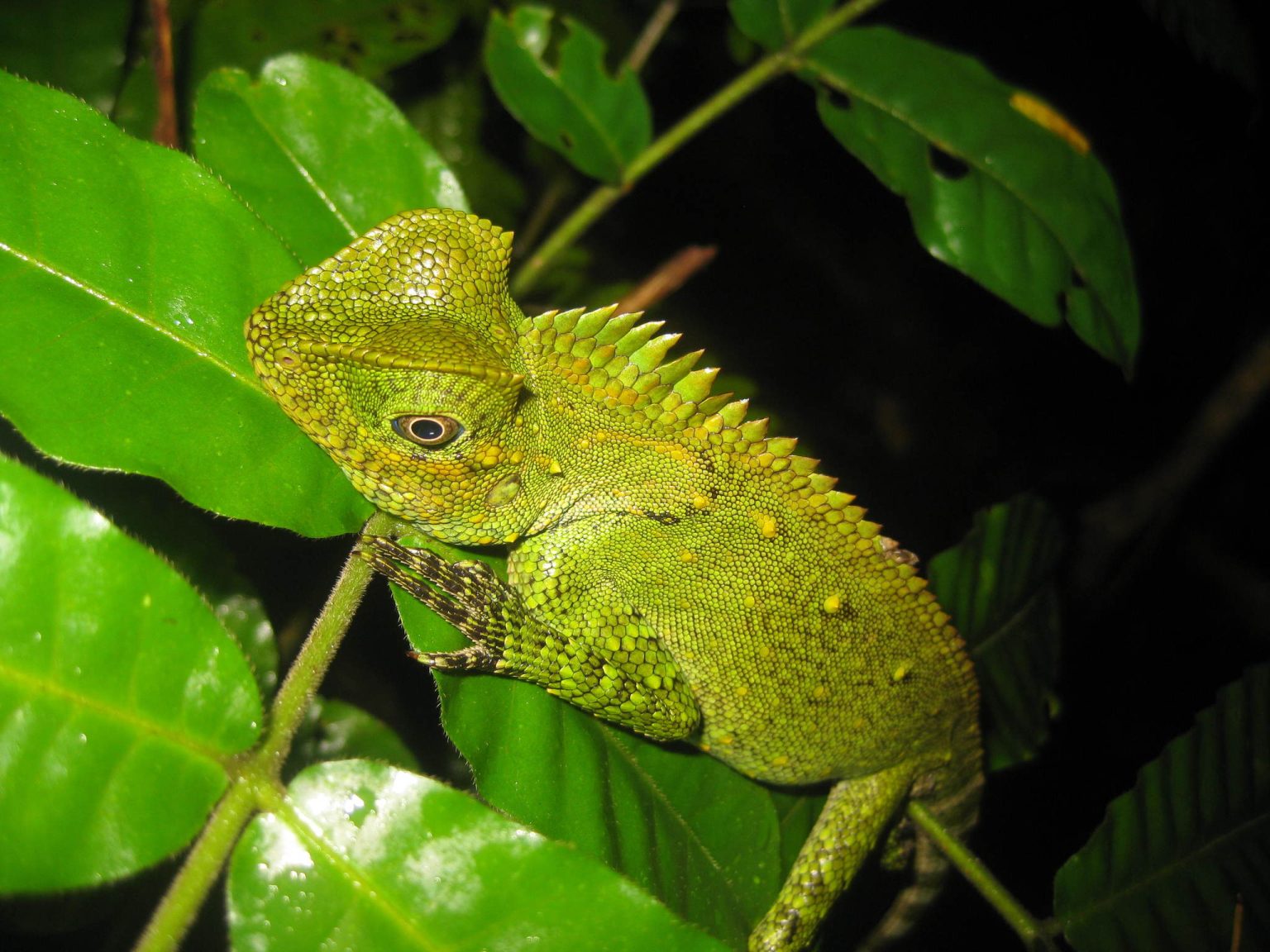
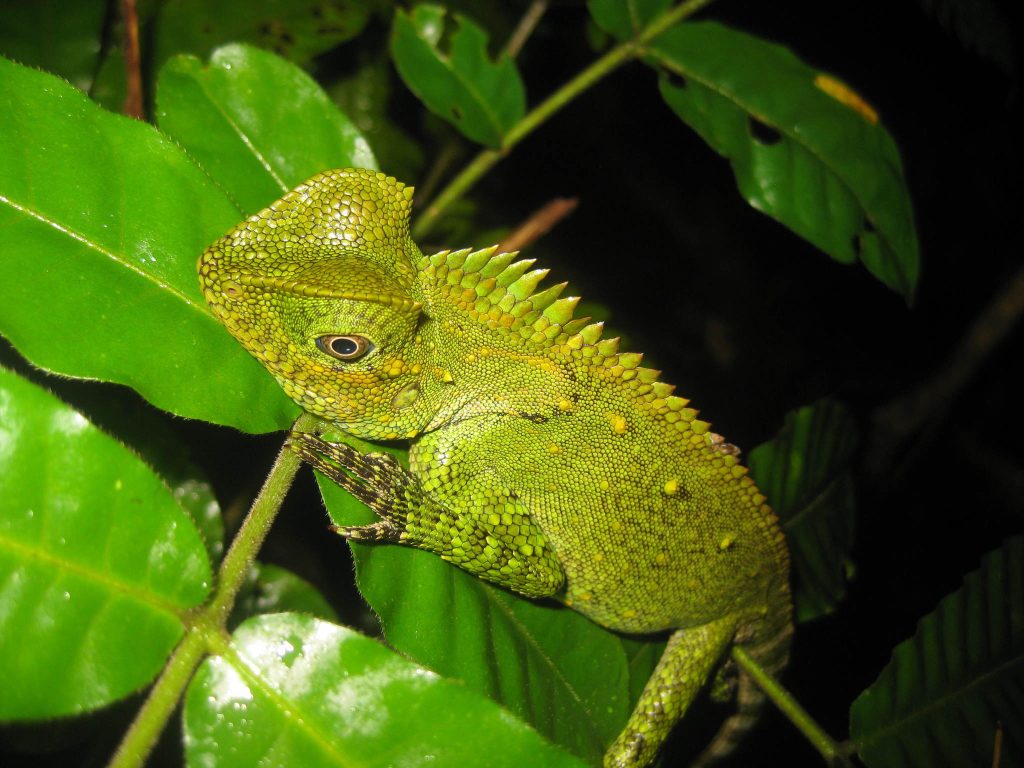
🦎 Forest Chameleon (Chamaeleo gracilis)

By
Alexandre Tano Kan Koffi
Last updated: May 16, 2026
2 Min Read
Share

Also known as: Graceful Chameleon, West African Chameleon

Contents
📍 Habitat⚠️ Conservation Status🧬 Description🧠 Behavior🌿 Ecological Role✨ Cultural Significance🔥 Conservation Needs

📍 Habitat

This chameleon thrives in humid tropical forests, dense secondary growth, and forest-edge vegetation. Within the Tano River Basin, it is often spotted in the Boin Tano Forest Reserve, the Tanoé-Ehy swamp forest, and the shrubby vegetation bordering the river.

It prefers areas with abundant canopy cover, vines, and shrubs, which offer camouflage and feeding grounds.


⚠️ Conservation Status

  • IUCN Red List: Least Concern, but declining locally
  • Main threats:
    • Deforestation and habitat fragmentation
    • Capture for the pet trade
    • Wildfire and climate instability affecting forest microclimates

🧬 Description

  • Medium-sized chameleon, reaching 20–30 cm (8–12 inches) in length
  • Varies in color: bright green, brown, or olive, with the ability to change shades
  • Features a prehensile tail, independent eye movement, and zygodactylous feet (two toes forward, two back)
  • Long, sticky tongue used to capture insects in a split second

🧠 Behavior

  • Solitary and territorial
  • Active during the day (diurnal), usually slow-moving but alert
  • Relies on camouflage and stillness to avoid predators
  • Eats flies, crickets, beetles, caterpillars, and occasionally small vertebrates

🌿 Ecological Role

  • Helps control insect populations, especially leaf-eating pests
  • Serves as prey for raptors, snakes, and small mammals
  • Acts as a forest health indicator due to sensitivity to habitat changes

✨ Cultural Significance

In Akan and other West African traditions, chameleons are viewed as symbols of patience, adaptability, and spiritual foresight.
They often appear in proverbs, such as:

“The chameleon says it does not rush, yet it gets where it’s going.”

This reflects the value of quiet strategy and caution — especially in negotiations, leadership, and spiritual journeys.


🔥 Conservation Needs

  • Preserve continuous forest cover in riverine zones
  • Educate communities on the ecological value of reptiles
  • Regulate and monitor wildlife trade
  • Promote the chameleon as a flagship species for forest biodiversity

Sign Up For Daily Newsletter

Be keep up! Get the latest breaking news delivered straight to your inbox.
By signing up, you agree to our Terms of Use and acknowledge the data practices in our Privacy Policy. You may unsubscribe at any time.
Share This Article
Facebook Email Copy Link Print
ByAlexandre Tano Kan Koffi
Follow:

✍️ About the Author

Alexandre Tano Kan Koffi is the founder of TanoRiver.com and a passionate advocate for Africa’s environmental and cultural heritage. Named after the Tano River, he honors his legacy through storytelling and conservation.
📧 Contact: alex [@] alexandrekoffi.com

Leave a Comment Leave a Comment

Leave a Reply Cancel reply

Your email address will not be published. Required fields are marked *

Receive latest news from all areas of Wildlife Animals

Our selection of the week's biggest research news and features sent directly to your inbox. Enter your email address, confirm you're happy to receive our emails.

HOT NEWS

The Rivers, Lakes & Lagoons Collective

The rivers in Ghana

April 10, 2026

🪷 Cultural Significance of the Tano River

May 5, 2026

✨ Spiritual and Historical Importance of the Tano River

February 13, 2026

📖 Indigenous Stories and Oral Traditions of the Tano River

May 9, 2026

Follow US: 

About us

  • 🌍 The Project / Get Involved
  • ✉️ Contact us
  • 💛 Donate
  • 🤝 Partnerships / Collaborate

TanoRiver.com

  • Terms and Conditions
  • Privacy Policy
  • Cookie Policy

Cookies Notice

We use our own and third-party cookies to improve our services, personalise your advertising and remember your preferences.
Welcome Back!

Sign in to your account

Username or Email Address
Password

Lost your password?

