

The Tano River
  • Home
  • ๐ŸŒŠThe River
    • The Tano River
    • Cultural Significance
    • Spiritual and Historical Importance
    • Taakora โ€” The Deity of the Tano River
    • Comprehensive Analysis of the Tano River and Its Basin
  • ๐ŸŒฟEnvironment
    • Flora and Fauna
    • Environmental Challenges
    • Conservation Efforts
    • The Tano River Basin
    • The Galamsey Crisis
    • Animals of the Tano
    • Trees and Plants of the Tano
    • Parks and Forest
    • Lagoons
    • Tributaries of the Tano River
  • History
    • Stories and Oral Traditions
    • Historical Events
    • Ancient Trade and Conflicts
    • The Legend of Tano and Bia
    • Deities and Spirits
    • God Tano, Afua Krankra, and Asase Ya/Afua in Akan Mythology
  • ๐ŸŽ‰Culture
    • Ethnic Groups Along the Tano River
    • Fishing, Agriculture, and Rituals
    • Festivals and River Ceremonies
    • The Natural Border Between Ghana and Ivory Coast
  • ๐Ÿ›ถ Tourism
    • Natural Sites to Visit
    • Cultural Experiences
    • Local Guides & Eco-Tourism
    • Creating a Touristic Ecosystem
  • ๐ŸŒNews
  • Global Initiative
  • ๐ŸŒAbout
    • ๐Ÿ“–The Project / Get Involved
    • ๐Ÿงพ About me
    • โœ‰๏ธ Contact us
    • ๐Ÿค Partnerships / Collaborate
    • ๐Ÿ’› Donate
    • ๐ŸŒฟ A Tribute to My Father and Grandfather
    • ๐ŸงพAll Our articles
    • ๐ŸงพSearch Our Articles
    • ๐Ÿ“–Glossary of the Tano River Ecosystem
Donate
Font ResizerAa
The Tano RiverThe Tano River
Search

Popular Posts

The Rivers, Lakes & Lagoons Collective

The rivers in Ghana

About the River

๐Ÿชท Cultural Significance of the Tano River

About the River

โœจ Spiritual and Historical Importance of the Tano River

Welcome to Tanoriver.com

Join the Tano River Collective Project and be part of a growing movement dedicated to preserving the life, culture, and ecosystems of the Tano River. Together, we can make a lasting impact.
Join Us
Follow US
TanoRiver.com
The Tano River > All our Articles > Environment & Biodiversity > Species of the Tano River > Fish > ๐Ÿ  Epiplatys dageti โ€“ Redchin Panchax
FishSpecies of the Tano River

๐Ÿ  Epiplatys dageti โ€“ Redchin Panchax

By
Alexandre Tano Kan Koffi
Last updated: July 6, 2026
4 Min Read
Share

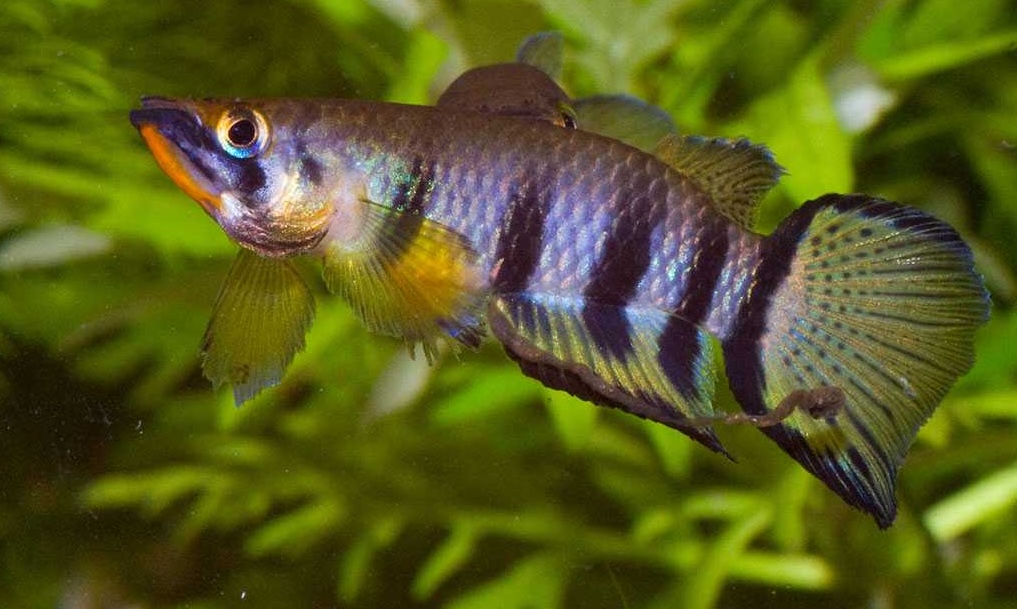
A flash of color in calm waters: the elegant surface hunter of the Tano River

Contents
๐Ÿ”Ž Scientific Name: Epiplatys dageti๐ŸŒ Distribution and Habitat๐ŸŒŠ In the Tano River Basin, it prefers:๐ŸŸ Description and Identification๐Ÿงฌ Behavior and Ecology๐ŸŒฟ Ecological Role๐ŸŽฃ Local Use and Scientific Interestโš ๏ธ Conservation and Threats๐ŸŒŠ Why It Matters for the Tano River

๐Ÿ”Ž Scientific Name: Epiplatys dageti

Common names: Redchin Panchax, Red-chinned killifish
Family: Nothobranchiidae (African killifishes)


๐ŸŒ Distribution and Habitat

Native to West Africa, Epiplatys dageti is found in:

  • Ghana, Cรดte dโ€™Ivoire, Liberia, Sierra Leone, and Nigeria

๐ŸŒŠ In the Tano River Basin, it prefers:

  • Slow-moving forest streams, swamp edges, and shaded backwaters
  • Shallow pools and floodplains with dense surface vegetation
  • Zones with overhanging plants and detritus, ideal for shelter and egg-laying

It thrives in lowland habitats where the water is soft, warm, and oxygen-poor โ€” thanks to its ability to gulp air.


๐ŸŸ Description and Identification

  • Size: Small fish, 3โ€“5 cm (1.5โ€“2 inches)
  • Coloration:
    • Males: olive-brown body with bright red markings on the chin and gill area, plus red flecks on the fins
    • Females: paler, less colorful, often with subtle striping
  • Body: Slender and slightly flattened on the back โ€” built for surface feeding
  • Eyes: Large, upward-facing, adapted for scanning the water surface

The red chin, especially in males, glows vividly during courtship and is its defining feature.


๐Ÿงฌ Behavior and Ecology

  • Diet: Insectivorous surface-feeder
    • Hunts mosquito larvae, insects, crustaceans, and small aquatic life
    • Known to snap at insects landing on the water surface
  • Breeding:
    • Lays adhesive eggs on submerged vegetation or fine roots
    • No parental care; eggs hatch in 7โ€“10 days, depending on temperature
    • Breeds readily during the rainy season in flooded zones
  • Behavior:
    • Generally peaceful, but males display territorial posturing during courtship
    • Active in the early morning and late afternoon

๐ŸŒฟ Ecological Role

  • Controls populations of mosquito larvae and small insects, especially in stagnant pools
  • Serves as prey for birds, amphibians, and larger fish
  • Its breeding cycle is tied to flood pulses, making it an indicator of seasonal river health

Its presence signifies clean, oxygen-variable, but unpolluted conditions.


๐ŸŽฃ Local Use and Scientific Interest

  • Not used for food, but occasionally collected for the aquarium trade
  • Popular among killifish hobbyists for:
    • Their coloration and surface behavior
    • Easy breeding in captivity
    • Peaceful disposition in planted tanks

It is also studied for its adaptation to shallow, seasonal pools and its genetic diversity across West Africa.


โš ๏ธ Conservation and Threats

  • Not currently endangered, but locally threatened by:
    • Habitat loss from agriculture and deforestation
    • Chemical runoff into swamps and streams
    • Illegal mining (galamsey) which disturbs breeding zones

Protecting natural stream edges, vegetated pools, and clean backwaters is key to conserving this and other killifish species.


๐ŸŒŠ Why It Matters for the Tano River

Epiplatys dageti is:

  • A natural mosquito controller and bioindicator of stream health
  • A small but vivid part of the Tano Riverโ€™s hidden biodiversity
  • A symbol of seasonal rhythms and fragile habitats

In every puddle where light dances on water, the Redchin Panchax flickers like a living flame of resilience.


๐Ÿ”— Have you seen this colorful fish in your region? Send us your photos or stories at [TanoRiver.com/submit]


Sign Up For Daily Newsletter

Be keep up! Get the latest breaking news delivered straight to your inbox.
By signing up, you agree to our Terms of Use and acknowledge the data practices in our Privacy Policy. You may unsubscribe at any time.
Share This Article
Facebook Email Copy Link Print
ByAlexandre Tano Kan Koffi
Follow:

โœ๏ธ About the Author

Alexandre Tano Kan Koffi is the founder of TanoRiver.com and a passionate advocate for Africaโ€™s environmental and cultural heritage. Named after the Tano River, he honors his legacy through storytelling and conservation.
๐Ÿ“ง Contact: alex [@] alexandrekoffi.com

Leave a Comment Leave a Comment

Leave a Reply Cancel reply

Your email address will not be published. Required fields are marked *

Receive latest news from all areas of Wildlife Animals

Our selection of the week's biggest research news and features sent directly to your inbox. Enter your email address, confirm you're happy to receive our emails.

HOT NEWS

The Rivers, Lakes & Lagoons Collective

The rivers in Ghana

April 10, 2026

๐Ÿชท Cultural Significance of the Tano River

May 5, 2026

โœจ Spiritual and Historical Importance of the Tano River

February 13, 2026

๐Ÿ“– Indigenous Stories and Oral Traditions of the Tano River

May 9, 2026

Follow US:ย 

About us

  • ๐ŸŒ The Project / Get Involved
  • โœ‰๏ธ Contact us
  • ๐Ÿ’› Donate
  • ๐Ÿค Partnerships / Collaborate

TanoRiver.com

  • Terms and Conditions
  • Privacy Policy
  • Cookie Policy

Cookies Notice

We use our own and third-party cookies to improve our services, personalise your advertising and remember your preferences.
Welcome Back!

Sign in to your account

Username or Email Address
Password

Lost your password?
