

The Tano River
  • Home
  • 🌊The River
    • The Tano River
    • Cultural Significance
    • Spiritual and Historical Importance
    • Taakora — The Deity of the Tano River
    • Comprehensive Analysis of the Tano River and Its Basin
  • 🌿Environment
    • Flora and Fauna
    • Environmental Challenges
    • Conservation Efforts
    • The Tano River Basin
    • The Galamsey Crisis
    • Animals of the Tano
    • Trees and Plants of the Tano
    • Parks and Forest
    • Lagoons
    • Tributaries of the Tano River
  • History
    • Stories and Oral Traditions
    • Historical Events
    • Ancient Trade and Conflicts
    • The Legend of Tano and Bia
    • Deities and Spirits
    • God Tano, Afua Krankra, and Asase Ya/Afua in Akan Mythology
  • 🎉Culture
    • Ethnic Groups Along the Tano River
    • Fishing, Agriculture, and Rituals
    • Festivals and River Ceremonies
    • The Natural Border Between Ghana and Ivory Coast
  • 🛶 Tourism
    • Natural Sites to Visit
    • Cultural Experiences
    • Local Guides & Eco-Tourism
    • Creating a Touristic Ecosystem
  • 🌍News
  • Global Initiative
  • 🌍About
    • 📖The Project / Get Involved
    • 🧾 About me
    • ✉️ Contact us
    • 🤝 Partnerships / Collaborate
    • 💛 Donate
    • 🌿 A Tribute to My Father and Grandfather
    • 🧾All Our articles
    • 🧾Search Our Articles
    • 📖Glossary of the Tano River Ecosystem
Donate
Font ResizerAa
The Tano RiverThe Tano River
Search

Popular Posts

The Rivers, Lakes & Lagoons Collective

The rivers in Ghana

About the River

🪷 Cultural Significance of the Tano River

About the River

✨ Spiritual and Historical Importance of the Tano River

Welcome to Tanoriver.com

Join the Tano River Collective Project and be part of a growing movement dedicated to preserving the life, culture, and ecosystems of the Tano River. Together, we can make a lasting impact.
Join Us
Follow US
TanoRiver.com
The Tano River > All our Articles > Environment & Biodiversity > Trees and Plants of the Tano > 🌿 Entada africana – The Healing Liana of the Forest
Trees and Plants of the Tano

🌿 Entada africana – The Healing Liana of the Forest

By
Alexandre Tano Kan Koffi
Last updated: July 19, 2026
4 Min Read
Share

A climbing giant with deep roots in traditional medicine, rising from the banks of the Tano River

Contents
🔎 Scientific Name: Entada africana📍 Habitat and Distribution🌳 Botanical Description🌿 Ecological Role🌍 Traditional Medicinal Uses🩺 Uses include:🧙🏿‍♂️ Cultural and Spiritual Significance⚠️ Conservation Notes🌱 Why It Matters for the Tano River

🔎 Scientific Name: Entada africana

Common names: African climbing tree, Twisted giant liana, “Kpatro” (Akan), “Kpalakpalan” (Baoulé), “Togbéklan” (Ewé), “Entada d’Afrique” (Fr.)
Family: Fabaceae (legume family)


📍 Habitat and Distribution

Entada africana is native to:

  • West and Central Africa, especially in savanna woodlands, riparian forests, and transitional zones

In the Tano River Basin, it is found:

  • In moist forest margins, floodplain woodlands, and shaded secondary growth areas
  • Especially present in sacred forests, rural herbal gardens, and grazing buffers

It thrives in well-drained soils and can climb trees or sprawl freely along river edges.


🌳 Botanical Description

  • Growth habit: Large woody climber (liana) or shrubby tree, often reaching over 10 meters in length
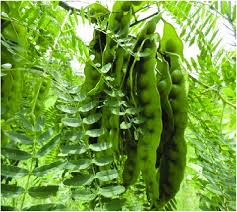
  • Leaves: Bipinnate, light green and feathery
  • Flowers: Small, creamy-white to yellowish, fragrant, blooming in spikes
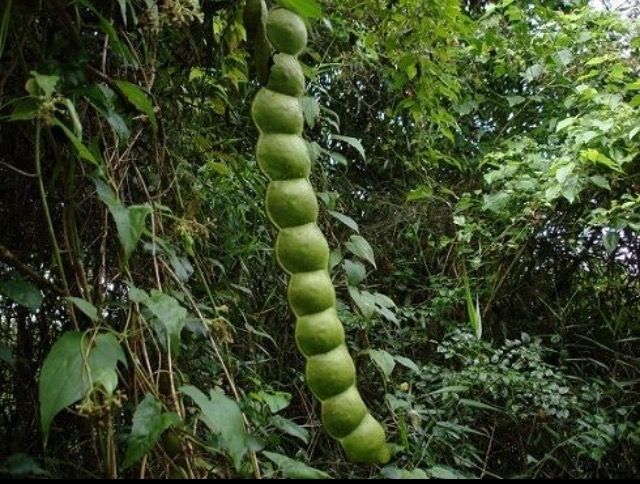
  • Fruits: Enormous flattened seed pods, sometimes over 1 meter long
  • Seeds: Hard, brown or black, often used as amulets or beads

The imposing size of its pods and twining stems makes it easy to spot in the wild.


🌿 Ecological Role

  • Fixes nitrogen in the soil, enhancing forest fertility
  • Provides cover and support for wildlife
  • Helps bind soils along river slopes, preventing erosion
  • Offers nectar to bees, flies, and forest insects

Its presence often indicates a stable and mature forest edge near water sources.


🌍 Traditional Medicinal Uses

Entada africana is a staple in traditional herbal medicine across the Tano region:

🩺 Uses include:

  • Bark decoctions for:
    • Liver problems and jaundice
    • Malaria, fever, and body pain
    • Cough and bronchitis
  • Leaves and roots:
    • Crushed for treating wounds, burns, and skin diseases
    • Boiled into bathwater for purification or postpartum care
  • Seeds:
    • Carried as spiritual charms against evil spirits
    • Ground into powder for ritual protection or applied to snake bites

Some healers in Ghana and Côte d’Ivoire refer to it as the “tree that cleanses blood and spirits.”


🧙🏿‍♂️ Cultural and Spiritual Significance

In traditional belief systems:

  • Its massive seed pods symbolize abundance and spiritual strength
  • Planted near shrines and sacred groves to channel ancestral energy
  • Used in protective rituals, especially during childbirth, illness, or burial rites
  • Some call it the “Forest’s spinal cord” for its powerful vertical growth and rooting

It’s also believed to have dream-enhancing properties when kept near sleeping areas.


⚠️ Conservation Notes

  • Entada africana is widespread but faces:
    • Overharvesting for bark and roots
    • Habitat loss from mining, bushfires, and forest clearing
    • Neglect as communities move away from traditional medicine

Sustainable harvesting and education on replanting are key to preserving this valuable species.


🌱 Why It Matters for the Tano River

Entada africana embodies the Tano River’s spirit of:

  • Resilience, elevation, and healing
  • A climber that bridges earth and canopy, just as the river links past and future
  • A source of protection, medicine, and cultural continuity

It is both a symbol and a servant of the river’s living heritage.


🔗 Have you harvested or seen this mighty climbing tree near the Tano? Share your photo or memory at [TanoRiver.com/submit]


Sign Up For Daily Newsletter

Be keep up! Get the latest breaking news delivered straight to your inbox.
By signing up, you agree to our Terms of Use and acknowledge the data practices in our Privacy Policy. You may unsubscribe at any time.
Share This Article
Facebook Email Copy Link Print
ByAlexandre Tano Kan Koffi
Follow:

✍️ About the Author

Alexandre Tano Kan Koffi is the founder of TanoRiver.com and a passionate advocate for Africa’s environmental and cultural heritage. Named after the Tano River, he honors his legacy through storytelling and conservation.
📧 Contact: alex [@] alexandrekoffi.com

Leave a Comment Leave a Comment

Leave a Reply Cancel reply

Your email address will not be published. Required fields are marked *

Receive latest news from all areas of Wildlife Animals

Our selection of the week's biggest research news and features sent directly to your inbox. Enter your email address, confirm you're happy to receive our emails.

HOT NEWS

The Rivers, Lakes & Lagoons Collective

The rivers in Ghana

April 10, 2026

🪷 Cultural Significance of the Tano River

May 5, 2026

✨ Spiritual and Historical Importance of the Tano River

February 13, 2026

📖 Indigenous Stories and Oral Traditions of the Tano River

May 9, 2026

Follow US: 

About us

  • 🌍 The Project / Get Involved
  • ✉️ Contact us
  • 💛 Donate
  • 🤝 Partnerships / Collaborate

TanoRiver.com

  • Terms and Conditions
  • Privacy Policy
  • Cookie Policy

Cookies Notice

We use our own and third-party cookies to improve our services, personalise your advertising and remember your preferences.
Welcome Back!

Sign in to your account

Username or Email Address
Password

Lost your password?
