



Where ancient forests, sacred waters, and endangered species converge
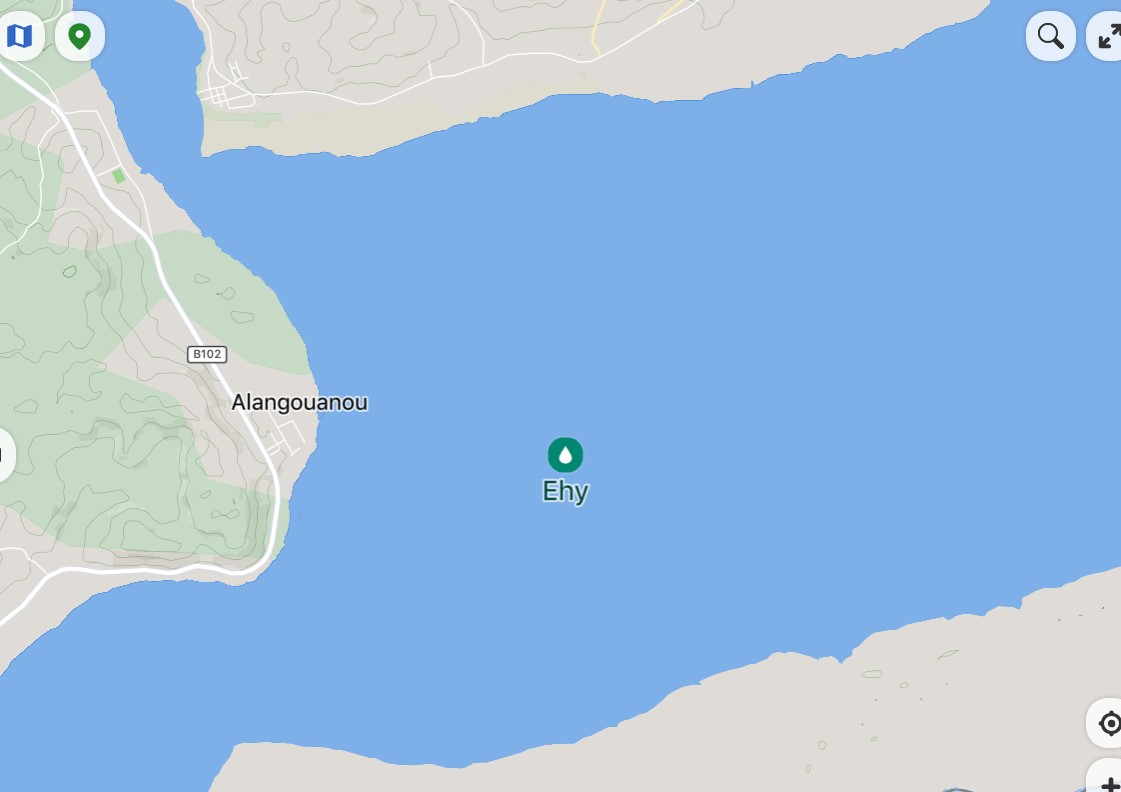
Tucked into the southeastern corner of Côte d’Ivoire, just a few kilometers inland from the Gulf of Guinea, lies one of West Africa’s most ecologically important and least-known lagoons: Ehy Lagoon. Part of the Tanoé-Ehy Wetland Complex, this tranquil body of water is intimately linked to the Tano River, both hydrologically and culturally — serving as a natural extension of the river’s journey and a sanctuary for countless forms of life.
📍 Location and Connection to the Tano River
Ehy Lagoon is located near the village of Ehy, within the Grand-Bassam Department of Côte d’Ivoire’s Sud-Comoé Region. It is fed by a network of small rivers and wetlands that branch off from the lower Tano River, forming a complex system of swamps, creeks, floodplains, and interconnected lagoons — including the neighboring Tendo Lagoon.
These water bodies make up the Tanoé-Ehy Wetland Complex, a region recognized for its transboundary ecological value and one of the most intact coastal wetland forests in West Africa.
🐒 A Refuge for Endangered Species
Ehy Lagoon is bordered by dense, swampy forests, home to some of the continent’s most threatened primates, including:
- The Roloway monkey (Cercopithecus roloway) — Critically Endangered
- The White-naped mangabey (Cercocebus lunulatus) — Endangered
- The Diana monkey (Cercopithecus diana) — Vulnerable
- The Olive colobus (Procolobus verus) — Near Threatened
The surrounding forests are also inhabited by:
- Forest elephants (Loxodonta cyclotis)
- African golden cats
- Rare duikers and pangolins
- Over 100 species of birds, including wetland and migratory species
The lagoon itself supports freshwater and brackish fish, including tilapia, catfish, and African pike, making it a vital breeding and feeding zone for aquatic life.
🌱 Ramsar Recognition and Global Importance
In recognition of its biological significance, the Ehy Lagoon and its surrounding wetlands were designated a Ramsar Wetland of International Importance in 2005.
This designation highlights:
- Its role in regional hydrology and climate regulation
- Its support of endemic and threatened species
- Its value for local livelihoods, especially fishing, gathering, and spiritual use
👣 Human Presence and Cultural Values
Local communities have lived alongside Ehy Lagoon for generations. They engage in:
- Artisanal fishing using traditional dugout canoes
- Collection of wild fruits, medicinal plants, and forest honey
- Spiritual practices tied to the water, forests, and ancestral spirits
The lagoon is often regarded as sacred — a place where the boundaries between humans, nature, and the spiritual realm blur. Some areas are considered forbidden forests (forêts sacrées) and are protected by customary laws and taboos.
⚠️ Threats to the Lagoon
Despite its status and importance, Ehy Lagoon faces growing threats:
- Oil palm expansion and commercial agriculture, leading to deforestation
- Poaching of endangered species
- Illegal logging and charcoal production
- Potential upstream pollution from galamsey and agriculture in the Tano Basin
These threats risk fragmenting the habitat, polluting the waters, and weakening the delicate balance that sustains this ecosystem.
🌍 A Model for Community-Led Conservation
The future of Ehy Lagoon rests in community empowerment and transboundary cooperation. Local initiatives — supported by NGOs, researchers, and environmental networks — are working to:
- Train and equip community forest patrols
- Develop eco-tourism and conservation education programs
- Promote sustainable livelihoods and alternatives to deforestation
- Coordinate with Ghanaian stakeholders to protect the entire Tano River Basin
🧭 Why It Matters
Ehy Lagoon is more than a stretch of water — it is a living archive of Africa’s natural and spiritual heritage. Protecting it means safeguarding a future where wildlife, water, and wisdom continue to thrive.
At TanoRiver.com, we believe that preserving the wetlands at the mouth of the Tano is just as vital as protecting its source.
🔗 Read more about conservation in the Tanoé-Ehy Forest and how you can get involved here.


