

The Tano River
  • Home
  • 🌊The River
    • The Tano River
    • Cultural Significance
    • Spiritual and Historical Importance
    • Taakora — The Deity of the Tano River
    • Comprehensive Analysis of the Tano River and Its Basin
  • 🌿Environment
    • Flora and Fauna
    • Environmental Challenges
    • Conservation Efforts
    • The Tano River Basin
    • The Galamsey Crisis
    • Animals of the Tano
    • Trees and Plants of the Tano
    • Parks and Forest
    • Lagoons
    • Tributaries of the Tano River
  • History
    • Stories and Oral Traditions
    • Historical Events
    • Ancient Trade and Conflicts
    • The Legend of Tano and Bia
    • Deities and Spirits
    • God Tano, Afua Krankra, and Asase Ya/Afua in Akan Mythology
  • 🎉Culture
    • Ethnic Groups Along the Tano River
    • Fishing, Agriculture, and Rituals
    • Festivals and River Ceremonies
    • The Natural Border Between Ghana and Ivory Coast
  • 🛶 Tourism
    • Natural Sites to Visit
    • Cultural Experiences
    • Local Guides & Eco-Tourism
    • Creating a Touristic Ecosystem
  • 🌍News
  • Global Initiative
  • 🌍About
    • 📖The Project / Get Involved
    • 🧾 About me
    • ✉️ Contact us
    • 🤝 Partnerships / Collaborate
    • 💛 Donate
    • 🌿 A Tribute to My Father and Grandfather
    • 🧾All Our articles
    • 🧾Search Our Articles
    • 📖Glossary of the Tano River Ecosystem
Donate
Font ResizerAa
The Tano RiverThe Tano River
Search

Popular Posts

The Rivers, Lakes & Lagoons Collective

The rivers in Ghana

About the River

🪷 Cultural Significance of the Tano River

About the River

✨ Spiritual and Historical Importance of the Tano River

Welcome to Tanoriver.com

Join the Tano River Collective Project and be part of a growing movement dedicated to preserving the life, culture, and ecosystems of the Tano River. Together, we can make a lasting impact.
Join Us
Follow US
TanoRiver.com
The Tano River > All our Articles > Environment & Biodiversity > Species of the Tano River > Mammals > 🌳 Dendrohyrax dorsalis – Western Tree Hyrax
Mammals

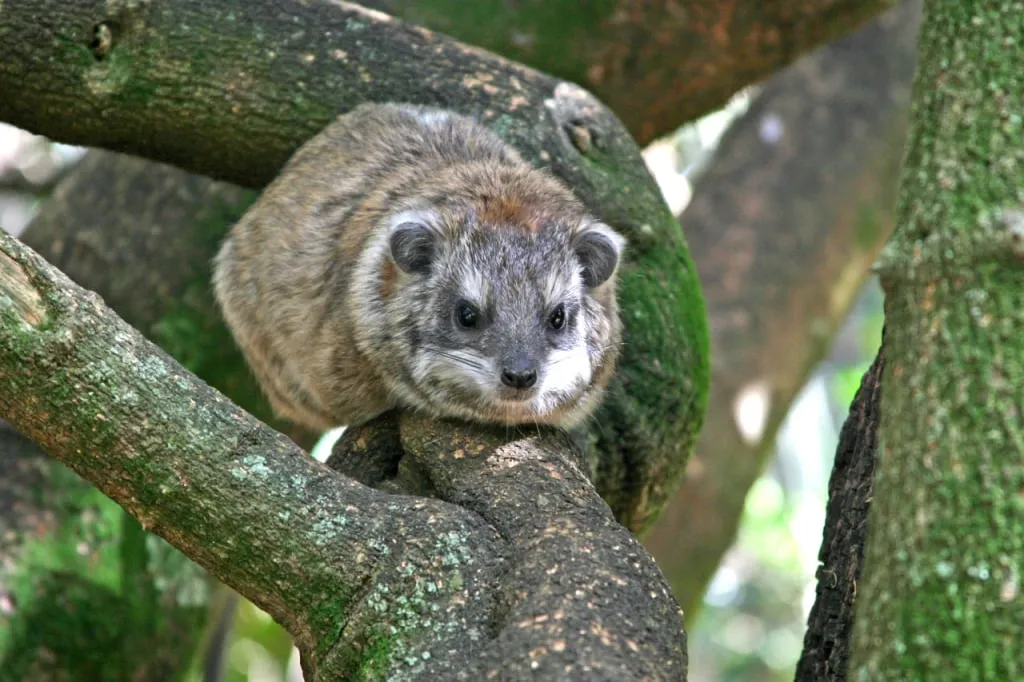
🌳 Dendrohyrax dorsalis – Western Tree Hyrax

By
Alexandre Tano Kan Koffi
Last updated: June 24, 2026
4 Min Read
Share

A mysterious night-caller of the Tano’s canopy, more often heard than seen

Contents
🔍 Quick Facts🌍 Distribution and HabitatIn the Tano River Basin, it is:🐾 Appearance🌿 Behavior and Diet🐣 Reproduction🧭 Ecological Role⚠️ Conservation Concerns🌊 Why It Matters for the Tano River

🔍 Quick Facts

  • Common Name: Western Tree Hyrax
  • Scientific Name: Dendrohyrax dorsalis
  • Family: Procaviidae
  • IUCN Status: Least Concern, but declining in many areas
  • Size: 40–60 cm body length; 2–3.5 kg
  • Activity: Nocturnal
  • Habitat: Tropical forests, especially dense and mature canopy

🌍 Distribution and Habitat

Native to the Upper Guinean forests of West Africa, the Western Tree Hyrax is found in:

  • Côte d’Ivoire, Ghana, Liberia, Sierra Leone, and Guinea

In the Tano River Basin, it is:

  • Most likely encountered in Tanoé-Ehy Forest Reserve
  • Living in tree hollows, canopy forks, and dense foliage
  • Avoiding open areas, it relies on intact forest canopy to survive and hide

🐾 Appearance

  • Fur: Gray to dark brown, dense and coarse
  • Body: Rounded with short limbs and no visible tail
  • Feet: Specialized rubbery soles for gripping tree bark
  • Face: Small round ears, forward-facing eyes

Often mistaken for a rodent, it is more closely related to elephants and manatees!


🌿 Behavior and Diet

  • Nocturnal and arboreal, almost never descends to the ground
  • Diet:
    • Leaves, bark, young shoots, and fruit
    • Occasionally lichen and moss
  • Highly vocal, producing haunting screams, barks, or moans after dusk
  • Uses urine scent-marking and may have tree-top territories

It’s most often detected by its distinctive night-time cries, which can sound eerily human.


🐣 Reproduction

  • Solitary or loosely social
  • Gives birth to a single young, usually once a year
  • Offspring develop slowly and stay hidden in tree cavities
  • Parental care is extended and cautious

Because they are quiet during the day, their breeding behavior remains poorly understood.


🧭 Ecological Role

The Western Tree Hyrax plays a small but essential role in the forest:

  • Consumes and prunes vegetation, influencing plant growth
  • Provides food for large forest predators (eagles, leopards, pythons)
  • Its tree-hollow nests are sometimes reused by birds or other mammals

Its loud vocalizations also help mark territory and contribute to forest soundscapes.


⚠️ Conservation Concerns

Though classified as Least Concern, it faces growing threats:

  • 🌳 Deforestation and canopy fragmentation
  • 🧱 Hunting for bushmeat, particularly near rural villages
  • 🔥 Forest fires and agroforestry expansion
  • ❌ Disturbance from logging roads that fragment high-canopy movement

It is rarely studied, so true population data may be underestimated.


🌊 Why It Matters for the Tano River

The Western Tree Hyrax is:

  • A ghost of the canopy, signaling a forest still wild and deep
  • A barometer of vertical forest integrity — if hyraxes are there, the trees are still connected
  • A living link to Africa’s ancient ecological heritage

To hear its call in the night is to know that the upper branches of Tano still breathe.


🔗 Have you heard eerie screams at night in the forest, or seen round animals in treetops? Help track tree hyrax sightings at [TanoRiver.com/submit]


Sign Up For Daily Newsletter

Be keep up! Get the latest breaking news delivered straight to your inbox.
By signing up, you agree to our Terms of Use and acknowledge the data practices in our Privacy Policy. You may unsubscribe at any time.
Share This Article
Facebook Email Copy Link Print
ByAlexandre Tano Kan Koffi
Follow:

✍️ About the Author

Alexandre Tano Kan Koffi is the founder of TanoRiver.com and a passionate advocate for Africa’s environmental and cultural heritage. Named after the Tano River, he honors his legacy through storytelling and conservation.
📧 Contact: alex [@] alexandrekoffi.com

Leave a Comment Leave a Comment

Leave a Reply Cancel reply

Your email address will not be published. Required fields are marked *

Receive latest news from all areas of Wildlife Animals

Our selection of the week's biggest research news and features sent directly to your inbox. Enter your email address, confirm you're happy to receive our emails.

HOT NEWS

The Rivers, Lakes & Lagoons Collective

The rivers in Ghana

April 10, 2026

🪷 Cultural Significance of the Tano River

May 5, 2026

✨ Spiritual and Historical Importance of the Tano River

February 13, 2026

📖 Indigenous Stories and Oral Traditions of the Tano River

May 9, 2026

Follow US: 

About us

  • 🌍 The Project / Get Involved
  • ✉️ Contact us
  • 💛 Donate
  • 🤝 Partnerships / Collaborate

TanoRiver.com

  • Terms and Conditions
  • Privacy Policy
  • Cookie Policy

Cookies Notice

We use our own and third-party cookies to improve our services, personalise your advertising and remember your preferences.
Welcome Back!

Sign in to your account

Username or Email Address
Password

Lost your password?
