



Executive Summary
The Tano River, a vital transboundary lifeline for Ghana and Côte d’Ivoire, faces acute challenges primarily from illegal mining and the escalating impacts of climate change. Despite these complexities, significant strides have been made in bilateral and multilateral cooperation, demonstrating a commitment to integrated water resource management. This report analyzes the multifaceted dimensions of shared water governance in the Tano Basin, highlighting both persistent obstacles and successful collaborative mechanisms, and proposing recommendations for enhanced sustainability and regional stability. The Tano Basin is recognized as a critical economic and ecological asset for both nations. However, illegal mining stands out as the primary shared threat, demanding urgent and coordinated action. While formal agreements and institutional frameworks for cooperation exist, their implementation often encounters gaps. Effective multi-stakeholder engagement, encompassing governmental bodies, local communities, and international partners, is crucial for sustainable management. Ultimately, the successful cooperation on the Tano River extends beyond mere water management, contributing to broader socio-economic development, public health improvements, and enhanced regional security.
1. Introduction: The Tano River Basin – A Shared Lifeline
1.1 Geographical and Hydrological Overview of the Tano River
The Tano River, also known as Tanoé, is a significant waterway in West Africa, originating near Techiman in Ghana. It flows approximately 400 to 512 kilometers southwestward, traversing Ghana before ultimately discharging into the Ehy/Tano/Aby Lagoon complex in Côte d’Ivoire, which then empties into the Atlantic Ocean. This extensive course highlights its critical role as a regional water source. The river’s lower section notably forms a portion of the international land boundary between Ghana and Côte d’Ivoire, inherently defining it as a shared resource.
The Tano Basin encompasses an estimated total area of 16,060 square kilometers. A substantial majority of this basin, approximately 92.6% or 14,875 square kilometers, is situated within Ghana, with the remaining 7.4% or 1,185 square kilometers extending into Côte d’Ivoire. This uneven distribution of the basin area is a fundamental aspect of its transboundary dynamics. The topography of the basin varies considerably, from highlands in upstream Ghana, particularly near the Boyem Mountain Ranges, with average elevations around 540 meters above sea level, to much flatter southern areas ranging between 0 and 15 meters, with an average elevation of 50 meters. The basin features a well-developed drainage network, including the Tano River itself and nine major tributaries, resulting in a drainage density of 0.032 square kilometers per square kilometer. Administratively, the Ghanaian portion of the Tano Basin is complex, spanning six administrative regions and 29 District and Municipal Assemblies, indicating a fragmented internal governance landscape that must be coordinated for effective basin management.
The disproportionate share of the Tano Basin falling within Ghana’s borders, approximately 93% compared to Côte d’Ivoire’s 7%, establishes a distinct upstream-downstream relationship. This geographical reality means that the majority of the river’s headwaters, its primary course, and most of its tributaries are contained within Ghanaian territory. Consequently, activities occurring upstream in Ghana, whether related to land use, industrial discharge, or resource extraction, exert a dominant influence on the water quality, quantity, and overall ecological health of the river as it flows into Côte d’Ivoire. This configuration places a significant responsibility on Ghana for the proactive management and protection of the Tano River, as its internal actions directly determine the quality and availability of water for its downstream neighbor. Such a dynamic underscores the necessity for robust transboundary governance and transparent communication to prevent potential tensions and ensure mutual benefit from the shared resource.
1.2 Socio-Economic and Ecological Significance for Ghana and Côte d’Ivoire
The Tano Basin is an ecologically and economically vital region, providing essential services and livelihoods to millions. Within Ghana alone, the basin supported an estimated population of 1,969,825 people in 2021, with a nearly even split between urban (54%) and rural (46%) communities. This substantial population is directly dependent on the river’s resources for their daily lives and economic activities.
The basin’s economy is underpinned by several key sectors. Agriculture is the primary occupation for over 27% of the population, rising to 47% in rural areas. Cocoa stands out as the dominant cash crop, contributing between 70% and 100% of income for cocoa farming households. Other significant agricultural products include oil palm, rubber, coffee, plantain, cassava, and coconut. Beyond agriculture, the Tano Basin is rich in mineral resources, particularly gold, which has led to extensive and often unregulated mining activities. Logging and timber processing also constitute major industries in the forested areas. Furthermore, the lower Tano Basin has seen oil and gas exploration since 2012, contributing to the national economy and presenting opportunities for regional industrial growth.
Ecologically, the Tano Basin is characterized by a diverse range of terrestrial and aquatic ecosystems, including semi-deciduous dense forests, dry dense forests, and clear forests. These forest ecosystems are crucial for regulating freshwater supply, supporting natural flow, filtration, and maintaining water quality. Several forest reserves, such as Boin Tano, Tano Suraw, Tano Suhien, and Disue, have been established specifically to protect river headwaters and ensure the integrity of the water system. The basin is also a critical biodiversity hotspot, home to significant wildlife, including a sub-population of the globally threatened Common Hippopotamus and endangered pygmy hippopotamus, highlighting its unique ecological value.
The interdependence between Ghana and Côte d’Ivoire regarding the Tano River is particularly evident in Côte d’Ivoire’s reliance on its waters. Côte d’Ivoire explicitly depends on the Tano and Bia rivers for its water supply, including potable water production for major urban centers like Abidjan. The Bia River, which is often discussed in conjunction with the Tano due to their shared management challenges, hosts two hydroelectric dams that are vital for supplying power to Abidjan, thereby linking the health of these transboundary rivers directly to Côte d’Ivoire’s energy security.
The Tano River’s multifaceted economic and ecological value, combined with its transboundary nature, establishes it as a critical shared asset. Any degradation or mismanagement of this resource in one country directly compromises the economic stability, public health, and environmental integrity of the other. This interconnectedness means that shared prosperity and security are intrinsically linked to the river’s health. For instance, pollution originating upstream in Ghana can disrupt water treatment plants and agricultural activities downstream in Côte d’Ivoire, leading to economic losses and public health crises. This deep interdependence underscores that effective management of the Tano River is not merely an environmental concern but a fundamental determinant of socio-economic well-being and regional stability for both nations.
Table 1: Tano River Basin Key Geographical and Demographic Data
| Feature | Description/Data | Source Snippets |
| Total Length of Tano River | 400 km (250 miles) to 512 km | |
| Countries Spanned | Ghana, Côte d’Ivoire | |
| Total Basin Area | ~16,060 km² | |
| Basin Area in Ghana | 14,875 km² (92.6%) | |
| Basin Area in Côte d’Ivoire | 1,185 km² (7.4%) | |
| Estimated Population in Basin (Ghana, 2021) | 1,969,825 | |
| Primary Economic Activities | Agriculture (cocoa, oil palm, rubber, coffee), Gold Mining, Logging, Oil & Gas Exploration (lower basin) | |
| Key Ecological Features | Semi-deciduous/dense forests, forest reserves (Boin Tano, Tano Suraw, Tano Suhien, Disue), Common Hippopotamus, Pygmy Hippopotamus, Miss Waldron’s Red Colobus |
2. Complexities and Challenges in Transboundary Water Management
2.1 Environmental Degradation: The Pervasive Impact of Illegal Mining (Galamsey) and Pollution
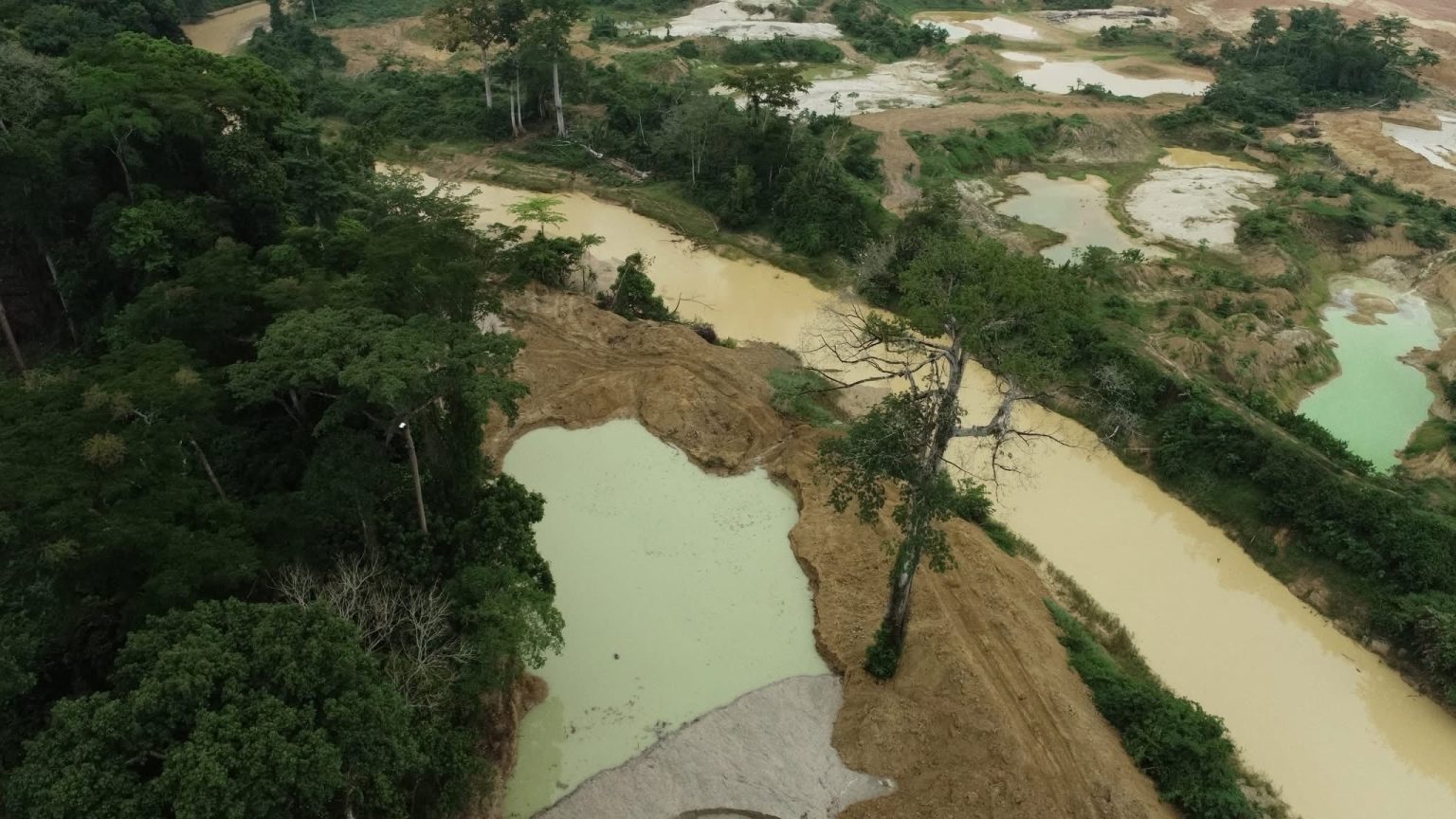
The Tano River, along with the adjacent Bia River, faces severe environmental degradation, with illegal small-scale mining, locally known as “galamsey” in Ghana, identified as the foremost and most pressing threat to these transboundary water bodies. This activity is widespread throughout the basin and is a significant contributor to water pollution.
The direct consequence of galamsey is the severe pollution of the rivers, which often turn a murky brown, rendering them unsuitable for essential uses such as drinking, washing, and fishing. This directly diminishes the quality of life for riparian communities that depend on the river for their daily needs. The pollution originating from mining activities in Ghana has critical implications for Côte d’Ivoire, directly impacting its water supply, including potable water production for major urban centers like Abidjan. Moreover, the pollution jeopardizes hydropower generation from the Bia River, which hosts two hydroelectric dams crucial for Côte d’Ivoire’s energy security.
The environmental devastation extends beyond water contamination. Illegal mining operations contribute to widespread deforestation and the release of toxic chemicals, including mercury and cyanide, into the water, air, and soil. These contaminants pose potentially deadly threats to human health and aquatic life, disrupting ecosystems and rendering fish unsafe for consumption. The contaminated water sources lead to a significant increase in the risk of waterborne diseases such as typhoid, cholera, and rotavirus. Reports indicate a doubling of diarrheal cases in some mining-affected communities, underscoring the severe public health crisis linked to this environmental degradation. In addition to mining, the basin also contends with pollution from inadequate sanitation, poor hygiene practices, and improper waste management, which further exacerbate outbreaks of waterborne diseases, particularly in areas prone to flooding.
The “galamsey” crisis represents a critical failure of national governance within Ghana that has direct and severe transboundary consequences. This situation transforms an internal economic activity, driven by factors such as poverty and lack of alternative income opportunities within Ghana , into an international environmental and health crisis. The pollution originating from Ghana’s territory directly affects Côte d’Ivoire’s water supply and energy production, creating a tangible cross-border problem. This highlights the urgent need for Ghana to strengthen its internal regulatory enforcement, implement stringent environmental monitoring, and offer viable alternative livelihoods to address the root causes of illegal mining. Without effective domestic measures to control these activities, any bilateral or multilateral agreements aimed at managing the Tano River will face significant implementation challenges, demonstrating that effective transboundary water management is fundamentally contingent upon robust national governance and socio-economic interventions within each riparian state, particularly the upstream one.
2.2 Ecological Vulnerabilities: Invasive Species, Habitat Loss, and Biodiversity Threats
Beyond direct chemical pollution, the Tano Basin faces systemic ecological degradation, where invasive species and habitat loss compound the impacts of human activities. Despite its rich biodiversity, the basin’s diverse terrestrial and aquatic ecosystems are increasingly threatened by unsustainable land use practices, pervasive pollution, and the proliferation of invasive species.
A major and persistent ecological challenge is the invasion of water hyacinth, particularly in the Tano/Abby/Ehy lagoon complex and along a 25-kilometer stretch of the river. The dense mats formed by water hyacinth significantly obstruct agriculture, transportation, and fishing activities. This obstruction leads to a substantial reduction in the incomes of farmers and fishermen, disrupting local livelihoods and exacerbating economic hardship in affected communities. While some studies explore the potential utility of water hyacinth for products like fertilizer or animal feed, its negative impacts on traditional livelihoods remain profound.
Furthermore, deforestation and habitat degradation, largely exacerbated by illegal mining and unsustainable logging practices, have profoundly altered the natural ecosystem and biodiversity within the Tano River Basin. This environmental decline directly threatens critically endangered species unique to the region. For instance, the last few individuals of Miss Waldron’s Red Colobus, one of the world’s most threatened primates, are believed to inhabit the forest between the Tano River and Ehy Lagoon. Similarly, the basin is home to a unique sub-population of pygmy hippopotamus, whose habitat is under threat. The loss of forest cover also impacts the river’s hydrological regime, affecting natural flow, filtration, and water quality.
These ecological vulnerabilities in the Tano Basin represent a broader systemic degradation of the environment, not merely localized pollution incidents. The presence of invasive species and the ongoing habitat loss are interconnected issues often intensified by the same underlying anthropogenic pressures that impact water quality. For example, a degraded river environment, weakened by pollution, can become more susceptible to invasive species. This demonstrates that ecological problems quickly translate into human welfare and economic issues, as the natural capital supporting livelihoods is eroded. Therefore, sustainable transboundary water management must adopt a comprehensive ecosystem-based approach. This necessitates not solely focusing on water quality, but also integrating broader environmental strategies such as land-use planning, biodiversity conservation, and the control of invasive species across the entire basin. Such a holistic perspective requires a broader collaborative framework involving environmental ministries, local communities, and conservation organizations from both Ghana and Côte d’Ivoire, recognizing that the health of the river is intrinsically linked to the health of its surrounding terrestrial and aquatic environments.
2.3 Climate Change Impacts: Exacerbated Water Stress, Flooding, and Droughts
The Tano Basin, like many transboundary river systems globally, is increasingly vulnerable to the impacts of climate change, which exacerbate existing water stress, contribute to more frequent and intense floods, and prolong periods of drought. Global trends, including rapid population growth, urbanization, and environmental changes such as altered land use patterns, further intensify the scarcity and pollution of freshwater resources worldwide.
Côte d’Ivoire, for instance, already experiences spatial and temporal uneven distribution of water resources, with areas in the North and Northeast facing significant water stress. This inherent vulnerability is compounded by climate change, leading to increased variability in rainfall patterns, including significant reductions in total annual precipitation in cocoa-producing regions shared by Ghana and Côte d’Ivoire. Such changes result in prolonged agricultural droughts and soil moisture deficits, negatively impacting critical economic sectors like cocoa production.
Conversely, climate change also contributes to increased peak river flows and potential flooding in several of the region’s larger rivers. Floods pose significant threats by disrupting water and sanitation infrastructure and contaminating water sources with sewage and other pollutants, leading to outbreaks of waterborne diseases. These climate-related disasters place immense pressure on public sector institutions and finances, diverting resources from development and social spending towards emergency response.
The dynamic nature of water stress and the shifting distribution of affected areas underscore the urgency of adaptation and mitigation strategies tailored to regional vulnerabilities. The challenges posed by climate change are complex, involving not only environmental and hydrological factors but also socio-economic and political dimensions. The impacts disproportionately affect communities with limited access to clean water and sanitation facilities, highlighting the need for resilient infrastructure and integrated planning. Effective transboundary water management must therefore incorporate climate resilience measures, including joint climate change adaptation strategies and disaster risk reduction plans, to safeguard both human populations and ecosystems from these escalating threats.
3. Successes in Inter-State and International Water Management
3.1 Bilateral Cooperation Mechanisms and Agreements
Despite the significant challenges, Ghana and Côte d’Ivoire have demonstrated a commitment to bilateral cooperation in managing their shared water resources, particularly the Tano and Bia rivers. This cooperation is rooted in a desire to promote good neighborliness and address mutual concerns.
Key initiatives include high-level inter-ministerial meetings. For instance, in March 2023, high-powered delegations from both countries, including ministers for Sanitation and Water Resources, Lands and Natural Resources (Ghana), and Water and Forests (Côte d’Ivoire), met in Accra to discuss the preservation of transboundary water resources. These discussions primarily focused on the pollution caused by illegal mining in Ghana and its adverse effects on Côte d’Ivoire’s potable water production and agriculture.
A significant outcome of these meetings has been the drafting of a Memorandum of Understanding (MOU) to outline concrete steps for sanitizing the Tano and Bia rivers. This MOU was informed by a report from a Technical Experts Sub-committee, established by both countries in June 2017, specifically tasked with devising measures to tackle pollution and its impacts. The report recommended a joint program of activities with clear timelines to deal with illegal mining in the shared basins. The proposed MOU stipulates annual meetings for the ministerial committee and biannual meetings for the technical committee, binding both countries for two years. In March 2023, a joint communique was signed to solve the pollution, recommending cessation of illegal mining, regular monitoring, reactivation of the Joint Committee and Technical Subcommittee, coordination of security operations, and sharing of best practices.
Furthermore, cooperation extends to security matters impacting cocoa farmers along the shared Tano River border. In February 2021, Ghana and Côte d’Ivoire agreed to form a joint committee to address security challenges, including extortion and seizure of cocoa beans by irregular forces. This committee is tasked with working with stakeholders on both sides to find lasting solutions, with Ghana’s Marine Police conducting regular patrols on their side of the Tano River. These efforts demonstrate a commitment to addressing specific, tangible problems through direct bilateral engagement and the establishment of dedicated joint bodies.
The establishment of joint committees and the drafting of MOUs represent important steps in formalizing cooperation and providing a structured approach to shared water management challenges. These mechanisms facilitate direct dialogue and joint problem-solving, moving beyond unilateral actions to coordinated responses. The commitment to regular meetings and specific timelines, as outlined in the proposed MOU, provides a framework for sustained engagement and accountability. Such formal arrangements are crucial for building trust and ensuring that both countries are actively involved in the protection and sustainable use of the Tano River, recognizing that shared problems require shared solutions.
3.2 Adherence to International Water Law and Conventions
Ghana has actively engaged with international legal frameworks governing transboundary watercourses, signaling its commitment to global best practices in water management. Ghana became an official party to both the 1992 UNECE Water Convention on the Protection and Use of Transboundary Watercourses and International Lakes and the 1997 UN Watercourses Convention. These conventions provide universal legal frameworks for transboundary waters, emphasizing principles such as equitable and reasonable utilization, the obligation not to cause significant harm, the duty to cooperate, and the protection of ecological systems.
Ghana’s accession to these conventions, particularly the 1992 Water Convention which became operational for all UN member states in 2016, was driven by a desire to strengthen technical and institutional cooperation with co-riparian states and build national capacity for water governance. Following its accession, Ghana developed a National Implementation Plan for the 1992 Water Convention, outlining strategic actions to strengthen policy, regulatory, and institutional frameworks, improve financing, enhance the knowledge base, increase stakeholder participation, and improve Integrated Water Resources Management (IWRM) at the river basin level.
Côte d’Ivoire also demonstrates its commitment to international water law, having acceded to the 1992 Water Convention in July 2024, becoming the 53rd State Party and 10th African nation to join the treaty. This accession highlights a shared regional understanding of the importance of such frameworks for improving transboundary water management. The Minister of Water and Forests of Côte d’Ivoire acknowledged the country shares eight river basins with its neighbors and faces water stress and pollution threats.
These international conventions provide a crucial legal and normative foundation for cooperation, offering principles and procedures to prevent conflicts, maximize socio-economic benefits, and protect ecosystems. For instance, the principle of equitable and reasonable utilization ensures that riparian states use water resources without prejudicing the interests of others, affirming the equality of rights for both upstream and downstream states. The duty to cooperate, including notification and consultation procedures for planned activities that might impact the watercourse, serves as a mechanism to mitigate and prevent disputes. By adhering to these global instruments, Ghana and Côte d’Ivoire align their national water governance with international standards, fostering a common understanding and a shared commitment to sustainable transboundary water management. This adherence provides a stable legal environment that can facilitate more effective bilateral agreements and joint projects.
3.3 Multi-Stakeholder Engagement and Community Involvement
Effective transboundary water management in the Tano Basin extends beyond inter-state agreements to encompass robust multi-stakeholder engagement and active community involvement. This approach recognizes that local communities are often the most directly impacted by water resource issues and are crucial partners in sustainable solutions.
In Ghana, the Water Resources Commission (WRC) plays a central role in coordinating water management activities and has established the Tano Basin Board to oversee interventions for the basin’s ecological health. This board, constituted in 2011, includes representatives from various stakeholders, such as District Assemblies, the Environmental Protection Agency, Minerals Commission, Ghana Water Company Limited, Ministry of Food and Agriculture, Forestry Commission, and the Coalition of NGOs in Water and Sanitation (CONIWAS). This broad representation ensures diverse perspectives are considered in planning and decision-making. The WRC also conducts sensitization programs for students and institutions on water management and protection of water bodies within the Tano Basin, emphasizing the importance of preserving it as a major source of potable water.
Community engagement is further exemplified by specific projects. Green Shepherd Ghana (GSG), a local NGO, has partnered with Tano River communities and other organizations to develop alternative sustainable livelihood options and promote biodiversity conservation. Projects have focused on establishing community-managed wildlife sanctuaries, rehabilitating degraded riverine forests, promoting sustainable land use practices, and developing community-managed eco-tourism packages. These initiatives have led to tangible outcomes, such as the planting of seedlings along the Tano River, the establishment of community executive committees, and training in alternative livelihoods like grass cutter farming, snail farming, and beekeeping. Local communities have also been involved in enacting by-laws for regulating activities within the project areas, demonstrating a commitment to participatory resource management.
A “Transboundary Community Water Management Alliance” project, initiated in November 2007 by the Coca-Cola Africa Foundation and the U.S. Government, specifically aimed to improve access to safe drinking water and sanitation services in the Tano River Basin border area. This project successfully completed community water action plans, formed and trained water and sanitation committees, and established community nurseries on both sides of the border, fostering good relations through communication on water issues.
Securing local buy-in through community engagement is a key principle for successful transboundary water cooperation. Even highly technical solutions can fail without the support of the people who live in and depend on the basin. Consulting with communities transforms skepticism into support, allowing flood management plans and other interventions to move forward. This approach, which empowers local populations and integrates their traditional knowledge and needs into management strategies, builds ownership and ensures the long-term sustainability of water resource initiatives. The involvement of various stakeholders, from government agencies to NGOs and local groups, creates a more comprehensive and resilient framework for addressing the complex challenges of a shared river basin.
4. Conclusions and Recommendations
The Tano River Basin stands as a compelling case study in the complexities and successes of transboundary water management between Ghana and Côte d’Ivoire. The river is an indispensable shared lifeline, underpinning the socio-economic development, public health, and ecological integrity of both nations. The disproportionate distribution of the basin, with Ghana holding the vast majority, naturally places a significant stewardship responsibility on the upstream nation, highlighting that internal governance failures can have profound international consequences.
The most acute challenge facing the Tano Basin is the pervasive environmental degradation caused by illegal small-scale mining (galamsey) in Ghana. This activity not only pollutes the river, rendering it unfit for consumption and disrupting local livelihoods, but also directly threatens Côte d’Ivoire’s potable water supply and hydropower generation. Beyond mining, the basin grapples with other ecological vulnerabilities, including invasive species like water hyacinth and extensive habitat loss, which compound the impacts of human activities and climate change. The escalating effects of climate change, manifested in water stress, droughts, and floods, further exacerbate these existing challenges, demanding integrated and resilient management strategies.
Despite these formidable obstacles, Ghana and Côte d’Ivoire have demonstrated a commendable commitment to cooperation. Bilateral mechanisms, including high-level inter-ministerial meetings and the establishment of joint technical committees, have led to concrete agreements, such as the drafting of a Memorandum of Understanding to combat pollution. Both nations’ adherence to international water law, particularly the UNECE Water Convention and UN Watercourses Convention, provides a crucial legal and normative framework for equitable and sustainable resource utilization. Furthermore, multi-stakeholder engagement and community involvement, through initiatives led by Ghana’s Water Resources Commission and various NGOs, have fostered local ownership and implemented practical conservation and livelihood support projects.
To further enhance cross-border cooperation and ensure the sustainable management of the Tano River as a shared resource, the following recommendations are put forth:
- Strengthen Internal Governance and Enforcement in Ghana: Prioritize and intensify efforts to combat illegal mining within Ghana. This requires robust law enforcement, dismantling illegal mining networks, and holding polluters accountable. Simultaneously, implement comprehensive programs for alternative sustainable livelihoods in mining communities to address the socio-economic drivers of galamsey. This will mitigate the primary source of transboundary pollution and demonstrate Ghana’s commitment to its downstream neighbor.
- Formalize and Operationalize Bilateral Agreements: Expedite the finalization and implementation of the drafted Memorandum of Understanding and other joint communiques related to the Tano and Bia rivers. Ensure that the Joint Committee and Technical Subcommittee are fully resourced, meet regularly as planned, and are empowered to monitor, coordinate, and enforce agreed-upon actions with clear timelines and accountability mechanisms.
- Adopt an Integrated Basin-Wide Management Approach: Expand the scope of cooperation beyond pollution control to encompass a holistic ecosystem-based management strategy. This includes joint efforts to control invasive species like water hyacinth, rehabilitate degraded riverine forests, protect critical biodiversity hotspots, and promote sustainable land-use practices across the entire Tano Basin. This requires collaboration among environmental, agricultural, and forestry ministries from both countries.
- Enhance Climate Resilience and Data Sharing: Develop and implement joint climate change adaptation strategies and disaster risk reduction plans for the Tano Basin. This should involve shared hydrological data collection, early warning systems for floods and droughts, and coordinated planning for water allocation during periods of scarcity or excess. Investment in human capacity building in areas like remote sensing and GIS for water data collection is crucial.
- Promote Continuous Multi-Stakeholder and Community Engagement: Sustain and deepen the involvement of all relevant stakeholders, including national and local government agencies, traditional authorities, NGOs, civil society organizations, and particularly local communities. Empower communities through capacity building, environmental education, and the establishment of community-managed initiatives that foster local ownership and stewardship of the river’s resources.
- Explore Regional Frameworks: Actively pursue the consideration and adoption of the Comoe-Bia-Tanoe Basins Authority Initiative at the ECOWAS summit, as agreed by Burkina Faso, Côte d’Ivoire, Ghana, and Mali. A broader regional framework can provide additional political impetus, technical support, and funding opportunities for shared water management challenges.
By proactively addressing the root causes of environmental degradation, formalizing and strengthening cooperative mechanisms, and adopting a comprehensive, ecosystem-based approach that integrates climate resilience and community participation, Ghana and Côte d’Ivoire can ensure the long-term health and productivity of the Tano River Basin, transforming shared challenges into opportunities for mutual prosperity and regional stability.


