

The Tano River
  • Home
  • 🌊The River
    • The Tano River
    • Cultural Significance
    • Spiritual and Historical Importance
    • Taakora — The Deity of the Tano River
    • Comprehensive Analysis of the Tano River and Its Basin
  • 🌿Environment
    • Flora and Fauna
    • Environmental Challenges
    • Conservation Efforts
    • The Tano River Basin
    • The Galamsey Crisis
    • Animals of the Tano
    • Trees and Plants of the Tano
    • Parks and Forest
    • Lagoons
    • Tributaries of the Tano River
  • History
    • Stories and Oral Traditions
    • Historical Events
    • Ancient Trade and Conflicts
    • The Legend of Tano and Bia
    • Deities and Spirits
    • God Tano, Afua Krankra, and Asase Ya/Afua in Akan Mythology
  • 🎉Culture
    • Ethnic Groups Along the Tano River
    • Fishing, Agriculture, and Rituals
    • Festivals and River Ceremonies
    • The Natural Border Between Ghana and Ivory Coast
  • 🛶 Tourism
    • Natural Sites to Visit
    • Cultural Experiences
    • Local Guides & Eco-Tourism
    • Creating a Touristic Ecosystem
  • 🌍News
  • Global Initiative
  • 🌍About
    • 📖The Project / Get Involved
    • 🧾 About me
    • ✉️ Contact us
    • 🤝 Partnerships / Collaborate
    • 💛 Donate
    • 🌿 A Tribute to My Father and Grandfather
    • 🧾All Our articles
    • 🧾Search Our Articles
    • 📖Glossary of the Tano River Ecosystem
Donate
Font ResizerAa
The Tano RiverThe Tano River
Search

Popular Posts

The Rivers, Lakes & Lagoons Collective

The rivers in Ghana

About the River

🪷 Cultural Significance of the Tano River

About the River

✨ Spiritual and Historical Importance of the Tano River

Welcome to Tanoriver.com

Join the Tano River Collective Project and be part of a growing movement dedicated to preserving the life, culture, and ecosystems of the Tano River. Together, we can make a lasting impact.
Join Us
Follow US
TanoRiver.com
The Tano River > All our Articles > Environment & Biodiversity > Trees and Plants of the Tano > 🌺 Costus afer – African Spiral Ginger
Trees and Plants of the Tano

🌺 Costus afer – African Spiral Ginger

By
Alexandre Tano Kan Koffi
Last updated: September 6, 2026
3 Min Read
Share

A wild forest bloom spiraling with beauty and healing power

Contents
🔎 Scientific Name: Costus afer📍 Habitat and Range🌸 Botanical Description🌿 Ecological Role🧪 Medicinal and Traditional Uses🧙🏾‍♂️ Cultural and Spiritual Significance⚠️ Conservation and Awareness🌱 Why It Matters for the Tano River

🔎 Scientific Name: Costus afer

Common names: African spiral ginger, bush cane, wild ginger, “Etinkane” (Akan), “Kohoué” (Baoulé)
Family: Costaceae


📍 Habitat and Range

Costus afer is native to:

  • Tropical West and Central Africa, including Ghana, Côte d’Ivoire, and Nigeria

In the Tano River Basin, it grows in:

  • Humid forest undergrowth
  • Riverbank slopes and swamps
  • Secondary forests and shady thickets

It prefers moist, well-drained soil and partial shade, making it common along lowland streambeds near the Tano.


🌸 Botanical Description

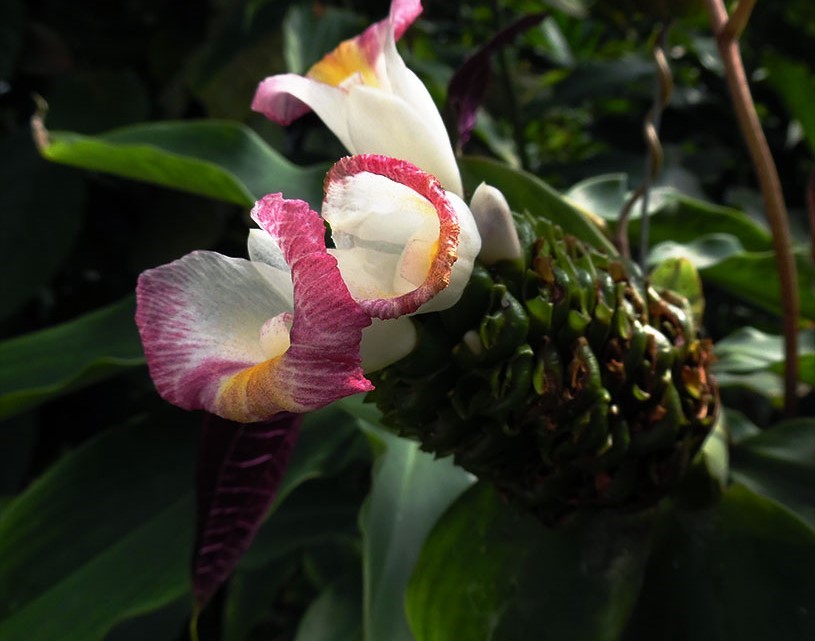
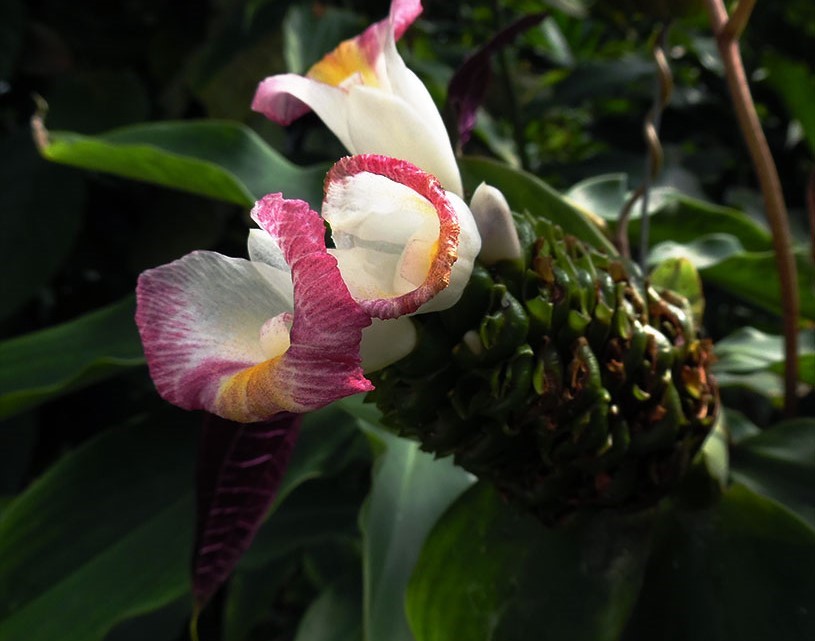
  • Flower: Bright yellow or pale pink, trumpet-shaped, emerging from a spiral-shaped stalk
  • Stem: Thick, succulent, with a spiral growth pattern
  • Leaves: Broad, lance-shaped, arranged helically
  • Height: 1–3 meters tall

The spiral stem and vivid blooms make it one of the most visually unique plants in the Tano ecosystem.


🌿 Ecological Role

  • Attracts bees, butterflies, and other pollinators
  • Helps stabilize moist soils along riverbanks
  • Provides shelter for small reptiles and amphibians in undergrowth
  • Adds organic matter to the forest floor when leaves drop

🧪 Medicinal and Traditional Uses

Costus afer is a powerful medicinal plant in West African ethnobotany:

  • Juice from the stem used to:
    • Treat coughs, sore throats, and respiratory infections
    • Lower blood sugar and blood pressure
    • Clean wounds and skin irritations
    • Serve as an antiseptic for oral hygiene
  • Leaves and roots may be:
    • Boiled into herbal teas
    • Applied as poultices for inflammation or joint pain

In rural areas along the Tano, it’s known as a “first aid plant” for both humans and animals.


🧙🏾‍♂️ Cultural and Spiritual Significance

Though not as spiritually central as other trees, Costus afer has a place in ritual herbalism:

  • Used in cleansing baths and fertility rites
  • Sometimes planted near village borders as a protective charm
  • Known among some elders as the “spiral of life”

⚠️ Conservation and Awareness

Costus afer is not endangered, but:

  • Overharvesting for herbal markets can threaten wild populations
  • Habitat loss due to mining, farming, and deforestation affects its range
  • Needs community education on sustainable harvesting

🌱 Why It Matters for the Tano River

Costus afer represents the hidden power of small forest flora:

  • It heals bodies and supports biodiversity
  • It thrives in wet, fragile habitats that need protection
  • It is part of the green pharmacy of the Tano people

🔗 Do you use or grow Costus near the Tano River? Submit your story or recipe at [TanoRiver.com/submit]


Sign Up For Daily Newsletter

Be keep up! Get the latest breaking news delivered straight to your inbox.
By signing up, you agree to our Terms of Use and acknowledge the data practices in our Privacy Policy. You may unsubscribe at any time.
Share This Article
Facebook Email Copy Link Print
ByAlexandre Tano Kan Koffi
Follow:

✍️ About the Author

Alexandre Tano Kan Koffi is the founder of TanoRiver.com and a passionate advocate for Africa’s environmental and cultural heritage. Named after the Tano River, he honors his legacy through storytelling and conservation.
📧 Contact: alex [@] alexandrekoffi.com

Leave a Comment Leave a Comment

Leave a Reply Cancel reply

Your email address will not be published. Required fields are marked *

Receive latest news from all areas of Wildlife Animals

Our selection of the week's biggest research news and features sent directly to your inbox. Enter your email address, confirm you're happy to receive our emails.

HOT NEWS

The Rivers, Lakes & Lagoons Collective

The rivers in Ghana

April 10, 2026

🪷 Cultural Significance of the Tano River

May 5, 2026

✨ Spiritual and Historical Importance of the Tano River

February 13, 2026

📖 Indigenous Stories and Oral Traditions of the Tano River

May 9, 2026

Follow US: 

About us

  • 🌍 The Project / Get Involved
  • ✉️ Contact us
  • 💛 Donate
  • 🤝 Partnerships / Collaborate

TanoRiver.com

  • Terms and Conditions
  • Privacy Policy
  • Cookie Policy

Cookies Notice

We use our own and third-party cookies to improve our services, personalise your advertising and remember your preferences.
Welcome Back!

Sign in to your account

Username or Email Address
Password

Lost your password?
