

The Tano River
  • Home
  • 🌊The River
    • The Tano River
    • Cultural Significance
    • Spiritual and Historical Importance
    • Taakora — The Deity of the Tano River
    • Comprehensive Analysis of the Tano River and Its Basin
  • 🌿Environment
    • Flora and Fauna
    • Environmental Challenges
    • Conservation Efforts
    • The Tano River Basin
    • The Galamsey Crisis
    • Animals of the Tano
    • Trees and Plants of the Tano
    • Parks and Forest
    • Lagoons
    • Tributaries of the Tano River
  • History
    • Stories and Oral Traditions
    • Historical Events
    • Ancient Trade and Conflicts
    • The Legend of Tano and Bia
    • Deities and Spirits
    • God Tano, Afua Krankra, and Asase Ya/Afua in Akan Mythology
  • 🎉Culture
    • Ethnic Groups Along the Tano River
    • Fishing, Agriculture, and Rituals
    • Festivals and River Ceremonies
    • The Natural Border Between Ghana and Ivory Coast
  • 🛶 Tourism
    • Natural Sites to Visit
    • Cultural Experiences
    • Local Guides & Eco-Tourism
    • Creating a Touristic Ecosystem
  • 🌍News
  • Global Initiative
  • 🌍About
    • 📖The Project / Get Involved
    • 🧾 About me
    • ✉️ Contact us
    • 🤝 Partnerships / Collaborate
    • 💛 Donate
    • 🌿 A Tribute to My Father and Grandfather
    • 🧾All Our articles
    • 🧾Search Our Articles
    • 📖Glossary of the Tano River Ecosystem
Donate
Font ResizerAa
The Tano RiverThe Tano River
Search

Popular Posts

The Rivers, Lakes & Lagoons Collective

The rivers in Ghana

About the River

🪷 Cultural Significance of the Tano River

About the River

✨ Spiritual and Historical Importance of the Tano River

Welcome to Tanoriver.com

Join the Tano River Collective Project and be part of a growing movement dedicated to preserving the life, culture, and ecosystems of the Tano River. Together, we can make a lasting impact.
Join Us
Follow US
TanoRiver.com
The Tano River > All our Articles > Environment & Biodiversity > Species of the Tano River > Mammals > 🦛 Common Hippopotamus (Hippopotamus amphibius)
MammalsSpecies of the Tano River

🦛 Common Hippopotamus (Hippopotamus amphibius)

By
Alexandre Tano Kan Koffi
Last updated: May 14, 2026
2 Min Read
Share

📍 Habitat

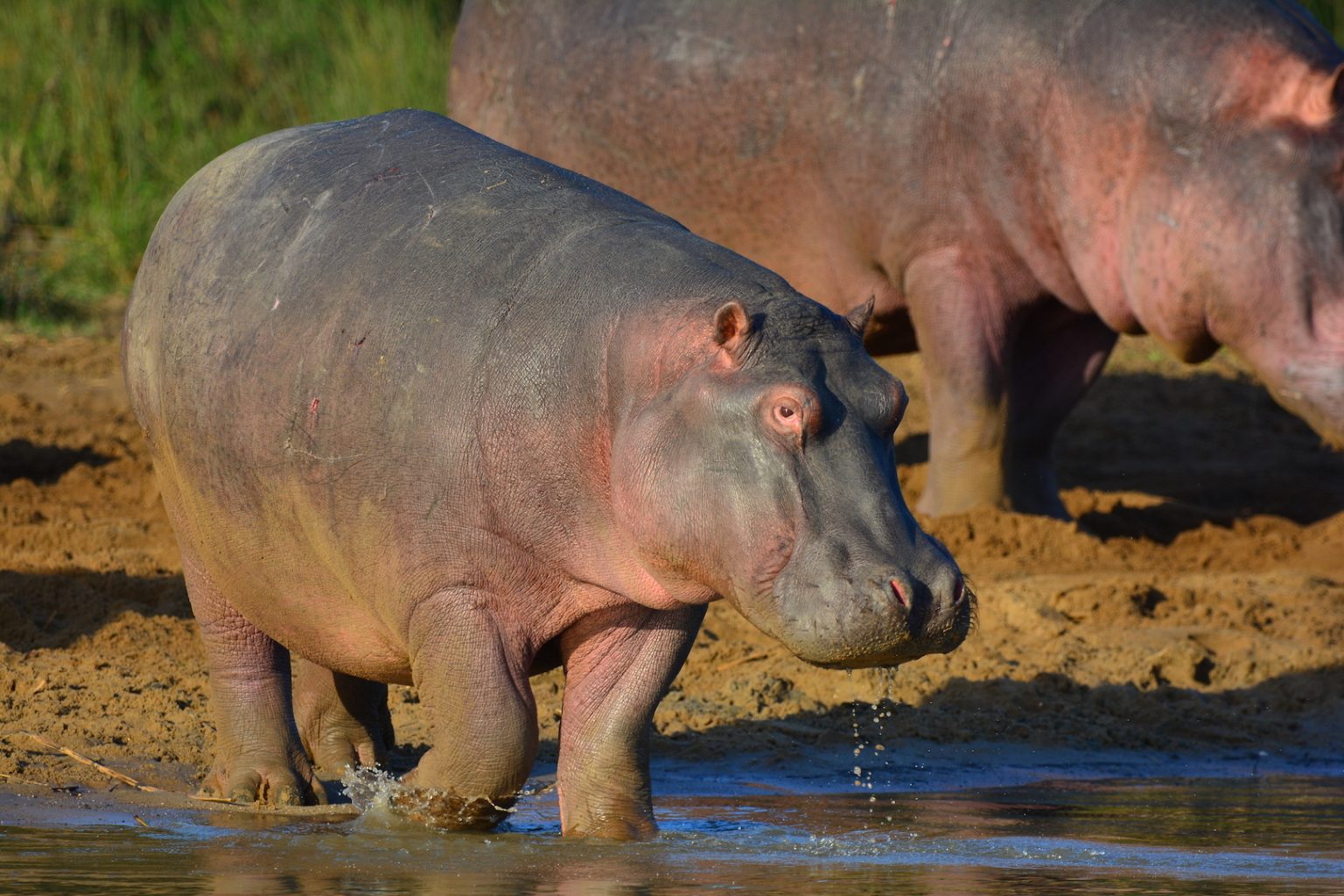
In the Tano River, a small and isolated sub-population of hippopotamuses has been recorded, particularly in less accessible river stretches near the Ghana–Côte d’Ivoire border. These hippos rely on deep, slow-moving river channels, oxbow lakes, and adjacent grasslands for grazing.

Contents
📍 Habitat⚠️ Conservation Status🧬 Description🧠 Behavior🧘‍♂️ Cultural Role🌍 Ecological Role🔥 Conservation Challenges

Due to human expansion, they are increasingly confined to remote forested or swampy zones.


⚠️ Conservation Status

  • IUCN Red List: Vulnerable
  • Threats specific to the Tano region:
    • Habitat fragmentation from agriculture and gold mining (galamsey)
    • Water pollution and sedimentation
    • Poaching for meat and ivory (teeth)
    • Human-hippo conflict in farming areas

🧬 Description

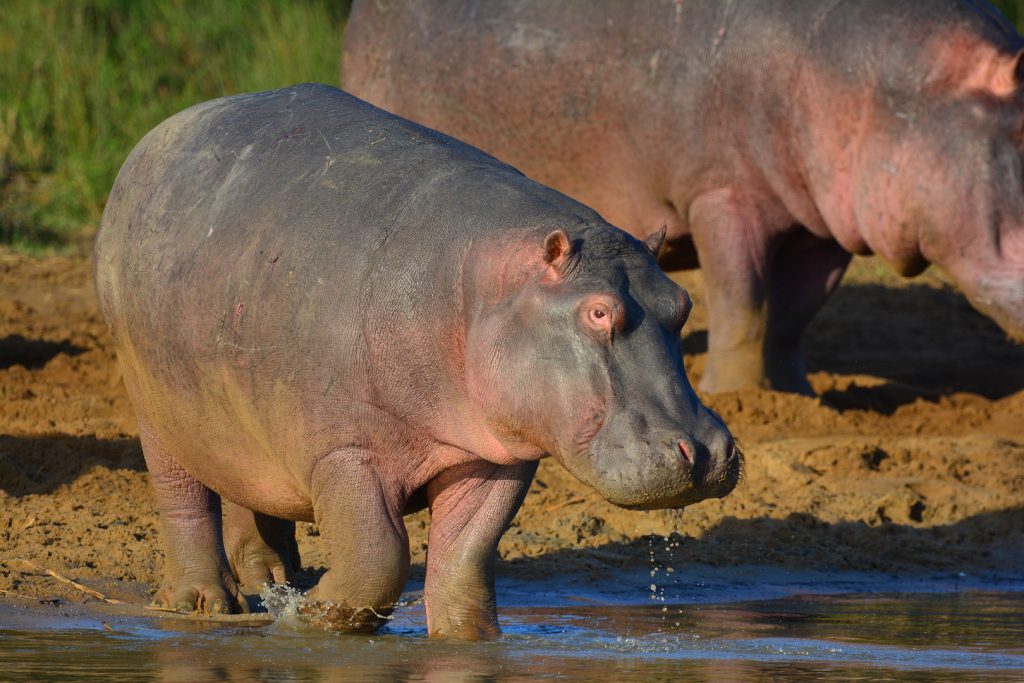
  • Massive semi-aquatic mammal, weighing 1,300–1,800 kg
  • Barrel-shaped body, nearly hairless skin
  • Grey-brown with pinkish tones around the eyes and ears
  • Can remain submerged for up to 5 minutes
  • Territorial in water, but grazes peacefully on land at night

🧠 Behavior

  • Nocturnal grazers, feeding mostly on grass
  • Live in small groups (3–10 individuals)
  • Use grunts, bellows, and wheezes to communicate
  • Despite their bulk, they are strong swimmers and runners

🧘‍♂️ Cultural Role

In many West African oral traditions, the hippopotamus is a symbol of power, water, and unpredictability. Some myths describe it as a guardian of sacred waters, others as a spirit animal of transformation.

In the Tano region, hippos are rarely seen but deeply respected. Their occasional surfacing is considered a rare and powerful omen.


🌍 Ecological Role

  • Helps maintain riverbank vegetation through grazing
  • Creates aquatic channels and mud baths used by other species
  • Their dung enriches aquatic ecosystems — a vital part of nutrient cycling

🔥 Conservation Challenges

  • The Tano sub-population is highly vulnerable due to its isolation
  • Protecting aquatic corridors is essential for their survival
  • Requires cross-border conservation cooperation between Ghana and Côte d’Ivoire
  • Need for better monitoring and public awareness

Sign Up For Daily Newsletter

Be keep up! Get the latest breaking news delivered straight to your inbox.
By signing up, you agree to our Terms of Use and acknowledge the data practices in our Privacy Policy. You may unsubscribe at any time.
Share This Article
Facebook Email Copy Link Print
ByAlexandre Tano Kan Koffi
Follow:

✍️ About the Author

Alexandre Tano Kan Koffi is the founder of TanoRiver.com and a passionate advocate for Africa’s environmental and cultural heritage. Named after the Tano River, he honors his legacy through storytelling and conservation.
📧 Contact: alex [@] alexandrekoffi.com

Leave a Comment Leave a Comment

Leave a Reply Cancel reply

Your email address will not be published. Required fields are marked *

Receive latest news from all areas of Wildlife Animals

Our selection of the week's biggest research news and features sent directly to your inbox. Enter your email address, confirm you're happy to receive our emails.

HOT NEWS

The Rivers, Lakes & Lagoons Collective

The rivers in Ghana

April 10, 2026

🪷 Cultural Significance of the Tano River

May 5, 2026

✨ Spiritual and Historical Importance of the Tano River

February 13, 2026

📖 Indigenous Stories and Oral Traditions of the Tano River

May 9, 2026

Follow US: 

About us

  • 🌍 The Project / Get Involved
  • ✉️ Contact us
  • 💛 Donate
  • 🤝 Partnerships / Collaborate

TanoRiver.com

  • Terms and Conditions
  • Privacy Policy
  • Cookie Policy

Cookies Notice

We use our own and third-party cookies to improve our services, personalise your advertising and remember your preferences.
Welcome Back!

Sign in to your account

Username or Email Address
Password

Lost your password?

