



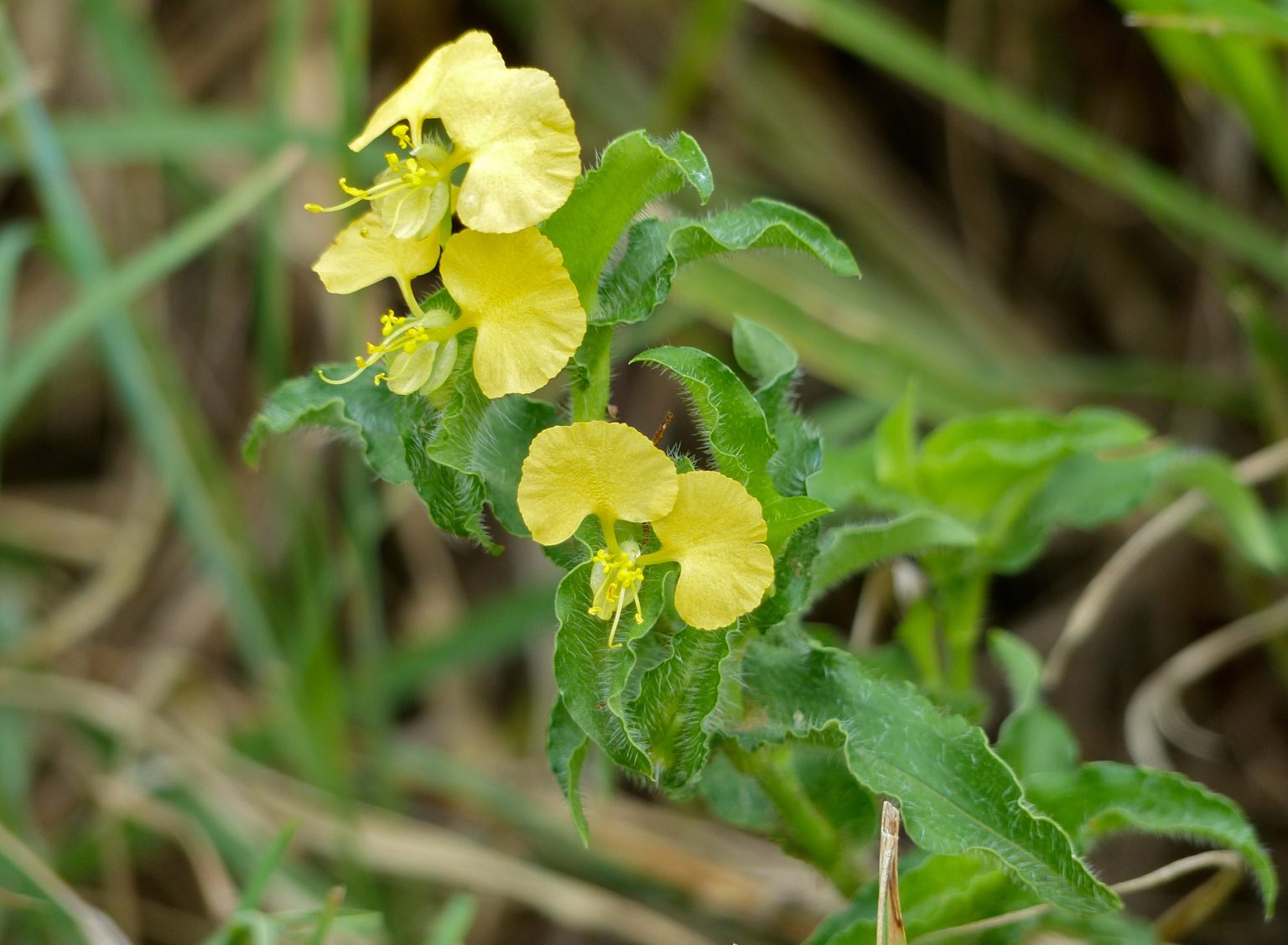
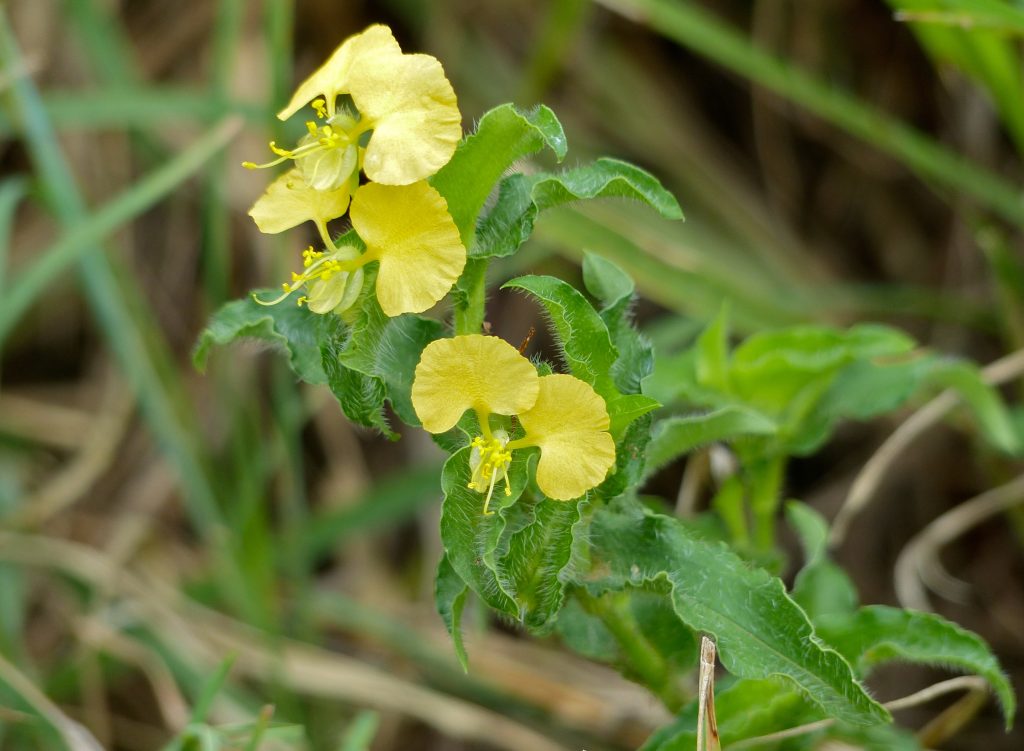
A fragile blue bloom that vanishes with the sun, yet colors the life along the Tano River
🔎 Scientific Name: Commelina africana
Common names: African dayflower, Yellow commelina (some varieties), “Nsuo-anemone” (Akan – water flower), “Bleuette d’Afrique” (Fr.)
Family: Commelinaceae (dayflower family)
📍 Habitat and Distribution
Commelina africana is native to tropical Africa, including:
- Ghana, Côte d’Ivoire, and much of sub-Saharan Africa
It thrives in:
- Moist soils along riverbanks and wet trails
- Forest clearings, farms, and roadside edges
- Frequently spotted in lowland areas of the Tano River Basin, especially near seasonal streams and shady thickets
Often found invisible until morning, then revealing itself briefly with the first sunlight.
🌸 Botanical Description
- Flowers: Delicate, small blue or violet petals, fading by afternoon
- Usually two upper petals are brightly colored and a third is smaller and paler
- Leaves: Lance-shaped, succulent, light green
- Growth: Creeping or upright herbaceous plant, rarely more than 40 cm tall
- Lifespan of bloom: One day only – opens in the morning, wilts by mid-day
Its ephemeral nature gives the plant both scientific interest and poetic symbolism.
🌍 Ecological Role
- Grows rapidly in disturbed soils, helping to:
- Prevent erosion
- Cover the ground in degraded riparian zones
- Provides nectar for small bees and butterflies
- Forage plant for goats and small herbivores
Though humble in size, it plays a ground-level role in biodiversity and resilience.
🧙🏿♂️ Cultural and Symbolic Meaning
In Akan and Baoulé oral tradition, the African dayflower may symbolize:
- Fleeting beauty
- Life’s impermanence
- A reminder to seize the morning and honor the day
Locally, it is often known but rarely named, earning nicknames like “the blue whisper” or “flower of the dew.”
Some river-dwellers view its morning bloom as a sign of blessing from the spirits of the water.
🌿 Medicinal and Folk Uses
Though not heavily used, traditional uses include:
- Leaf juice applied to:
- Minor skin wounds
- Eye infections
- Insect bites
- Sometimes boiled with other herbs for cooling teas or anti-inflammatory decoctions
Its gentle nature makes it useful in children’s herbal medicine.
⚠️ Conservation Status
- Widespread and common, not endangered
- But susceptible to:
- Habitat degradation from mining or urban development
- Being overlooked due to its small size and short flowering window
It flourishes best where natural vegetation and seasonal waters are still present.
🌱 Why It Matters for the Tano River
Commelina africana is a symbol of the quiet, overlooked resilience of nature:
- It blooms, fades, and returns—like the river itself
- It offers beauty, healing, and memory, all in a single morning
- It reminds us to notice the little things before they disappear
🔗 Have you seen the blue morning bloom of the dayflower along the Tano? Share your sighting at [TanoRiver.com/submit]


