

The Tano River
  • Home
  • ๐ŸŒŠThe River
    • The Tano River
    • Cultural Significance
    • Spiritual and Historical Importance
    • Taakora โ€” The Deity of the Tano River
    • Comprehensive Analysis of the Tano River and Its Basin
  • ๐ŸŒฟEnvironment
    • Flora and Fauna
    • Environmental Challenges
    • Conservation Efforts
    • The Tano River Basin
    • The Galamsey Crisis
    • Animals of the Tano
    • Trees and Plants of the Tano
    • Parks and Forest
    • Lagoons
    • Tributaries of the Tano River
  • History
    • Stories and Oral Traditions
    • Historical Events
    • Ancient Trade and Conflicts
    • The Legend of Tano and Bia
    • Deities and Spirits
    • God Tano, Afua Krankra, and Asase Ya/Afua in Akan Mythology
  • ๐ŸŽ‰Culture
    • Ethnic Groups Along the Tano River
    • Fishing, Agriculture, and Rituals
    • Festivals and River Ceremonies
    • The Natural Border Between Ghana and Ivory Coast
  • ๐Ÿ›ถ Tourism
    • Natural Sites to Visit
    • Cultural Experiences
    • Local Guides & Eco-Tourism
    • Creating a Touristic Ecosystem
  • ๐ŸŒNews
  • Global Initiative
  • ๐ŸŒAbout
    • ๐Ÿ“–The Project / Get Involved
    • ๐Ÿงพ About me
    • โœ‰๏ธ Contact us
    • ๐Ÿค Partnerships / Collaborate
    • ๐Ÿ’› Donate
    • ๐ŸŒฟ A Tribute to My Father and Grandfather
    • ๐ŸงพAll Our articles
    • ๐ŸงพSearch Our Articles
    • ๐Ÿ“–Glossary of the Tano River Ecosystem
Donate
Font ResizerAa
The Tano RiverThe Tano River
Search

Popular Posts

The Rivers, Lakes & Lagoons Collective

The rivers in Ghana

About the River

๐Ÿชท Cultural Significance of the Tano River

About the River

โœจ Spiritual and Historical Importance of the Tano River

Welcome to Tanoriver.com

Join the Tano River Collective Project and be part of a growing movement dedicated to preserving the life, culture, and ecosystems of the Tano River. Together, we can make a lasting impact.
Join Us
Follow US
TanoRiver.com
The Tano River > All our Articles > Environment & Biodiversity > Species of the Tano River > Mammals > ๐Ÿ’ Colobus vellerosus โ€“ Ursine Colobus
Mammals

๐Ÿ’ Colobus vellerosus โ€“ Ursine Colobus

By
Alexandre Tano Kan Koffi
Last updated: January 17, 2026
4 Min Read
Share

A silent guardian of the treetops, rare and endangered in the forests of the Tano

Contents
๐Ÿ” Quick Facts๐ŸŒ Distribution and HabitatIn the Tano River region, it is found:๐Ÿ’ Appearance๐ŸŒฟ Behavior and Diet๐Ÿฃ Reproduction๐Ÿงญ Cultural and Ecological Significanceโš ๏ธ Threats๐Ÿ›ก๏ธ Conservation and Hope๐ŸŒŠ Why It Matters for the Tano River

๐Ÿ” Quick Facts

  • Common Name: Ursine Colobus, also known as the White-thighed Colobus
  • Scientific Name: Colobus vellerosus
  • Family: Cercopithecidae (Old World monkeys)
  • IUCN Status: Vulnerable
  • Activity: Diurnal, arboreal
  • Habitat: Moist forests, gallery forests, swamp forests

๐ŸŒ Distribution and Habitat

The Ursine Colobus is native to the Upper Guinean forests of West Africa, including:

  • Ghana, Cรดte dโ€™Ivoire, Togo, and Benin

In the Tano River region, it is found:

  • In the Tanoรฉ-Ehy Forest Reserve (Cรดte dโ€™Ivoire)
  • Near the Ankasa Conservation Area (Ghana)
  • Possibly in riparian corridors along the lower Tano River

It prefers tall-canopy forests and often lives in groups of 10โ€“30 individuals.


๐Ÿ’ Appearance

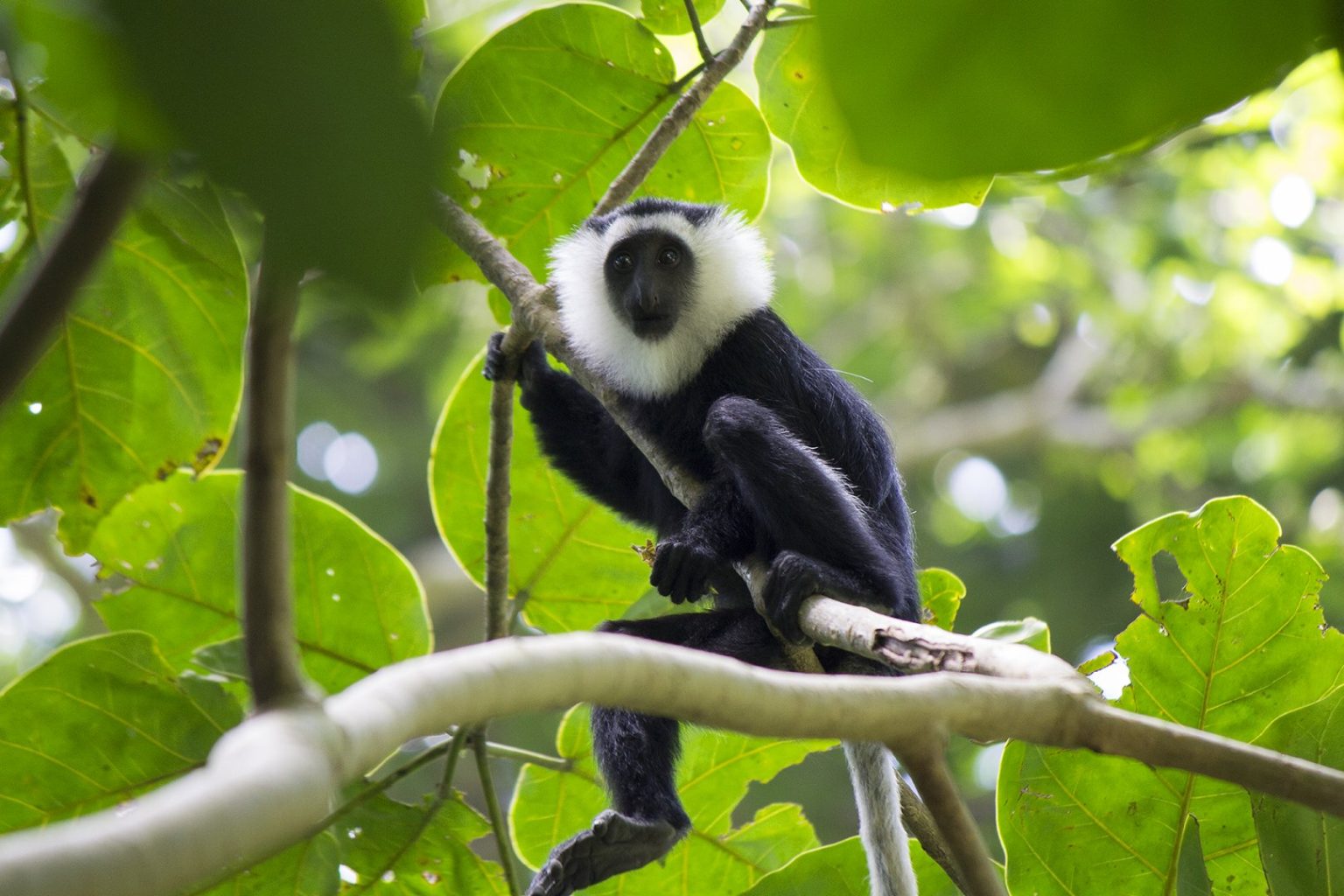
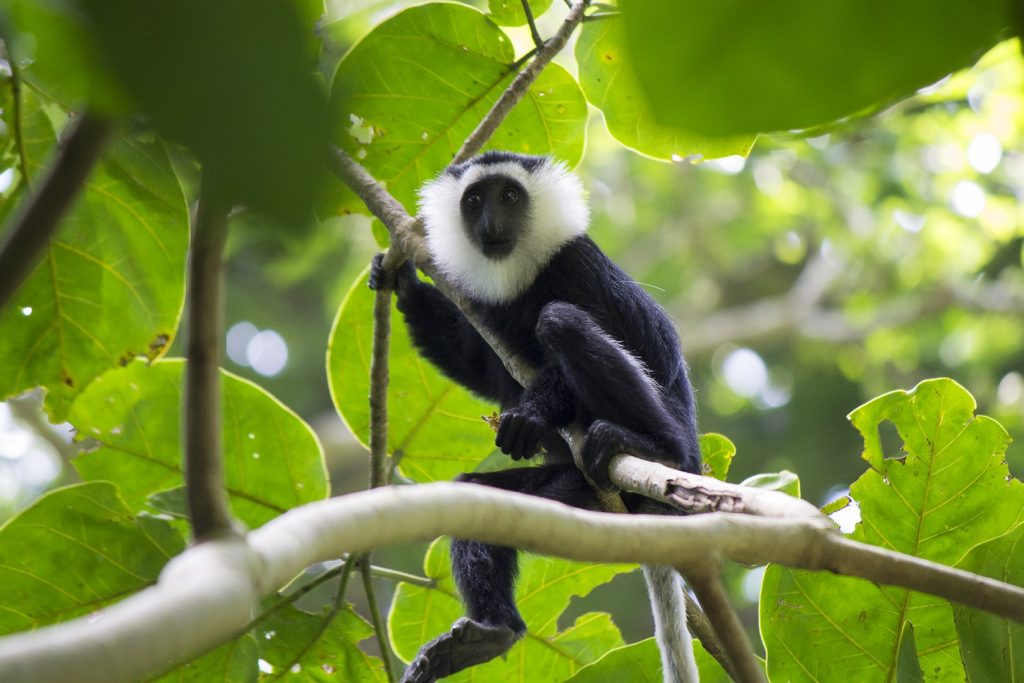
  • Fur: Entirely black body with distinctive white thigh tufts
  • Face: Hairless, black, with expressive eyes and a gentle profile
  • Tail: Long and white-tufted at the end, used for balance in trees
  • Size: Medium-sized monkey; males ~10โ€“15 kg, females slightly smaller

They are leaf-eating specialists with a multi-chambered stomach for digesting fibrous plants.


๐ŸŒฟ Behavior and Diet

  • Diurnal and arboreal, rarely descending to the ground
  • Moves gracefully through the canopy using leaps and bounds
  • Diet: Primarily young leaves, but also eats flowers, fruit, and bark
  • Social structure: Lives in cohesive groups with dominant males and multiple females

They are quiet monkeys, communicating with low growls, body posture, and subtle facial expressions.


๐Ÿฃ Reproduction

  • Females give birth every 2โ€“3 years
  • Single infants are born after ~6-month gestation
  • Babies are born with white fur, turning black over a few months
  • Alloparenting is common โ€” other females help care for infants

The group shares responsibility for raising young, helping ensure survival in a dangerous forest.


๐Ÿงญ Cultural and Ecological Significance

In some West African traditions:

  • Colobus monkeys are viewed as wise, calm beings
  • Their quiet nature and tree-top life often link them with ancestral spirits or omens
  • Rarely hunted, though sometimes threatened by habitat loss or mistaken identity

Ecologically, they are:

  • Important seed dispersers and leaf trimmers
  • Their selective feeding can shape forest regeneration and canopy dynamics

โš ๏ธ Threats

The Ursine Colobus is Vulnerable, facing:

  • ๐Ÿšซ Deforestation for agriculture, logging, and mining
  • โš ๏ธ Forest fragmentation, which isolates populations
  • ๐Ÿ”ซ Hunting pressure, often accidental via bushmeat trade
  • โŒ Loss of connectivity between habitat patches

Population declines have been observed throughout their range.


๐Ÿ›ก๏ธ Conservation and Hope

Efforts to protect the Ursine Colobus include:

  • ๐Ÿ“ Protected areas: like Tanoรฉ-Ehy and Ankasa
  • ๐Ÿง  Community education to reduce hunting
  • ๐Ÿ“ธ Monitoring via camera traps and field surveys
  • ๐ŸŒณ Restoration of forest corridors

The Tano Basin remains one of their last refuges in southern West Africa.


๐ŸŒŠ Why It Matters for the Tano River

The Ursine Colobus is:

  • A symbol of forest peace and balance
  • A key player in canopy ecology and plant cycling
  • A species that depends entirely on healthy, undisturbed forests

Its survival reflects the health of the Tano Riverโ€™s sacred forests.


๐Ÿ”— Have you seen or heard these monkeys calling from the treetops near your village? Help us document their presence at [TanoRiver.com/submit]


Sign Up For Daily Newsletter

Be keep up! Get the latest breaking news delivered straight to your inbox.
By signing up, you agree to our Terms of Use and acknowledge the data practices in our Privacy Policy. You may unsubscribe at any time.
Share This Article
Facebook Email Copy Link Print
ByAlexandre Tano Kan Koffi
Follow:

โœ๏ธ About the Author

Alexandre Tano Kan Koffi is the founder of TanoRiver.com and a passionate advocate for Africaโ€™s environmental and cultural heritage. Named after the Tano River, he honors his legacy through storytelling and conservation.
๐Ÿ“ง Contact: alex [@] alexandrekoffi.com

Leave a Comment Leave a Comment

Leave a Reply Cancel reply

Your email address will not be published. Required fields are marked *

Receive latest news from all areas of Wildlife Animals

Our selection of the week's biggest research news and features sent directly to your inbox. Enter your email address, confirm you're happy to receive our emails.

HOT NEWS

The Rivers, Lakes & Lagoons Collective

The rivers in Ghana

April 10, 2026

๐Ÿชท Cultural Significance of the Tano River

May 5, 2026

โœจ Spiritual and Historical Importance of the Tano River

February 13, 2026

๐Ÿ“– Indigenous Stories and Oral Traditions of the Tano River

May 9, 2026

Follow US:ย 

About us

  • ๐ŸŒ The Project / Get Involved
  • โœ‰๏ธ Contact us
  • ๐Ÿ’› Donate
  • ๐Ÿค Partnerships / Collaborate

TanoRiver.com

  • Terms and Conditions
  • Privacy Policy
  • Cookie Policy

Cookies Notice

We use our own and third-party cookies to improve our services, personalise your advertising and remember your preferences.
Welcome Back!

Sign in to your account

Username or Email Address
Password

Lost your password?
