

The Tano River
  • Home
  • 🌊The River
    • The Tano River
    • Cultural Significance
    • Spiritual and Historical Importance
    • Taakora β€” The Deity of the Tano River
    • Comprehensive Analysis of the Tano River and Its Basin
  • 🌿Environment
    • Flora and Fauna
    • Environmental Challenges
    • Conservation Efforts
    • The Tano River Basin
    • The Galamsey Crisis
    • Animals of the Tano
    • Trees and Plants of the Tano
    • Parks and Forest
    • Lagoons
    • Tributaries of the Tano River
  • History
    • Stories and Oral Traditions
    • Historical Events
    • Ancient Trade and Conflicts
    • The Legend of Tano and Bia
    • Deities and Spirits
    • God Tano, Afua Krankra, and Asase Ya/Afua in Akan Mythology
  • πŸŽ‰Culture
    • Ethnic Groups Along the Tano River
    • Fishing, Agriculture, and Rituals
    • Festivals and River Ceremonies
    • The Natural Border Between Ghana and Ivory Coast
  • πŸ›Ά Tourism
    • Natural Sites to Visit
    • Cultural Experiences
    • Local Guides & Eco-Tourism
    • Creating a Touristic Ecosystem
  • 🌍News
  • Global Initiative
  • 🌍About
    • πŸ“–The Project / Get Involved
    • 🧾 About me
    • βœ‰οΈ Contact us
    • 🀝 Partnerships / Collaborate
    • πŸ’› Donate
    • 🌿 A Tribute to My Father and Grandfather
    • 🧾All Our articles
    • 🧾Search Our Articles
    • πŸ“–Glossary of the Tano River Ecosystem
Donate
Font ResizerAa
The Tano RiverThe Tano River
Search

Popular Posts

The Rivers, Lakes & Lagoons Collective

The rivers in Ghana

About the River

πŸͺ· Cultural Significance of the Tano River

About the River

✨ Spiritual and Historical Importance of the Tano River

Welcome to Tanoriver.com

Join the Tano River Collective Project and be part of a growing movement dedicated to preserving the life, culture, and ecosystems of the Tano River. Together, we can make a lasting impact.
Join Us
Follow US
TanoRiver.com
The Tano River > All our Articles > Environment & Biodiversity > Species of the Tano River > Mammals > 🦌 Cephalophus niger – Black Duiker
Mammals

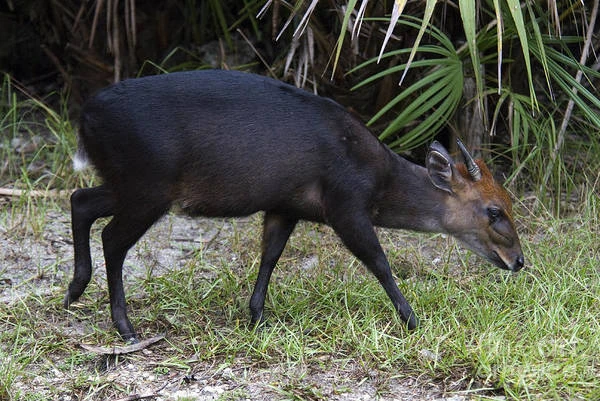
🦌 Cephalophus niger – Black Duiker

By
Alexandre Tano Kan Koffi
Last updated: October 14, 2025
3 Min Read
Share

A secretive shadow of the Tano forest floor, quiet but essential to the life of the undergrowth

Contents
πŸ” Quick Facts🌍 Distribution and HabitatIn the Tano River ecosystem, it is likely found:🦌 Appearance🌿 Behavior and Diet🐣 Reproduction🧭 Ecological Importance⚠️ Threats🌊 Why It Matters for the Tano River

πŸ” Quick Facts

  • Common Name: Black Duiker
  • Scientific Name: Cephalophus niger
  • Family: Bovidae
  • IUCN Status: Least Concern, but declining locally
  • Size: ~50 cm shoulder height; 15–20 kg
  • Activity: Diurnal (daytime active), often solitary
  • Habitat: Dense tropical lowland forests and thick undergrowth

🌍 Distribution and Habitat

Native to West Africa, the Black Duiker is found in:

  • CΓ΄te d’Ivoire, Ghana, Liberia, Sierra Leone, and Guinea

In the Tano River ecosystem, it is likely found:

  • In undisturbed swamp forests of the TanoΓ©-Ehy Forest Reserve
  • Along riparian corridors where forest density remains intact
  • Near fallen fruit trees and leafy cover, where it forages undetected

It avoids open terrain and requires dense ground-level vegetation.


🦌 Appearance

  • Color: Deep black or dark brown coat, often with a reddish tint on the back
  • Face: Short snout with a distinct reddish forehead patch
  • Horns: Both sexes have short, backward-curving horns
  • Size: Smaller than savanna antelopes, with a stocky build

Its coloration helps it blend perfectly into the shadows of the forest floor.


🌿 Behavior and Diet

  • Solitary, or seen in male-female pairs
  • Travels along narrow tunnels in the vegetation
  • Diet:
    • Fallen fruit, seeds, leaves, fungi, and occasionally small insects or carrion
    • Plays a key role in seed dispersal

Known for being elusive, it may freeze completely when startled before bolting.


🐣 Reproduction

  • Breeds year-round
  • Gestation: ~6.5 months
  • Females give birth to a single fawn, which is hidden in thick vegetation
  • Fawns are scentless and well-camouflaged, remaining still for days

Like other duikers, the young rely entirely on invisibility and silence.


🧭 Ecological Importance

The Black Duiker helps:

  • Disperse seeds across the forest, supporting regeneration
  • Shape the undergrowth through selective feeding
  • Provide prey for leopards, eagles, and pythons

Its presence is a positive indicator of forest health and low human disturbance.


⚠️ Threats

While still listed as Least Concern, this duiker faces several local threats:

  • 🏞 Habitat loss from farming, logging, and illegal gold mining
  • πŸ”« Poaching for bushmeat, even in protected areas
  • 🧱 Habitat fragmentation, isolating populations
  • ❌ Low reproductive rate, making recovery slow if populations are disturbed

In the Tano Basin, degradation of forest corridors puts this species at risk.


🌊 Why It Matters for the Tano River

The Black Duiker is:

  • A symbol of forest quietness and resilience
  • A key contributor to plant diversity and regeneration
  • A reminder that some of the most important animals are the ones we rarely see

Protecting it means keeping the forest floor alive and balanced β€” a space essential to the river’s broader ecosystem.


πŸ”— Have you ever spotted this shy antelope or seen signs like tracks or droppings? Help us track their presence at [TanoRiver.com/submit]


Sign Up For Daily Newsletter

Be keep up! Get the latest breaking news delivered straight to your inbox.
By signing up, you agree to our Terms of Use and acknowledge the data practices in our Privacy Policy. You may unsubscribe at any time.
Share This Article
Facebook Email Copy Link Print
ByAlexandre Tano Kan Koffi
Follow:

✍️ About the Author

Alexandre Tano Kan Koffi is the founder of TanoRiver.com and a passionate advocate for Africa’s environmental and cultural heritage. Named after the Tano River, he honors his legacy through storytelling and conservation.
πŸ“§ Contact: alex [@] alexandrekoffi.com

Leave a Comment Leave a Comment

Leave a Reply Cancel reply

Your email address will not be published. Required fields are marked *

Receive latest news from all areas of Wildlife Animals

Our selection of the week's biggest research news and features sent directly to your inbox. Enter your email address, confirm you're happy to receive our emails.

HOT NEWS

The Rivers, Lakes & Lagoons Collective

The rivers in Ghana

April 10, 2026

πŸͺ· Cultural Significance of the Tano River

May 5, 2026

✨ Spiritual and Historical Importance of the Tano River

February 13, 2026

πŸ“– Indigenous Stories and Oral Traditions of the Tano River

May 9, 2026

Follow US:Β 

About us

  • 🌍 The Project / Get Involved
  • βœ‰οΈ Contact us
  • πŸ’› Donate
  • 🀝 Partnerships / Collaborate

TanoRiver.com

  • Terms and Conditions
  • Privacy Policy
  • Cookie Policy

Cookies Notice

We use our own and third-party cookies to improve our services, personalise your advertising and remember your preferences.
Welcome Back!

Sign in to your account

Username or Email Address
Password

Lost your password?
