

The Tano River
  • Home
  • 🌊The River
    • The Tano River
    • Cultural Significance
    • Spiritual and Historical Importance
    • Taakora — The Deity of the Tano River
    • Comprehensive Analysis of the Tano River and Its Basin
  • 🌿Environment
    • Flora and Fauna
    • Environmental Challenges
    • Conservation Efforts
    • The Tano River Basin
    • The Galamsey Crisis
    • Animals of the Tano
    • Trees and Plants of the Tano
    • Parks and Forest
    • Lagoons
    • Tributaries of the Tano River
  • History
    • Stories and Oral Traditions
    • Historical Events
    • Ancient Trade and Conflicts
    • The Legend of Tano and Bia
    • Deities and Spirits
    • God Tano, Afua Krankra, and Asase Ya/Afua in Akan Mythology
  • 🎉Culture
    • Ethnic Groups Along the Tano River
    • Fishing, Agriculture, and Rituals
    • Festivals and River Ceremonies
    • The Natural Border Between Ghana and Ivory Coast
  • 🛶 Tourism
    • Natural Sites to Visit
    • Cultural Experiences
    • Local Guides & Eco-Tourism
    • Creating a Touristic Ecosystem
  • 🌍News
  • Global Initiative
  • 🌍About
    • 📖The Project / Get Involved
    • 🧾 About me
    • ✉️ Contact us
    • 🤝 Partnerships / Collaborate
    • 💛 Donate
    • 🌿 A Tribute to My Father and Grandfather
    • 🧾All Our articles
    • 🧾Search Our Articles
    • 📖Glossary of the Tano River Ecosystem
Donate
Font ResizerAa
The Tano RiverThe Tano River
Search

Popular Posts

The Rivers, Lakes & Lagoons Collective

The rivers in Ghana

About the River

🪷 Cultural Significance of the Tano River

About the River

✨ Spiritual and Historical Importance of the Tano River

Welcome to Tanoriver.com

Join the Tano River Collective Project and be part of a growing movement dedicated to preserving the life, culture, and ecosystems of the Tano River. Together, we can make a lasting impact.
Join Us
Follow US
TanoRiver.com
The Tano River > All our Articles > Environment & Biodiversity > Species of the Tano River > Mammals > 🦌 Cephalophus dorsalis – Bay Duiker
Mammals

🦌 Cephalophus dorsalis – Bay Duiker

By
Alexandre Tano Kan Koffi
Last updated: June 19, 2026
4 Min Read
Share
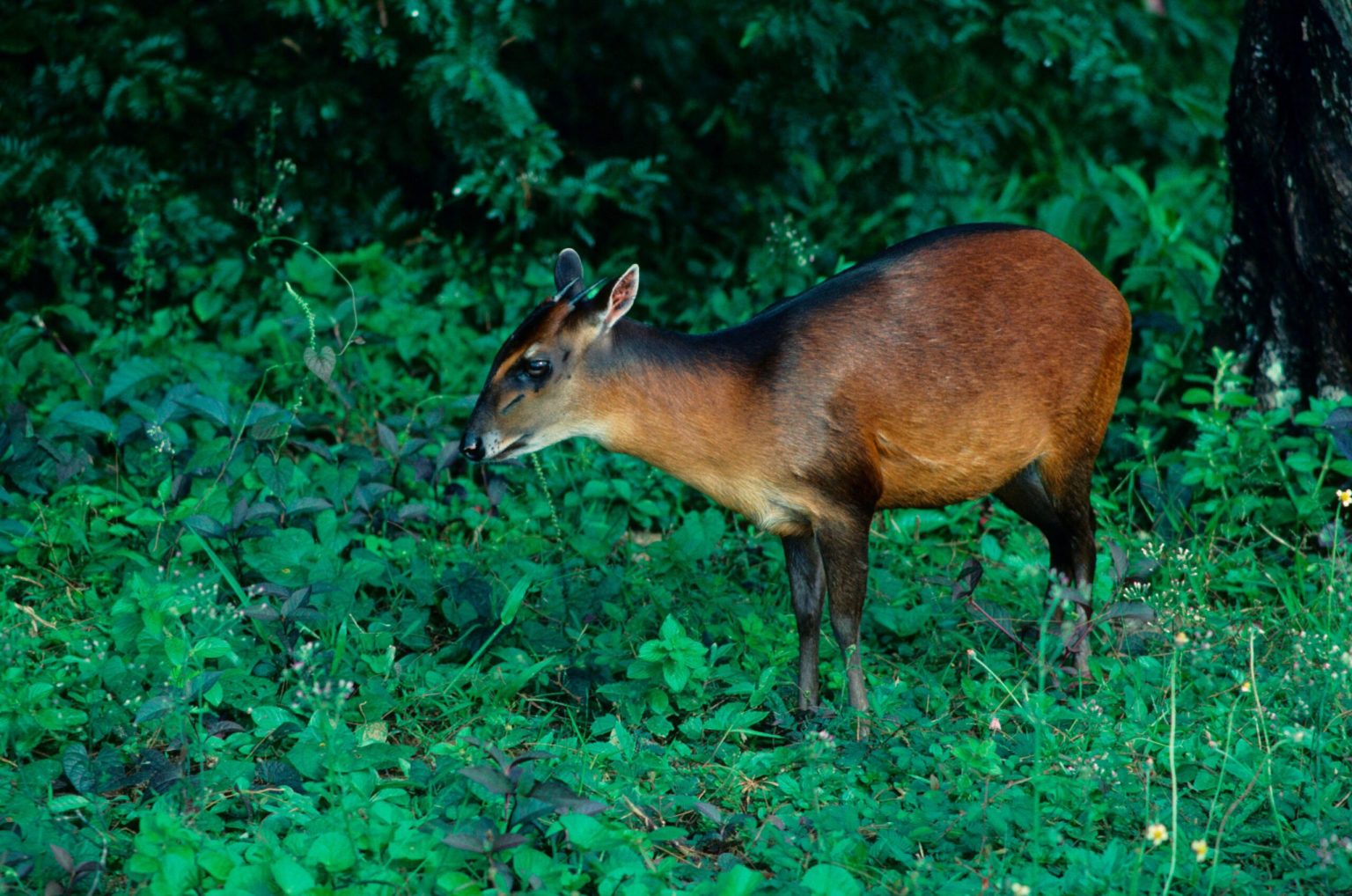
2R2Y7MK Bay duiker, black-backed duiker (Cephalophus dorsalis), antelope, ungulates, even-toed ungulates, mammals, animals, BayDuiker Side view, amongst

A shy forest shadow feeding beneath the canopy of the Tano River basin

Contents
🔍 Quick Facts🌍 Distribution and HabitatIn the Tano River region, it is believed to inhabit:🦌 Appearance🌿 Behavior and Diet🐣 Reproduction🧭 Ecological Role⚠️ Threats🌊 Why It Matters for the Tano River

🔍 Quick Facts

  • Common Name: Bay Duiker
  • Scientific Name: Cephalophus dorsalis
  • Family: Bovidae
  • IUCN Status: Least Concern (but vulnerable in fragmented forests)
  • Activity: Nocturnal and crepuscular (active at night and twilight)
  • Habitat: Dense tropical rainforests and swamp forests
  • Size: 45–50 cm at shoulder; ~20–25 kg weight

🌍 Distribution and Habitat

The Bay Duiker is found across the Upper Guinean forest zone of West Africa, including:

  • Ghana, Côte d’Ivoire, Liberia, Nigeria, and Sierra Leone

In the Tano River region, it is believed to inhabit:

  • The Tanoé-Ehy Forest Reserve and adjacent swamp forests
  • Riparian zones and deep undergrowth along the river’s path
  • Untouched or old secondary forests, far from human settlement

Its elusive habits and preference for dense foliage make it rarely seen but often present.


🦌 Appearance

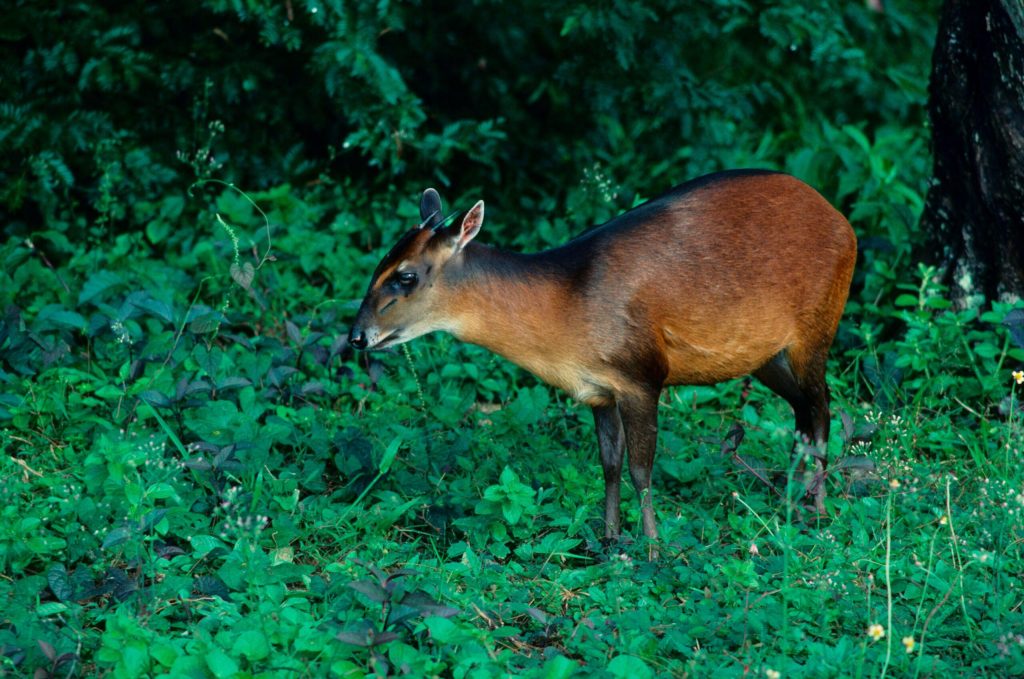
  • Coat: Rich reddish-brown (bay) body with a dark dorsal stripe from neck to tail
  • Legs: Blackish lower limbs, helping with camouflage in low light
  • Face: Pale markings and short, slightly curved horns in both sexes
  • Body: Compact and muscular, built for quiet movement in tight undergrowth

Its coloring and stealth make it blend into shadows, especially at dusk.


🌿 Behavior and Diet

  • Nocturnal and mostly solitary or found in pairs
  • Follows well-trodden forest paths to feeding and resting sites
  • Diet:
    • Fruits, leaves, fungi, twigs, and even small animal carrion
    • Known to eat snails, showcasing an omnivorous tendency

Despite their size, Bay Duikers can move silently through dense brush.


🐣 Reproduction

  • Breeds throughout the year
  • Gestation: ~6.5 months
  • Usually gives birth to a single fawn, which is hidden in dense vegetation
  • Mothers nurse and visit the young infrequently to avoid attracting predators

The fawn stays motionless for days or weeks, relying on camouflage and scentlessness.


🧭 Ecological Role

The Bay Duiker is:

  • A major seed disperser, especially for large-seeded forest trees
  • A forager that aids in nutrient cycling by consuming fruit, fungi, and detritus
  • Prey for leopards, large pythons, and crowned eagles

Its feeding helps support a balanced forest floor ecosystem.


⚠️ Threats

Even though classified as Least Concern, the Bay Duiker faces local threats:

  • 🌳 Deforestation for cocoa, mining, and logging
  • 🔫 Hunting for bushmeat
  • 🚫 Habitat fragmentation, making it harder for individuals to find mates or escape predators

In the Tano River basin, pressure from illegal mining and agriculture could shrink key duiker habitats.


🌊 Why It Matters for the Tano River

The Bay Duiker is:

  • A symbol of the hidden wealth of the Tano’s forest floor
  • A forest engineer, shaping ecosystems with each bite and step
  • A reminder that the forest’s quietest lives are often the most essential

To walk in the forest and never see a duiker is normal — but their quiet footsteps keep the ecosystem alive.


🔗 Have you seen hoof prints, droppings, or heard rustling near fruiting trees at night? Share your field observations at [TanoRiver.com/submit]


Sign Up For Daily Newsletter

Be keep up! Get the latest breaking news delivered straight to your inbox.
By signing up, you agree to our Terms of Use and acknowledge the data practices in our Privacy Policy. You may unsubscribe at any time.
Share This Article
Facebook Email Copy Link Print
ByAlexandre Tano Kan Koffi
Follow:

✍️ About the Author

Alexandre Tano Kan Koffi is the founder of TanoRiver.com and a passionate advocate for Africa’s environmental and cultural heritage. Named after the Tano River, he honors his legacy through storytelling and conservation.
📧 Contact: alex [@] alexandrekoffi.com

Leave a Comment Leave a Comment

Leave a Reply Cancel reply

Your email address will not be published. Required fields are marked *

Receive latest news from all areas of Wildlife Animals

Our selection of the week's biggest research news and features sent directly to your inbox. Enter your email address, confirm you're happy to receive our emails.

HOT NEWS

The Rivers, Lakes & Lagoons Collective

The rivers in Ghana

April 10, 2026

🪷 Cultural Significance of the Tano River

May 5, 2026

✨ Spiritual and Historical Importance of the Tano River

February 13, 2026

📖 Indigenous Stories and Oral Traditions of the Tano River

May 9, 2026

Follow US: 

About us

  • 🌍 The Project / Get Involved
  • ✉️ Contact us
  • 💛 Donate
  • 🤝 Partnerships / Collaborate

TanoRiver.com

  • Terms and Conditions
  • Privacy Policy
  • Cookie Policy

Cookies Notice

We use our own and third-party cookies to improve our services, personalise your advertising and remember your preferences.
Welcome Back!

Sign in to your account

Username or Email Address
Password

Lost your password?
