



A riverbank healer that lights up the Tano landscape with golden blooms and timeless remedies
🔎 Scientific Name: Cassia sieberiana
Common names: African cassia, Yellow cassia, “Duabodye” (Akan), “Sounan” (Baoulé), “Savanna candle tree”, “Cassia d’Afrique” (Fr.)
Family: Fabaceae (legume family)
📍 Habitat and Distribution
Cassia sieberiana is native to tropical and sub-tropical Africa, thriving in:
- Guinea savannah, woodland zones, and transition forests
- Found from Senegal to Ethiopia, including Ghana and Côte d’Ivoire
🌍 In the Tano River Basin:
- Common along riverbanks, floodplains, and wet savannah zones
- Especially present in open woodland or transition zones where savannah meets forest
- Prefers:
- Well-drained, sandy-loamy soil
- Seasonally wet areas with full sunlight
- Locations near seasonal streams and rural farming edges
Its adaptability allows it to withstand drought, yet it also flourishes after rains, making it perfect for riverside restoration efforts.
🌳 Botanical Description
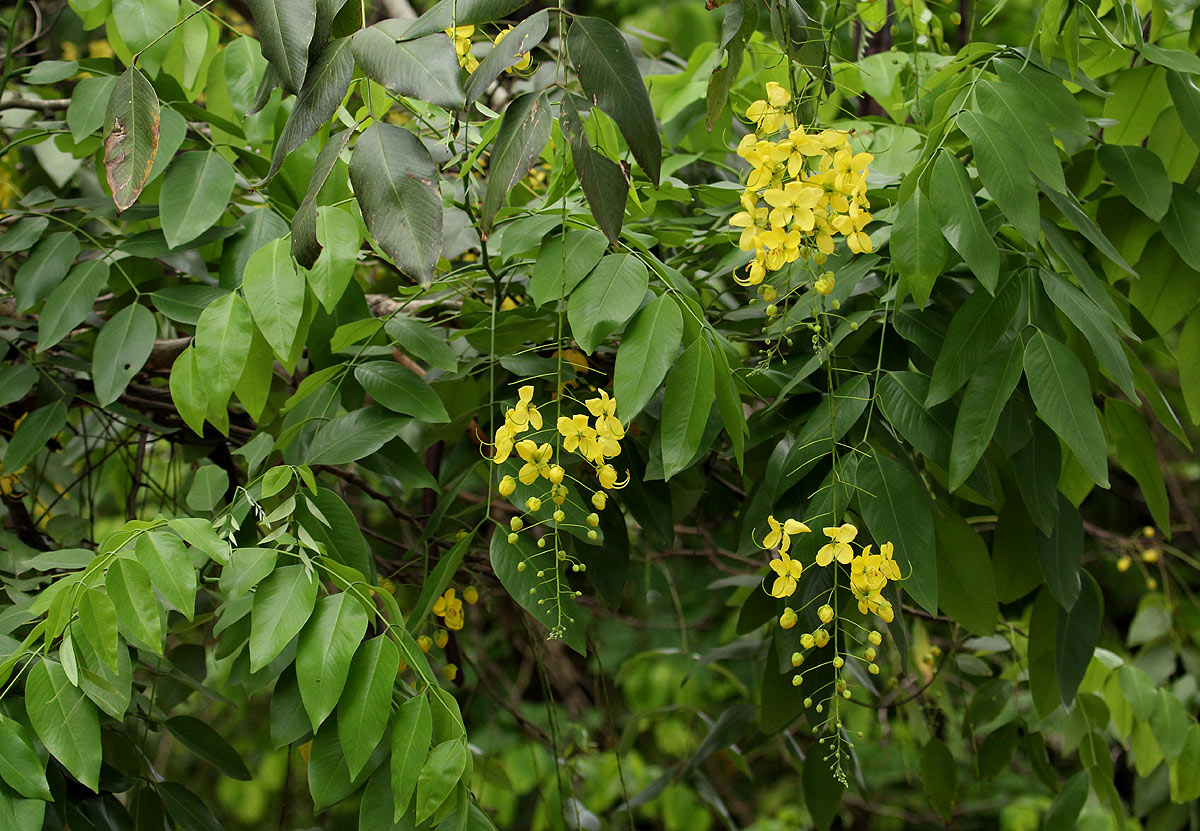
- Size: Medium tree, typically 4–10 meters tall
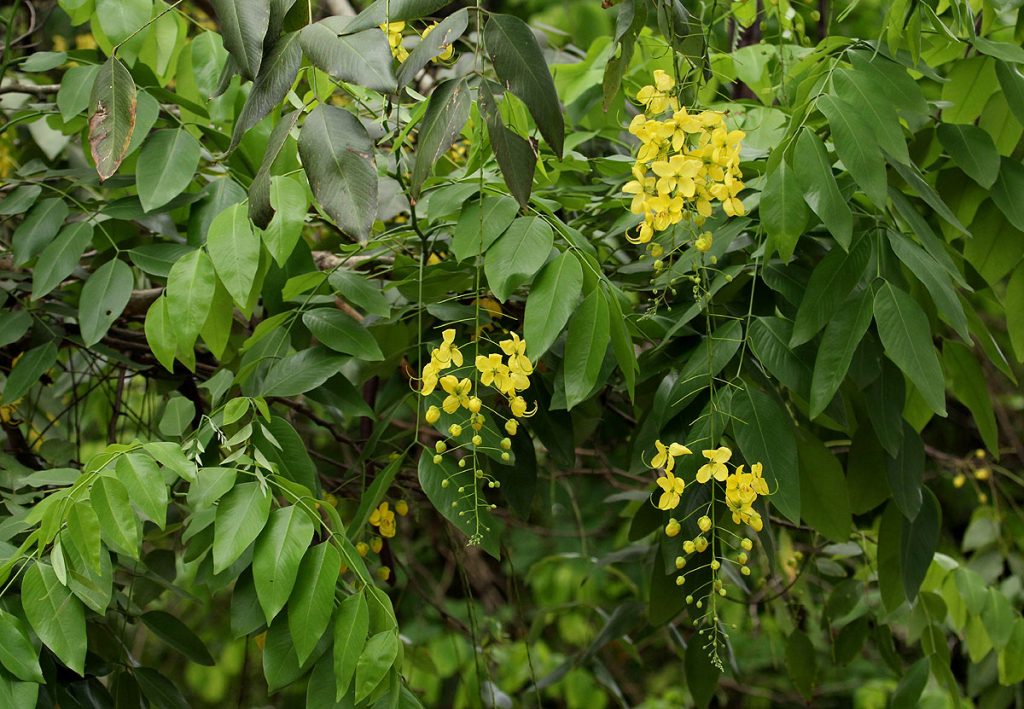
- Leaves: Alternate, feathery and compound with many leaflets
- Flowers: Showy, bright yellow, five-petaled — bloom in abundant clusters
- Fruits: Long, cylindrical pods with flat seeds
- Root system: Deep and strong — helps control erosion
Its striking yellow flowers often signal the start of the rainy season in West Africa.
🌿 Ecological Role
- Pollinator magnet – attracts bees, butterflies, and sunbirds
- Its roots fix nitrogen, enriching soils for nearby plants
- Pods feed wild herbivores, and its shade supports undergrowth
- Planted for erosion control and reforestation in degraded lands
🌍 Traditional Medicinal Uses
Cassia sieberiana is a key multi-use medicinal tree across West Africa:
🌿 Bark, root, leaves, and flowers used to treat:
- Malaria and fever
- Stomach pain and ulcers
- Jaundice and liver disease
- Urinary tract infections and sexually transmitted diseases
- Wounds, boils, and eye infections
🧪 Preparation forms:
- Decoctions, infusions, or pastes
- Ritual steam baths
- Powdered bark for topical application
It’s often one of the first trees consulted by traditional healers for internal cleansing and liver detoxification.
🧙🏽♂️ Cultural Significance
- Symbol of cleansing and renewal — due to its golden blooms and use in ritual purification
- Planted near village borders, healing centers, and burial sites
- Its flowering marks transitions in the seasonal and spiritual calendar
- Believed to guard river crossings and ward off spiritual illness
Its seeds may be used in ritual protection charms or healing necklaces.
⚠️ Conservation and Reforestation Use
- Not endangered but increasingly used in:
- Agroforestry projects
- Watershed restoration programs
- Erosion control along rivers and degraded lands
It’s one of the recommended trees for replanting riparian zones around the Tano River.
🌱 Why It Matters for the Tano River
Cassia sieberiana shines as:
- A biological protector of riverbanks
- A tree of healing, light, and balance
- A reminder that nature’s medicine grows not just in the forest, but also in open spaces touched by the river
🔗 Do you see the yellow cassia bloom where you live? Share your images or uses of this tree at [TanoRiver.com/submit]


