

The Tano River
  • Home
  • 🌊The River
    • The Tano River
    • Cultural Significance
    • Spiritual and Historical Importance
    • Taakora — The Deity of the Tano River
    • Comprehensive Analysis of the Tano River and Its Basin
  • 🌿Environment
    • Flora and Fauna
    • Environmental Challenges
    • Conservation Efforts
    • The Tano River Basin
    • The Galamsey Crisis
    • Animals of the Tano
    • Trees and Plants of the Tano
    • Parks and Forest
    • Lagoons
    • Tributaries of the Tano River
  • History
    • Stories and Oral Traditions
    • Historical Events
    • Ancient Trade and Conflicts
    • The Legend of Tano and Bia
    • Deities and Spirits
    • God Tano, Afua Krankra, and Asase Ya/Afua in Akan Mythology
  • 🎉Culture
    • Ethnic Groups Along the Tano River
    • Fishing, Agriculture, and Rituals
    • Festivals and River Ceremonies
    • The Natural Border Between Ghana and Ivory Coast
  • 🛶 Tourism
    • Natural Sites to Visit
    • Cultural Experiences
    • Local Guides & Eco-Tourism
    • Creating a Touristic Ecosystem
  • 🌍News
  • Global Initiative
  • 🌍About
    • 📖The Project / Get Involved
    • 🧾 About me
    • ✉️ Contact us
    • 🤝 Partnerships / Collaborate
    • 💛 Donate
    • 🌿 A Tribute to My Father and Grandfather
    • 🧾All Our articles
    • 🧾Search Our Articles
    • 📖Glossary of the Tano River Ecosystem
Donate
Font ResizerAa
The Tano RiverThe Tano River
Search

Popular Posts

The Rivers, Lakes & Lagoons Collective

The rivers in Ghana

About the River

🪷 Cultural Significance of the Tano River

About the River

✨ Spiritual and Historical Importance of the Tano River

Welcome to Tanoriver.com

Join the Tano River Collective Project and be part of a growing movement dedicated to preserving the life, culture, and ecosystems of the Tano River. Together, we can make a lasting impact.
Join Us
Follow US
TanoRiver.com
The Tano River > All our Articles > Environment & Biodiversity > Species of the Tano River > Fish > 🐟 Aplocheilichthys spilauchen – Banded Lampeye
FishSpecies of the Tano River

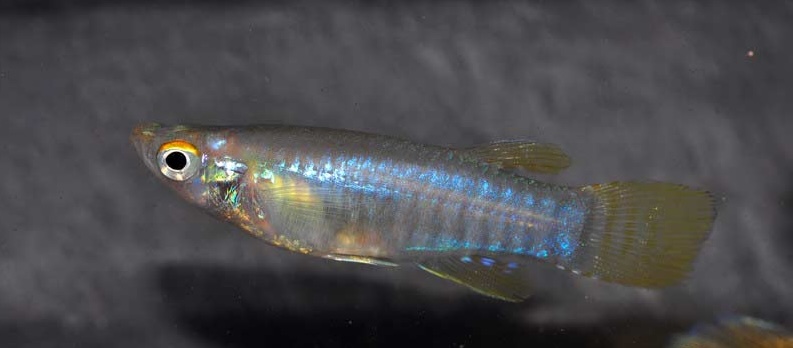
🐟 Aplocheilichthys spilauchen – Banded Lampeye

By
Alexandre Tano Kan Koffi
Last updated: November 11, 2025
4 Min Read
Share

A glowing jewel of the Tano River’s brackish waters, small in size, brilliant in presence

Contents
🔎 Scientific Name: Aplocheilichthys spilauchen🌍 Habitat and Distribution🌊 In the Tano River System, it is likely to occur:🐟 Physical Description🌿 Behavior and Ecology💡 Ecological Importance🌊 Conservation Status🧬 Relevance to Science and Aquaculture🌱 Why It Matters for the Tano River

🔎 Scientific Name: Aplocheilichthys spilauchen

Common names: Banded lampeye, African lampeye, “Lampeye killifish”
Family: Poeciliidae (formerly Aplocheilidae)


🌍 Habitat and Distribution

The Banded Lampeye is native to coastal West and Central Africa, commonly found in:

  • Estuaries, lagoons, mangroves, and slow-moving rivers
  • Distributed from Senegal to Angola, including:
    • Ghana, Côte d’Ivoire, Nigeria, Cameroon, and the Congo Basin

🌊 In the Tano River System, it is likely to occur:

  • In the Tendo, Ehy, and Aby lagoons, where the Tano River meets the sea
  • In brackish backwaters, river mouths, and quiet mangrove swamps near the Ghana–Ivory Coast border

This species is tolerant of varying salinity, making it a perfect resident of the river-lagoon transition zone.


🐟 Physical Description

  • Size: Small fish, about 4–5 cm (1.5–2 inches) in length
  • Coloration: Pale silver or olive body with horizontal dark stripes
  • Eyes: Large, with a distinctive shiny blue-white “lamp” above the iris — its namesake feature
  • Fins: Transparent to yellowish, often edged with faint color
  • Males often appear more vibrant than females, especially during mating displays

Their “glowing eyes” sparkle under the water surface in sunlight — like tiny stars flickering in the shallows.


🌿 Behavior and Ecology

  • Schooling fish, often found in small groups
  • Feeds on:
    • Tiny aquatic invertebrates, insect larvae, and algae
    • Mosquito larvae, making it useful in natural pest control
  • Prefers:
    • Shallow waters, low current, vegetation-rich areas

They reproduce through egg-laying, attaching their eggs to aquatic plants or substrate.


💡 Ecological Importance

  • Important part of the food web:
    • Prey for larger fish, birds, and amphibians
    • Controls mosquito populations in stagnant zones
  • Bioindicator for water quality and salinity levels

Their presence often reflects a healthy, oxygenated wetland ecosystem.


🌊 Conservation Status

  • Currently not endangered, but threatened by:
    • Pollution and mining runoff (e.g., from illegal gold mining near the Tano)
    • Habitat loss from mangrove deforestation and urban expansion
    • Salinity shifts due to climate change and damming

Conservation of brackish water zones and buffer vegetation is crucial to their long-term survival.


🧬 Relevance to Science and Aquaculture

  • Popular in aquariums due to their calm nature and shimmering eyes
  • Used in research on osmoregulation, due to their ability to live in both fresh and brackish water

In some areas, they are intentionally bred in rice paddies to control mosquito larvae.


🌱 Why It Matters for the Tano River

Aplocheilichthys spilauchen symbolizes:

  • The hidden micro-life that keeps ecosystems balanced
  • The beauty of even the smallest species in complex river-lagoon environments
  • The need to preserve coastal wetlands, where river and sea embrace

It is a delicate witness to both natural harmony and ecological stress in the Tano River estuary.


🔗 Have you seen these shimmering fish in the Tano lagoons? Share your photo or location at [TanoRiver.com/submit]


Sign Up For Daily Newsletter

Be keep up! Get the latest breaking news delivered straight to your inbox.
By signing up, you agree to our Terms of Use and acknowledge the data practices in our Privacy Policy. You may unsubscribe at any time.
Share This Article
Facebook Email Copy Link Print
ByAlexandre Tano Kan Koffi
Follow:

✍️ About the Author

Alexandre Tano Kan Koffi is the founder of TanoRiver.com and a passionate advocate for Africa’s environmental and cultural heritage. Named after the Tano River, he honors his legacy through storytelling and conservation.
📧 Contact: alex [@] alexandrekoffi.com

Leave a Comment Leave a Comment

Leave a Reply Cancel reply

Your email address will not be published. Required fields are marked *

Receive latest news from all areas of Wildlife Animals

Our selection of the week's biggest research news and features sent directly to your inbox. Enter your email address, confirm you're happy to receive our emails.

HOT NEWS

The Rivers, Lakes & Lagoons Collective

The rivers in Ghana

April 10, 2026

🪷 Cultural Significance of the Tano River

May 5, 2026

✨ Spiritual and Historical Importance of the Tano River

February 13, 2026

📖 Indigenous Stories and Oral Traditions of the Tano River

May 9, 2026

Follow US: 

About us

  • 🌍 The Project / Get Involved
  • ✉️ Contact us
  • 💛 Donate
  • 🤝 Partnerships / Collaborate

TanoRiver.com

  • Terms and Conditions
  • Privacy Policy
  • Cookie Policy

Cookies Notice

We use our own and third-party cookies to improve our services, personalise your advertising and remember your preferences.
Welcome Back!

Sign in to your account

Username or Email Address
Password

Lost your password?
