



📍 Habitat
The Antimachus swallowtail is native to the lowland tropical rainforests of West and Central Africa, and has been occasionally recorded in southern Ghana, including forest corridors and reserves near the Tano River Basin, such as the Boin Tano Forest Reserve and the Tanoé-Ehy Forest.
Contents
It requires undisturbed primary forests with access to canopy gaps and flowering trees.
⚠️ Conservation Status
- IUCN Red List: Data Deficient, but considered rare and declining
- Main Threats:
- Deforestation for farming and logging
- Loss of host plants and nectar sources
- Mining activity degrading forest quality
🧬 Description
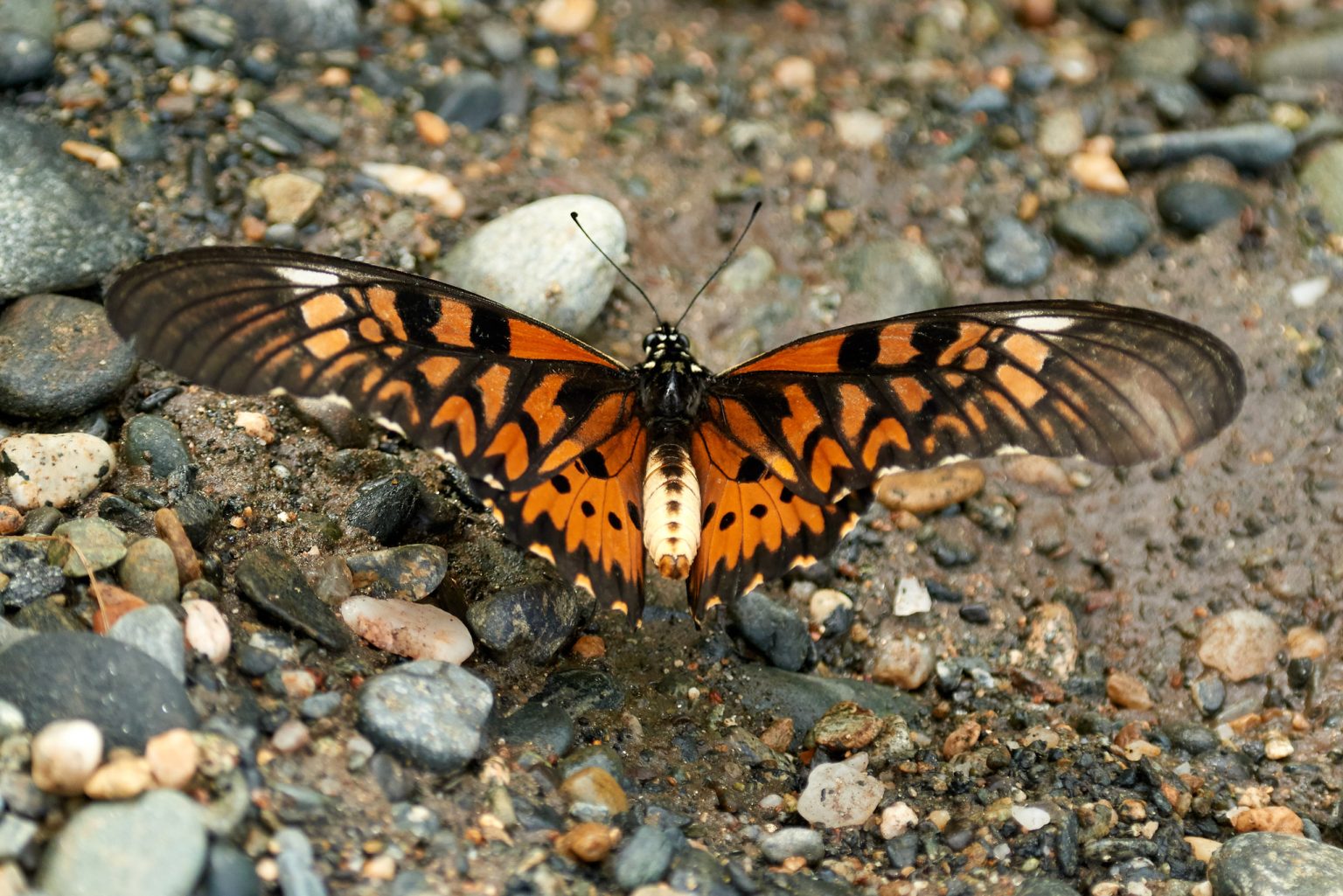
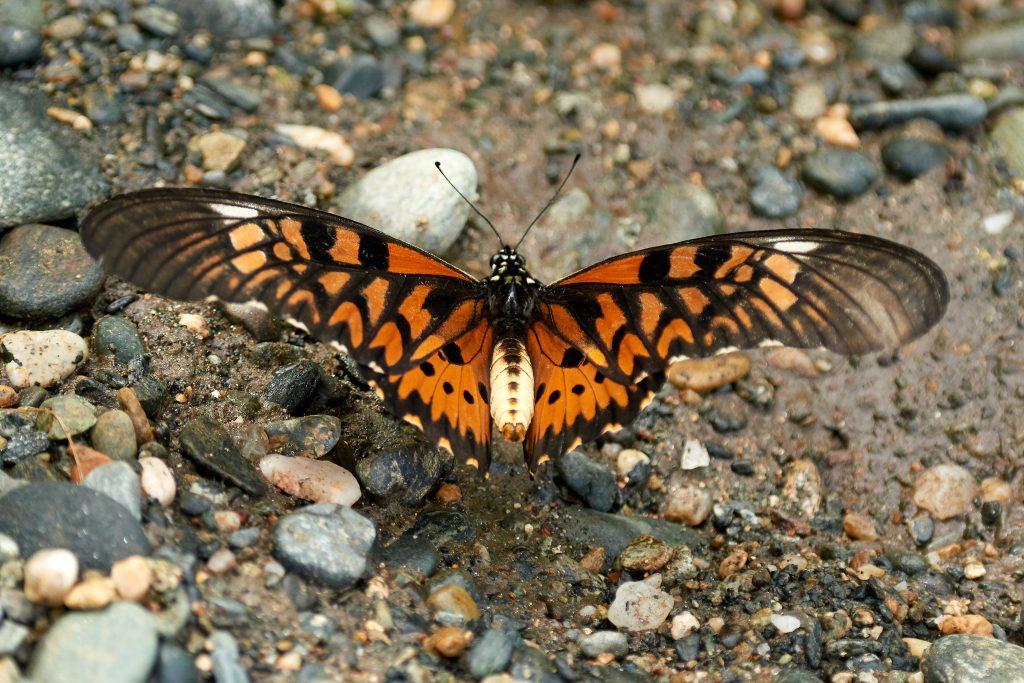
- Wingspan up to 25 cm — one of the largest butterflies in Africa
- Long, narrow orange-brown wings with dark spots
- Slow, majestic flight, usually high in the forest canopy
- Males are more often seen than females, which are rarer
🌱 Ecological Role
- Important pollinator of tropical flowers
- Acts as an indicator of intact forest ecosystems
- Its rarity and dependence on undisturbed forest make it a bioindicator species
✨ Cultural Importance
Though not well known in folklore, butterflies are often symbols of transformation, renewal, and spirits of the forest in many African oral traditions.
In some local myths, the rare sight of a giant butterfly like Papilio antimachus is seen as a blessing from the ancestors or forest spirits.
🔥 Conservation Actions Needed
- Protect large tracts of primary forest around the Tano River
- Avoid clearing forest edges and canopy trees (crucial for nectar)
- Include insect surveys in biodiversity monitoring
- Raise awareness about insect conservation as part of ecosystem health


