



📍 Habitat
The African pike inhabits slow-moving freshwater rivers, swamps, and floodplain pools, including shaded areas of the Tano River, oxbow lakes, and dense aquatic vegetation. It is most commonly found in deeper, quieter stretches with submerged tree roots and aquatic plants for cover.
Contents
⚠️ Conservation Status
- IUCN Red List: Least Concern
- Main Threats (Tano region):
- Water pollution from illegal mining (galamsey)
- Siltation and reduced water clarity
- Overfishing, especially with unsustainable gear
- Habitat fragmentation
🧬 Description
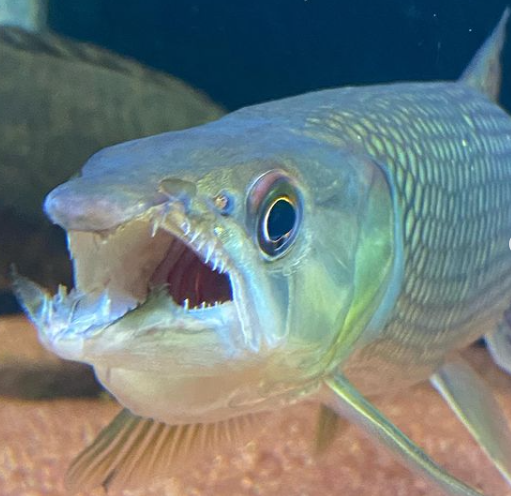
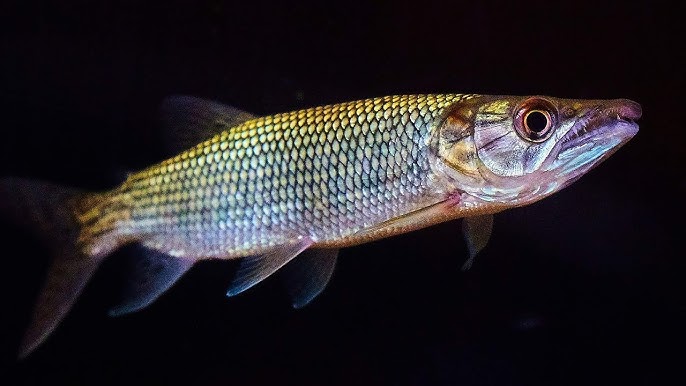
- Long, torpedo-shaped body with olive green to brown back and silvery flanks
- Powerful forked tail and sharp, forward-facing teeth
- Grows up to 60 cm in length
- Resembles the European pike in behavior, though it belongs to a different family
🧠 Behavior
- Ambush predator: hides in vegetation and strikes fast
- Feeds on smaller fish, frogs, crustaceans, and sometimes insects
- Solitary and territorial, especially in tight stream channels
- Active mainly at dawn and dusk
🌱 Ecological Role
As a top predator, the African pike helps regulate fish populations, maintaining balance in the aquatic food chain. Its presence reflects a healthy, well-structured river system.
🎣 Cultural and Economic Significance
- Considered a prized catch for local fishermen
- Consumed in nearby communities for its firm white meat
- Sometimes featured in riverine folklore as a “ghost fish” due to its speed and stealth
🔥 Conservation Priorities
- Preserve riparian vegetation and riverbank forests
- Limit pollution from illegal mining to protect water clarity and fish health
- Promote sustainable fishing practices in Tano River communities
- Monitor predatory fish as bioindicators of ecosystem stress


