

The Tano River
  • Home
  • 🌊The River
    • The Tano River
    • Cultural Significance
    • Spiritual and Historical Importance
    • Taakora — The Deity of the Tano River
    • Comprehensive Analysis of the Tano River and Its Basin
  • 🌿Environment
    • Flora and Fauna
    • Environmental Challenges
    • Conservation Efforts
    • The Tano River Basin
    • The Galamsey Crisis
    • Animals of the Tano
    • Trees and Plants of the Tano
    • Parks and Forest
    • Lagoons
    • Tributaries of the Tano River
  • History
    • Stories and Oral Traditions
    • Historical Events
    • Ancient Trade and Conflicts
    • The Legend of Tano and Bia
    • Deities and Spirits
    • God Tano, Afua Krankra, and Asase Ya/Afua in Akan Mythology
  • 🎉Culture
    • Ethnic Groups Along the Tano River
    • Fishing, Agriculture, and Rituals
    • Festivals and River Ceremonies
    • The Natural Border Between Ghana and Ivory Coast
  • 🛶 Tourism
    • Natural Sites to Visit
    • Cultural Experiences
    • Local Guides & Eco-Tourism
    • Creating a Touristic Ecosystem
  • 🌍News
  • Global Initiative
  • 🌍About
    • 📖The Project / Get Involved
    • 🧾 About me
    • ✉️ Contact us
    • 🤝 Partnerships / Collaborate
    • 💛 Donate
    • 🌿 A Tribute to My Father and Grandfather
    • 🧾All Our articles
    • 🧾Search Our Articles
    • 📖Glossary of the Tano River Ecosystem
Donate
Font ResizerAa
The Tano RiverThe Tano River
Search

Popular Posts

The Rivers, Lakes & Lagoons Collective

The rivers in Ghana

About the River

🪷 Cultural Significance of the Tano River

About the River

✨ Spiritual and Historical Importance of the Tano River

Welcome to Tanoriver.com

Join the Tano River Collective Project and be part of a growing movement dedicated to preserving the life, culture, and ecosystems of the Tano River. Together, we can make a lasting impact.
Join Us
Follow US
TanoRiver.com
The Tano River > All our Articles > Environment & Biodiversity > Trees and Plants of the Tano > 🌸 African Orchids of the Tano River Basin
Trees and Plants of the Tano

🌸 African Orchids of the Tano River Basin

By
Alexandre Tano Kan Koffi
Last updated: September 2, 2026
4 Min Read
Share

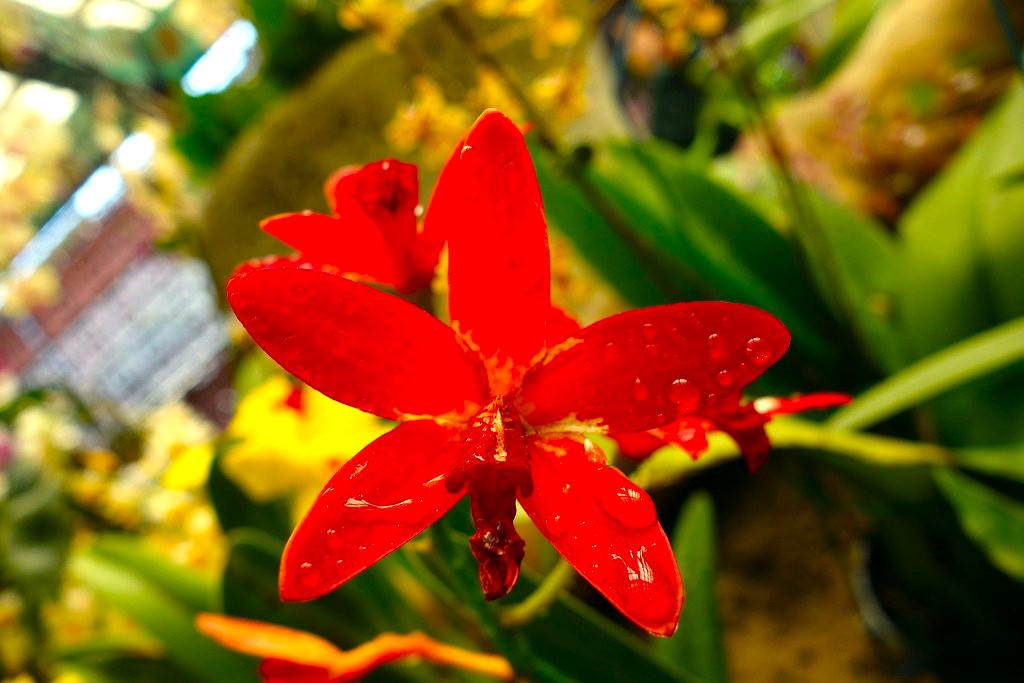
Delicate blooms hidden in the shadows of the forest canopy

Contents
🔎 General Overview🌿 Notable Wild Orchid Species (Documented or Likely Present)1. Ansellia africana (Leopard Orchid)2. Eulophia guineensis3. Habenaria spp.4. Polystachya concreta🌍 Ecological Role🧙🏽‍♀️ Cultural and Medicinal Significance⚠️ Threats to African Orchids🌱 Why They Matter for the Tano River

🔎 General Overview

Orchids are among the most diverse and enchanting flowering plants on Earth, and the Tano River Basin—with its humid forests, swamps, and riparian zones—hosts several native and wild orchid species.

In Ghana and Côte d’Ivoire, African orchids are:

  • Found in primary and secondary rainforests
  • Associated with sacred groves, undergrowth near rivers, and tree trunks in swamp forests
  • Especially visible in the Tanoé-Ehy Forest Wetlands, a known biodiversity hotspot

🌿 Notable Wild Orchid Species (Documented or Likely Present)

1. Ansellia africana (Leopard Orchid)

  • Appearance: Yellow with brown or maroon spots (like leopard print)
  • Growth: Epiphytic — grows on tree trunks and branches
  • Habitat: Moist forests, especially near watercourses
  • Cultural use: Considered sacred in some communities; sometimes used in herbal mixtures

2. Eulophia guineensis

  • Appearance: Tall ground orchid with greenish-yellow or reddish flowers
  • Growth: Terrestrial (grows in soil), often near river edges
  • Medicinal use: Tuber sometimes used in traditional medicine for stomach and reproductive health

3. Habenaria spp.

  • Appearance: Slender spikes of white or green flowers
  • Habitat: Damp forest floor or grassy riverbanks
  • Cultural importance: Used in spiritual medicine and bathing rituals

4. Polystachya concreta

  • Appearance: Tiny yellow-orange flowers on short stems
  • Growth: Grows on trees in dense forest shade
  • Ecology: Pollinated by bees and small flies; very sensitive to habitat loss

🌍 Ecological Role

  • Orchids are indicators of forest health — they thrive only in undisturbed ecosystems
  • Many are pollinator-specific, depending on certain bees, moths, or flies
  • Some epiphytic orchids help create microhabitats on large trees

Their loss often signals environmental stress or ecosystem degradation.


🧙🏽‍♀️ Cultural and Medicinal Significance

While not always as commonly used as trees or herbs, orchids have:

  • Spiritual value in some riverine communities (offered at shrines)
  • Medicinal applications in root or tuber form (fever, fertility, stomach ailments)
  • A place in folklore, often seen as rare and magical flowers

In Baoulé and Akan regions, their mysterious beauty is sometimes linked to forest spirits or ancestral messages.


⚠️ Threats to African Orchids

Orchids in the Tano region face serious threats:

  • Deforestation and illegal mining (galamsey) near water bodies
  • Overharvesting by collectors and herbalists
  • Climate change and drying of forest undergrowth
  • Lack of replanting knowledge or propagation methods

Because they depend on specific fungi to grow, orchids are very hard to restore once lost.


🌱 Why They Matter for the Tano River

African orchids may seem small and hidden, but they are:

  • Ecological jewels of the Tano Basin
  • Indicators of ancient forest balance
  • Bearers of spiritual elegance and rare beauty

Their preservation is tied to protecting the deep forest zones and traditional forest knowledge of the Tano people.


🔗 Have you spotted an orchid near the Tano River? Upload your photo or story at [TanoRiver.com/submit]


Sign Up For Daily Newsletter

Be keep up! Get the latest breaking news delivered straight to your inbox.
By signing up, you agree to our Terms of Use and acknowledge the data practices in our Privacy Policy. You may unsubscribe at any time.
Share This Article
Facebook Email Copy Link Print
ByAlexandre Tano Kan Koffi
Follow:

✍️ About the Author

Alexandre Tano Kan Koffi is the founder of TanoRiver.com and a passionate advocate for Africa’s environmental and cultural heritage. Named after the Tano River, he honors his legacy through storytelling and conservation.
📧 Contact: alex [@] alexandrekoffi.com

Leave a Comment Leave a Comment

Leave a Reply Cancel reply

Your email address will not be published. Required fields are marked *

Receive latest news from all areas of Wildlife Animals

Our selection of the week's biggest research news and features sent directly to your inbox. Enter your email address, confirm you're happy to receive our emails.

HOT NEWS

The Rivers, Lakes & Lagoons Collective

The rivers in Ghana

April 10, 2026

🪷 Cultural Significance of the Tano River

May 5, 2026

✨ Spiritual and Historical Importance of the Tano River

February 13, 2026

📖 Indigenous Stories and Oral Traditions of the Tano River

May 9, 2026

Follow US: 

About us

  • 🌍 The Project / Get Involved
  • ✉️ Contact us
  • 💛 Donate
  • 🤝 Partnerships / Collaborate

TanoRiver.com

  • Terms and Conditions
  • Privacy Policy
  • Cookie Policy

Cookies Notice

We use our own and third-party cookies to improve our services, personalise your advertising and remember your preferences.
Welcome Back!

Sign in to your account

Username or Email Address
Password

Lost your password?
