

The Tano River
  • Home
  • 🌊The River
    • The Tano River
    • Cultural Significance
    • Spiritual and Historical Importance
    • Taakora — The Deity of the Tano River
    • Comprehensive Analysis of the Tano River and Its Basin
  • 🌿Environment
    • Flora and Fauna
    • Environmental Challenges
    • Conservation Efforts
    • The Tano River Basin
    • The Galamsey Crisis
    • Animals of the Tano
    • Trees and Plants of the Tano
    • Parks and Forest
    • Lagoons
    • Tributaries of the Tano River
  • History
    • Stories and Oral Traditions
    • Historical Events
    • Ancient Trade and Conflicts
    • The Legend of Tano and Bia
    • Deities and Spirits
    • God Tano, Afua Krankra, and Asase Ya/Afua in Akan Mythology
  • 🎉Culture
    • Ethnic Groups Along the Tano River
    • Fishing, Agriculture, and Rituals
    • Festivals and River Ceremonies
    • The Natural Border Between Ghana and Ivory Coast
  • 🛶 Tourism
    • Natural Sites to Visit
    • Cultural Experiences
    • Local Guides & Eco-Tourism
    • Creating a Touristic Ecosystem
  • 🌍News
  • Global Initiative
  • 🌍About
    • 📖The Project / Get Involved
    • 🧾 About me
    • ✉️ Contact us
    • 🤝 Partnerships / Collaborate
    • 💛 Donate
    • 🌿 A Tribute to My Father and Grandfather
    • 🧾All Our articles
    • 🧾Search Our Articles
    • 📖Glossary of the Tano River Ecosystem
Donate
Font ResizerAa
The Tano RiverThe Tano River
Search

Popular Posts

The Rivers, Lakes & Lagoons Collective

The rivers in Ghana

About the River

🪷 Cultural Significance of the Tano River

About the River

✨ Spiritual and Historical Importance of the Tano River

Welcome to Tanoriver.com

Join the Tano River Collective Project and be part of a growing movement dedicated to preserving the life, culture, and ecosystems of the Tano River. Together, we can make a lasting impact.
Join Us
Follow US
TanoRiver.com
The Tano River > All our Articles > Environment & Biodiversity > Species of the Tano River > Mammals > 🐿️ African Giant Squirrel (Protoxerus stangeri)
MammalsSpecies of the Tano River

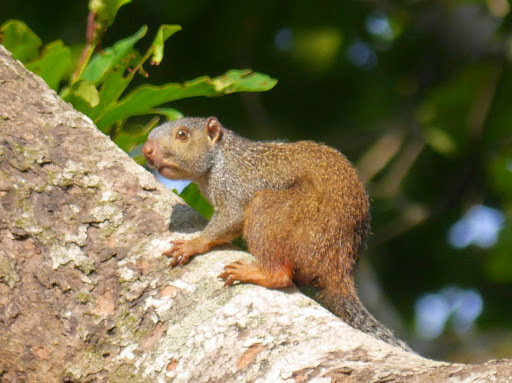
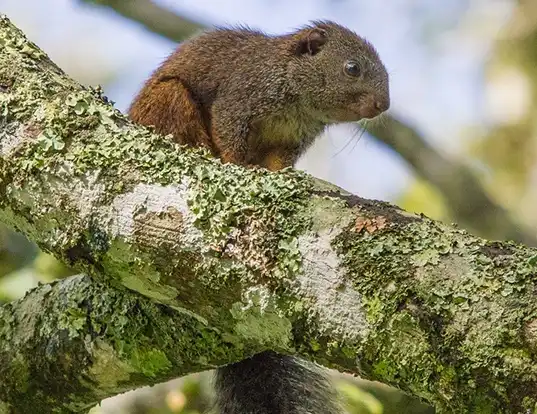
🐿️ African Giant Squirrel (Protoxerus stangeri)

By
Alexandre Tano Kan Koffi
Last updated: August 7, 2026
2 Min Read
Share

📍 Habitat

This species inhabits dense tropical forests in West and Central Africa, including the riparian woodlands and moist forests along the Tano River, especially within and around the Boin Tano Forest Reserve and the Tanoé-Ehy complex.

Contents
📍 Habitat⚠️ Conservation Status🧬 Description🧠 Behavior🌱 Ecological Role✨ Cultural Note🔥 Conservation Needs

It prefers undisturbed canopy-rich environments, often staying high in the trees, far from ground-level predators and human activity.


⚠️ Conservation Status

  • IUCN Red List: Least Concern, but declining in some areas due to deforestation
  • Main Threats:
    • Logging and habitat fragmentation
    • Forest clearing for agriculture and mining
    • Hunting (for bushmeat in some communities)

🧬 Description

  • One of the largest squirrels in Africa, with a body length up to 30 cm and a bushy tail as long as its body
  • Dark brown to blackish fur with white or grey underparts
  • Large, expressive eyes adapted to life in the forest canopy
  • Agile climber and fast runner on branches

🧠 Behavior

  • Diurnal and arboreal (active during the day, lives in trees)
  • Feeds on fruits, nuts, seeds, and sometimes insects
  • Builds leaf nests high in the canopy or uses tree hollows
  • Emits sharp, high-pitched warning calls when alarmed

🌱 Ecological Role

  • Acts as a seed disperser — contributes to forest regeneration
  • Helps maintain diversity in tree species
  • Prey for raptors and some carnivorous mammals (e.g. golden cat)

✨ Cultural Note

While not a sacred animal, squirrels are often associated with alertness and vigilance in local proverbs. Their presence is a sign of a healthy forest and their absence may reflect disrupted ecosystems.

In some Akan folktales, squirrels appear as tricksters or messengers, always alert and difficult to catch.


🔥 Conservation Needs

  • Preserve large tracts of continuous canopy forest
  • Limit logging and tree-felling along riverbanks
  • Educate local communities about the ecological role of squirrels
  • Integrate species like Protoxerus stangeri into forest biodiversity assessments

Sign Up For Daily Newsletter

Be keep up! Get the latest breaking news delivered straight to your inbox.
By signing up, you agree to our Terms of Use and acknowledge the data practices in our Privacy Policy. You may unsubscribe at any time.
Share This Article
Facebook Email Copy Link Print
ByAlexandre Tano Kan Koffi
Follow:

✍️ About the Author

Alexandre Tano Kan Koffi is the founder of TanoRiver.com and a passionate advocate for Africa’s environmental and cultural heritage. Named after the Tano River, he honors his legacy through storytelling and conservation.
📧 Contact: alex [@] alexandrekoffi.com

Leave a Comment Leave a Comment

Leave a Reply Cancel reply

Your email address will not be published. Required fields are marked *

Receive latest news from all areas of Wildlife Animals

Our selection of the week's biggest research news and features sent directly to your inbox. Enter your email address, confirm you're happy to receive our emails.

HOT NEWS

The Rivers, Lakes & Lagoons Collective

The rivers in Ghana

April 10, 2026

🪷 Cultural Significance of the Tano River

May 5, 2026

✨ Spiritual and Historical Importance of the Tano River

February 13, 2026

📖 Indigenous Stories and Oral Traditions of the Tano River

May 9, 2026

Follow US: 

About us

  • 🌍 The Project / Get Involved
  • ✉️ Contact us
  • 💛 Donate
  • 🤝 Partnerships / Collaborate

TanoRiver.com

  • Terms and Conditions
  • Privacy Policy
  • Cookie Policy

Cookies Notice

We use our own and third-party cookies to improve our services, personalise your advertising and remember your preferences.
Welcome Back!

Sign in to your account

Username or Email Address
Password

Lost your password?

