



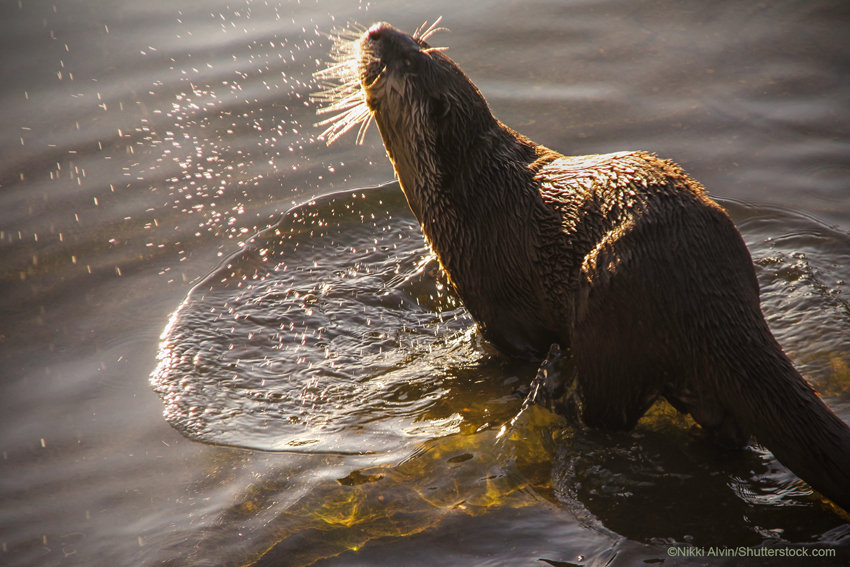
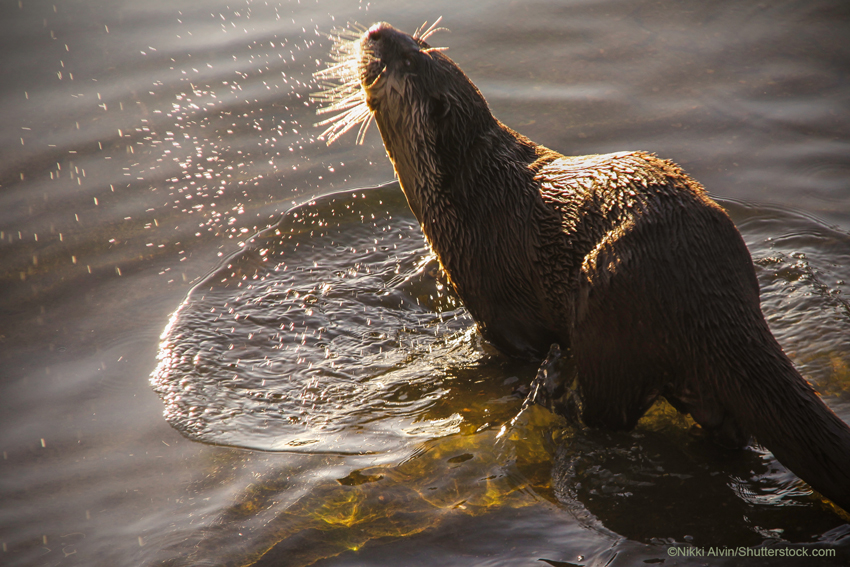
Also known as: Cape Clawless Otter, River Otter of Africa
📍 Habitat
The African clawless otter inhabits freshwater rivers, forest streams, wetlands, and mangroves, including the Tano River and its tributaries. It favors clean, well-oxygenated water with rocky banks, overhanging vegetation, and abundant aquatic prey.
In the Boin Tano Forest Reserve and other riparian zones of Ghana and Côte d’Ivoire, it lives a mostly hidden life, surfacing at dawn and dusk.
⚠️ Conservation Status
- IUCN Red List: Near Threatened
- Major threats include:
- Water pollution from gold mining (galamsey) and agriculture
- Destruction of riverbank vegetation and wetlands
- Trapping and hunting (for skin or due to perceived competition with fishers)
- Decline of prey species like crabs and small fish
🧬 Description
- Medium-sized mustelid, up to 1.5 meters (5 feet) in length
- Dark brown or gray coat with a white throat and belly
- Lacks claws on most digits (hence the name), with strong, partially webbed fingers for dexterous foraging
- Excellent swimmer and agile on land
🧠 Behavior
- Solitary or found in small family groups
- Mostly nocturnal or crepuscular, with daytime rest in dense cover or burrows
- Feeds on crabs, fish, frogs, aquatic insects, and small vertebrates
- Uses touch and sensitive whiskers (vibrissae) to locate prey underwater
- Communicates through chirps, whistles, and scent markings
🌿 Ecological Role
- Top predator in freshwater food webs, keeps aquatic invertebrate and fish populations in balance
- Indicator of clean water and intact riparian habitats
- Helps regulate invasive species and maintain ecosystem structure
- Prey for large crocodiles, eagles, and humans (in some areas)
✨ Cultural Relevance
In West African folklore, the otter is sometimes regarded as a spirit animal of intelligence, mischief, and protection. In some Akan oral traditions, it is known for its clever tricks and ability to cross realms — land and water, seen and unseen.
Otters are rarely hunted in sacred zones, especially near river shrines, where they may be considered messengers of the river gods.
🔥 Conservation Needs
- Protect riverbank vegetation and natural refuges
- Control pollution and sedimentation in rivers like the Tano
- Educate communities about the ecological importance of otters
- Include the species in protected area monitoring programs


